Leave Your Message

How to Choose Single Spring Seals in 2026?

Choosing Single Spring Seals in 2026 requires more than comparing prices and catalog dimensions. A seal may look suitable on paper, yet fail quickly beside a hot pump casing or abrasive slurry line. The U.S. Department of Energy’s Improving Pumping System Performance sourcebook reports that pumping systems can consume a significant share of industrial electricity, making leakage control and efficiency practical concerns. Every unnecessary shutdown also increases maintenance labor, product loss, and energy waste. That matters.

Single Spring Seals remain widely used because their compact design supports straightforward installation and economical replacement. However, spring material, face combination, elastomer compatibility, shaft speed, pressure, and temperature must match the application. ISO 21049 and API 682 provide useful guidance for mechanical seal selection, testing, and performance expectations. These standards improve reliability, but they do not replace field judgment. A clean-water pump and a chemical dosing pump may require very different sealing materials.

Industry research from Grand View Research and MarketsandMarkets continues to identify chemical processing, water treatment, and general industrial equipment as important mechanical seal demand sectors. Those reports also reflect stronger attention to operating efficiency and predictive maintenance. Therefore, this guide examines service conditions before product labels. Start with the fluid, pressure, temperature, shaft diameter, and rotation speed. Then review installation access and replacement frequency. A simple seal can be the right answer. Sometimes it is not. That is the part many purchasing decisions overlook. Real experience shows that a cheaper seal becomes expensive when one unnoticed abrasive particle damages its faces during startup.

How to Choose Single Spring Seals in 2026?

What Are Single Spring Seals and How Do They Work?

How to Choose Single Spring Seals in 2026?

What Are Single Spring Seals and How Do They Work?

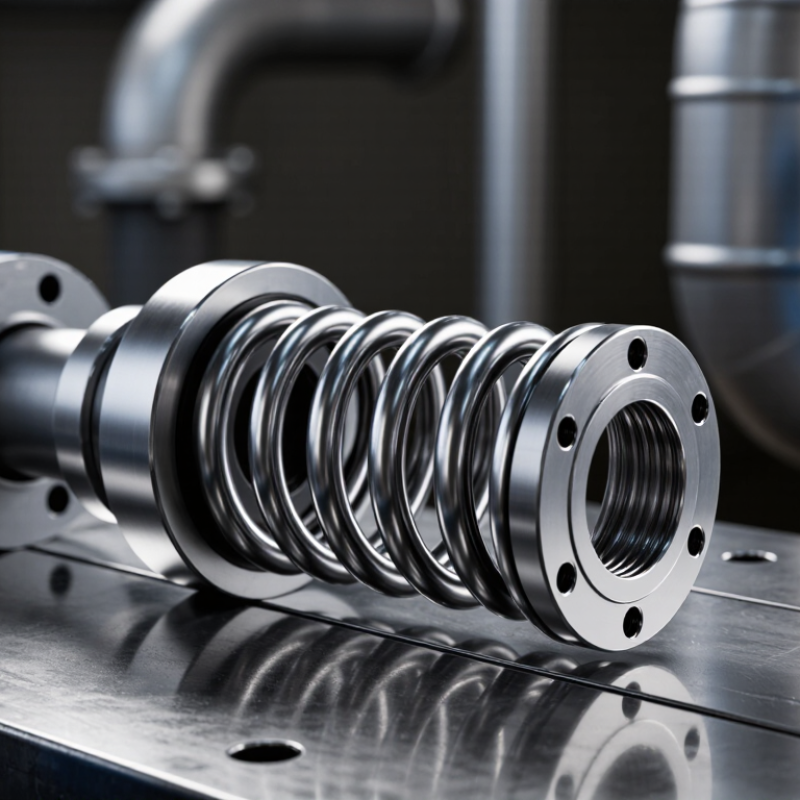
A single spring seal is a mechanical seal with one spring, two sealing faces, and an elastomer. It prevents liquid from escaping along a rotating shaft. One face rotates with the shaft, while the other remains fixed inside the housing. The spring pushes both faces together. A thin liquid film stays between them and reduces friction, heat, and wear. The seal must remain flexible as the shaft moves slightly during operation.

In practical use, spring design matters more than many buyers expect. A conical or cylindrical spring can handle different space limits and operating movements. The spring also compensates for face wear and minor shaft displacement. Materials should match the fluid, temperature, pressure, and shaft speed. Carbon, ceramic, silicon carbide, and metal parts each behave differently. Elastomers also need careful selection. A seal may look suitable but soften, swell, or crack in service.

Installation experience often reveals the hidden risks. Clean faces are essential. Even a small fiber can create a leak path. The shaft should be smooth and free from burrs. Excessive spring compression can increase heat and shorten seal life. Too little compression may cause leakage during startup. I have found that catalog dimensions rarely tell the whole story. Real pump vibration, dry running, and changing fluid conditions can challenge a perfect specification. That assumption deserves checking.

Which Materials and Designs Suit Different Operating Conditions?

Choosing a single spring seal in 2026 starts with the fluid, not the catalogue. For clean water at moderate temperatures, a carbon face against silicon carbide often offers dependable running. Hot hydrocarbons need a different response. FKM usually handles heat and oils better than EPDM, while EPDM suits water, steam, and many diluted chemicals. It performs poorly with petroleum fluids. Small details matter. Check the actual concentration, temperature spikes, shaft speed, and pressure.

Abrasive slurry needs hard faces, strong secondary seals, and a spring protected from solids. Silicon carbide faces can reduce wear, but poor alignment can still cause leakage. PTFE handles many aggressive chemicals, yet creep and cold flow may weaken sealing under pressure. Balance the seal when pressure and speed rise; an unbalanced design may generate excessive face loading. API 682 provides useful qualification guidance for process-industry seals, although real equipment conditions can be harsher than test conditions.

The U.S. Department of Energy reports that pumping systems may consume 25–50% of industrial electricity, with optimization often saving 20–50%. Seal friction is only one part of that loss, but selection affects maintenance, leakage, and pump stability. In field reviews, installation errors still appear surprisingly often. A correct material can fail after one dry start. I would specify a flush plan, verify elastomer compatibility, and leave room for imperfect operation. That practical caution is sometimes more valuable than choosing the most expensive material.


How to Select the Correct Size, Pressure Rating, and Temperature Range?

How to Choose Single Spring Seals in 2026?

Choosing a single spring seal starts with accurate dimensions, not guesswork. Measure the shaft diameter, housing bore, and available axial length. Check the rotating equipment drawing when possible. A small dimensional error can cause leakage, rubbing, or difficult installation. The seal’s inner diameter must match the shaft closely. Its outer diameter must fit the housing without excessive force. Leave room for the correct setting length.

Pressure rating depends on more than the advertised maximum value. Review normal pressure, pressure spikes, shaft speed, and fluid viscosity. A balanced seal may handle higher pressure more reliably than an unbalanced design. Confirm the pressure limit at the actual operating speed. Pressure can rise sharply during startup. That detail is often missed. Check the face materials, spring position, and secondary seal compatibility with the fluid.

Temperature selection requires a complete range, not one operating number. Consider startup, shutdown, cleaning cycles, and nearby heat sources. Elastomers may harden, swell, or lose flexibility outside their suitable range. Match the spring material to the fluid and temperature. Field checks should include leakage marks, face wear, and spring movement. A datasheet is essential, but it is not the whole answer. Real systems behave imperfectly. Recheck the selection after installation, because alignment, vibration, and dry running can change the result.

What Installation Factors Affect Single Spring Seal Performance?

How to Choose Single Spring Seals in 2026?

Single spring seal performance depends heavily on installation quality, not only seal design. During field inspections, I have seen good seals fail after poor shaft alignment or uneven gland tightening. The shaft should be clean, smooth, and free from burrs. Excessive runout can make the faces separate during rotation. Check shaft squareness, seal chamber depth, and spring compression against the equipment drawing. Even a small dimensional error matters.

Install the seal without forcing the spring or twisting the elastomer. Confirm the spring rotates freely and faces remain clean. Use a compatible lubricant only when the manufacturer permits it. Some fluids attack elastomers, while some lubricants cause swelling. Avoid dry running during startup, especially with low-flow equipment. Open the process line gradually and inspect for heat, vibration, or unusual leakage. A perfect drawing still cannot correct damaged components. That point is easy to forget.

Tips: Measure shaft runout before installation. Protect sealing faces from fingerprints and dust. Tighten fasteners evenly in a cross pattern. Confirm piping loads do not distort the seal chamber. Record leakage and temperature during the first operating hours. If performance seems unstable, stop and investigate rather than tightening randomly. That shortcut often creates more damage.

How to Choose Single Spring Seals in 2026?

What Installation Factors Affect Single Spring Seal Performance?

Shaft runout, face perpendicularity, cleanliness, surface finish, and spring orientation are key installation controls for single spring mechanical seals. The index compares their typical influence on leakage and premature wear; 100 indicates the highest sensitivity. Actual limits depend on seal design, equipment speed, pressure, temperature, and the pumped fluid.

How Can Single Spring Seals Be Maintained and Troubleshot?

How to Choose Single Spring Seals in 2026?

Single spring seals need disciplined maintenance, not guesswork. Inspect leakage, spring condition, seal faces, and shaft movement during every planned shutdown. Look for crystallized fluid around the gland. It often signals evaporation, poor flushing, or face damage. Clean faces with a lint-free cloth, never abrasive paper. Check the spring for corrosion and blocked coils. Small defects matter.

The U.S. Department of Energy’s Operations & Maintenance Best Practices guide reports that preventive maintenance can reduce maintenance costs by 12–18% compared with reactive work. It also links predictive maintenance with lower unplanned downtime. For a single spring seal, trend leakage rate, vibration, temperature, and flush pressure. A sudden temperature rise may indicate dry running or inadequate cooling. Leakage that appears only after startup may point to damaged faces, incorrect compression, or shaft misalignment. API 682 provides useful guidance for seal selection, testing, and installation discipline.

Troubleshooting records should include fluid type, pressure, speed, temperature, and installation date. ISO 14224 supports consistent failure-data collection across industrial equipment. I have seen teams replace seals too quickly. The real fault was a bent shaft. It happens. Recheck alignment and bearing play before ordering another seal. Do not tighten the gland blindly; excess compression can overheat the faces and shorten service life. A simple inspection photo may reveal more than a hurried maintenance note.