Pump Seal Kits may be small components, but their failure can stop a large pump and disrupt an entire production line. The U.S. Department of Energy’s guide, Improving Pumping System Performance, reports that pumping systems use nearly 20% of global electrical energy. That figure describes pump systems, not seal kits. Still, it shows why dependable components and maintenance deserve close attention.
For global buyers, choosing a supplier in China involves more than comparing prices. Buyers should check seal materials, dimensional tolerances, operating limits, and quality documentation. A kit intended for a clean-water pump may not suit abrasive slurry or high-temperature service. Ask for material specifications, inspection records, and clear compatibility details for the pump model. ISO 5199 can help frame technical expectations for certain centrifugal pumps, though it does not certify every seal kit or supplier.
This guide reviews China-based suppliers through practical criteria: product range, manufacturing capability, export experience, and communication. Details matter. A clear drawing can prevent a costly mismatch. So can a sample inspection before a larger order. Supplier claims still need verification, and a polished website is not proof of consistent quality. That part is easy to overlook. The goal is to help buyers ask better questions and compare options with care, not to treat any supplier ranking as a substitute for technical evaluation.
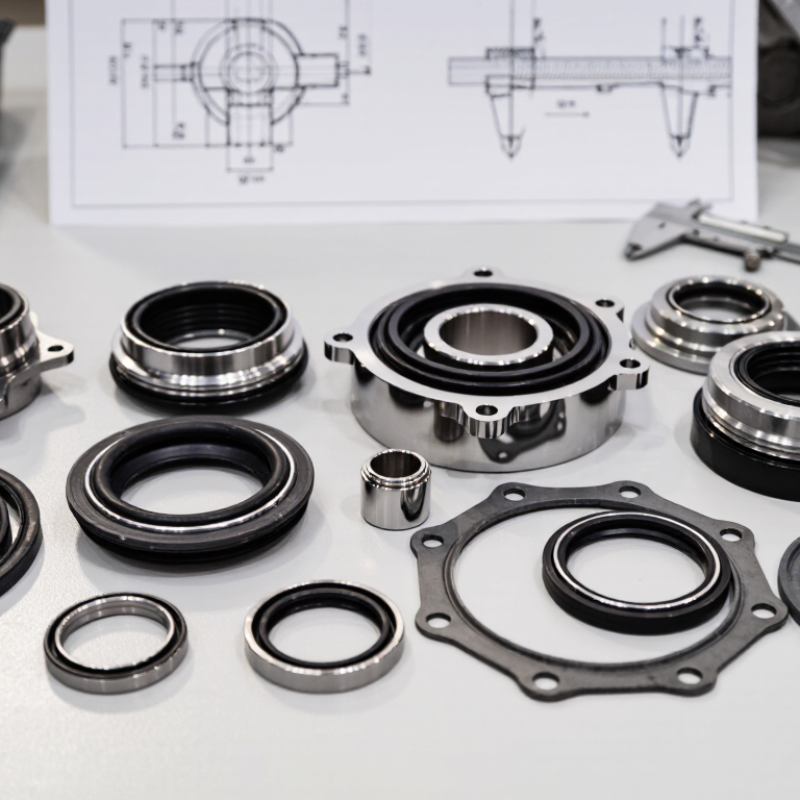
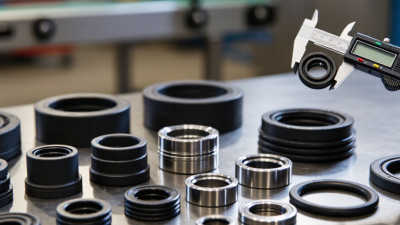
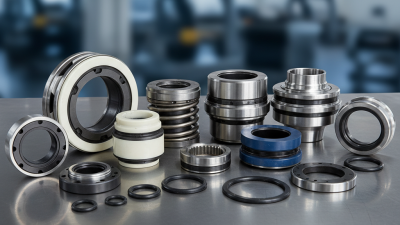
A pump seal kit contains the parts used to limit fluid leakage where a pump shaft meets its casing. Depending on the pump design, it may include seal faces, elastomer rings, springs, and gaskets. These parts work together under rotation, pressure, and heat. A worn or mismatched seal can cause drips, vibration, or early failure. Kit contents vary, so the pump model and seal arrangement matter.
Seal kits are used in water supply systems, wastewater treatment, HVAC equipment, irrigation, and industrial process pumps. In a small circulation pump, a seal helps keep water inside the housing as the shaft turns. In a chemical process, material compatibility becomes especially important. Operators should also consider fluid temperature, pressure, shaft dimensions, and operating speed. A kit that looks similar may not fit correctly. That detail is easy to overlook.
Tips: Check the pump manual and inspect the old seal before ordering. Note its dimensions and material, and look for scoring or hardening on contact surfaces. Clean installation surfaces carefully; grit can damage a new seal. If leakage returns quickly, the cause may be shaft wear or misalignment, not just the seal itself.
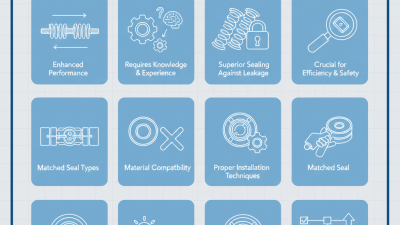
A pump seal kit is only useful when its materials and dimensions match the pump and service conditions. Common seal faces include carbon, silicon carbide, and ceramic. Each handles friction, heat, and abrasion differently. Carbon often suits many general-duty applications, while harder faces may be considered for abrasive fluids. Elastomers such as EPDM, nitrile, and FKM also have different temperature and chemical limits. Confirm suitability against the actual fluid, not just its common name. Looks can mislead.
Tips: Record the pump model, shaft size, seal type, and operating conditions before requesting a quote. Check the supplier’s dimensional drawing against the removed kit. Ask for material details and tolerances. Keep clear photos handy.
Design matters too. A single-spring seal, a multi-spring design, and a cartridge seal may not interchange, even when their outside dimensions seem close. Check rotation direction, installation space, pressure, temperature, and shaft movement.
For global orders, confirm that drawings use consistent units and that kit contents are listed clearly. If a measurement is uncertain, say so; guessing can lead to leakage or installation delays. Compatibility should be verified by a qualified maintenance professional, especially when service conditions change.
How to Evaluate Chinese Pump Seal Kit Suppliers
A dependable supplier should prove fit, materials, and repeatability—not just offer a low price. Ask for drawings with dimensions, material specifications, and tolerances for each seal component. Compare these against your pump’s model, operating temperature, pressure, and fluid. A kit that looks right may still leak after installation. Small details matter.
The U.S. Department of Energy’s Improving Pumping System Performance: A Sourcebook for Industry reports that pumping systems use nearly 20% of global electricity demand, and 25–50% of energy in some industrial plants. This is system-level data, not a seal-kit performance claim. Still, it shows why seal reliability deserves attention: leakage can lead to downtime, wasted resources, and repeated maintenance. Ask suppliers how they inspect finished parts, control batches, and investigate failures. Request recent inspection records and material certificates. Check whether reported tests match your actual service conditions.
Before a large order, evaluate a sample kit and inspect its dimensions, surface finish, and packaging. Ask how the supplier handles nonconforming parts and replacement requests. A clear answer is reassuring. I would not overrate a polished catalogue; response quality after a technical question is more revealing. Confirm lead times, export packaging, and communication procedures in writing. Then document the results, even if the first trial seems uneventful.
| Evaluation Dimension | What to Verify | Useful Evidence or Check | Buyer Assessment |
|---|---|---|---|
| Application and compatibility | Confirm the kit matches the pump model, seal arrangement, shaft or sleeve size, operating conditions, and original part references. | Request a compatibility matrix and a dimensional drawing; compare key dimensions against the pump or seal documentation. | Pass / Review / Fail |
| Seal design and scope | Check whether the proposed kit is for a mechanical seal or packing arrangement and whether its design suits the pump duty. | For applicable process-industry mechanical seals, ask whether the design and documentation address API 682 / ISO 21049 requirements relevant to the specified service. | Pass / Review / Fail |
| Material specification | Verify the specified materials for seal faces, elastomers, springs, metal parts, and secondary seals against the fluid, temperature, and pressure conditions. | Request a bill of materials and material certificates or inspection records for the supplied batch. Confirm material grades rather than relying on generic descriptions. | Pass / Review / Fail |
| Dimensional control | Check critical dimensions, tolerances, surface condition, and interchangeability with the intended equipment. | Review inspection reports tied to the part number and batch; independently measure a sample before approving repeat orders. | Pass / Review / Fail |
| Quality management | Assess whether the supplier has documented controls for purchasing, production, inspection, nonconformities, and corrective actions. | If ISO 9001 certification is claimed, verify its validity, scope, and issuing certification body. Certification alone does not establish product suitability. | Pass / Review / Fail |
| Testing and inspection | Establish which checks are performed on the kit and which tests apply to the complete seal assembly or finished equipment. | Request the inspection and test plan, acceptance criteria, results, and traceability to the order. Confirm test scope before treating a test certificate as proof of operating performance. | Pass / Review / Fail |
| Traceability and documentation | Check that supplied parts can be linked to the order, part numbers, material records, and inspection results. | Request sample labels, packing lists, drawings, material records, inspection reports, and installation instructions before placing a production order. | Pass / Review / Fail |
| Production capacity and lead time | Confirm the supplier can meet the required quantity, delivery schedule, and repeat-order needs for the specific kit. | Request a written quotation stating quantity, production lead time, dispatch date, minimum order quantity, and any tooling or sample requirements. | Pass / Review / Fail |
| Packaging and export readiness | Check protection against contamination, impact, moisture, and storage damage, especially for precision faces and elastomer components. | Agree packaging, shipping marks, and export documents in advance. Specify the applicable Incoterms® 2020 rule and named place in the quotation or contract. | Pass / Review / Fail |
| Commercial terms and after-sales support | Review payment terms, warranty coverage, replacement process, technical response, and responsibility for confirmed nonconforming goods. | Obtain written terms covering warranty period, exclusions, claims evidence, response time, spare-part availability, and dispute handling. | Pass / Review / Fail |
Evaluation note: Supplier-specific claims should be verified against current documents, samples, and the exact pump application. Standards and certification requirements depend on the equipment, industry, and destination market.
For global buyers, supplier verification should begin with the actual manufacturing site, not a polished catalogue. Check that quality certificates are current and cover the relevant production scope. The ISO Survey 2022 reported more than 1.2 million ISO 9001 certificates worldwide. That figure shows how widely quality systems are certified; it does not prove that a particular seal kit meets its drawing or material specification. Request batch traceability, material test certificates, and controlled revision records. Then compare the documents with a sample kit: measure critical dimensions, inspect sealing faces, and verify elastomer type and hardness. Small details matter.
Quality control should follow the buyer’s stated service conditions. Ask for inspection criteria and test records relevant to the seal design, including pressure or temperature testing where applicable. Confirm that labels connect each kit to its batch, and that packaging protects machined faces during shipment. Compliance checks should match the destination and end use; request applicable material declarations and export documents before purchase. A remote audit can help, but it cannot replace evidence from actual production records. Paperwork can miss a bad batch. That is an uncomfortable gap, and buyers should acknowledge it: independent sample inspection adds time and cost, yet it can reveal mismatched materials or inconsistent dimensions before a large order ships.
Use these EU RoHS maximum concentration values as a reference when reviewing applicable materials and components in pump seal kits. The limits are measured by weight in homogeneous materials; product scope and exemptions may affect applicability. Request material declarations and supporting test evidence from suppliers.
A reliable pump seal kit order starts with accurate equipment details. Send the pump model, shaft size, seal arrangement, and the original part number when available. Photos of the removed seal can help clarify wear patterns and component orientation. Include the fluid, operating temperature, and pressure range; these details affect material selection. Small details matter.
Before payment, ask the supplier to confirm the kit contents, compatible materials, and estimated dispatch date in writing. For shipping, agree on the destination address, carrier, tracking process, and packing method. Seal faces and elastomer parts need protection from dust, impact, and prolonged heat. Request clear labels and a packing list so receiving staff can check the shipment against the order. Delivery times can shift, so avoid scheduling urgent maintenance around an unconfirmed arrival date.
After delivery, inspect the package and compare each item with the confirmed list before installation. Keep photos, batch details, and operating notes if a part appears damaged or does not fit. A useful supplier should respond with practical questions, not guesswork, and explain the next steps for replacement or technical review. Even careful checks miss things. Fit can still vary with equipment condition, installation technique, or an incorrect measurement. Share those findings promptly; they help both sides resolve the issue with less delay.