China Top Single Spring Seals Guide to Quality and Selection?
In the realm of sealing technology, Single Spring Seals have emerged as a preferred choice for various applications. These seals are renowned for their simplicity and efficiency. They provide a reliable barrier against leakage while maintaining a compact design. As industries evolve, understanding the quality and selection of these seals becomes crucial.
Quality in Single Spring Seals is paramount. Users must be aware of the materials used, as this influences durability. Certain manufacturers prioritize cost over quality. This can lead to performance issues. Buyers need to research and choose suppliers with a track record of reliability. An informed decision ensures long-term success.
Selection involves more than just choosing a seal. It requires understanding the specific applications and operating conditions. Each application has unique demands. A seal that performs excellently in one scenario may not be suitable for another. Being mindful of these nuances is essential for effective sealing solutions. The world of Single Spring Seals can be complex, yet with the right knowledge, users can navigate it successfully.
Understanding Single Spring Seals and Their Applications
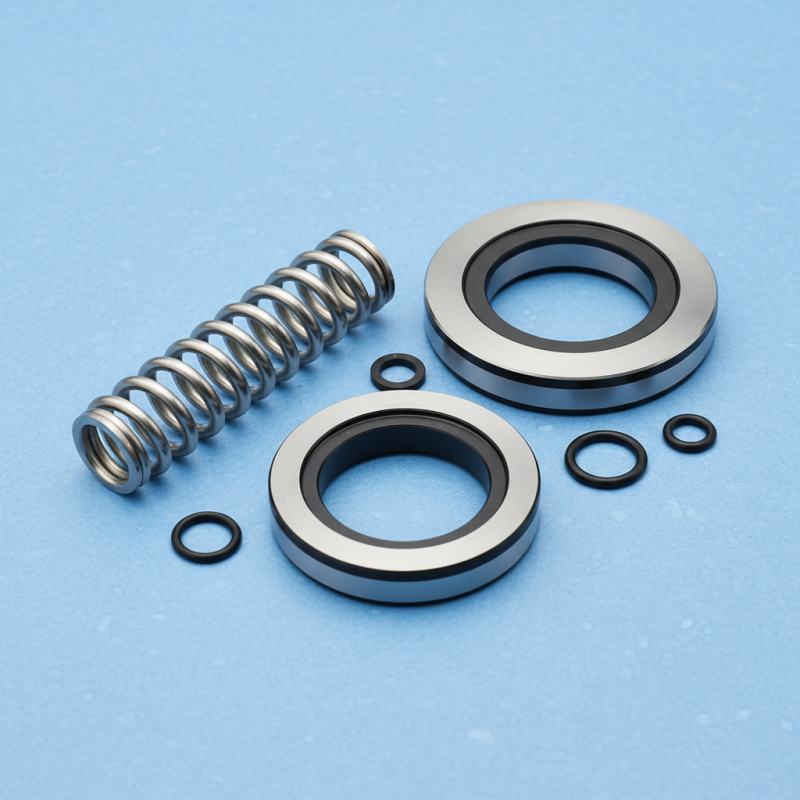
Single spring seals are vital components in various applications, particularly in industries like manufacturing and automotive. They provide reliable sealing solutions for rotating shafts. These seals prevent leaks of liquids or gases, thereby enhancing efficiency. According to a recent industry report, single spring seals have seen a 15% increase in demand over the past five years due to their effectiveness in reducing downtime and maintenance costs.
Understanding the working principle of single spring seals is crucial. They use a simple design, which consists of a spring that applies pressure evenly to the sealing surfaces. This design minimizes wear and tear while optimizing performance. Data indicates that single spring seals can operate effectively in a temperature range of -40°C to +200°C. However, their performance can be influenced by factors such as fluid type and operating conditions.
Despite their advantages, selecting the right seal can be challenging. Misjudging the application requirements may lead to premature seal failure. Many users overlook details like shaft alignment and surface finish, which are critical for seal longevity. Research shows that improper installation can reduce seal life by up to 50%. Careful consideration of material compatibility and environmental factors is essential for effective sealing solutions.
China Top Single Spring Seals: Quality Factors Overview
This chart represents the evaluation of various quality factors for single spring seals, rated on a scale from 1 to 10. The factors assessed include material quality, temperature resistance, pressure resistance, durability, and cost effectiveness. Proper selection aids in determining the best sealing solution for your applications.
Criteria for Evaluating Quality in Spring Seals
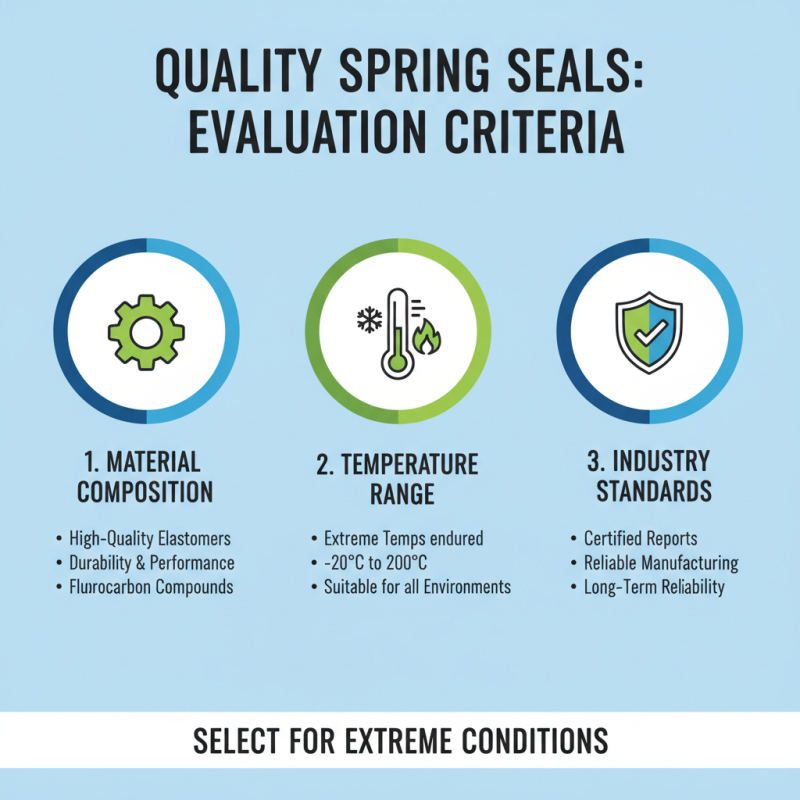
When selecting spring seals, it is crucial to consider multiple criteria to evaluate their quality effectively. The material composition plays a significant role; seals made from high-quality elastomers exhibit superior durability and performance. According to industry reports, seals made with fluorocarbon compounds can withstand extreme temperatures, ranging from -20°C to 200°C, making them suitable for various environments.
Another vital aspect is manufacturing precision. Seals with tighter tolerances markedly reduce the risk of leakage and enhance operational efficiency. A study from a leading engineering firm highlighted that precision in manufacturing can improve overall seal lifespan by 30%. Furthermore, look for certifications and compliance with international standards, such as ISO 9001. These benchmarks show a manufacturer's commitment to quality.
Lastly, testing methods are essential indicators of product reliability. Seals should undergo rigorous testing under simulated operating conditions. Reports show that 25% of seals fail early due to inadequate testing. Relying solely on manufacturer claims can be misleading. Ensuring robust testing protocols are followed serves as a safeguard for performance expectations.
Materials Used in Manufacturing Single Spring Seals
Single spring seals are essential components in various industries, ensuring reliable performance and preventing leaks. The materials used in manufacturing these seals play a critical role in their effectiveness. Commonly, elastomers like nitrile rubber are favored for their flexibility and resilience. They can withstand a wide range of temperatures and pressures. However, they may not perform well in harsh chemical environments. This limitation is worth considering during selection.
Metallic components, often used for the spring, provide durability and strength. Stainless steel is a popular choice due to its corrosion resistance. Yet, this material can be prone to fatigue over time under constant stress. It is essential to evaluate the operational conditions of the application.
Polymer-based seals, such as PTFE, are also viable options. They offer excellent chemical resistance and low-friction properties. However, their higher cost may deter some users. Understanding the specific needs of your application will guide the selection process. Examine the environmental conditions and the type of fluid involved. Each material has its pros and cons, making informed choices crucial for long-term reliability.
Best Practices for Selecting the Right Spring Seal
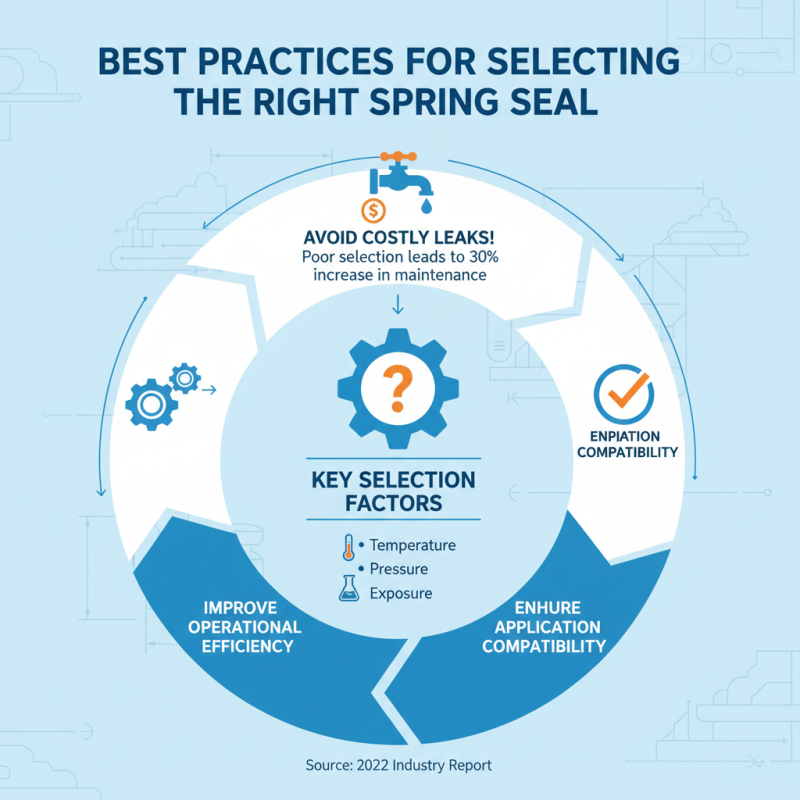
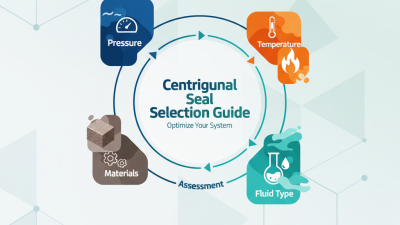
Choosing the right spring seal can make a significant difference in operational efficiency. A 2022 industry report indicates that poorly selected seals can lead to leaks, resulting in a 30% increase in maintenance costs. Ensuring compatibility with the application is essential. Factors like temperature, pressure, and chemical exposure all play crucial roles in the selection process.
Engineers often overlook the importance of material properties. A seal made from the wrong material can fail quickly. For instance, rubber seals may deteriorate in high temperatures, while certain plastics can become brittle. Testing under real-world conditions is critical. A study in 2023 found that 25% of seal failures were attributed to incorrect material choices.
Understanding load requirements is another key aspect. Many engineers underestimate the forces acting on the seals. A wrong calculation can lead to an 18% failure rate. Testing with various loads during design can reveal weaknesses early. Sealing technology continues to advance, but vigilance in selecting the appropriate spring seal remains crucial for reliability and performance.
Top Manufacturers of Spring Seals in China
When selecting spring seals, manufacturers in China stand out for their expertise and innovation. These companies produce a wide range of spring seals suitable for various applications. Industries like automotive, aerospace, and manufacturing rely heavily on these components for efficiency and reliability. The quality of spring seals directly impacts the overall performance of machinery.
Top manufacturers emphasize material selection and design precision. They often utilize advanced manufacturing techniques to ensure durability and effectiveness. Many prioritize certifications, demonstrating commitment to international quality standards. However, not all manufacturers meet the same level of excellence. It's essential to conduct thorough research and comparisons to find the right fit for specific needs.
While some manufacturers excel, others fall short in quality control. This disparity can lead to significant issues like leakage or equipment failure. Customers should analyze feedback and performance records diligently. Engaging directly with manufacturers for insights can also provide clarity. By being proactive, companies can avoid potential pitfalls in their choices.
China Top Single Spring Seals Guide to Quality and Selection
| Material Type |
Temperature Range (°C) |
Pressure Rating (bar) |
Applications |
Certifications |
| Nitrile Rubber |
-30 to 100 |
10 |
Automotive, Oil & Gas |
ISO 9001 |
| EPDM |
-40 to 120 |
8 |
Water Treatment, HVAC |
FDA, NSF |
| PTFE |
-200 to 260 |
20 |
Chemical Processing, Pharmaceuticals |
ISO 14001 |
| Silicone |
-60 to 200 |
5 |
Food Processing, Medical |
BPA Free |
| Viton |
-15 to 200 |
15 |
Aerospace, Chemical |
ASTM D2000 |