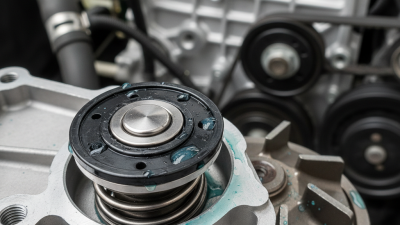
Top 10 Water Pump Seals Buyers Need to Know?
When it comes to maintaining optimal performance in water pump systems, choosing the right Water Pump Seals is critical. These seals not only prevent leaks but also extend the life of your equipment. Selecting the appropriate seal can be challenging, given the numerous options available. Many buyers lack essential knowledge about the properties and functions of different seals. This ignorance can lead to poor choices that result in premature failures.
Understanding key factors will help buyers make informed decisions. Not all Water Pump Seals are created equal. Some are designed for specific applications, while others are meant for general use. Material composition, temperature resistance, and compatibility with fluids all play significant roles in seal effectiveness. Often, buyers overlook these details, which can lead to costly mistakes.
In the world of Water Pump Seals, experience matters. An informed buyer knows how to evaluate their needs and the environment where the seals will be used. Without the right knowledge, it's easy to face performance issues and increased maintenance costs. Engaging with expert insights and reliable sources will empower buyers to choose wisely and ensure their systems run smoothly.
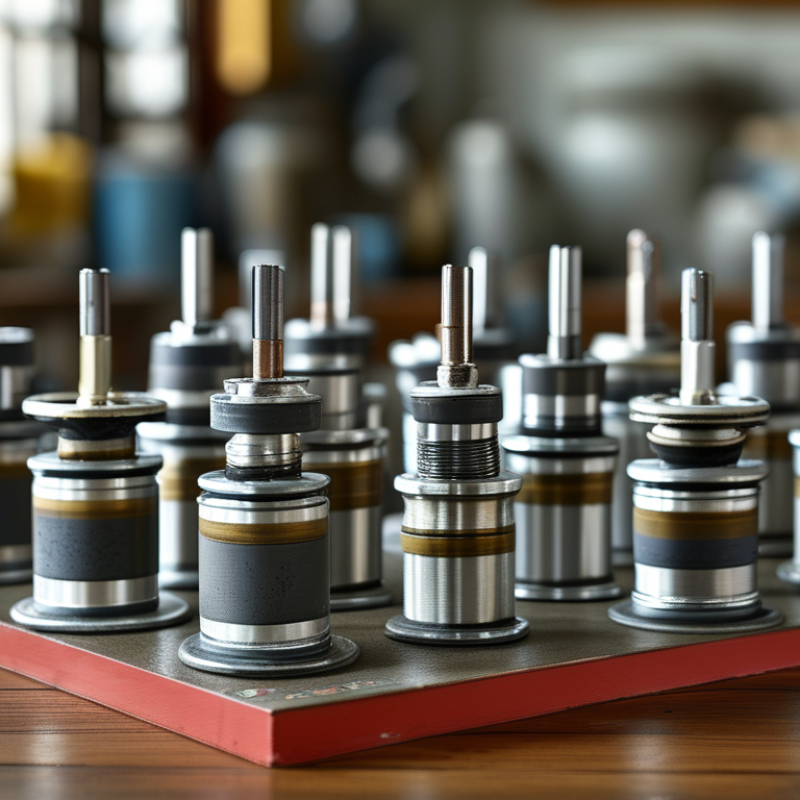
Understanding Water Pump Seals and Their Importance in Performance
Water pump seals play a crucial role in ensuring optimal pump performance. They prevent leaks and maintain pressure within the system. A reliable seal contributes to the longevity of the pump and reduces the risk of costly repairs. When water flows through a pump, seals shield against friction, wear, and environmental contaminants.
Choosing the right seal material is essential. Different environments require specific materials. For instance, exposure to chemicals or extreme temperatures might dictate the choice of seal. A poorly chosen seal can lead to premature failure. Buyers often overlook this factor and face unexpected maintenance issues.
Regular inspection of seals is vital. Signs of wear, such as leaks or unusual noises, should prompt evaluation. Ignoring these symptoms can result in operational downtime. It's crucial to remember that seals are not infallible. Evaluation of their condition is part of proper maintenance. Understanding these details enhances overall pump efficiency and helps avoid significant disruptions.
Top 10 Water Pump Seals Buyers Need to Know
| Seal Type |
Material |
Temperature Range (°C) |
Pressure Rating (bar) |
Application |
| Mechanical Seal |
Carbon / Ceramic |
-20 to 150 |
10 |
Submersible Pumps |
| Lip Seal |
Nitrile Rubber |
-30 to 120 |
5 |
Household Water Pumps |
| O-Ring Seal |
Silicone |
-40 to 200 |
8 |
Industrial Pumps |
| PTFE Seal |
PTFE |
-40 to 260 |
25 |
Chemical Pumps |
| Gasket Seal |
Asbestos-Free Material |
-50 to 300 |
15 |
Valve and Pump Applications |
| Packing Seal |
Graphite |
-10 to 100 |
20 |
Rotary Pumps |
| Sump Pump Seal |
EPDM |
-30 to 150 |
7 |
Wastewater Pumps |
| Spring-Loaded Seal |
Viton |
-15 to 200 |
12 |
Oils and Fuel Pumps |
| Capillary Seal |
Polyurethane |
-20 to 80 |
5 |
Small Pump Systems |
| Dynamic Seal |
Natural Rubber |
-20 to 100 |
6 |
Hydraulic Pumps |
Types of Water Pump Seals: A Comprehensive Overview for Buyers
When purchasing water pump seals, understanding the types available is crucial. Mechanical seals are widely used. They create a tight barrier, preventing leaks. These seals come in various designs, such as single and double arrangements. Each design serves a specific purpose. Single seals are common in less demanding applications. Double seals, on the other hand, offer added protection in more stringent environments.
Gland packing is another option. It consists of braided fibers that compress against the pump shaft. This type of sealing is often seen in older pumps. It requires periodic maintenance to ensure effectiveness. The drawback is that it may cause wear over time. Understanding these options can be complex, yet crucial for making informed decisions.
Finally, elastomeric seals are prevalent in modern applications. They are made from flexible materials, providing excellent adaptability. These seals can withstand various pressures and temperatures. However, a lack of compatibility with certain liquids can lead to premature failure. An understanding of the specific environment is essential for selecting the right type of seal.
Key Factors to Consider When Choosing Water Pump Seals
When choosing water pump seals, several key factors come into play. The material of the seal is crucial. Common options include rubber, silicone, and metal. Each has its own advantages and disadvantages based on the specific application. For instance, rubber seals may offer flexibility, but they might wear out faster under certain conditions. In contrast, metal seals can provide durability but may lack the necessary elasticity.
Another important factor is the seal’s design. Different pumps require specific shapes and configurations. A flat seal might work well in one system, while a cone-shaped seal could be essential for another. It’s essential to understand the compatibility with your pump type to ensure optimal performance.
Keep in mind that installation is also a critical aspect. A poorly installed seal can lead to significant leaks and failures. Always seek the guidance of professionals if unsure about the installation process. Remember, even the best seals can fail if not fitted correctly. Choose wisely, and don't hesitate to ask questions.
Top 10 Water Pump Seals Key Factors
Common Materials Used in Water Pump Seals and Their Benefits
When selecting water pump seals, understanding the materials used is crucial. Common choices include nitrile rubber, Viton, and PTFE. Nitrile rubber is known for its resistance to oils and fuels, making it a popular choice for many industrial applications. It also offers good abrasion resistance. However, it may not perform well in high-temperature situations.
Viton seals provide enhanced temperature and chemical resistance, making them reliable for demanding environments. They thrive in extreme conditions, but their cost can be higher. Conversely, PTFE is highly resistant to a wide range of chemicals and operates well under varying temperatures. It might not be suitable for applications with high impact, though.
Selecting the right material often requires trade-offs. Each option has strengths and weaknesses. It's essential to consider specific application needs to make an informed choice. Balancing durability, cost, and intended use can lead to better performance. This decision-making process is critical for ensuring long-lasting pump functionality.
Maintenance Tips for Extending the Lifespan of Water Pump Seals
Water pump seals play a critical role in ensuring the efficiency of pumps. Poor maintenance can lead to leaks and operational failures. According to a recent industry report, regular inspections can increase the lifespan of seals by up to 45%. This highlights the importance of proactive maintenance strategies.
To extend the lifespan of water pump seals, consider routine cleaning and lubrication. Dust, debris, and chemicals can degrade seal materials. Keeping these components clean can prevent premature wear. Regular temperature checks are equally vital. Elevated temperatures can cause material breakdown, leading to seal failure.
Monitoring the operating environment is essential as well. Fluctuations in pressure and temperature can stress seals and cause leaks. Implementing a schedule for inspecting seals every 6 months is recommended. Awareness of these factors can prevent costly downtimes. A careful balance of care can yield better performance and longevity in your pump systems.