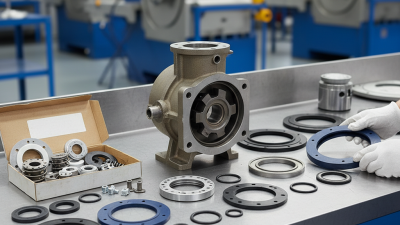
Top 10 Types of Pump Shaft Seals for Global Buyers
Pump Shaft Seal selection has become a practical engineering priority for global pump buyers. Leakage control affects maintenance costs, worker safety, energy use, and equipment availability. Grand View Research has identified steady growth in the global mechanical seals market, supported by water treatment, chemical processing, power generation, and oil and gas applications. MarketsandMarkets also links industrial pump demand with expanding infrastructure and process industries. These trends make seal selection more than a replacement decision.
The right seal depends on pressure, temperature, shaft speed, fluid chemistry, and installation conditions. A clean-water pump may use a carbon-ceramic mechanical seal. A corrosive chemical service may require silicon carbide faces, advanced elastomers, or a cartridge design. Packed seals, lip seals, split seals, bellows seals, and component mechanical seals each solve different problems. None is universally best.
Standards matter. API 682 provides widely used guidance for mechanical seal systems in petroleum and natural gas services. ISO 3069 defines important dimensions for end-suction centrifugal pump cavities. However, standards do not remove practical uncertainty. Misalignment, dry running, poor flushing, and abrasive particles can shorten seal life quickly. Real installations still surprise experienced buyers.
This guide examines the top 10 types of Pump Shaft Seal for international purchasing teams. It compares construction, operating limits, maintenance needs, and typical applications. The goal is clear selection, not exaggerated claims. Buyers should verify every recommendation against the pump manual, fluid data, and supplier test records. A cheaper seal can become expensive. Sometimes, the overlooked detail is the flush plan.
What Pump Shaft Seals Are and Why They Matter in Global Pump Systems
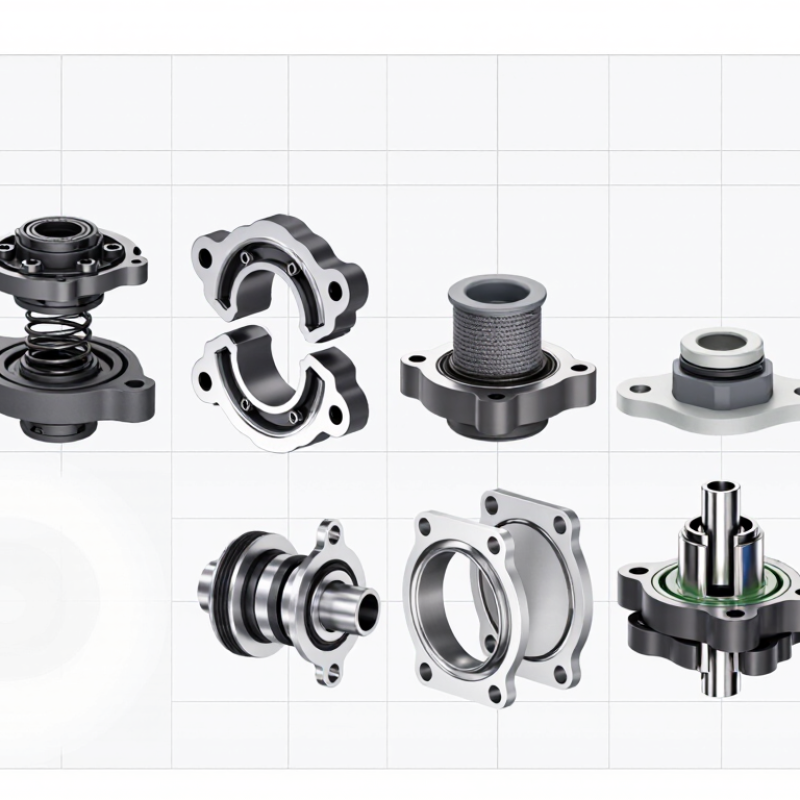
Pump shaft seals prevent liquid from escaping where the rotating shaft passes through the pump casing. They also keep air, dust, and process contaminants away from internal components. Without a suitable seal, pressure drops, bearings corrode, and floors become unsafe. Common choices include gland packing, single mechanical seals, double mechanical seals, cartridge seals, split seals, lip seals, labyrinth seals, V-ring seals, bellows seals, and slurry seals.
Each type suits different operating conditions. A packed seal may tolerate rough service and simple maintenance, but it usually allows controlled leakage. A cartridge seal can reduce installation errors during replacement. Double mechanical seals help protect toxic, abrasive, or high-temperature fluids when a barrier system is properly managed. In dry, dusty areas, labyrinth and V-ring designs may offer practical protection, though they cannot solve every pressure problem.
Site experience matters.
Pump engineers normally check shaft speed, pressure, temperature, fluid chemistry, solids content, and alignment before selecting a seal. International projects may also reference ISO 21049 or other application-specific requirements. However, a seal that looks perfect on paper can fail after a poor flush plan or careless installation. This is often overlooked. Global buyers should request material certificates, dimensional drawings, test records, and clear maintenance instructions. They should also question impressive service-life claims, because actual performance depends heavily on operating discipline, spare-part quality, and correct commissioning.
Top 10 Types of Pump Shaft Seals for Global Buyers
What Pump Shaft Seals Are and Why They Matter in Global Pump Systems
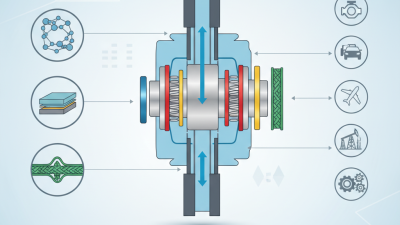
The chart compares representative lower and upper service temperatures for widely used pump shaft seal types. Actual limits depend on seal materials, fluid chemistry, pressure, speed, and equipment design. Correct seal selection helps prevent leakage, protect bearings, improve energy efficiency, and extend pump service life.
Mechanical Seals: Designs, Materials, and Common Applications
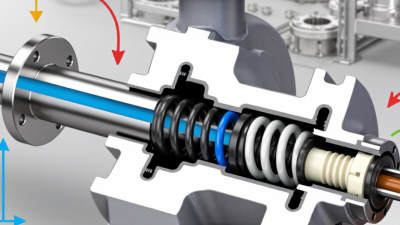
Mechanical seals remain the leading choice for controlling leakage around rotating pump shafts. The ten common types include single, double, cartridge, split, balanced, unbalanced, pusher, non-pusher, bellows, and gas-lubricated seals. Each design changes installation time, pressure tolerance, and maintenance risk. A single seal suits clean water and general circulation. A double seal supports toxic, abrasive, or crystallizing fluids. Split seals help when removing the pump is impractical. However, no design is universally superior.
Material selection demands practical experience. Carbon versus silicon carbide faces affect friction and wear. Ceramic faces suit cleaner fluids, while tungsten carbide handles harsher particles. Elastomers also matter: EPDM performs well with hot water, whereas fluorocarbon compounds resist many oils and chemicals. The U.S. Department of Energy reports that pumping systems can consume over 20% of industrial electricity, so friction, leakage, and poor alignment deserve attention. A 2024 market analysis by Fortune Business Insights also placed the global mechanical seal market above USD 4 billion, reflecting broad industrial adoption. Market figures vary by methodology.
Tips: Confirm fluid chemistry, temperature, pressure, shaft speed, and solids content before selecting a seal. Check face flatness and shaft runout during installation. Small errors become expensive leaks. ISO 21049 offers useful guidance for pump sealing systems, but field conditions still challenge neat specifications. I have seen technically correct seals fail after dry running or sudden temperature changes. Selection should be reviewed after commissioning, not treated as finished paperwork.
Packing Seals, Lip Seals, and Labyrinth Seals Compared
Top 10 Types of Pump Shaft Seals for Global Buyers
A practical ten-type shortlist includes packing, lip, labyrinth, mechanical face, cartridge, split mechanical, bellows, O-ring, V-ring, and magnetic seals.
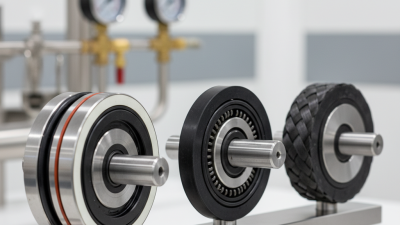
Packing seals remain inexpensive and serviceable for dirty water, but they require controlled leakage and regular adjustment. Lip seals suit moderate speeds and clean fluids. They are compact, although abrasive particles can cut the sealing edge quickly.
Labyrinth seals use non-contacting clearances, so they create little friction and usually last longer than rubbing designs. However, they cannot stop pressure-driven liquid without an additional barrier.
Mechanical face seals provide tighter containment and handle higher pressures, but installation alignment matters greatly. ISO 21049 recommends attention to materials, face loading, and operating conditions during selection. A small shaft runout can become a large leakage problem.
The U.S. Department of Energy reports that pumping systems can represent about 25% of industrial electricity use. That figure makes friction, flushing, and maintenance more than minor details.
In field maintenance, packing often survives rough service better than expected. Lip seals sometimes fail sooner than catalogs suggest.
Not always predictable.
The Fluid Sealing Association also emphasizes compatibility with temperature, pressure, speed, and fluid chemistry. Buyers should request leakage limits, test conditions, and replacement dimensions. A seal that works in clear water may fail beside a slurry line.
My practical caution is simple: compare total operating cost, not purchase price alone.
Suppliers may publish impressive life figures, but site contamination, misalignment, and poor installation can overturn them.
How Global Buyers Select, Install, and Maintain Pump Shaft Seals
Selecting a pump shaft seal starts with the fluid, pressure, temperature, shaft speed, and maintenance access. Common options include packed stuffing boxes, single mechanical seals, cartridge seals, split seals, double seals, bellows seals, slurry seals, lip seals, gas seals, and magnetic-drive containment systems. The right choice is rarely the most expensive one. It must match the pump’s duty cycle.
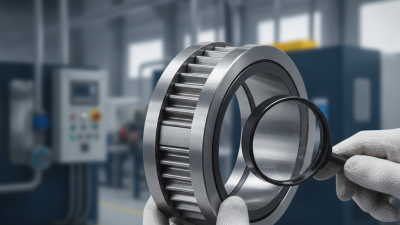
Installation quality often decides service life. Clean the shaft carefully. Remove burrs and rust. Check shaft runout with a dial indicator, then confirm the seal faces remain dry and dust-free. A double seal may suit toxic or abrasive fluids, while a split seal can reduce downtime on large pumps. API 682 provides selection and testing guidance for refinery sealing systems; ISO 3069 addresses end-face dimensions for centrifugal pump seals. These standards improve consistency, but they cannot correct poor alignment.
Maintenance records should track leakage rate, vibration, flush pressure, temperature, and running hours. Small leaks matter. The U.S. Department of Energy reports that pumping systems can consume 25% to 50% of industrial electricity in some facilities, making seal friction and leakage worth investigating. Some DOE assessments also identify 20% to 50% energy-saving opportunities through system improvements. Yet field decisions are not always perfect. Operators may over-tighten packing or reduce flush flow to save water, creating heat and face damage. Monthly inspections, correct flush plans, and short failure reviews usually reveal these mistakes early.