Leave Your Message

What Are the Top Types of Pump Seals in 2026?

Pump seals rarely attract attention until a leak, temperature rise, or unexpected shutdown makes them impossible to ignore. In 2026, choosing the right design still begins with the same practical question: what conditions will the pump actually face? Fluid properties, pressure, temperature, shaft movement, and solids all matter. A catalog category alone cannot answer that.

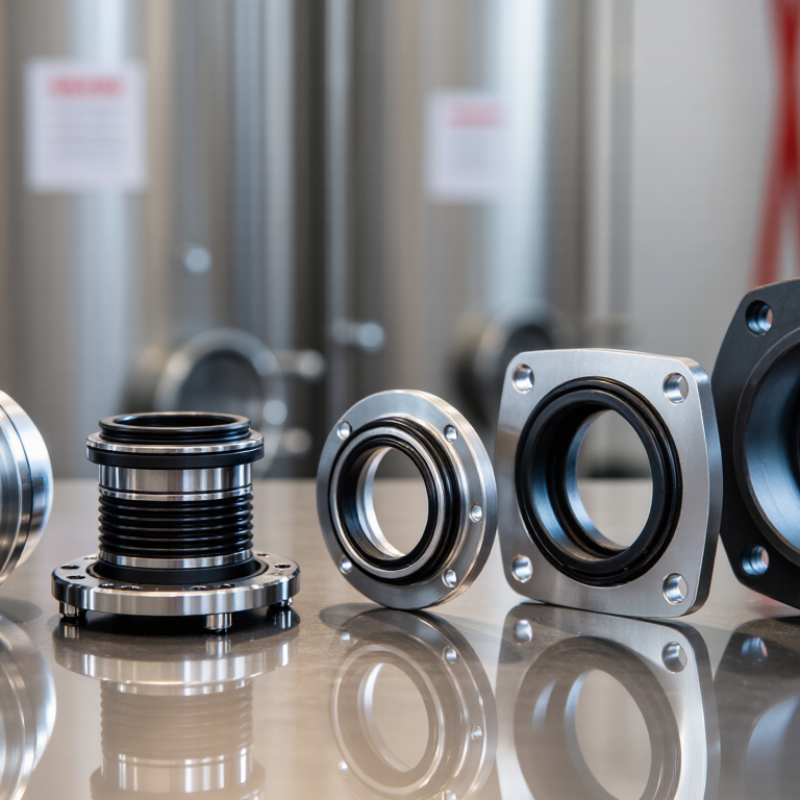
This guide compares common Pump Seals, including component mechanical seals, cartridge seals, split seals, elastomer bellows seals, and dry-running designs. Each has useful applications, but none is best for every pump. Cartridge seals can simplify installation; split seals may help when dismantling equipment is difficult. Yet poor alignment or unsuitable materials can undermine either choice. Small details count. Abrasive particles, for example, can change seal life dramatically.

Reliability authority Heinz P. Bloch has written extensively about machinery maintenance and reliability. A concise paraphrase of his practical approach is: “Choose for the duty, not the label.” That is guidance, not a universal formula. Real operating data and the manufacturer’s limits should inform final selection. Even a tidy comparison has limits; actual installations are rarely tidy. The sections ahead examine how each seal type works, where it fits, and what trade-offs deserve closer review. The aim is not to promise a perfect seal, but to help readers ask better questions before specifying one.

What Are the Top Types of Pump Seals in 2026?

How Pump Seals Work and Where They Are Used

What Are the Top Types of Pump Seals in 2026?

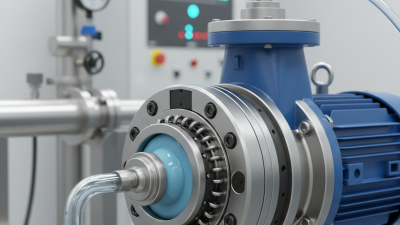
A pump seal limits fluid escaping where a rotating shaft passes through the casing. Mechanical seals use two close, polished faces; a thin fluid film helps keep them cool and reduces leakage. They are common in process pumps, water systems, and equipment handling hot or hazardous fluids. API Standard 682 provides guidance for shaft-sealing systems in centrifugal and rotary pumps used in demanding industries. Packing works differently: compressed braided rings press against the shaft or sleeve. It is practical in many water and wastewater pumps, though it usually allows controlled leakage.

Small parts matter.

Lip seals use a flexible edge against a rotating shaft, often retaining lubricant in smaller pumps and motors. No seal suits every duty. Fluid chemistry, temperature, pressure, shaft movement, and dry-running risk all affect selection. A seal that works well with clean water may wear quickly with abrasive solids.

Leaks tell a story.

The U.S. Department of Energy’s Improving Pumping System Performance sourcebook reports that system optimization can reduce pumping energy use by 20–50 percent. That range applies to whole-system improvements, not seal replacement alone. Still, leakage and friction deserve attention during maintenance. Inspect seal faces for scoring, check elastomers for swelling, and verify flush lines are clear. In practice, diagnosis is not always tidy; vibration, poor alignment, or a blocked flush can look like a seal problem.

Mechanical Pump Seals: Designs and Applications

Mechanical pump seals contain liquid where a rotating shaft exits the pump casing. In 2026, selection still begins with the fluid, pressure, temperature, shaft speed, and solids—not a trend list. A single seal uses one pair of closely lapped faces, often carbon against ceramic or silicon carbide. A thin liquid film lubricates the faces. Keep it clean and cool. Dry running can damage them quickly.

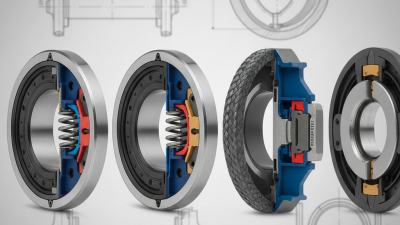
Balanced seals reduce hydraulic closing force, making them useful at higher pressures. Unbalanced designs are simpler and often suit lower-pressure water duties. Pusher seals use a spring-loaded elastomer that moves along the shaft as the faces wear. Non-pusher bellows designs avoid that sliding secondary seal. Each has trade-offs. Elastomers can swell, while bellows need careful checks for material compatibility and movement.

Cartridge seals arrive preassembled, reducing installation guesswork and face misalignment. They are common where maintenance time matters. Dual seals place two seal sets around a barrier or buffer fluid, helping manage abrasive liquids or liquids with poor lubricating properties. They add piping, monitoring, and cost. Not always better. Check flush plans, leakage expectations, and startup procedures against actual service data. Even a well-chosen seal may fail early if alignment or dry-start habits are overlooked.

Gland Packing and Lip Seals: Traditional Sealing Options

Gland packing remains a practical choice for many pumps. Braided rings sit around the shaft, and a gland follower compresses them to control leakage. A small, steady leak can help lubricate and cool the packing. Too much tightening, however, raises friction and can score the shaft sleeve. Operators often need periodic adjustment, especially after startup or temperature changes.

Lip seals offer a more compact alternative. Their flexible lip rides against a rotating shaft, helping retain lubricant and exclude dust or splash. They suit many lower-pressure applications, but heat, shaft runout, abrasive particles, and poor surface finish can shorten service life. Not foolproof. Check the seal material against the fluid and operating temperature, rather than choosing by size alone.

System context matters. The U.S. Department of Energy’s Improving Pumping System Performance: A Sourcebook for Industry reports that pumping systems use nearly 20% of global electricity, and 25–50% of energy in some industrial facilities. The International Energy Agency’s 2011 assessment attributes roughly 22% of motor-system electricity use to pumps. These figures do not compare seal types, but they show why avoidable friction and leakage deserve attention. Packing tolerates some leakage by design; a lip seal typically aims for contact without visible leakage. The right trade-off depends on fluid, pressure, maintenance access, and shaft condition. One detail is easy to miss: a seal can be correctly specified and still fail early if installation is careless.

What Are the Top Types of Pump Seals in 2026? - Gland Packing and Lip Seals: Traditional Sealing Options

Comparison dimension Gland packing Lip seals
Sealing principle Braided or formed packing rings are compressed in a stuffing box around a shaft or sleeve. The compression restricts leakage while allowing the shaft to rotate. A flexible sealing lip contacts the rotating shaft, usually with a spring maintaining contact, to retain lubricant or limit ingress of contaminants.
Typical construction materials Common packing materials include braided fibers such as graphite, PTFE, aramid, and other application-specific fibers. Material selection depends on the fluid and operating conditions. Common lip materials include nitrile rubber, fluoroelastomer, and PTFE. The shaft-contacting material must be compatible with the fluid, temperature, and speed.
Leakage behavior Usually adjusted to permit a small amount of leakage for lubrication and heat removal. It is generally not a zero-leakage seal. Designed to limit leakage at the shaft. Performance depends on lip condition, shaft surface, installation, speed, and fluid compatibility.
Friction and heat Contact with the shaft creates friction and heat. Excessive tightening can increase both and accelerate wear. The contacting lip also creates friction and heat. Suitability is influenced by shaft speed, lubrication, lip design, and material limits.
Maintenance considerations Can often be adjusted during service and replaced by repacking the stuffing box. Adjustment must preserve adequate lubrication and avoid excessive compression. Typically replaced when worn, damaged, or leaking. Correct installation and inspection of the shaft contact surface are important.
Shaft requirements Requires a suitable shaft or sleeve surface. Abrasive packing or poor adjustment can wear the contact surface over time. Requires a suitable, smooth shaft contact area without damage that could cut or abrade the lip. A wear track can impair sealing.
Common applications Used in pumps with stuffing boxes where adjustable sealing and straightforward field servicing are priorities, including some water and process-fluid duties. Often used on rotary shafts to retain oil or grease and exclude dirt, particularly in equipment with a suitable low-pressure sealing arrangement.
Key limitations Requires periodic adjustment or replacement and normally allows some leakage. Excessive tightening can cause overheating and shaft wear. Not a universal substitute for a mechanical seal; allowable pressure, speed, temperature, and fluid compatibility depend on the seal design and manufacturer specifications.
Selection check Verify fluid compatibility, temperature, shaft speed, stuffing-box dimensions, leakage expectations, and maintenance access. Verify fluid compatibility, pressure, shaft speed, temperature, shaft finish and dimensions, and whether the seal is designed for the intended pump arrangement.

Labyrinth and Magnetic Seals: Specialized Pump Solutions

Labyrinth seals and magnetic sealing systems solve different leakage problems, so they are not interchangeable upgrades. A labyrinth seal uses closely spaced ridges and grooves to make fluid follow a longer, restricted path. It has no rubbing contact during normal operation. That matters. Lower friction can reduce wear in high-speed pumps and bearing housings, especially where slight leakage is acceptable. But a labyrinth is not a zero-leakage barrier. Fluid properties, pressure, and running clearance all affect performance.

Magnetic-drive pumps take another route. Magnets transfer torque through a containment shell, eliminating the rotating shaft opening used in conventional pump arrangements. This can help contain hazardous, corrosive, or valuable liquids. Not a perfect barrier. Static gaskets can still leak, while dry running or poor circulation can cause damaging heat. Suspended solids may also complicate operation.

Selection should start with the fluid, pressure, temperature, speed, and consequences of leakage—not just the seal name. A labyrinth may suit a clean, lubricated bearing area where controlled seepage is manageable. Magnetic drive may fit a closed process, but engineers should check cooling flow, particle content, and torque margin. Site data is sometimes incomplete. Record that uncertainty, then verify assumptions with operating measurements, such as vibration and temperature trends.

How to Compare Pump Seal Types for Different Applications

What Are the Top Types of Pump Seals in 2026?
How to Compare Pump Seal Types for Different Applications

Choosing a pump seal starts with the fluid, operating conditions, and maintenance needs—not the seal’s name. Mechanical seals suit many clean-liquid duties and generally limit leakage. Packing can handle some abrasive services and is simple to adjust, but it needs more attention and may allow leakage. Single seals are common for lower-risk applications; double seals add a barrier for hazardous, hot, or costly fluids. Cartridge designs can simplify installation, though they do not correct poor alignment or dry running. Not always. The U.S. Department of Energy’s Improving Pumping System Performance sourcebook reports that pumping systems can consume 25–50% of energy in some industrial facilities. That figure is not a seal-performance measure, but it underlines why operating conditions and maintenance deserve careful review.

Compare pressure, temperature, speed, solids, and how often the pump starts and stops. A seal that performs well with cool water may fail quickly with abrasive slurry or a fluid that crystallizes at the seal faces. Check compatibility charts, flush requirements, and the consequences of leakage. Also consider service access: a theoretically efficient seal can be a poor fit if technicians cannot inspect or replace it reliably. There is no universal winner; even careful specifications may miss real-world variation.

Tips: Record the fluid, temperature, pressure, and leakage limits before selecting a seal. Ask a qualified pump specialist to verify the materials and installation plan.

What Are the Top Types of Pump Seals in 2026?

Comparing common pump seal types across typical applications

Scores show relative application fit on a 1–5 scale, not a measured performance rating or a universal specification. Single seals are commonly used for clean, non-hazardous fluids; double seals provide added containment for hazardous or difficult fluids; packing is often used in rugged or abrasive service; and cartridge seals simplify installation. Actual selection depends on fluid properties, pressure, temperature, speed, regulations, and the specific seal design.