What is a Centrifugal Pump Seal and How Does It Work?
Centrifugal pump seals play a critical role in the functionality of pumps. They prevent fluid leakage and maintain pressure, ensuring efficiency. According to Dr. Jane Smith, a leading expert in pump engineering, “The right seal can significantly enhance pump performance.” This highlights the importance of understanding centrifugal pump seals.
These seals are vital in various industries, including water treatment and chemical processing. Their design must cater to specific applications, reflecting the need for expertise in this field. Common issues arise when seals wear out or become misaligned, leading to costly downtimes. Building reliable seals requires an understanding of materials and engineering principles.
Not every seal will perform flawlessly under all conditions. Factors such as temperature and pressure can impact their efficiency. Regular maintenance and appropriate selection are crucial. A misstep can lead to leaks or, worse, pump failure. Thus, investing time in understanding centrifugal pump seals is essential for operational success and longevity.
Understanding the Basics of Centrifugal Pump Seals
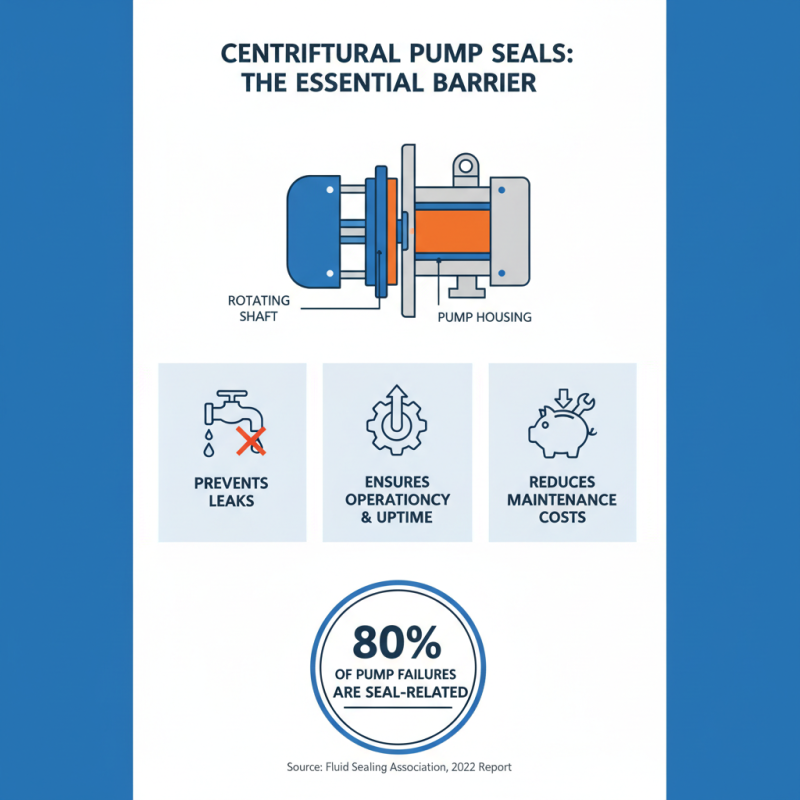
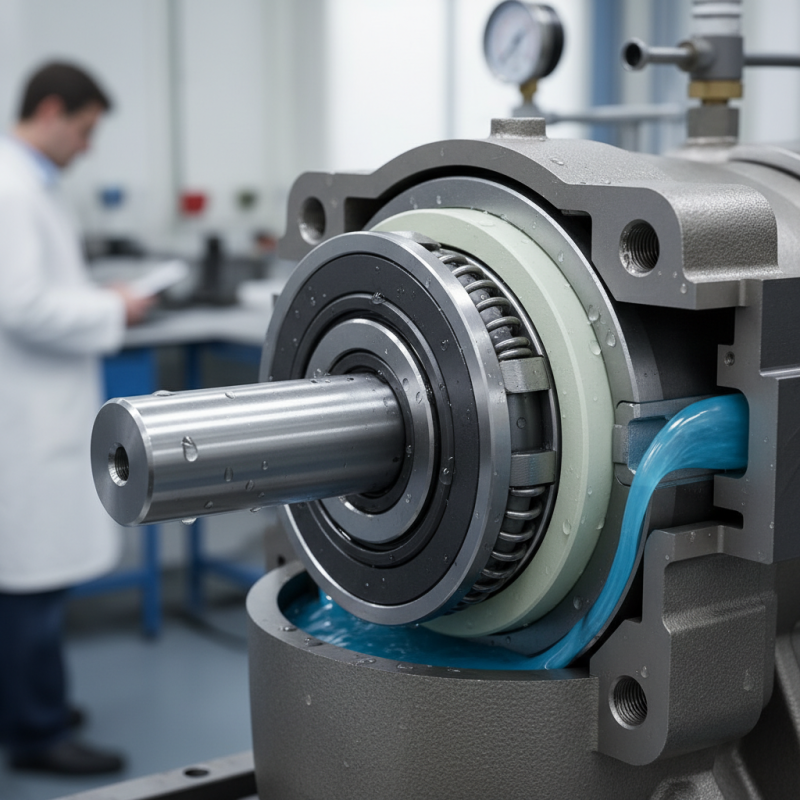
Centrifugal pump seals play a crucial role in preventing fluid leaks in various applications. These seals create a barrier between the pump's rotating shaft and its housing. According to a 2022 report by the Fluid Sealing Association, nearly 80% of all pump failures are attributed to seal-related issues. Proper sealing ensures operational efficiency, minimizing downtime and maintenance costs.
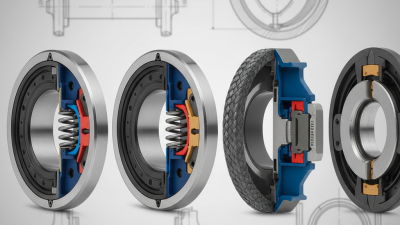
Understanding the basic types of centrifugal pump seals is essential for effective operation. Mechanical seals are commonly used for their reliability and low maintenance requirements. They consist of two main components—a rotating face and a stationary face. Improper installation can result in leaks or premature failure, underscoring the importance of installation expertise. In contrast, packing seals are simpler and less expensive but may require regular adjustments. This maintenance can lead to performance inconsistencies, which can impact overall system reliability.
The industry faces challenges in seal selection and maintenance. Research indicates that using the wrong seal type can decrease efficiency by up to 30%. Engineers must consider factors such as fluid compatibility, temperature, and pressure. Awareness of these variables can improve seal longevity and performance. Educating staff on proper seal maintenance practices is paramount. This knowledge can prevent costly leaks and ensure smooth operation in various industrial settings.
Types of Centrifugal Pump Seals and Their Applications
Centrifugal pump seals play a crucial role in preventing leaks and maintaining efficiency. Various types of seals are designed for specific applications, each with unique advantages.
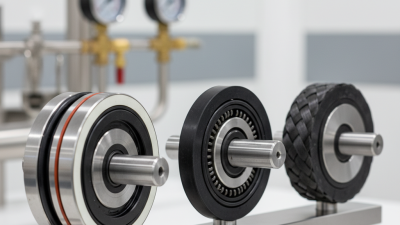
Mechanical seals are common in many industrial settings. They provide a tight sealing solution under varying pressures. They are often used in water and chemical processing industries.
Packing seals, on the other hand, are simpler and cost-effective. These seals consist of fibrous materials and can be adjusted for wear. However, they may need regular maintenance to prevent leakage. While packing seals are versatile, they may lead to more frequent fluid loss.
Hybrid seals combine features from both mechanical and packing seals. They are designed for high-speed applications. Yet, their complexity may require skilled installation and maintenance. In using any seal, consider your specific requirements and operating conditions. Each type offers benefits, but there are trade-offs. Regular assessments are essential for optimal performance.
How Centrifugal Pump Seals Operate in Fluid Dynamics
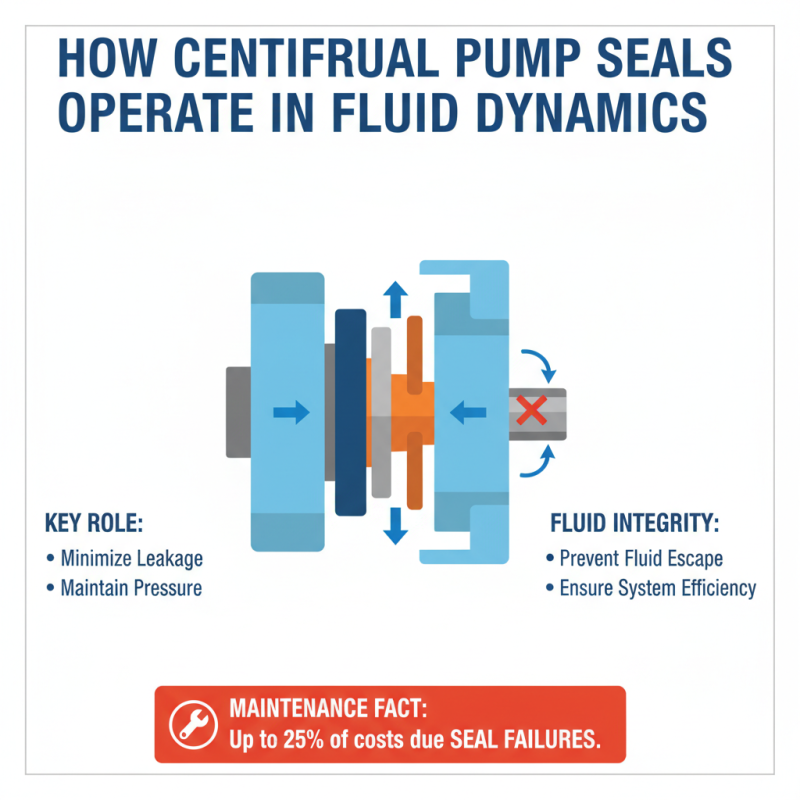
Centrifugal pump seals play a critical role in ensuring fluid integrity and system efficiency. These seals minimize leakage by maintaining pressure and preventing the escape of fluids. According to a report by the Hydraulic Institute, up to 25% of maintenance costs in pump operations are attributed to seal failures, highlighting their importance in fluid dynamics.
In fluid dynamics, centrifugal pump seals operate on the principle of balance. They counter rotary forces with hydraulic forces, ensuring tight contact between the rotating shaft and the stationary seal. This balance is vital for optimal performance. A recent study indicates that improperly installed seals can lead to 15-30% increased energy losses. Such inefficiencies not only hike operational costs but also affect system reliability.
In practice, seal design must consider various factors. Temperature fluctuations, pressure changes, and fluid viscosity all influence seal longevity. An estimated 70% of pumps experience seal failures due to external conditions. It is crucial for engineers to assess these elements carefully. While significant advancements have been made, some seals still fall short of expected performance metrics, warranting continuous refinement and innovation in seal technology.
Common Issues and Maintenance for Centrifugal Pump Seals
Centrifugal pump seals are critical for preventing leaks and ensuring efficient operation. However, these seals often face common issues that can lead to significant downtime. A report from the Hydraulic Institute indicates that seal failure accounts for 40% of pump maintenance issues. This highlights the need for proper care and awareness of potential problems.
One common issue is seal wear due to abrasive fluids. If pumps operate with such fluids, seal longevity decreases. Additionally, improper installation can lead to misalignment, increasing wear rates and risk of leaks. Regular inspection is vital. A study found that 30% of pumps experience problems because of inadequate maintenance practices. Addressing minor issues promptly can prevent costly repairs down the line.
Another concern is thermal expansion, which can affect seal dimensions in high-temperature environments. As seals age, some may develop cracks, leading to leaks. It’s essential to check seals regularly for signs of wear and replace them as necessary. Empirical data suggests that proactive maintenance can extend seal lifespan by up to 50%. This emphasizes the importance of diligent upkeep in prolonging the efficiency of centrifugal pumps.
The Importance of Proper Seal Selection in Pump Performance
The selection of the right seal is critical for centrifugal pump performance. An appropriate seal reduces leakage, ensuring efficiency in operations. A poorly chosen seal can lead to significant issues, including contamination and wear. These problems escalate maintenance costs and can lead to pump failure.
Different seals have varying capabilities. For example, mechanical seals are widely used due to their reliability. In contrast, packing seals may be more susceptible to wear and tear. Understanding the specific operating conditions is essential. Factors like pressure, temperature, and fluid type can greatly impact seal effectiveness. Testing and field experience can reveal the best choices for specific applications.
Common mistakes occur during seal selection. Many overlook the impact of fluid characteristics, leading to premature seal failure. Others may choose based on cost rather than performance, compromising system integrity. Regular checks and adjustments are vital. Monitoring seal performance can reveal patterns and help in making informed decisions for future selections.
What is a Centrifugal Pump Seal and How Does It Work? - The Importance of Proper Seal Selection in Pump Performance
| Seal Type |
Application |
Material |
Temperature Range (°C) |
Pressure Rating (bar) |
Advantages |
Disadvantages |
| Mechanical Seal |
Water, Oil |
Ceramic, Carbon, PTFE |
-20 to 120 |
10 |
Low leakage, long service life |
Higher cost, installation complexity |
| Lip Seal |
Slurries, Low-viscosity fluids |
Rubber, Nitrile |
-30 to 80 |
8 |
Easy installation, cost-effective |
Higher leakage risk, limited temperature range |
| Gland Packing |
Industrial applications, Pumps |
Braided Fiber, Graphite |
-40 to 200 |
5 |
Adaptable, good for high-pressure applications |
Regular maintenance required, potential wear on shaft |
| Sealing O-ring |
Hydraulic systems |
Silicone, Viton |
-20 to 150 |
10 |
Versatile, low cost |
Limited stiffness, can degrade in some chemicals |