Essential Tips for Choosing the Right Pump Shaft Seal?
Choosing the right Pump Shaft Seal is not just a technical decision; it’s crucial for operational efficiency. Research indicates that improper sealing can lead to a staggering 30% increase in maintenance costs. A reliable pump seal enhances performance and prolongs equipment life, making it a vital component in various industries.
Different environments demand different seals. The wrong choice can lead to leaks, equipment failure, and safety hazards. According to industry data, nearly 60% of pump failures can be traced back to seal issues. This statistic highlights the importance of understanding seal types, materials, and their specific applications.
Selecting the appropriate Pump Shaft Seal requires expertise and careful consideration. The complexities of sealing technology often mean that even minor mistakes can have significant implications. Reflecting on these factors can lead to better decisions and improved system reliability. The right seal not only protects your investment but also contributes to environmental safety.
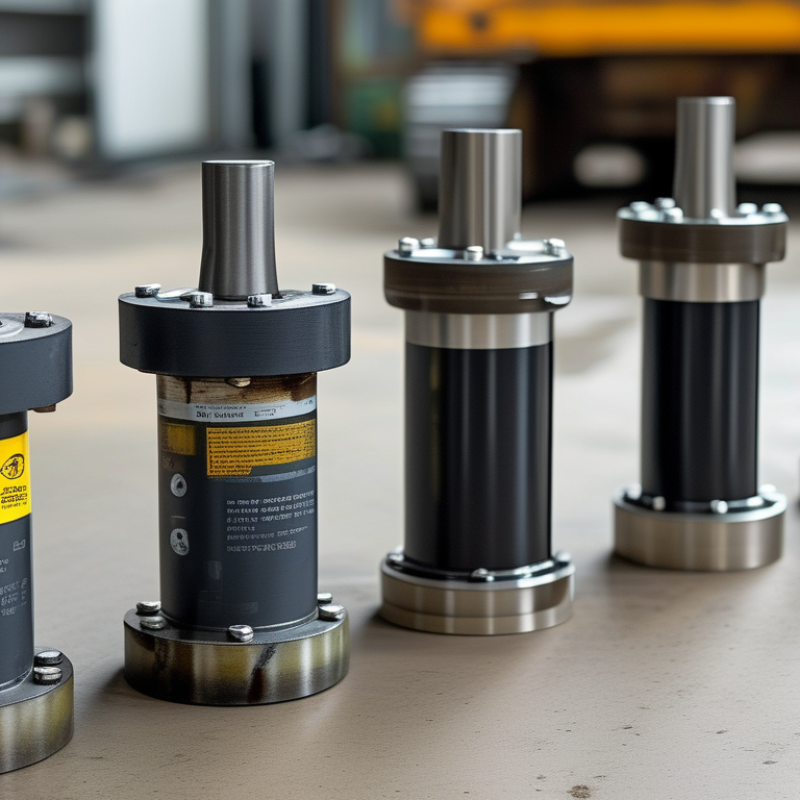
Factors Influencing Pump Shaft Seal Selection: A Comprehensive Overview
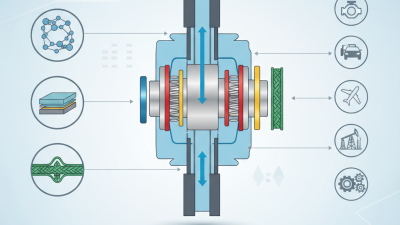
When selecting a pump shaft seal, several factors should guide your decision. The operating environment is critical. Consider the temperature and pressure levels. High temperatures or extreme pressures can compromise seal integrity. Material compatibility with the pumped fluid is another key aspect. For example, corrosive fluids need seals made from resistant materials. Each specific scenario demands a tailored solution.
Seal type plays a crucial role in performance. Mechanical seals tend to offer better reliability than packing seals in many applications. However, their installation can be complex, which sometimes leads to improper fitting. The choice can often lead to costly maintenance issues if not carefully considered.
Understanding the application is fundamental. Different fluids may affect seal life differently. For instance, viscous liquids can increase friction, leading to premature wear. Regular inspections can mitigate potential failures. Nonetheless, assessing the right seal often requires experience and a thorough understanding of the system in use. Be prepared to evaluate both current and future operational needs. Failure to do so could result in an unfit selection, leading to operational inefficiencies.
Material Compatibility: Understanding Chemical Resistance of Seal Materials
When selecting a pump shaft seal, material compatibility is crucial. Different substances interact uniquely with various seal materials. Understanding chemical resistance can prevent costly failures. For instance, rubber seals may degrade when exposed to oils or solvents. This degradation often leads to leaks and equipment failure, causing downtime.
Consider the specific environment where the seal will be used. Factors like temperature, pressure, and the nature of the fluid are vital. It's essential to evaluate these details. For example, PTFE seals offer excellent resistance to acidic and basic chemicals. However, they might not perform well under high-pressure conditions. Each situation requires careful thought to avoid oversights.
Testing is another key aspect. Sometimes, even reputed materials might not perform as expected in real-world applications. It's wise to conduct compatibility tests under actual working conditions. This approach can reveal weaknesses not initially apparent. Choosing the right material can be the difference between success and expensive repairs. Always keep refining your choices based on new findings and experiences.
Seal Design Types: Comparing Mechanical and Lip Seal Configurations
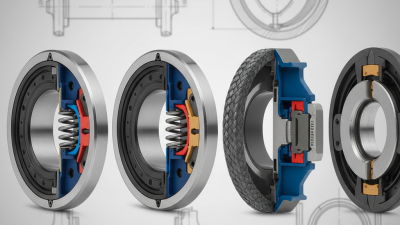
When selecting a pump shaft seal, understanding the design types is crucial. Mechanical seals and lip seals are two prominent designs, each with distinct benefits and limitations.
Mechanical seals are widely recognized for their effectiveness in high-pressure applications, achieving leak rates as low as 0.01 mL/hour under optimal conditions. They offer excellent sealing performance across a range of temperatures and pressures. However, they require precise installation and can be affected by misalignment. On the other hand, lip seals are often simpler and easier to install. They are effective for lower pressure applications but may lead to higher leakage rates, particularly as wear occurs.
Tip: Always assess the operating conditions before choosing a seal type. For example, a mechanical seal performs optimally in environments with high temperature fluctuations.
Tip: Consider the maintenance requirements. Mechanical seals might demand more attention during installation, while lip seals can be replaced quickly. Understanding these differences can save time and costs in the long run.
Both seal types have their place in various industries, often defined by application specifics. Evaluating your needs will prevent costly mistakes. Aim for a balance between reliability and installation ease.
Operating Conditions: Evaluating Temperature and Pressure Resistance Factors
Choosing the right pump shaft seal requires careful consideration, especially regarding operating conditions like temperature and pressure. These factors significantly influence seal performance and durability. Studies show that seals rated for high temperatures can experience a reduction in lifespan when exposed to conditions beyond their specifications. For instance, a report by the American Society for Mechanical Engineers (ASME) indicates that seals operating above 200°C may degrade by up to 50% more quickly than expected.
Pressure resistance is another critical factor. Seals must withstand the maximum pressure of their applications to prevent leakage. Data from the Hydraulic Institute shows that improper selection can lead to failures in up to 30% of pumping systems. This emphasizes the importance of accurately matching seal ratings to operational pressures. Too often, engineers overlook the cumulative effects of pressure and temperature in long-term applications.
Additionally, it's essential to assess the specific materials of the seals. Certain elastomers perform better under high temperatures and pressures than others, but they might lack in chemical resistance. Selecting a seal material requires a balance. It’s common to see seals that perform well in temperature but fail under pressure or vice versa. This complexity highlights the need for thorough evaluation of both temperature and pressure resistance factors in the selection process.
Cost-Benefit Analysis: Long-Term Implications of Seal Selection Choices
When selecting pump shaft seals, a cost-benefit analysis is crucial. The initial investment may seem high, but quality seals often save money long-term. Cheaper options might lead to frequent failures. This results in higher maintenance costs and downtime.
Consider the operational environment. Some seals perform poorly in harsh conditions. They wear out quickly and cause leaks. This not only increases expenses but also impacts productivity. You may face unexpected repairs with low-quality seals.
Think about the materials used in seals. Premium materials enhance durability and reliability. They resist corrosion and wear. However, they may cost more upfront. Investing in robust seals ensures long-term efficiency. Weighing these factors leads to better decision-making in the long run.
Essential Tips for Choosing the Right Pump Shaft Seal
| Criteria |
Option A |
Option B |
Option C |
| Initial Cost |
$50 |
$75 |
$100 |
| Service Life |
1 Year |
2 Years |
3 Years |
| Maintenance Frequency |
Quarterly |
Bi-Annually |
Annually |
| Temperature Resistance |
Up to 150°F |
Up to 200°F |
Up to 250°F |
| Leakage Rate |
High |
Medium |
Low |
| Overall Cost-Benefit Rating |
Fair |
Good |
Best |