Leave Your Message

How to Choose the Right Metal Bellows Seal?

Choosing the right Metal Bellows Seal begins with understanding the equipment, not browsing a catalog. A seal facing hot oil behaves differently from one handling abrasive slurry. Pressure, temperature, shaft speed, fluid chemistry, and axial movement all matter. So does the installation environment.

Dr. Robert C. Flitney, a respected sealing engineer and author, has said, “A seal must be selected as part of the machine, not in isolation.” This principle remains practical today. The correct Metal Bellows Seal should match the pump’s operating envelope, materials, and maintenance conditions. Hastelloy may resist aggressive chemicals better than stainless steel. Graphite can tolerate heat, while silicon carbide may handle abrasive particles more effectively. These choices require engineering judgment, not assumptions.

Look closely at the bellows design. Welded metal bellows usually offer strong fatigue resistance and reliable movement compensation. Formed bellows may suit different pressure or cost requirements. Face materials, secondary seals, spring characteristics, and gland dimensions also deserve careful review. Small mismatches can create leakage, overheating, or premature wear.

Field experience matters here. A seal that performs well in a test rig may struggle with vibration, dry running, or poor flushing. That uncomfortable detail is easy to overlook. Ask for material certificates, pressure limits, test data, and installation guidance from a qualified supplier. Confirm the actual operating conditions, including brief temperature spikes.

This guide explains how to compare Metal Bellows Seal options with greater confidence. It also examines common selection mistakes, because even experienced teams sometimes choose for price first. That decision can become expensive later.

How to Choose the Right Metal Bellows Seal?

What Is a Metal Bellows Seal and How Does It Work?

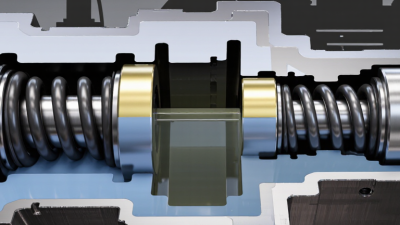
A metal bellows seal prevents fluid leakage where a rotating shaft enters a pump or mixer. Unlike a conventional seal, it uses a welded or formed metal bellows instead of a sliding spring assembly. The bellows flexes as the shaft moves axially. Its sealed folds also reduce the need for dynamic elastomers.

The sealing faces remain pressed together by bellows force and system pressure. One face usually rotates with the shaft, while the other stays stationary. A thin fluid film forms between them. This film reduces friction and heat. Correct face materials matter greatly when handling abrasive, corrosive, or high-temperature fluids. Even a small mismatch can cause rapid wear.

Selection should begin with operating details, not catalog appearance. Check pressure, temperature, shaft speed, fluid chemistry, and expected axial movement. Confirm the metal alloy can resist corrosion at the actual process temperature. Consider start-stop cycles too. They can be harder on the seal than steady operation. Installation alignment is equally important. Poor alignment may overload the faces and distort the bellows. I have seen reliable designs fail because the flush plan was ignored. That mistake is easy to repeat. Practical testing under real operating conditions remains valuable, especially when fluid behavior changes with temperature. A suitable metal bellows seal is not simply the strongest option. It is the one matched carefully to the equipment, fluid, and movement.

Which Operating Conditions Should Guide Your Seal Selection?

Choosing a metal bellows seal starts with the operating conditions, not the equipment name. Record the fluid, temperature, pressure, shaft speed, and expected movement. A clean liquid at 40°C behaves very differently from a hot, abrasive slurry. Pressure changes matter. Cycling can fatigue the bellows, even when average pressure seems acceptable.

Check whether the seal will face vacuum, pressure spikes, dry starts, or frequent shutdowns. These details influence bellows material, face materials, and secondary seal selection. Corrosive fluids may attack metal surfaces or elastomers through small chemical differences. Confirm compatibility with reliable technical data, not a general fluid chart. I have seen specifications overlook cleaning chemicals used only once a week. That “rare” exposure still caused damage.

Installation conditions also guide the choice. Verify shaft runout, equipment alignment, chamber dimensions, and available cooling. Excessive vibration can create uneven face loading and leakage. A seal designed for steady rotation may perform poorly during slow indexing or intermittent service. Ask for test conditions that resemble the real machine. Laboratory results are useful, but field behavior can be less tidy. Leave room for uncertainty. Recheck the selection after startup by monitoring temperature, leakage, vibration, and power consumption. Small details decide. A careful review of actual operating cycles usually produces a safer, longer-lasting seal choice.

How to Choose the Right Metal Bellows Seal?

Which operating conditions should guide your seal selection?

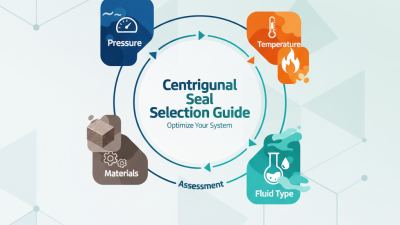
Selection should be based on the most demanding operating condition. Temperature determines bellows and secondary-seal material; pressure affects bellows stress and face loading; shaft speed influences heat generation; and abrasive or crystallizing media require careful face-material and flushing decisions. The values shown are practical screening ranges, not universal design limits. Final selection should be verified against the specific seal design, fluid compatibility, pressure, speed, and transient conditions.

How to Match Materials with Media, Temperature, and Pressure

Choosing a metal bellows seal starts with the process media, not the catalogue drawing. List its chemistry, concentration, solids, viscosity, and cleaning agents. Some fluids attack the bellows; others damage the stationary face or secondary seal. An alloy may resist the process while an elastomer fails during cleaning. That detail is easy to miss.

At operating temperature, check continuous heat, startup peaks, and thermal cycling. Do not use the normal reading alone. Pressure changes can distort seal faces, especially during pump startup or sudden valve closure. Match the bellows design, face loading, and pressure rating to steady and transient conditions. Vacuum service needs separate attention. Outgassing, reverse pressure, and poor lubrication can cause leakage at moderate temperatures. Real equipment is rarely steady.

Request compatibility data at the actual temperature and concentration, then verify it through controlled testing. Review shaft speed, installation tolerances, dry-running risk, and expected service life. In field inspections, leakage often begins after repeated heat cycles, not during the first pressure test. The first selection is sometimes too confident. Do not choose the strongest alloy automatically. A better face material or cooling path may solve the real problem. Document every assumption, because a small chemistry change can invalidate a careful selection.

How to Choose the Right Bellows Design and Seal Configuration

How to Choose the Right Metal Bellows Seal?

Choosing the right bellows design starts with the equipment, not the catalog. Record pressure, temperature, shaft speed, fluid properties, and expected axial movement. A welded bellows often suits demanding temperatures and vacuum service. A formed bellows may offer a practical option for moderate conditions and controlled costs. However, fatigue life can change sharply with pressure cycles and movement. Do not judge the design from temperature alone.

Seal configuration matters just as much. A balanced arrangement can reduce face loading under higher pressure. An unbalanced design may work well in lower-pressure equipment. Consider whether the bellows is rotating or stationary, and check the available installation space. Face materials must match the fluid and temperature. Secondary seals also need careful selection, especially when elastomers may harden or swell. In practical reviews, leakage often comes from incorrect operating assumptions, not the bellows itself. That point deserves more attention.

Tips: Measure real operating conditions instead of relying only on equipment ratings. Check startup, shutdown, dry-running, and pressure spikes. Confirm axial movement and shaft runout before selecting the seal. Ask for documented pressure, temperature, and cycle testing. A design that looks correct on paper may still fail during frequent starts. Recheck the details.

How to Choose the Right Metal Bellows Seal? - How to Choose the Right Bellows Design and Seal Configuration

Selection Dimension Option Typical Characteristics Advantages Limitations / Risks Recommended Application Conditions
Bellows Manufacturing Method Welded metal bellows Individual diaphragms are welded together; commonly used for compact, precision sealing assemblies. High flexibility, low friction, predictable axial movement, and good dimensional control. Weld quality and fatigue life are highly sensitive to design, alignment, and operating stroke. Suitable for high-cycle service, clean fluids, and applications requiring low closing-force variation.
Bellows Manufacturing Method Formed metal bellows Manufactured by hydraulic forming, roll forming, or similar processes from seamless or welded tube. Efficient production for longer bellows, smooth convolutions, and good corrosion resistance when properly specified. May require more installation space; forming and wall-thickness variation can affect fatigue performance. Suitable when longer axial travel, larger diameters, or production volume is required.
Bellows Movement Rotating bellows The bellows rotates with the shaft and is exposed to centrifugal forces and dynamic movement. Compact arrangement and commonly compatible with standard rotating-shaft seal layouts. More sensitive to balance, vibration, speed, and dynamic stress; excessive runout can shorten service life. Use when shaft speed, runout, balance, and bellows stress remain within the design limits.
Bellows Movement Stationary bellows The bellows remains stationary while the mating seal ring rotates with the shaft. Lower rotating mass and reduced centrifugal loading on the bellows; often beneficial at higher shaft speeds. May require more axial space and careful control of stationary hardware clearances. Preferable for high-speed equipment or where minimizing rotating bellows stress is important.
Bellows Ply Construction Single-ply bellows One metal layer carries the pressure boundary and cyclic movement. Lower radial size, simpler construction, and good heat transfer. Less redundancy and potentially lower pressure capability than a properly designed multilayer bellows. Use for moderate pressure, suitable temperature, and applications with well-defined fatigue requirements.
Bellows Ply Construction Multi-ply bellows Two or more thin metal layers share pressure and movement loads. Can improve pressure capability, flexibility, and fatigue performance when engineered correctly. More complex inspection; trapped fluid between plies may create a leakage or corrosion concern. Consider for higher pressure, demanding cycling, or when a compact flexible bellows is required.
Seal Arrangement Single seal One set of primary sealing faces separates the process fluid from the atmosphere. Simpler installation, lower cost, and reduced axial space. No secondary containment if the primary seal leaks; leakage may reach the surrounding environment. Use for non-hazardous or environmentally acceptable fluids with manageable leakage consequences.
Seal Arrangement Dual seal Two seal sets are arranged with a buffer or barrier fluid between them. Improved emissions control, containment, and protection against dry-running or contaminated service. Higher cost, greater axial length, and the need for a properly controlled support system. Recommended for toxic, flammable, volatile, abrasive, or legally regulated fluids.
Pressure Balance Balanced configuration Reduces the hydraulic closing force acting on the seal faces. Lower face loading, reduced heat generation, and better suitability for higher pressure or speed. More complex geometry and tighter dimensional requirements. Select when pressure, speed, fluid temperature, or heat generation makes an unbalanced design unsuitable.
Pressure Balance Unbalanced configuration A larger portion of process pressure acts directly on the seal faces. Simple, compact, and often economical for lower-pressure services. Higher face loading can increase frictional heat, wear, and sensitivity to pressure changes. Use only when pressure, speed, face materials, and cooling conditions are within the calculated limits.
Metal Material Austenitic stainless steel Common choices include 316L-type stainless steel for general corrosion resistance and fabrication. Good availability, weldability, and broad compatibility with many water-based and chemical services. Not suitable for every chloride, reducing-acid, or high-temperature environment. Choose after checking chloride level, pH, temperature, concentration, and corrosion data.
Metal Material Nickel-based corrosion-resistant alloy Used where stainless steel may suffer from pitting, crevice corrosion, or high-temperature degradation. Higher resistance to severe chemical exposure and elevated-temperature service. Higher material cost and potentially more demanding fabrication and inspection requirements. Consider for aggressive chemicals, high chlorides, sour service, or elevated temperatures after compatibility review.
Secondary Sealing Welded metal secondary seal The bellows provides both axial flexibility and the secondary pressure boundary. Eliminates sliding elastomer secondary seals and avoids shaft fretting or hang-up. Requires accurate welding, surface control, and fatigue-life verification. Preferred for high-temperature, high-purity, or crystallizing services where elastomers are unsuitable.
Secondary Sealing Elastomer secondary seal An O-ring or similar elastomer accommodates installation tolerances and static movement. Simple assembly, broad availability, and tolerance to some dimensional variation. Temperature, chemical compatibility, swelling, decompression, and aging can limit service life. Use only after confirming elastomer compatibility with the actual fluid, pressure, and temperature cycle.
Operating Temperature Elevated-temperature service Metal bellows can tolerate temperatures beyond many elastomer limits, but faces, gaskets, springs, and secondary materials remain limiting factors. Reduced dependence on elastomer flexibility and improved resistance to thermal degradation. Thermal expansion, oxidation, face distortion, and bellows fatigue must be evaluated together. Specify the maximum continuous and transient temperature, not only the normal operating temperature.
Fluid Condition Clean, lubricating fluid Provides a stable lubricating film between the seal faces and minimizes abrasive contamination. Supports longer face life and allows simpler flushing arrangements. Loss of lubrication or unexpected solids can still cause rapid face damage. Suitable for standard single-seal arrangements when pressure and temperature are moderate.
Fluid Condition Abrasive, crystallizing, or solids-bearing fluid Particles or deposits can damage faces, obstruct movement, or interfere with secondary sealing. A suitable flush, quench, separator, or dual-seal system can isolate the seal faces from contaminants. Poorly controlled solids can cause rapid wear, clogging, and bellows overloading. Use a protected seal arrangement and verify solids size, concentration, crystallization temperature, and flushing conditions.
Selection note: Pressure, temperature, shaft speed, shaft size, movement, fluid composition, solids content, leakage requirements, and the complete operating cycle should be verified by calculation and application testing. The listed characteristics are typical engineering guidance and are not universal operating limits.

How to Verify Performance, Installation, and Maintenance Requirements

How to Choose the Right Metal Bellows Seal?

Selecting a metal bellows seal starts with verified operating conditions, not guesswork. Record pressure, temperature, shaft speed, fluid chemistry, and expected cycling frequency. Check whether the seal handles startup, shutdown, and occasional dry running. These moments often expose weak designs. I have seen seals perform well during steady operation, then leak after repeated thermal changes. A qualified engineer should compare material compatibility, face loading, and allowable shaft movement against documented requirements. Small leaks matter.

Installation accuracy strongly affects performance. Inspect the shaft for scratches, runout, and correct diameter before unpacking the seal. Confirm the seal chamber is clean and properly aligned. Follow the specified compression setting, bolt torque, and set-screw position. Never force the rotating assembly into place. Measure twice. Even a suitable seal can fail when faces are touched, tilted, or contaminated. Record these measurements with photographs and signed inspection notes.

Verification should continue after startup. Use defined acceptance limits for leakage, temperature, vibration, and flush pressure. Monitor readings during cold operation and normal production, not only during a short trial. Compare actual values with the seal’s approved test data and applicable industry requirements. Maintenance teams should log trends and investigate gradual changes before visible leakage develops. A test plan can still miss unusual conditions, so review failures honestly and adjust inspection intervals when operating evidence demands it.