Leave Your Message

10 Tips for Choosing the Right Mech Seal Pump?

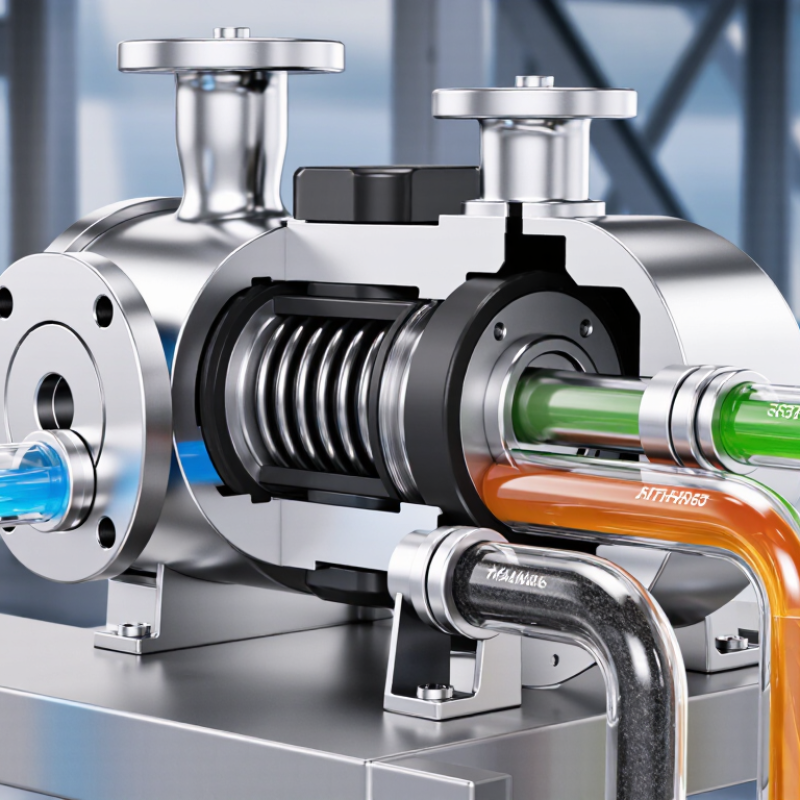
Choosing the right Mech Seal Pump is not simply a matter of matching size and price. The real decision begins with the liquid, operating conditions, and failure risks around the pump. Water, abrasive slurry, hot oil, and corrosive chemicals demand different sealing materials and support systems. A seal that survives clean water may fail quickly in a gritty process line.

Heinz P. Bloch, a respected rotating-equipment author, offers a practical warning: “A mechanical seal cannot compensate for a poorly selected or poorly operated pump.” That principle deserves attention. The seal face, elastomer, spring design, shaft condition, and flush arrangement must work together. Pressure matters. Temperature matters. So does dry running, even for a few seconds.

This guide presents ten practical tips for choosing the right Mech Seal Pump. It examines fluid properties, seal materials, API 682 considerations, installation quality, maintenance access, and total operating cost. You will also see why a cheaper pump can become expensive after repeated leakage, damaged bearings, and unplanned shutdowns. One uncomfortable truth remains: specifications on paper do not guarantee field performance. A carefully selected seal can still fail when alignment is poor or operators miss early vibration changes. That is why experienced engineers inspect the whole system, not just the seal cartridge. A perfect choice rarely exists. The reliable choice is the one that fits the application, the people, and the actual operating environment.

10 Tips for Choosing the Right Mech Seal Pump?

Define the Pumping Requirements and Operating Conditions

Before selecting a mechanical seal pump, define exactly what it must handle. Record the required flow rate, discharge pressure, suction conditions, and operating temperature. Fluid viscosity matters, especially during cold starts. Note whether the liquid contains abrasive particles, crystals, gas, or corrosive chemicals. Small details matter.

I once reviewed a pump specification based on normal flow alone. The equipment struggled during startup because the liquid became thicker overnight. That mistake showed why operating conditions must include both normal and abnormal periods. Check minimum flow, maximum pressure, speed changes, and expected shutdown cycles. Do not guess. Use measured data whenever possible.

The mechanical seal should match the fluid, temperature, pressure, and shaft speed. Seal faces, elastomers, and metal parts need suitable chemical compatibility. Consider dry running, vibration, pipe strain, and possible cavitation. A pump may perform well in a clean test tank but fail beside a poorly supported pipeline. I recommend checking site drawings, maintenance records, and process logs before approval. Leave a sensible operating margin, but avoid excessive oversizing. An oversized pump can waste energy and create unstable flow. Review the duty point with qualified engineers and verify the final selection against applicable safety and installation requirements. A tidy calculation is not always a correct one.

10 Tips for Choosing the Right Mech Seal Pump? - Define the Pumping Requirements and Operating Conditions

Use the following requirements and operating checks to match a mechanical-seal pump with the process fluid, duty point, installation conditions, and expected service life.

No. Selection Dimension What to Define Practical Selection Guidance Key Check
1 Required Flow Rate Establish the normal, minimum, and maximum flow rate in m³/h or L/min. Select the pump around the required duty point rather than the maximum possible flow. A typical operating point close to the pump's best-efficiency region can reduce vibration, heat generation, and seal wear. Confirm whether the process requires continuous flow, batch transfer, or variable-speed operation.
2 Total Dynamic Head Calculate static lift, discharge pressure, pipe friction, fittings, valves, filters, and any heat exchanger losses. Specify the required head in metres or pressure units at the design flow. Avoid selecting a pump solely by motor power because pressure and flow must be evaluated together. Include changes in liquid level and pressure at both the suction and discharge vessels.
3 Fluid Composition Record the liquid name, concentration, pH, dissolved gases, solids, crystallization tendency, and any additives. Match seal faces, elastomers, springs, and metal parts to the fluid's chemical compatibility. Abrasive particles may require a more robust seal arrangement or upstream filtration. Do not rely on water compatibility data for solvents, acids, caustics, or concentrated process chemicals.
4 Temperature Range Define normal, minimum, maximum, start-up, shutdown, and cleaning temperatures. Select seal materials and secondary seals for the complete temperature range. As a general engineering reference, many elastomers have different temperature limits, so the exact compound and fluid exposure must be verified. Consider thermal expansion, flashing at the seal faces, and heat from recirculation or throttling.
5 Pressure and Seal Environment Define suction pressure, discharge pressure, stuffing-box or seal-chamber pressure, and possible pressure spikes. Choose a seal design rated for the actual pressure and speed. A balanced seal is often considered when seal-chamber pressure or shaft speed is relatively high, subject to the manufacturer's engineering limits. Verify that the seal-chamber pressure remains above the liquid vapour pressure where required to prevent flashing.
6 Vapour Pressure and NPSH Obtain the liquid vapour pressure at operating temperature and calculate available net positive suction head. Ensure NPSH available exceeds NPSH required with an appropriate margin. Low suction pressure or hot liquid can cause cavitation, vibration, and mechanical-seal damage. Review suction pipe diameter, length, strainers, valves, elevation, and liquid level.
7 Solids and Viscosity Specify solids concentration, particle size, hardness, viscosity, and whether solids settle during stoppage. Use a pump and seal arrangement suitable for the actual viscosity and solids loading. High viscosity can reduce pump performance, while abrasive solids can accelerate face and sleeve wear. Identify plugging, sedimentation, dry-running risk, and the need for flushing or a solids-handling impeller.
8 Operating Speed and Control Define motor speed, start-stop frequency, variable-frequency-drive range, and expected speed changes. Confirm seal face speed, pump minimum continuous stable flow, motor cooling, and control-system compatibility. Frequent cycling may require attention to thermal and pressure transients. Keep operation within the pump's approved speed and flow range; avoid prolonged dead-heading.
9 Seal Support and Lubrication Determine whether the seal needs clean flush fluid, quench, buffer fluid, barrier fluid, cooling, or external lubrication. Use a suitable support arrangement when the pumped liquid is abrasive, volatile, toxic, crystallizing, hot, or a poor lubricant. A properly controlled barrier system can help prevent process leakage in double-seal applications. Define support-fluid pressure, flow, cleanliness, temperature, compatibility, and monitoring requirements.
10 Installation and Maintenance Review alignment, pipe strain, baseplate rigidity, coupling access, seal replacement space, and inspection intervals. Select a pump configuration that can be installed and serviced safely. Correct shaft alignment, clean assembly, adequate bearing support, and proper commissioning are essential for seal reliability. Provide dry-run protection, leak detection where needed, correct rotation verification, and documented start-up procedures.

Evaluate Fluid Properties, Temperature, Pressure, and Chemical Compatibility

Choosing the right mechanical seal pump begins with the fluid, not the catalogue. Identify viscosity, solids, vapor pressure, abrasiveness, and toxicity. The U.S. Department of Energy reports that pumping systems can consume 25% to 50% of industrial electricity. An unsuitable seal can also create leakage, downtime, and wasted energy.

Tip 1: Map the operating range. Record normal, minimum, and maximum temperature and pressure. A fluid at 120°C may behave very differently during cold starts. Check vapor pressure against suction conditions. Cavitation can damage seal faces quickly. API 682 and ISO 21049 provide useful selection frameworks for process pump seals, but field conditions still matter.

Tip 2: Test chemical compatibility. Do not judge compatibility from fluid names alone. Concentration, temperature, and exposure time can change elastomer performance. Consult verified compatibility charts, then request immersion or bench testing for uncertain mixtures. The National Association of Corrosion Engineers links corrosion control with lifecycle cost reduction, yet compatibility tables are not perfect. That deserves reflection.

Tip 3: Match materials to real contamination risks. Ceramic, carbon, silicon carbide, and metal components respond differently to particles and dry running. The Hydraulic Institute stresses that pump selection should reflect duty conditions, not only rated flow. Measure pressure pulsation and shaft movement when possible. Small details matter.

Leave a safety margin. Too much margin can increase cost and face loading. Too little can cause failure. Document every assumption before ordering. Future operators may not know what was overlooked.

Select Suitable Mechanical Seal Materials and Configurations

10 Tips for Choosing the Right Mech Seal Pump

Select Suitable Mechanical Seal Materials and Configurations

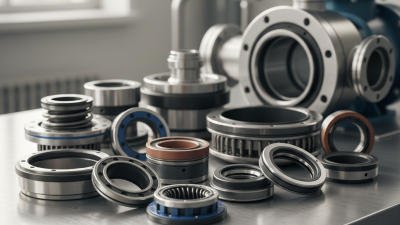
Mechanical seal selection starts with the pumped fluid, not the pump catalog. Field inspections often reveal swollen elastomers, worn faces, and leakage caused by simple incompatibility. Material choice decides life. Silicon carbide faces suit abrasive or corrosive services, while carbon faces perform well in clean, lubricating fluids. EPDM handles many water-based fluids, but it is unsuitable for petroleum products. FKM offers stronger resistance to oils and higher temperatures. Check concentration, temperature, pressure, solids content, and expected dry-running events before choosing.

Seal configuration matters equally. A balanced seal reduces face loading at higher pressures. A stationary design can improve stability when shaft movement is significant. For toxic, volatile, or environmentally sensitive fluids, a dual seal with a controlled barrier system provides additional protection. API 682 and ISO 21049 offer useful design guidance for process-pump sealing, but actual equipment conditions must still be verified. Not just the catalog.

Energy deserves attention. The U.S. Department of Energy’s Pumping System Assessment Tool guidance indicates that pumping systems can represent about 25% of industrial motor-system electricity use. DOE’s Motor Systems Market Assessment also identifies motor-driven equipment as a major industrial electricity load. Poor seal selection can increase friction, maintenance, and unplanned downtime. A slightly cheaper seal may become expensive after repeated replacements. I still see specifications copied without checking fluid chemistry. That shortcut needs reconsideration. Confirm tolerances, flush plans, face hardness, elastomer compatibility, and maintenance access with the pump manufacturer’s technical documentation.

Match Pump Capacity, Efficiency, Installation, and System Demands

10 Tips for Choosing the Right Mech Seal Pump

Tip 1: Define the duty point. Record flow, total head, fluid temperature, viscosity, and solids content. A pump rated only by horsepower may disappoint. Tip 2: Check capacity at the real operating point, not the catalog maximum. The U.S. Department of Energy reports that pumping systems can represent about 25% of industrial motor energy use. Small efficiency losses become expensive. Tip 3: Compare hydraulic efficiency and motor efficiency together. Tip 4: Avoid oversized pumps. They often require throttling, wasting energy and increasing seal stress.

Tip 5: Match the mechanical seal to the fluid and temperature. Abrasive particles need suitable faces and stronger protection. Tip 6: Confirm pressure limits during startup and shutdown. Tip 7: Inspect pipe alignment, support, and suction conditions before installation. The Hydraulic Institute identifies proper system design and maintenance as key factors in pump reliability. Tip 8: Leave enough space around the seal chamber for inspection. A practical detail, but frequently missed.

Tip 9: Review the complete system curve, including valves, filters, elevation, and future demand. Energy reports from the International Energy Agency show motor-driven systems consume more than half of global electricity, so efficiency deserves serious attention. Tip 10: Request test data, material certificates, and maintenance guidance. Ask difficult questions. The cheapest selection may not be the lowest-cost choice. I still see teams choosing from peak flow alone. That shortcut needs reconsideration.

Compare Maintenance Needs, Reliability, Total Cost, and Supplier Support

Choosing the right mechanical seal pump requires more than comparing flow rates and purchase prices. Start by checking seal materials against the liquid’s temperature, pressure, abrasiveness, and chemical behavior. Ask how often seals need adjustment or replacement under similar operating conditions. Inspect access around the seal chamber, because cramped maintenance spaces increase labor time and injury risks. Confirm whether standard tools can complete routine servicing.

Reliability depends on more than the pump casing. Review shaft alignment requirements, bearing life, vibration limits, and dry-run protection. Request test data, inspection records, and clear performance tolerances. A pump that performs well for three months may still disappoint over several years. That deserves attention. Include energy use, spare seals, downtime, labor, and disposal costs in the total-cost calculation. The cheapest quote can age badly.

Supplier support should be practical, not promotional. Check response times, technician availability, installation guidance, training, and spare-part delivery. Ask whether the supplier can analyze failed seals and provide a written cause report. This reveals technical maturity. Also verify warranty conditions and service coverage before signing. In real facilities, support quality often decides whether a minor leak lasts one hour or one shift. Some buyers overlook this because the initial specification feels complete. It rarely is. Get operating references from comparable applications, but question vague success claims and request measurable results.