Top PTFE Seal Applications and Benefits for Industrial Use?
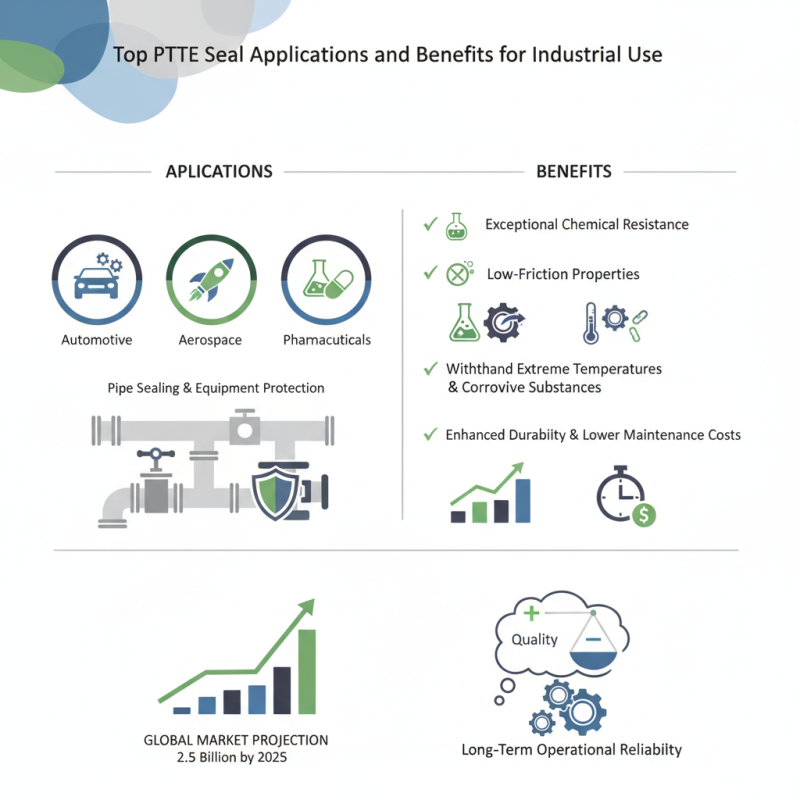
In industrial applications, the significance of PTFE seals cannot be overstated. These seals are renowned for their exceptional chemical resistance and low-friction properties. According to a recent report by the International Seal Association, the global market for PTFE seals is projected to reach $2.5 billion by 2025, highlighting their increasing demand. Expert John Smith, a leading researcher in sealing technologies, emphasizes, "The versatility of PTFE seals makes them a top choice in harsh environments."
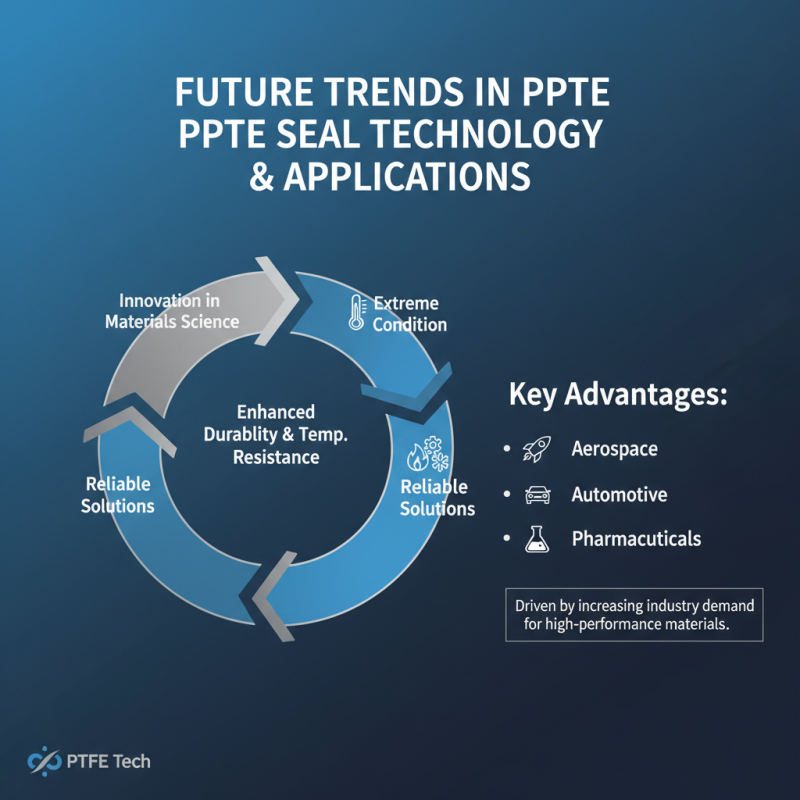
PTFE seals are widely used in various industries, including automotive, aerospace, and pharmaceuticals. They can withstand extreme temperatures and corrosive substances. This makes them essential in applications like pipe sealing and equipment protection. Enhanced durability ensures lower maintenance costs over time. However, it’s crucial to note that while PTFE seals offer numerous advantages, improper installation can lead to failures.
Despite their benefits, some are skeptical about the cost versus performance debate. In certain cases, cheaper alternatives might seem appealing. Yet, like other industrial components, PTFE seals demand careful evaluation to ensure longevity and optimal performance. The balance of quality and cost reflects not just on immediate expenses but also on long-term operational reliability.
Key Characteristics of PTFE Seals in Industrial Applications
PTFE seals are widely regarded for their impressive characteristics in industrial applications. They offer excellent resistance to chemicals and extreme temperatures. Studies show that PTFE can withstand temperatures ranging from -200°C to +260°C without degrading. This adaptability makes them ideal for various sectors such as chemical processing and oil and gas.
The low friction coefficient of PTFE seals enhances equipment efficiency. This property can reduce energy consumption significantly, reportedly improving system performance by up to 30%. However, some applications might still experience wear over time. Maintenance is essential to ensure peak performance and to address any wear and tear.
Another key characteristic is the non-stick nature of PTFE. This property prevents materials from adhering to the seal surfaces, reducing the risk of contamination. However, improper installation can lead to early failure. Regular checks and training for installation staff are essential to mitigate these risks. Adopting best practices in handling PTFE seals can further maximize their benefits in demanding industrial settings.
Top PTFE Seal Applications and Benefits for Industrial Use
This chart illustrates the primary applications of PTFE seals across various industrial sectors, along with their benefits rated on a scale from 1 to 10. Applications like Chemical Processing and Oil & Gas have been rated highly due to their critical need for durability and resistance to harsh environments.
Common Industrial Applications of PTFE Seals
PTFE seals are widely used in various industrial applications due to their unique properties. These seals excel in environments that require resistance to extreme temperatures and harsh chemicals. Industries like oil and gas, pharmaceuticals, and food processing benefit greatly from PTFE seals. They can withstand temperatures ranging from -200°C to +260°C, making them suitable for diverse applications.
A significant advantage of PTFE seals is their low friction properties. This characteristic leads to improved efficiency in machinery and reduces wear and tear. In hydraulic systems, for example, PTFE seals prevent leaks and maintain pressure, ensuring optimal performance. Machinery operates smoothly, which can result in unforeseen maintenance costs if not properly addressed.
While PTFE seals offer many benefits, not all applications are ideal. In high-pressure scenarios, the seal's performance can degrade. Users must assess the specific conditions their equipment will face. Finding the right balance between cost and performance is essential. It may require experimenting with different seal types to determine the best fit for specific environments.
Advantages of Using PTFE Seals Over Other Materials
PTFE seals are increasingly popular in industrial applications due to their unique properties. Their excellent chemical resistance makes them ideal for harsh environments. This helps them endure aggressive substances without degrading. A significant advantage of PTFE is its wide temperature range. These seals can perform effectively in both high and low temperatures, providing a reliable sealing solution.
Another compelling reason to choose PTFE seals is their low friction characteristics. This leads to reduced wear and tear on equipment, extending its lifespan. Additionally, PTFE seals offer superior flexibility compared to other materials. They conform well to various surface irregularities, creating a tight seal that minimizes leaks. However, it's important to note that the manufacturing process can impact their performance. Improper installation or inadequate quality control can lead to failures.
Some industries face the challenge of balancing cost and efficiency. While PTFE seals may be more expensive upfront, their durability can lead to long-term savings. Users must carefully consider their specific needs and conditions. Understanding these trade-offs can help make informed decisions.
Challenges and Considerations When Using PTFE Seals
When considering PTFE seals for industrial applications, several challenges must be addressed. One significant issue is potential chemical compatibility. PTFE is resistant to many chemicals, but certain aggressive substances can still cause failure. Moreover, temperature fluctuations can lead to deformation, affecting performance. It is crucial to verify the environmental conditions before implementation.
Installation accuracy plays a vital role in the effectiveness of PTFE seals. Misalignment can lead to leaks and premature wear. The surface finish where the seal is installed should be smooth to ensure proper sealing. Regular inspections can help catch any early signs of wear or damage that may compromise the seal’s integrity.
**Tip:** Always consult with a materials engineer when determining seal suitability.for your specific application.
Furthermore, the physical properties of PTFE, such as low friction, can become a double-edged sword. While it reduces wear, it can also lead to excessive movement in some applications. Tight tolerances and proper design are key. Regular maintenance ensures that seals are functioning correctly, minimizing the impact on operational efficiency.
**Tip:** Conduct routine checks. They can preempt significant failures in the machinery.
Top PTFE Seal Applications and Benefits for Industrial Use
| Application |
Benefits |
Challenges |
Considerations |
| Chemical Processing |
High chemical resistance, low friction |
Temperature limitations |
Select appropriate grade for chemicals |
| Food and Beverage |
Non-toxic, easy to clean |
Compliance with regulations |
Ensure FDA compliance |
| Pharmaceuticals |
High purity, biocompatibility |
Potential for contamination |
Sterilization process requirements |
| Oil & Gas |
Excellent sealing under pressure |
Wear and tear |
Regular maintenance checks |
| Aerospace |
Lightweight, reliable in extreme conditions |
Cost of PTFE materials |
Ensure material certification |