How to Choose the Best Pump Seal Kits for Your Needs?
Choosing the right pump seal kits can significantly impact your operations. According to industry expert James Thornton, “Selecting high-quality seal kits is crucial for efficiency.” His experience emphasizes the importance of reliable components.
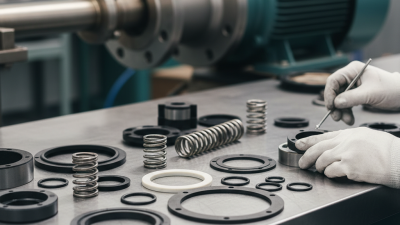
Pump seal kits come in various types. Each type serves specific applications and environments. Understanding your needs will help you make an informed choice. For example, harsh conditions may require robust materials like PTFE or ceramic seals.
Without proper research, you might end up with subpar kits. This could lead to frequent leaks or pump failures. It’s essential to analyze your pump specifications and operating conditions. Make a list of critical factors before purchasing your pump seal kits.
Understanding the Different Types of Pump Seal Kits Available
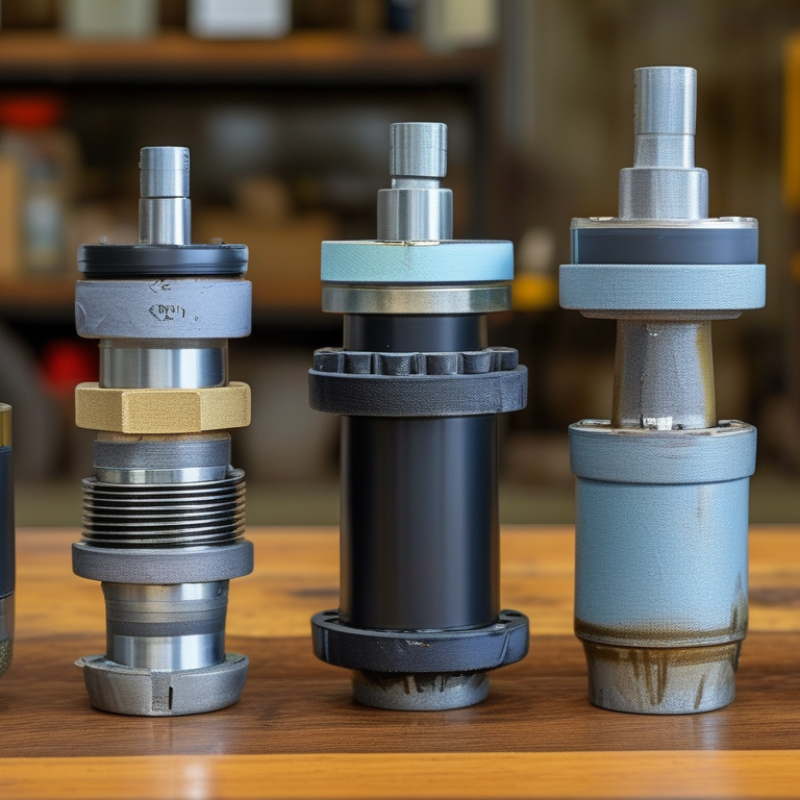
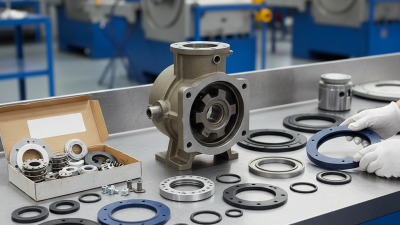
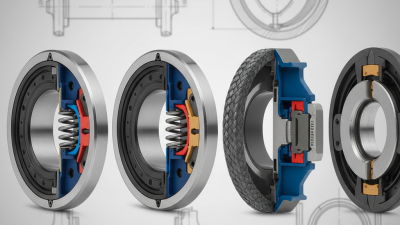
When selecting pump seal kits, it's crucial to comprehend the various types available. Common options include mechanical seals, lip seals, and O-rings. Each type serves distinct purposes. Mechanical seals are ideal for high-pressure applications, while lip seals are suited for less demanding environments. O-rings, versatile and simple, fit many situations.
The choice of material is equally important. For instance, rubber seals are great for low-temperature settings. However, they may not withstand high temperatures or aggressive chemicals. According to industry reports, nearly 30% of pump failures are due to seal failures. This emphasizes the need to choose the right seal kit.
Compatibility is another key factor. Ensure that the seal kit matches the pump's specifications. Mismatched seals can lead to costly leaks. Data from fluid dynamics studies indicate that proper sealing can increase efficiency by up to 15%. This highlights the significant impact proper selection can have on performance. Understanding these details can prevent operational issues and enhance system longevity.
Understanding the Different Types of Pump Seal Kits
Factors to Consider When Selecting a Pump Seal Kit
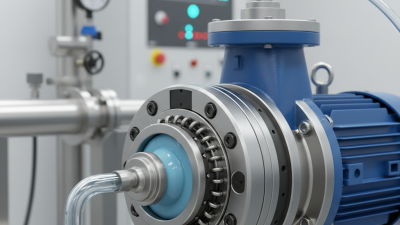
Choosing the right pump seal kit is crucial for maintaining efficiency and preventing leaks. When evaluating options, consider the type of pump you are using. Different pumps have distinct requirements. Understanding these requirements is the first step toward a smart choice.
Material compatibility is another key factor. Not all seals can withstand the same temperature or chemical exposure. Check the materials used in the seal kit. Ensure they are suitable for your specific application. Some materials might work well in certain environments but fail under others.
Tips: Always consult with professionals if unsure about your pump's needs. A simple mistake can lead to costly repairs. Perform regular inspections to determine if the seal integrity is compromised over time. Remember, even the best products can fail without proper maintenance.
Durability is also a major concern. How frequently will you operate the pump? High-frequency usage requires seals that can endure stress. Look for options that offer warranties or guarantees. This indicates manufacturer confidence in their product's reliability. Keeping these factors in mind is essential for making an informed decision.
Evaluating Material Compatibility for Pump Seal Kits
When selecting pump seal kits, material compatibility is crucial. The right material prevents leaks and extends the lifespan of pumps. Pump seals face various conditions. They contact solvents, acids, and high temperatures. Understanding these factors helps in making an informed choice.
According to data from the Fluid Sealing Association, nearly 55% of pump failures result from seal issues. Often, the wrong material leads to rapid wear and system failures. Common materials include nitrile, PTFE, and silicone. Each has unique properties suitable for specific environments. For instance, PTFE handles high chemical exposure well but may falter under extreme pressure.
Evaluating environmental conditions is essential. This includes temperature fluctuations and chemical reactions. A mismatched seal can result in catastrophic failures. Industry statistics highlight that seal failures cost manufacturers significantly. It’s vital to conduct thorough assessments and implement robust testing methods. This proactive approach reduces potential downtime and increases operational efficiency.
Assessing Pump Performance and Application Requirements
When assessing pump performance, it's vital to understand the specific application requirements. Different applications place different demands on pumps. For instance, a wastewater pump operates under harsh conditions, while a clean water pump may focus on efficiency and low maintenance. Knowing these differences can guide the choice of seal kits.
Pressure and temperature ratings are also critical factors. High-temperature operations may require seals with specialized materials. Regular testing of seals in actual conditions helps identify if they meet your needs. Look for signs of wear or leakage early. This proactive approach can save money and avoid downtime.
Consider the environment where the pump operates. Chemical exposure can deteriorate seals quickly. Ensure that the seal material is compatible with the fluids being pumped. Even a small mismatch can lead to failure. Balancing performance with application requirements requires careful evaluation and often, trial and error. Making informed choices can lead to better pump longevity and reliability.
Tips for Proper Installation and Maintenance of Seal Kits
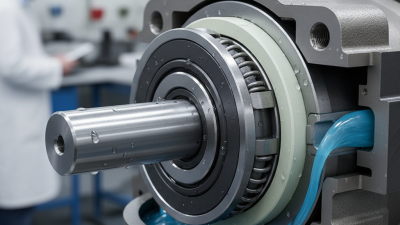
Proper installation and maintenance of pump seal kits are crucial for optimal performance. Begin by reviewing the manufacturer's guidelines. Each seal kit has specific requirements. Ensure you have all necessary tools and components on hand before starting. A clean workspace prevents contamination during the process. Installation involves careful alignment and secure fitting. Misalignment can lead to premature wear.
Regular maintenance is key to longevity. Check seals regularly for signs of wear or leakage. Address issues immediately to avoid costly downtime. Use appropriate lubricants to minimize friction and extend seal life. Not all lubricants are suitable for every application, so choose wisely. Record maintenance activities to track performance over time. Reflecting on past experiences can help improve future installation and maintenance processes. Always stay informed about best practices in seal kit management.