What Are the Best Bellow Seals for Your Industry Needs?
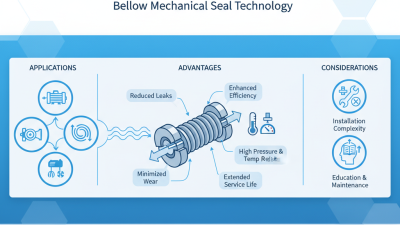
In various industries, the selection of Bellow Seals plays a crucial role in ensuring operational efficiency. These seals provide essential protection against leaks and environmental contamination. Their design allows for flexibility and movement, making them ideal for dynamic applications.
Each industry has unique needs that influence the choice of Bellow Seals. For example, the chemical industry requires seals that withstand corrosive substances. In contrast, the food and beverage sector demands seals that meet strict hygiene standards. Understanding these specific requirements can improve safety and prolong equipment life.
Finding the best Bellow Seals involves careful consideration. Many options exist, but not all meet the necessary criteria. It’s essential to evaluate factors like material, size, and compatibility. Businesses must avoid common pitfalls, such as choosing seals based solely on price. Making informed decisions can lead to better performance and reliability in challenging conditions.
Understanding Bellow Seals: Definition and Functionality
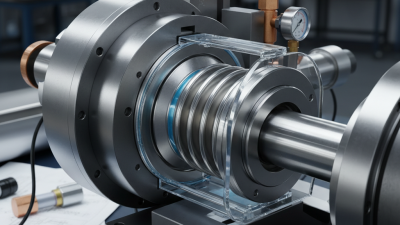
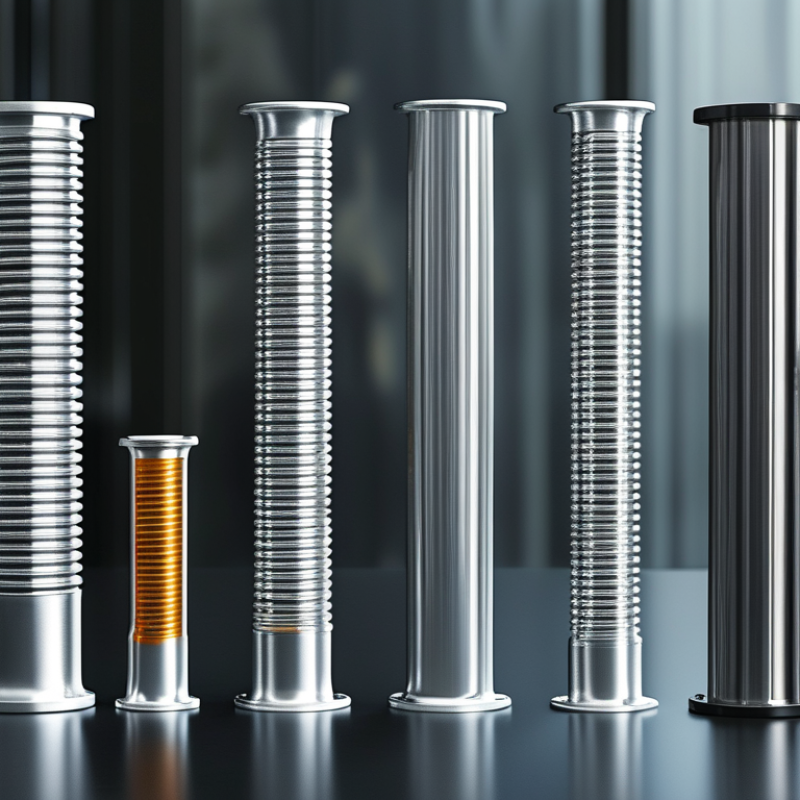
Bellow seals are crucial components in various industrial applications. They provide a reliable barrier against contaminants and leakage. Understanding the definition of bellow seals helps in choosing the right type for specific needs. Generally, they are flexible, foldable elements that protect the interface between moving parts.
The functionality of bellow seals is primarily to prevent the ingress of dust and liquids. They accommodate the movement of machinery while maintaining a tight seal. In industries like automotive and aerospace, the performance of bellow seals can significantly impact operational efficiency.
Selecting the best bellow seal requires knowledge of the environment in which it will operate. Factors like temperature, pressure, and chemical exposure are important. Misapproaching this choice can lead to failures and increased maintenance costs. It's essential to balance specifications with real-world conditions for optimal use.
Types of Bellow Seals: Materials and Applications
Bellow seals are crucial in various industries, offering flexibility and protection against contaminants. The choice of materials significantly influences their performance. Common materials include rubber, PTFE, and metal. Each material has unique properties that make it suitable for specific applications.
Rubber bellow seals are often used in automotive settings. They can handle vibrations well and provide a tight seal. Their elasticity allows them to adapt to different movements.
On the other hand, PTFE seals excel in chemical resistance. They are ideal for pharmaceutical and food processing environments. PTFE ensures that no harmful substances leach into products.
Metal bellow seals are known for high-pressure applications. They are typically used in oil and gas industries. While they provide great durability, they can be expensive and complex to install.
Each type of bellow seal has its pros and cons. The choice will depend on specific requirements, like temperature, pressure, and environmental factors. Understanding these details is key for making the right selection.
Factors to Consider When Choosing Bellow Seals for Your Industry
Selecting the right bellow seals for your industry requires careful consideration of various factors. The first aspect to evaluate is the operating environment. High temperatures, abrasive materials, or corrosive agents can significantly affect seal performance. Ensure that the materials used in the bellow seals are compatible with the specific conditions in which they will be applied.
Durability is another critical factor. Some applications demand seals that can withstand extreme wear and tear. Regular maintenance routines can help identify any early signs of deterioration. This preventive measure can save costs and avoid unexpected downtime.
Tips: Always assess the compatibility of the seal material with your specific application. Consider conducting stress tests to evaluate seal endurance under actual operational conditions.
Another aspect worth reflecting on is the installation process. A poorly installed bellow seal can lead to premature failure. Investing time in proper training or guidelines for installation can be invaluable. Sometimes, professionals recommend following manufacturer instructions closely, but your unique context may require adaptations.
Tips: Seek guidance from experienced personnel when installing seals. It’s beneficial to document your installation process for future reference.
Industry-Specific Requirements for Bellow Seal Selection
When selecting bellow seals, it is crucial to consider the specific requirements of your industry. Different sectors, such as pharmaceuticals, food processing, and chemical manufacturing, face unique challenges that affect their bellow seal needs. According to industry reports, the pharmaceutical sector requires seals that maintain sterility and withstand harsh cleaning processes. In contrast, the food industry prioritizes seals that can resist contamination and comply with health regulations.
Temperature ranges are another critical factor. Chemical manufacturing often deals with extreme temperatures and pressures. Therefore, bellow seals must have high endurance and flexibility under these conditions. Data indicates that seals should perform reliably at temperatures from -30°C to 200°C. Moreover, the material selection must reflect the chemical compatibility to avoid degradation, which often leads to seal failure.
Understanding your specific context is paramount. For example, seals in waste management industries require robust construction due to exposure to corrosive substances. This highlights the importance of tailoring seal choices to unique environmental and operational conditions. Industry data suggests that nearly 30% of seal failures are due to improper material selection. Thus, companies must invest time in evaluating their operational conditions before making decisions on bellow seals.
What Are the Best Bellow Seals for Your Industry Needs? - Industry-Specific Requirements for Bellow Seal Selection
| Industry |
Fluid Type |
Temperature Range (°C) |
Pressure Range (bar) |
Bellow Seal Material |
| Chemical Processing |
Corrosive Liquids |
-20 to 150 |
0 to 10 |
PTFE |
| Pharmaceutical |
Sterile Solutions |
0 to 200 |
0 to 5 |
Elastomer |
| Food and Beverage |
Liquid Foods |
0 to 100 |
0 to 6 |
Silicone |
| Oil and Gas |
Oil and Gases |
-30 to 120 |
0 to 20 |
Metal Composite |
| Automotive |
Coolants and Fuels |
-40 to 85 |
0 to 5 |
Thermoplastic |
Maintenance and Longevity of Bellow Seals in Operational Settings
Bellow seals play a crucial role in various industries, particularly in maintaining the efficiency of rotating equipment. Proper maintenance is essential for the longevity of these seals. Regular inspections help identify wear and damage early. This proactive approach prevents costly downtime and enhances performance.
Choosing the right material for bellow seals is equally important. Different industries may require specific materials based on their operational environments. For instance, seals in chemical processing need resistance to caustic substances. A knowledgeable technician can assess the environment to select the best option.
Additionally, lubrication affects the seal's lifespan. Insufficient lubrication can lead to increased friction and faster wear. Holding an appropriate lubricant level enhances performance and protects the seal. However, care should be taken as over-lubrication can also cause issues. Regularly reviewing these elements will support the effective operation of bellow seals, ensuring reliability in various applications.