










Understanding FDA-Compliant Seals for Modern Food Processing
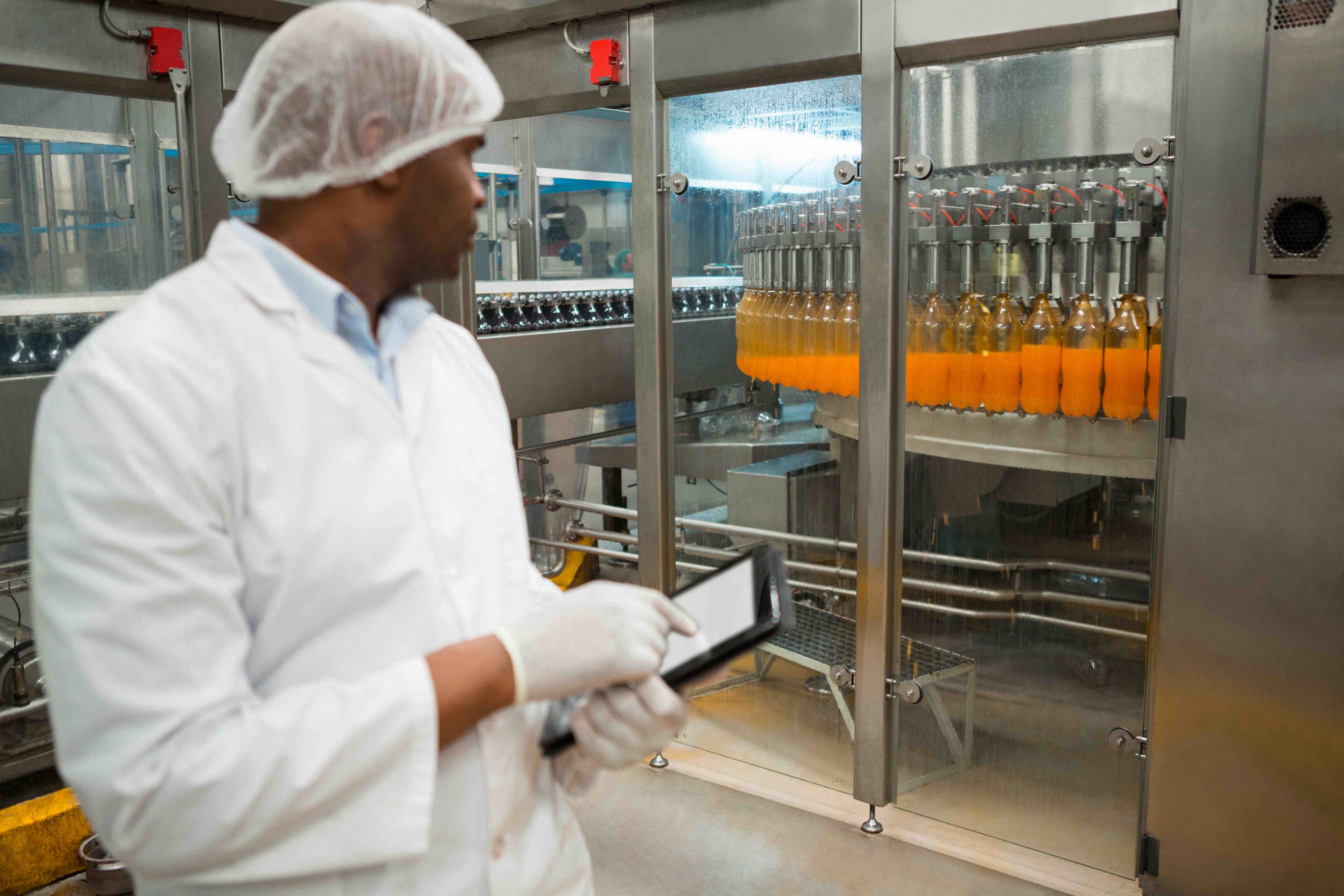
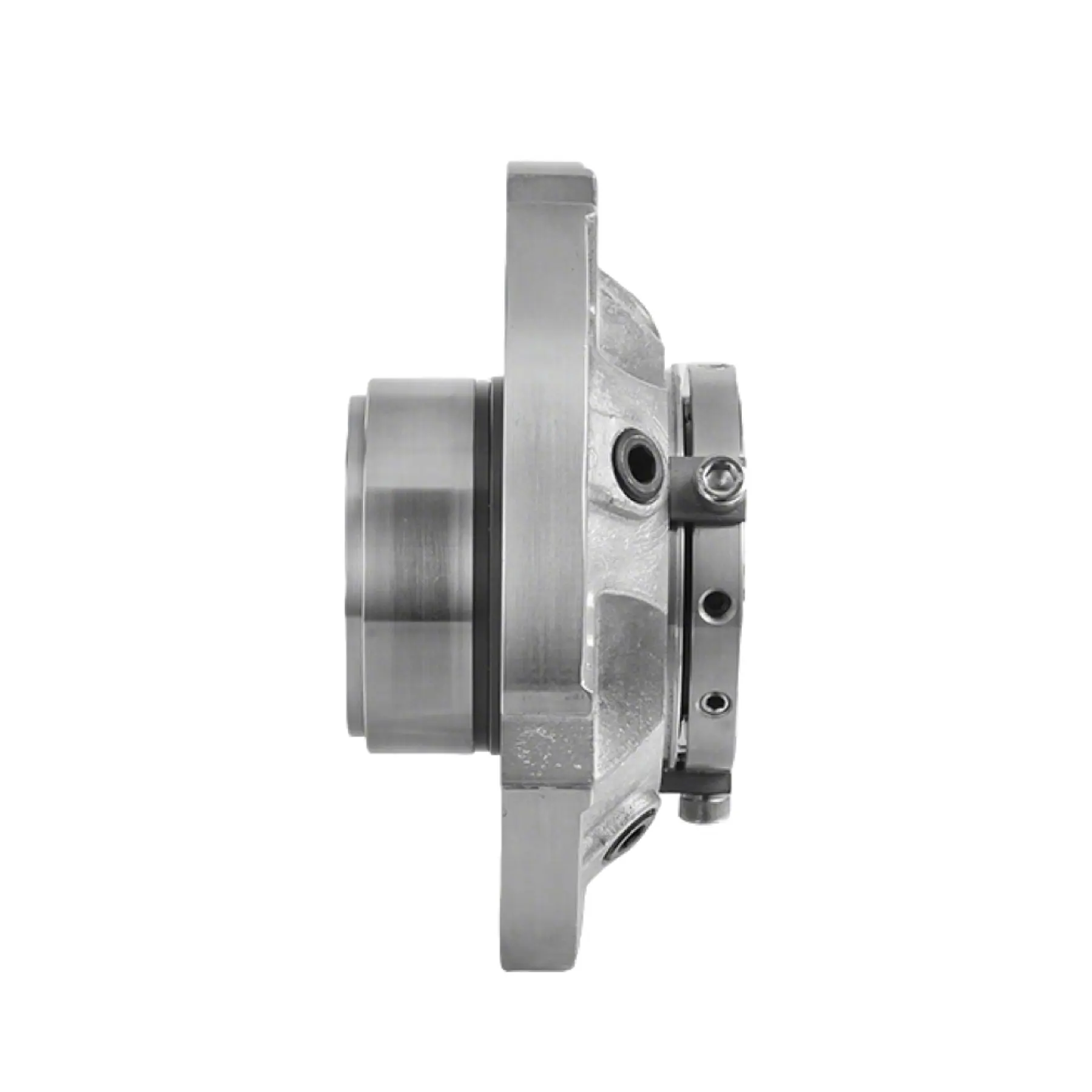
FDA-Compliant Seals are specialized components. They meet strict regulatory standards for safe use in food processing environments. These seals prevent contamination. Using non-food grade products or improper installation can lead to severe safety risks. A reliable hygienic mechanical seal ensures product integrity. GW SEAL offers various OEM seals meeting FDA standards for food and beverage applications.
Key Takeaways
- FDA-compliant seals are important. They keep food safe. They stop contamination in food processing.
- Many materials make FDA-compliant seals. Silicone, EPDM, and PTFE are common. Each material works best for different needs.
- Using the right FDA-compliant seals helps. It makes food processing run better. It also keeps costs down.
Defining FDA-Compliant Seals and Regulatory Standards
What Makes a Seal FDA-Compliant?
A seal earns the FDA-compliant designation by meeting specific criteria for food contact applications. These criteria ensure the seal does not contaminate food products.
- Regulatory Compliance: Adherence to strict FDA guidelines is essential. This involves thorough testing and certification. Materials must meet specific standards for chemical composition, durability, and resistance to various conditions. This prevents the release of harmful substances into food.
- Material Selection: The chosen material must comply with FDA regulations. It must also maintain its integrity under diverse conditions. Common choices include silicone for flexibility and temperature resistance, EPDM for durability, and certain plastics for versatility. These materials ensure no harmful chemical release.
- Temperature Resistance: Seals must maintain their integrity across a wide range of temperatures. These temperatures occur during food processing, packaging, and storage. Seals must remain flexible at sub-zero temperatures for freezer applications. They must also withstand high heat for cooking or pasteurization processes.
- Chemical Compatibility: The seal material must be compatible with various food substances. These include acids, oils, and other chemicals. This prevents contamination and degradation. Designers evaluate the chemical properties of the food. They select materials that resist adverse reactions.
- Mechanical Properties: Essential mechanical properties include flexibility, elasticity, and durability. The seal must form an effective barrier. It must conform to surfaces to prevent leaks. It must also withstand mechanical stresses during packaging, transport, and use. This requires stress tests, fatigue tests, and real-world simulations during the design phase.
Material Standards for FDA-Compliant Seals
Materials used in FDA-Compliant Seals must possess specific physical and chemical properties. These properties ensure safety and performance.
- Excellent Physical Properties: These materials feature a low compression set, excellent flexibility, and elongation. This makes them easy to cut and manipulate.
- Low Toxicity, Odor, and Taste: They inherently possess low toxicity, odor, and taste. This ensures no alteration or contamination of consumable items.
- Wide Operating Temperature Range: They can function in temperatures between -103° F and 500° F. They maintain flexibility at low temperatures and stability at high temperatures. They do not bubble or dry out.
- Non-marking white rubber: This prevents discoloration of food products.
- Flexibility: The materials exhibit a fair degree of flexibility.
- Resistance to Indentation: They are moderately resistant to physical indentation.
- Chemical Resistance: They have resistance to certain gases, liquids, and chemicals.
Manufacturers produce FDA-compliant seal materials from rubber compounding ingredients. These ingredients must be neither toxic nor carcinogenic, as established by the FDA. These compounds must also pass FDA extraction tests. Manufacturers are responsible for compounding food-grade materials from the FDA's approved ingredient list. They must ensure these materials meet necessary extraction requirements. Additionally, these materials need to withstand harsh food application environments. These environments include extreme temperatures, chemicals, water, and steam.
Essential Materials for FDA-Compliant Seals
Selecting the correct material is crucial for FDA-Compliant Seals. Each material offers unique properties suitable for specific food processing demands. Manufacturers choose these materials based on temperature, chemical exposure, and mechanical stress.
EPDM for FDA-Compliant Seals
EPDM (Ethylene Propylene Diene Monomer) is an essential material for FDA-compliant applications. It offers excellent resistance to steam and chemicals, making it ideal for industrial food processing environments. EPDM seals ensure consistent performance even under harsh cleaning and sterilization processes.EPDM also shows excellent resistance and compatibility with alkalis, mild and diluted acids, acidic and oxygenated solvents, alcohols, polar solvents, silicone oils and greases, sodium hydroxide solutions, detergents, acetamide, and ammonia. Its non-toxic, FDA-approved nature supports its use in food-related applications.
Manufacturers often prefer EPDM rubber in food processing for its exceptional resistance to steam and chemicals. This ensures consistent performance in industrial environments. While silicone offers versatility and other FDA-approved rubbers provide durability, EPDM is often the preferred choice for applications requiring specific chemical resistance. This guarantees both safety and performance.
Manufacturers prefer EPDM in separators, decanters, various valves (seat, double-seated), pipe couplings, aseptic flange connections, filling machines, CIP/SIP cleaning equipment, and kitchen appliances.
PTFE in FDA-Compliant Seals
PTFE (Polytetrafluoroethylene) is highly valued for its chemical inertness and non-stick properties. These characteristics make it an excellent choice for seals in food processing. PTFE resists highly acidic or alkaline products that can degrade traditional seals. Its non-stick surface also ensures easy removal of any residue after cleaning, which contributes to better hygiene. PTFE is non-toxic, making it widely used in the food industry.
PTFE gaskets offer significant advantages due to their non-stick properties and chemical resistance:
- Non-stick surface: This prevents the gasket from adhering to the flange or joint surface. It makes removal and replacement easy during maintenance and reduces wear on mating surfaces. This is crucial for hygiene and easy disassembly in food and beverage industries.
- Exceptional chemical resistance: Unlike traditional gaskets that degrade or swell when exposed to harsh acids, bases, and solvents, PTFE remains chemically inert. This prevents loss of elasticity and structural integrity in aggressive media, extending gasket life and reducing replacement frequency.
However, PTFE seals do have limitations. PTFE's inherently low elasticity compared to traditional elastomeric sealing materials presents a primary engineering challenge. PTFE exhibits a low elastic modulus and limited deformation recovery, indicating poor elastic memory after compression. Meanwhile, PTFE seals have limitations in low-pressure sealing, often requiring system pressure for effectiveness and performing poorly in vacuum applications. Energizing mechanisms may be necessary for low-pressure static sealing.
Other Approved Materials for FDA-Compliant Seals
Beyond EPDM, and PTFE, several other materials receive FDA approval for food contact seals. These materials offer specific properties for diverse applications.
Other FDA-approved materials include:
- FDA Buna-N (Nitrile)
- FDA Viton® (FKM)
- Markez® FFKM
- Delrin
- UHMW (Ultra-High Molecular Weight Polyethylene)
- Peek
- Polyurethane
- Polypropylene
- Nylon
Nitrile (NBR / Buna-N) can be compounded to meet FDA standards. This indicates its potential for use in applications requiring FDA approval. Viton and Nitrile seals are commonly used in various FDA-compliant settings:
- Food processing equipment: Used in mixers, pumps, and valves.
- Pharmaceutical manufacturing: Applied in sterilization chambers and drug packaging machinery.
- Medical devices: Functions as seals in diagnostic and surgical equipment.
- Beverage production: Utilized in dairy, brewing, and soft drink processing systems.
For FDA compliance, these materials must be non-toxic, have low extractables, and resist cleaning agents, heat, and pressure.
Applications and Benefits of FDA-Compliant Seals

FDA-Compliant Seals in Processing Equipment
Food processing facilities rely on specialized seals for various equipment. These seals ensure hygienic operations and prevent contamination. Manufacturers use a wide array of seals in pumps and valves within food processing lines. These include gaskets, such as non-metallic, custom die cuts, and spiral wound types. Hydraulic and pneumatic seals, like bellows, piston, and rod seals, also play a crucial role. Furthermore, O-rings and other seals, including back-up rings, braided packings, and spring-energized mechanical seals, are essential. Specific examples include O-ring pusher seals (e.g., Type 4620P, Type R33), elastomer bellows seals (e.g., Type 2100, Type 4111), and metal bellows seals (e.g., Type 4615, Type 5615). Dry-running mixer and agitator seals (e.g., Type 32, Type 32D) and hygienic design agitator seals (e.g., Type 5280) also contribute to equipment integrity.
Ensuring Product Safety with FDA-Compliant Seals
FDA-compliant seals are vital for maintaining product safety. They prevent microbial ingress and cross-contamination in food processing equipment. These seals create a physical barrier against microbial contamination. They prevent leaks and spills in equipment like mixers and blenders. Seals must consist of FDA-approved, non-toxic, and non-allergenic materials. This ensures they do not contaminate food products or pose health risks. Seals are designed to resist the accumulation of bacteria and other harmful contaminants. This maintains food purity throughout processing. Metal bellows seals, for instance, feature tight clearances and precision engineering. This prevents leaks and the entry of contaminants. Their corrosion resistance and flexibility for thermal expansion maintain a consistent, leak-free seal. Using non-compliant seals can lead to severe consequences. These include compromised product integrity, consumer health risks, and regulatory non-compliance. Such seals can also result in counterfeiting, contamination, and spoilage.
FDA-Compliant Seals are indispensable for modern food processing. They prevent contamination and ensure product integrity. Proper material selection and strict regulatory compliance are paramount. These factors guarantee consumer safety and adherence to industry standards. Businesses must prioritize these seals for operational excellence.
FAQ
What is the primary purpose of FDA-compliant seals?
FDA-compliant seals prevent food contamination. They ensure product integrity and consumer safety. These seals meet strict regulatory standards for food processing environments.
Which materials are commonly used for FDA-compliant seals?
Common materials include silicone, EPDM, and PTFE. Manufacturers select these based on temperature, chemical exposure, and mechanical stress requirements for specific applications.
Why does material selection matter for FDA-compliant seals?
Material selection ensures seals perform effectively. It prevents contamination and meets regulatory standards. Proper materials guarantee product safety and operational efficiency.