




Ultimate Guide for Optimizing Mechanical Seals in Chemical Plants
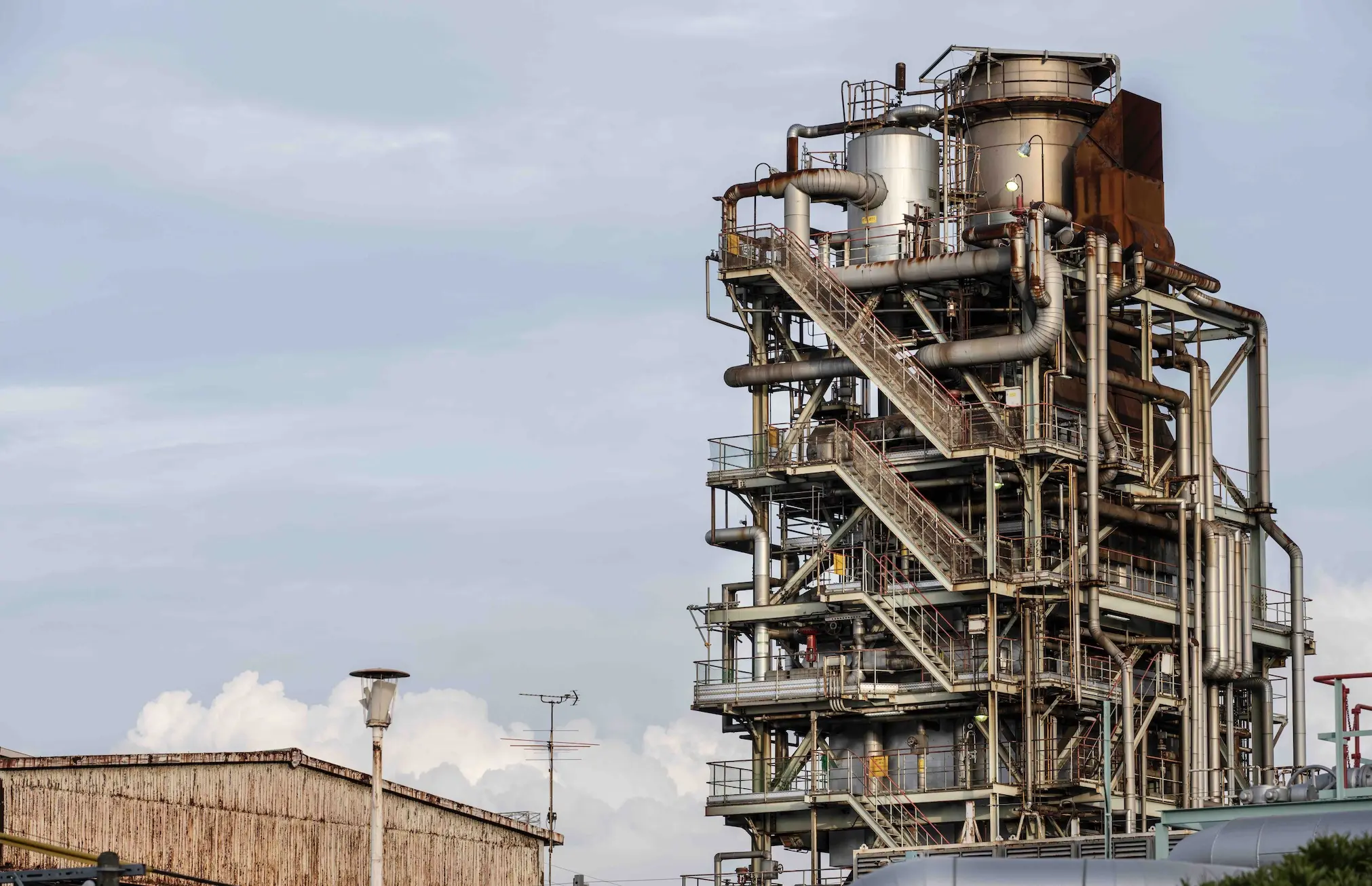
Reliable mechanical seals are crucial for operational continuity in chemical plants. Proper chemical process seal selection directly impacts safety and environmental compliance. Optimizing your chemical processing pump seal reduces downtime and operational costs. GW SEAL provides high-quality solutions.
Key Takeaways
- Mechanical seals are very important in chemical plants. They stop dangerous chemicals from leaking. This keeps people safe and protects the environment.
- Choosing the right mechanical seal is key. You must think about the chemicals, how hot or cold it gets, and how the equipment works. This helps the seal last longer and work well.
- To make seals reliable, install them correctly. Also, check them often and fix problems quickly. This helps avoid breakdowns and saves money.
Understanding the Role of Mechanical Seals in Chemical Processes
What Defines a Mechanical Seal?
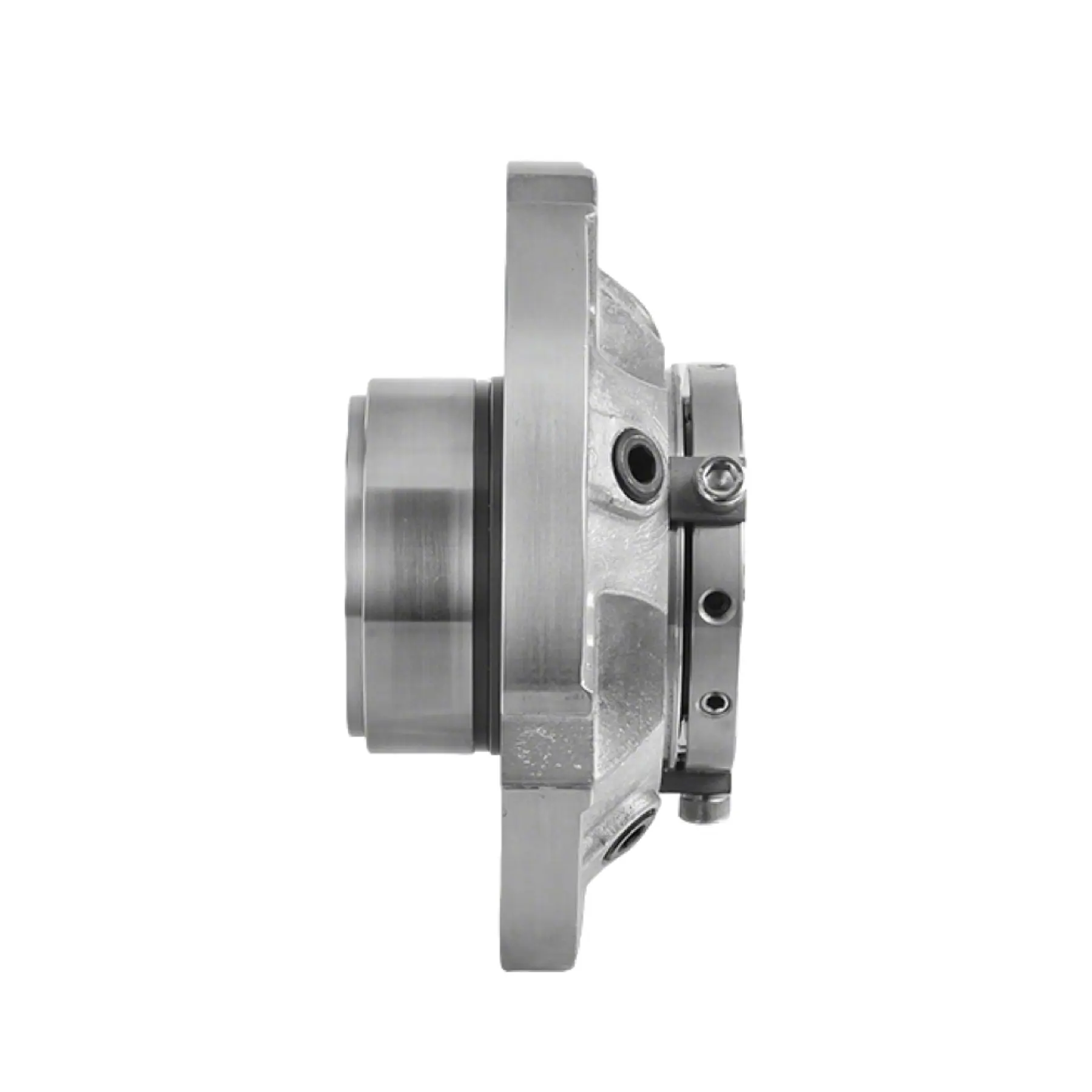
A mechanical seal is a device that seals the gap between a rotating shaft and a stationary housing. It primarily controls fluid leakage, rather than completely preventing it. Mechanical seals achieve this through two main surfaces: one rotates with the shaft, and the other remains stationary. A wafer-thin film of fluid forms between these surfaces. This film lubricates the sealing faces, reducing friction and preventing premature wear and equipment failure. Springs and fluid pressure maintain contact between the faces, ensuring a secure seal even under varying conditions. Mechanical seals perform several critical functions:
- They prevent fluid leakage between a rotating shaft and a stationary pump housing.
- They keep process fluid inside the equipment.
- They protect equipment from external contaminants.
- They contain fluid within the system.
- They maintain internal pressure.
- They avoid fluid loss.
- They prevent environmental contamination.
Why Mechanical Seals are Indispensable in Chemical Plants
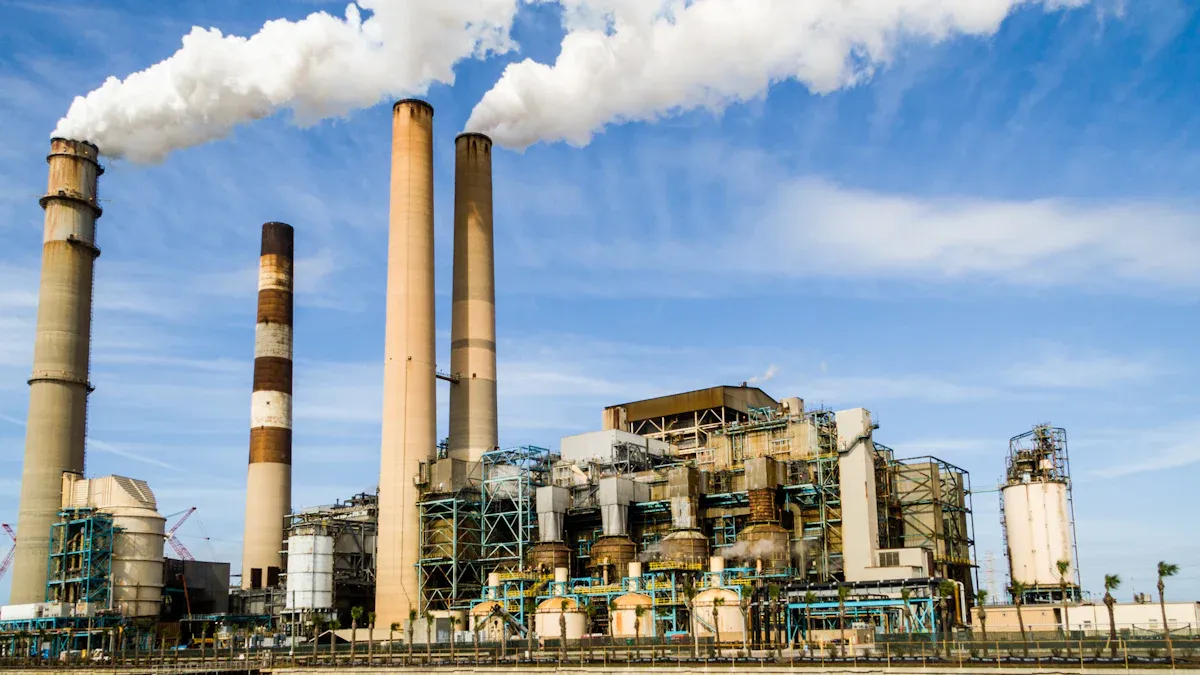
Mechanical seals are crucial components in chemical plants. They ensure the safe and efficient operation of rotating equipment like pumps, mixers, and agitators. These seals prevent hazardous chemicals from escaping into the environment, protecting personnel and complying with strict environmental regulations. A reliable chemical process seal maintains system integrity, preventing costly downtime and production losses. Their ability to contain aggressive fluids and maintain pressure makes them essential for continuous operational continuity.
Common Challenges Leading to Seal Failure
Several factors can lead to mechanical seal failure in chemical plants. Improper installation is a frequent cause, often resulting from incorrect alignment or inadequate tightening. Material incompatibility between the seal components and the process fluid can cause corrosion or degradation, leading to leaks. Operating conditions outside the seal's design limits, such as extreme temperatures or pressures, also contribute to failure. Excessive vibration from equipment or piping, and the presence of abrasive particles in the fluid, can accelerate wear on the seal faces.
Critical Factors for Chemical Process Seal Selection
Selecting the correct mechanical seal for chemical processing applications is a complex task. Engineers must consider numerous variables to ensure optimal performance, safety, and longevity. A thorough evaluation of process fluid characteristics, operating conditions, and equipment design is essential for making informed decisions.
Analyzing Process Fluid Characteristics
The nature of the fluid a mechanical seal handles directly dictates material choices and seal design. Understanding these characteristics prevents premature seal failure and ensures operational integrity.
- Chemical Compatibility: The seal material must resist degradation from the process fluid. Aggressive chemicals can rapidly attack less resistant materials, leading to leaks and equipment damage. For example, Viton elastomers resist strong acids, oils, and solvents. EPDM, however, suits water-based chemicals but not hydrocarbons. Ensuring compatibility prevents material degradation and leakage.
- Temperature and Pressure: These operating conditions determine the required material properties. High-temperature applications demand robust seal materials. High viscosity at ambient temperature can cause face materials to blister due to fluid shear forces at high operating temperatures. This often requires pre-heating or heat tracing.
- Wear Resistance: Applications involving frequent movement and friction require materials with excellent wear resistance. This extends the mechanical seal's life. For instance, tungsten carbide and silicon carbide are highly effective in abrasive environments containing slurries or particulates.
- Fluid State: Engineers must consider whether the fluid is liquid, gas, or a slurry. Changes in product state, such as vaporization of hydrocarbons if not kept cool, can lead to dry running and rapid face wear in dual seal arrangements.
- Lubricity: The fluid's lubricating properties affect the seal face materials. Poorly lubricating fluids require faces designed for dry running or with external lubrication.
Evaluating Operating Conditions
Operating conditions significantly influence mechanical seal performance and reliability. Engineers must account for the full range of expected conditions.
- Temperature Range: Extreme temperatures directly impact seal components. Higher temperatures cause materials to expand, while lower temperatures cause shrinkage. This affects critical components if it exceeds design tolerance. Thermal shock can fracture seal faces from sudden cooling. Heat checking, or cracking due to differential thermal expansion, often occurs on seal faces. Elevated temperatures can damage O-rings, causing them to expand and potentially crack seal faces. Conversely, very low temperatures can make O-rings brittle and warp seal faces.
- Pressure Variations: High pressures can lead to seal extrusion or deformation. Mechanical seal designs must operate effectively under fluctuating pressures. High-pressure pumps demand materials that retain structural integrity without cracking or deforming. Stainless steel for seal holders combined with hard faces like silicon carbide or tungsten carbide are ideal choices.
- Speed Requirements: High shaft speeds generate frictional heat, which can degrade seal materials. Low-friction materials like PTFE are suitable for high-speed rotation.
- Environmental Factors: External environmental conditions, such as ambient temperature or the presence of corrosive atmospheres, can also affect seal integrity. Engineers must select materials and design features carefully to manage these challenges. This includes using advanced elastomers and thermoplastics with superior chemical resistance. Incorporating protective features like barrier fluid systems or environmental controls mitigates the impact of these variations on the chemical process seal.
Considering Equipment Design and Dynamics
The design and operational dynamics of the rotating equipment play a crucial role in seal selection and longevity.
-
Shaft Runout: This refers to the deviation of a rotating shaft from its ideal circular path.
- Radial Runout: Side-to-side shaft movement causes intermittent seal face separation, leading to leakage and uneven wear.
- Axial Runout (Endplay): Forward-and-backward shaft movement creates axial displacement between seal faces, reducing sealing efficiency.
- General shaft runout, caused by worn bearings, bent shafts, or poor machining, leads to increased leakage, accelerated seal wear, vibration, and noise. It also causes seal face separation, resulting in dry-running and heat, ultimately reducing seal life.
-
Vibration: Vibration, regardless of its cause, directly affects mechanical seal faces. It indicates potential damage and reduced lifespan.
- Operating a pump outside its Best Efficiency Point (BEP) can induce vibration due to recirculation and cavitation.
- Increased RPM, especially with impeller or shaft imbalance, amplifies vibration.
- System degradation and wear, particularly through imbalance, also induce vibration. Using pumps and industrial gearboxes outside their intended design specifications is a primary cause of imbalance.
- Shaft Deflection: Excessive shaft deflection can cause uneven loading on the seal faces, leading to premature wear and leakage.
- Equipment Type: Different equipment types (pumps, mixers, agitators) have unique sealing requirements. A pump seal may differ significantly from an agitator seal due to varying shaft speeds, pressures, and potential for solids.
- Installation and Alignment: Proper installation and precise alignment are critical. Misalignment can introduce stresses and vibrations that shorten seal life.
Material Selection for Optimal Chemical Process Seal Performance
Choosing Seal Face Materials for Chemical Compatibility
Selecting the correct seal face materials is paramount for a durable mechanical seal. Carbon-Graphite is a common choice. It offers self-lubrication, good thermal conductivity, and low friction. Manufacturers can impregnate it with various resins or metals to enhance strength and chemical resistance. Silicon Carbide provides excellent hardness, wear resistance, and corrosion resistance. It suits abrasive fluids and high-pressure applications. Tungsten Carbide is also very hard and wear-resistant, ideal for abrasive conditions. Alumina Ceramic is hard and wear-resistant, suitable for corrosive applications. These materials ensure the integrity of a robust chemical process seal.
Selecting Elastomers for Chemical Resistance and Temperature
Elastomers require careful selection for chemical resistance and temperature. PTFE (Polytetrafluoroethylene) resists strong industrial chemicals. It maintains integrity in temperatures above 500⁰F (260 °C) for extended periods. FKM (Viton) offers excellent high-temperature resistance up to 225⁰F (107 °C). It resists oils, fuels, lubricants, and most mineral acids. For the most extreme environments, perfluoroelastomers like Kalrez® are essential. Kalrez® provides unmatched chemical resistance and exceptional thermal stability, making it ideal for chemical reactors.
Identifying Suitable Metal Components and Alloys
Metal components and alloys provide structural integrity for mechanical seals. Engineers select these based on their resistance to corrosion from process fluids and the surrounding environment. Stainless steel is a common choice for its good corrosion resistance. However, it is generally not hard enough for primary seal faces. Specialized alloys like Hastelloy or Inconel offer superior corrosion resistance in highly aggressive chemical services. Ni-Resist, a nickel-containing cast iron, provides good corrosion resistance, especially in seawater applications.
Types of Mechanical Seals for Chemical Plant Applications
Component Seals Versus Cartridge Seals
Mechanical seals come in various configurations. Component seals consist of individual parts. Engineers assemble these parts directly onto the equipment shaft and in the stuffing box. This design offers greater flexibility. It allows engineers to customize the seal for specific equipment, operating conditions, and performance needs. Component seals provide easier access to individual parts for repair or replacement. They are widely used in industrial settings like pumps, mixers, and agitators where customization is critical. Chemical plants favor component seals when adaptability is necessary in challenging sealing environments. This includes applications with high temperatures, aggressive chemicals, abrasive media, or unique operational parameters.
Cartridge seals are pre-assembled units. They include the seal faces, gland, and sleeve. Installers slide these units onto the shaft as a single piece. This design simplifies installation and reduces the chance of errors.
Single Seals Versus Double Seals
Seal arrangements also vary. Single seals use one set of primary sealing faces. They are common in applications where leakage of the process fluid poses minimal risk. Double mechanical seals, however, feature two sets of primary sealing faces. A barrier fluid circulates between these two sets. This design offers enhanced safety and reliability. Double mechanical seals are mandated for applications involving toxic, flammable, or environmentally sensitive chemicals. A single seal failure in these cases could lead to catastrophic consequences. They are crucial in chemical handling for preventing exposure to toxic, corrosive, or volatile chemicals. They also prevent contamination in pharmaceutical and food processing. They are particularly valuable when handling chemicals subject to strict environmental regulations.
Balanced Versus Unbalanced Seal Designs
Mechanical seals also differ in their pressure handling. Unbalanced seals use process pressure to push the seal faces together. This design is simpler but can lead to high face loading and heat generation, especially at higher pressures.
Balanced seal designs modify the seal face area. This reduces the hydraulic force pushing the faces together. Balanced seals offer several advantages. They reduce heat generation and provide a longer lifespan. They are highly durable and ideal for high-pressure applications. These designs can handle high capacities of poor lubricity fluids. They are also useful for industries related to light hydrocarbons, ensuring a reliable chemical process seal.
Essential Seal Support Systems for Chemical Process Seals
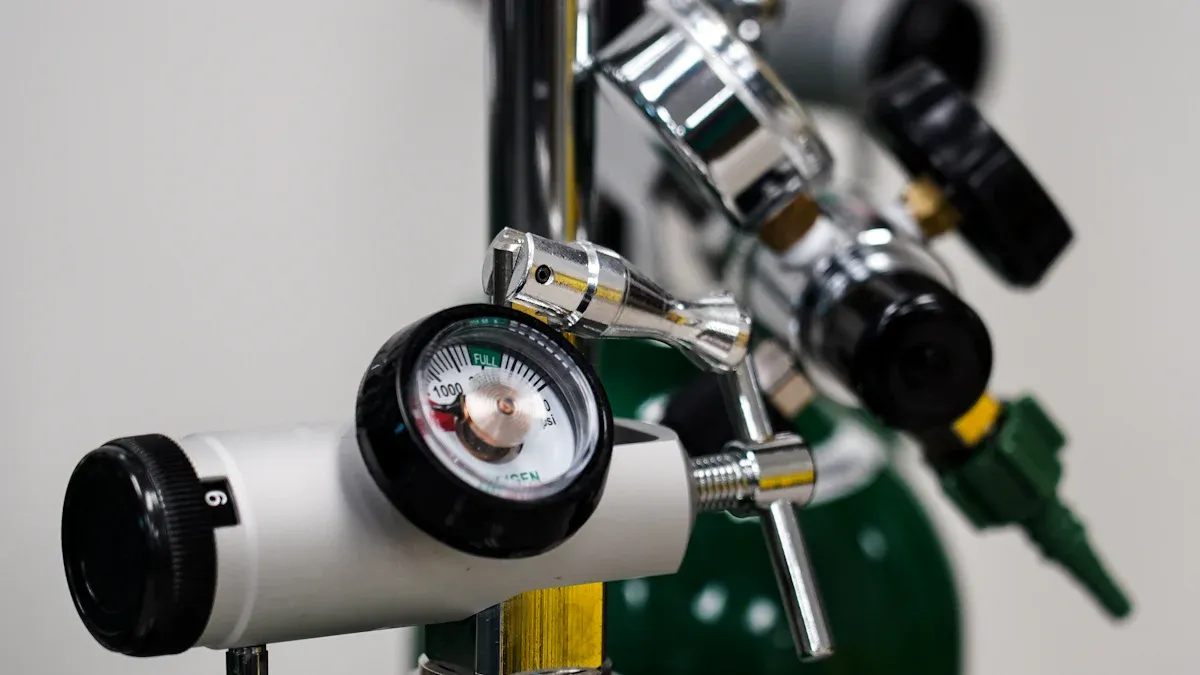
Effective seal support systems are vital for optimizing mechanical seal performance in chemical plants. These systems ensure proper lubrication, cooling, and environmental control, directly impacting seal longevity and operational safety.
Selecting API Flush Plans for Chemical Services
API flush plans deliver clean fluid to the seal faces, preventing premature wear and failure. For abrasive slurries, specific plans offer robust protection. Plan 31 recirculates process fluid through a cyclone separator. It sends clean fluid to the seal chamber and returns particulates to the pump suction. This plan works best when particulates are twice as dense as the process fluid. Plan 41 is similar to Plan 31 but includes cooling. This makes it suitable for abrasive fluids and slurries needing temperature control. API Plan 41 combines a cyclone separator and a heat exchanger. It delivers a clean, cooled flush to the mechanical seal. This plan effectively removes solids, improves cooling, and reduces wear in solid-laden fluids. Industries use API Plan 41 in slurry pumps, chemical processing, mining, and power generation. Dual mechanical seals are also recommended for toxic, hazardous, or abrasive fluids. They ensure proper lubrication when the process fluid lacks it, protecting the chemical process seal.
Implementing Quench and Drain Systems
Quench systems prevent atmospheric contamination and extend seal life. They isolate the sealed fluid from the atmosphere. This maintains a controlled environment within the quench chamber. The quench fluid acts as a barrier, stopping hazardous substances from escaping. This minimizes environmental contamination and personnel exposure. Quench systems also extend seal life by providing effective cooling and lubrication. They protect against adverse conditions like crystallization. A consistent flow of quench fluid maintains a stable sealing environment. This reduces wear on seal faces and minimizes thermal and mechanical stresses.
Utilizing Barrier Fluid Systems for Enhanced Safety
Barrier fluid systems are crucial for double mechanical seals, especially with hazardous chemicals. The barrier fluid must be compatible with the process media, seal materials, and storage tank materials. It should not contain hazardous pollutants and must be non-flammable. Ideal barrier fluids are safe to store, handle, and use. They remain stable at ambient temperatures and offer good flow rates. They should also be non-foaming, non-gas absorbing, and provide excellent lubricity. Good heat transfer rates are also essential. Water is an excellent barrier fluid due to its high thermal conductivity and good compatibility. However, it is unsuitable if it reacts dangerously with the process fluid. Oils offer greater thermal stability and less likelihood of freezing. Paraffinic-based oils with specific viscosities are often preferred.
Optimizing Mechanical Seal Reliability and Longevity
Achieving optimal reliability and longevity for mechanical seals in chemical plants requires a systematic approach. This involves meticulous installation, proactive monitoring, and effective troubleshooting. These practices minimize downtime, reduce operational costs, and enhance overall plant safety.
Best Practices for Installation and Commissioning
Proper installation is the cornerstone of mechanical seal reliability. Even advanced technology seals will not survive bad installation practices. When piping connected to equipment nozzles is pulled into place with mechanical assistance, and a seal fails as a direct result, the fault is often incorrectly attributed to the seal itself. This highlights that meticulous installation, rather than just the seal type, is crucial for reliability. Mechanical seals suffer premature failure when installed on equipment with existing mechanical issues like deflection or run-out. Slurry and high particle mediums also negatively impact seals if flush fluid balance is not maintained. Properly installed and stabilized mechanical seals should achieve 3-5 years of useful service, indicating that shorter lifespans often point to installation or equipment issues.
Installation errors such as contamination, face distortion, improper torquing, and dry starts are frequently cited as causes of premature seal failure in pulp and paper systems. These issues, often exacerbated by fatigue, inadequate tools, or production pressures, lead to reduced Mean Time Between Failures (MTBF). Ergonomic deficiencies in repetitive tasks like seal insertion also increase variability and failure rates. Conversely, trained teams have reduced installation errors by approximately 30%, improving seal performance and overall reliability.
Proper installation significantly boosts MTBF:
| Intervention | Typical MTBF Boost | Pulp & Paper Example |
|---|---|---|
| Maintenance Training | 20–50% | Reduced failures in high-pressure hot water pumps, extending MTBF from 6 months to >18 months. |
| Ergonomic Tools | 15–40% | Minimized errors in refiners, adding 25% via precise alignment. |
| Combined Approach | 50–100%+ | Integrated programs doubled MTBF in challenging environments, with rapid ROI. |
Key steps ensure correct mechanical seal alignment during installation:
-
Pre-Installation Preparation:
- Verify Compatibility: Ensure the seal model, size, and material match equipment requirements.
- Clean All Components: Use a lint-free cloth and compatible cleaning agents for the seal, shaft, seal chamber, and gland.
- Inspect for Damage: Check the seal for defects (cracks, deformations) and ensure the shaft surface is smooth.
- Seal Compatibility Check: Confirm the mechanical seal is compatible with the fluid, equipment model, and shaft size, referring to manufacturer datasheets.
- Component Inspection: Examine all seal components (faces, springs, elastomers, O-rings) for damage, wear, or defects like cracks, chips, or scratches. Check elastomers for hardness and flexibility, and springs for rust or deformation.
- Shaft and Housing Inspection: Inspect the shaft for eccentricity, ovality, or surface defects, ensuring a smooth finish (typically Ra 0.2–0.8 μm). Check the housing bore for wear, misalignment, or debris.
- Dimensional Verification: Use precision measuring tools (calipers, micrometers, dial indicators) to confirm shaft diameter, housing bore diameter, and the distance between the shaft shoulder and housing face for correct depth.
-
Installation of the Mechanical Seal:
- Lubricate: Apply a thin layer of compatible lubricant to the shaft or sleeve.
- Install Seal on Shaft: Slide the seal assembly onto the shaft, ensuring correct orientation and avoiding damage to sealing faces.
- Position Seal: Position the seal within the pump according to manufacturer specifications, often involving specific depth or alignment.
-
Precision Assembly:
- Ensure Coaxiality: Measure shaft runout with a dial indicator; it should not exceed the specified limit (typically ≤0.1mm).
- Set Proper Compression: Follow manufacturer instructions for adjusting seal compression, removing cartridge seal setting clips only after final tightening.
- Align the Seal Faces: Ensure stationary and rotating seal faces are perfectly parallel, avoiding tilting.
- Tighten Bolts Evenly: Use a torque wrench to tighten gland bolts in a crisscross pattern for uniform pressure.
-
Reassembly:
- Reassemble Components: Carefully reassemble other equipment parts (impellers, bearings, housing), ensuring proper alignment.
- Tighten Fasteners: Secure all bolts and fasteners to the torque specifications provided by the equipment manufacturer.
-
Post-Installation Verification: Confirm installation quality.
Other crucial steps include:
- Ensure all pump components are clean.
- Align the seal faces accurately.
- Lubricate the O-rings.
- Tighten the assembly to manufacturer-recommended torque values.
- Follow step-by-step instructions specific to your seal type.
- Inspect the shaft and seal components for damage or wear before installation.
- Make sure the area is clean and free of contaminants.
- Check compatibility of the seal material with the pumped fluid.
- Confirm alignment to avoid premature failure.
Strategies for Routine Monitoring and Maintenance
Consistent monitoring and maintenance are essential for extending mechanical seal life and preventing unexpected failures. Early detection of degradation allows for proactive intervention, minimizing costly downtime. Key parameters to monitor for early detection of mechanical seal degradation include seal face temperature, pressure, vibration, wear, and fluid leakage.
Acoustic characteristics, particularly the 'Reciprocal Variation' from Surface Acoustic Waves (SAW) technology, are crucial for early detection of mechanical seal degradation. This characteristic value describes the shift in transmission time of individual acoustic pulses based on the lubricant film condition. Monitoring these acoustic variables allows for the detection of damaging events and wear, such as the evaporation of media in the seal gap leading to insufficient lubrication and solid contact, or the presence of abrasive particles causing damage to sliding surfaces. The BestSens system, for instance, immediately detects changes in the lubricant film through an increased 'Reciprocal Variation' when abrasive media are introduced, indicating artificially induced damage and increased wear.
Various monitoring technologies help identify potential issues:
| Monitoring Technology | Issues Detected |
|---|---|
| Acoustic Emission (AE) sensors | Detects early signs of wear, cavitation, and dry running by monitoring high-frequency stress waves. |
| Vibration analysis | Identifies imbalances, misalignment, and bearing wear that can indirectly affect seal performance. |
| Thermal imaging | Detects abnormal temperature increases due to friction or insufficient cooling, indicating seal distress. |
| Pressure sensors | Monitors pressure fluctuations across the seal, which can indicate seal face separation or excessive leakage. |
| Flow meters | Measures leakage rates, providing direct evidence of seal failure. |
| Proximity sensors | Detects changes in the axial position of the seal faces, indicating wear or damage. |
| Ultrasonic testing | Identifies internal flaws, cracks, or material degradation within the seal components. |
| Oil analysis | Detects contamination or degradation of the barrier fluid, which can impact seal lubrication and cooling. |
| Electrical current monitoring | Monitors motor current fluctuations, which can indicate increased friction or load on the pump due to seal issues. |
| Visual inspection | Regular visual checks for signs of leakage, corrosion, or physical damage to the seal and surrounding components. |
| Data analytics and AI | Analyzes data from various sensors to predict potential failures and optimize maintenance schedules. |
| Fiber optic sensors | Provides real-time monitoring of temperature, pressure, and strain in harsh environments. |
| Infrared thermography | Detects hot spots on the seal surface, indicating excessive friction or inadequate cooling. |
| Laser alignment tools | Ensures proper alignment of pump and motor shafts, reducing stress on mechanical seals. |
| Strain gauges | Measures deformation or stress on seal components, indicating potential overload or fatigue. |
| Chemical analysis of leakage | Identifies the composition of leaked fluid, helping to pinpoint the source and nature of the seal failure. |
| Remote monitoring systems | Allows for continuous monitoring of seal performance from a central location, enabling proactive intervention. |
| Wireless sensor networks | Facilitates data collection from multiple sensors in hard-to-reach areas, improving monitoring coverage. |
| Digital twin technology | Creates a virtual replica of the mechanical seal to simulate its behavior and predict performance under various conditions. |
| Machine learning algorithms | Processes large datasets from sensors to identify patterns and anomalies indicative of impending seal failure. |
Troubleshooting Common Seal Issues in Chemical Plants
Despite best practices, mechanical seals can still encounter issues. Identifying the root cause of failure is critical for effective troubleshooting and preventing recurrence. The most common root causes of premature mechanical seal failure in chemical plants include:
- Incorrectly installed seals.
- Seal deterioration due to high heat.
- Poor resistance of seal materials to the sealed fluid.
- Restricted seal motion where faces are opened.
A more detailed list of common failure causes includes:
- Improper Installation: Incorrect installation practices, such as misalignment, are a leading cause of premature wear and leakage.
- Contamination: Abrasive particles in the pumped fluid can rapidly wear seal faces, reducing sealing effectiveness.
- Seal Face Damage: Damage from mishandling, improper cleaning, or debris can compromise the tight seal created by the polished faces.
- Runout and Shaft Deflection: Excessive shaft movement can cause uneven contact and premature wear of seal faces.
- Dry Running: Lack of lubrication or fluid flow leads to overheating and rapid wear of seal faces.
- High Temperatures: Operating seals beyond their design temperature limits causes thermal degradation.
- High Pressure: Exceeding the seal's rated pressure range can lead to failure.
- Chemical Incompatibility: Using materials not compatible with the fluid can result in swelling, softening, or chemical attack.
- Cavitation: The formation and collapse of vapor bubbles can cause pitting and erosion on seal components.
- Vibration and Misalignment: Excessive vibration or misalignment disrupts seal function, leading to wear.
- Aging and Wear: Natural friction between seal faces over time leads to wear and eventual leakage.
- Lack of Maintenance: Neglecting regular checks, component replacement, and lubrication contributes to failures.
When troubleshooting, engineers should systematically investigate these potential causes. They should start with visual inspections for obvious damage or leaks. Then, they should review operating logs for deviations in temperature, pressure, or vibration. Finally, they should analyze maintenance records for recent installations or repairs. This methodical approach helps pinpoint the exact problem and implement the correct solution.
Optimized mechanical seals drive plant efficiency and safety. They prevent costly downtime and protect the environment. Informed selection, meticulous installation, and consistent monitoring are crucial takeaways. A proactive approach to mechanical seal management delivers long-term value, ensuring reliability and significant cost savings.
FAQ
What is the primary benefit of optimizing mechanical seals?
Optimizing mechanical seals enhances operational continuity and safety. It reduces costly downtime and prevents environmental contamination. This ensures compliance and boosts plant efficiency.
How does GW Seal support mechanical seal optimization?
GW Seal offers high-quality, reliable mechanical seal solutions. These solutions meet diverse industrial needs. They provide advanced technology and efficient service for optimal performance.
What are common indicators of mechanical seal failure?
Visible fluid leakage, increased seal face temperature, and unusual equipment vibration are common indicators. These signs suggest potential seal degradation.