








Types of Mechanical Seals
Mechanical seals are widely used in industries such as oil and gas, chemical processing, water treatment, and pharmaceuticals. Mechanical seals offer superior performance compared to traditional packing seals, as they reduce friction, minimize wear, and enhance operational efficiency. There are several types of mechanical seals, each tailored to specific applications and operating conditions. Below, we explore the most common types.
1. Pusher & Non-Pusher Seals:
Pusher seals are one of the most versatile and widely used types of mechanical seals. They consist of a primary sealing face and a secondary sealing element, such as an O-ring or bellows. The unique feature of pusher seals is their ability to accommodate axial movement, making them suitable for applications where shaft deflection or thermal expansion occurs. They are commonly used in pumps handling high-pressure or high-temperature fluids.
Unlike pusher seals, non-pusher seals do not rely on axial movement to maintain contact between the sealing faces. Instead, they use flexible components like bellows to compensate for wear or misalignment. Non-pusher seals are ideal for applications involving abrasive or corrosive media, as they are less prone to clogging or damage.
2. Balanced & Unbalanced Seals:
Balanced seals are designed to handle high-pressure environments by reducing the hydraulic load on the sealing faces. This is achieved by incorporating a balance ratio, which ensures that the pressure on the seal faces is evenly distributed. Balanced seals are commonly used in applications such as hydrocarbon processing and high-pressure pumps.
Unbalanced seals are simpler in design and are typically used in low-to-moderate pressure applications. They are less expensive than balanced seals but may experience higher wear rates under extreme conditions. Unbalanced seals are suitable for general-purpose pumps and less demanding environments.
3. Cartridge & Split Seals:
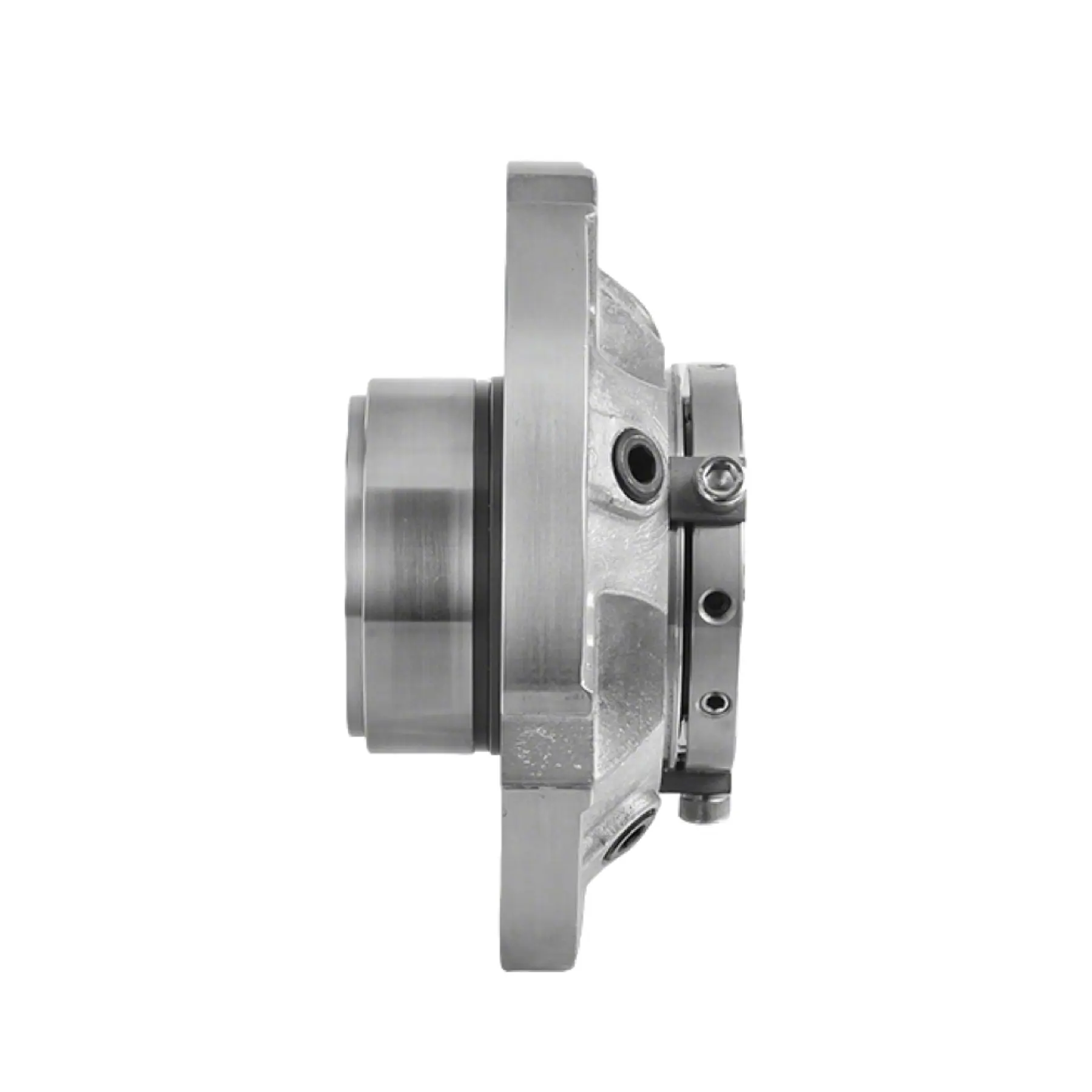
Cartridge seals are pre-assembled units that include all the necessary components, such as the seal faces, springs, and glands. They are easy to install and reduce the risk of improper assembly, making them a popular choice for maintenance and repair operations. Cartridge seals are widely used in industries where downtime must be minimized.
Split seals are designed for applications where disassembling the equipment is impractical or time-consuming. As the name suggests, these seals are split into two halves, allowing them to be installed without removing the shaft or other components. They are commonly used in large pumps and mixers.
4. Gas Lubricated Seals:
Gas lubricated seals, also known as dry gas seals, use a thin layer of gas to separate the sealing faces. They are primarily used in compressors and turbines, where they offer low friction and minimal wear. These seals are highly effective in handling high-speed and high-pressure applications.
5. Double Seals:
Double seals consist of two sets of sealing faces arranged in tandem or back-to-back configurations. They are used in applications where leakage prevention is critical, such as in hazardous or toxic fluid handling. Double seals often include a barrier fluid to enhance sealing performance.
In conclusion, mechanical seals are essential for ensuring the reliability and efficiency of rotating equipment. The choice of seal type depends on factors such as pressure, temperature, fluid characteristics, and operational requirements. By selecting the appropriate mechanical seal, industries can achieve optimal performance, reduce maintenance costs, and minimize environmental risks.