








Solving Misalignment Issues to Prevent Slurry Pump Seal Failures
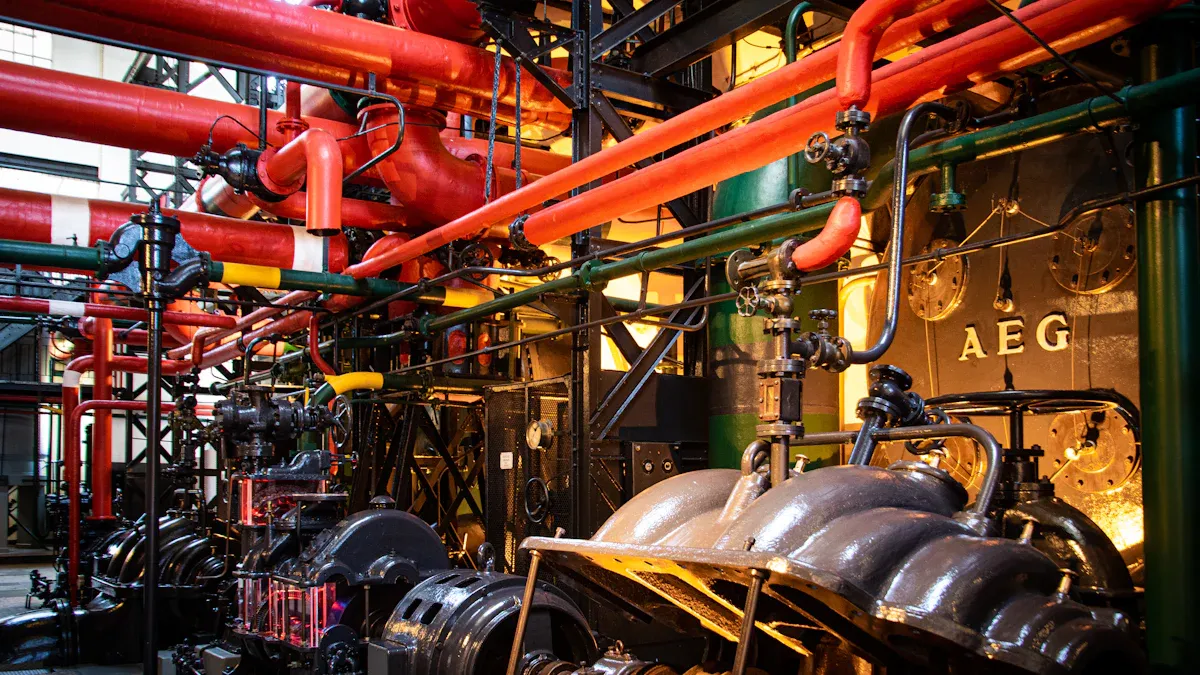
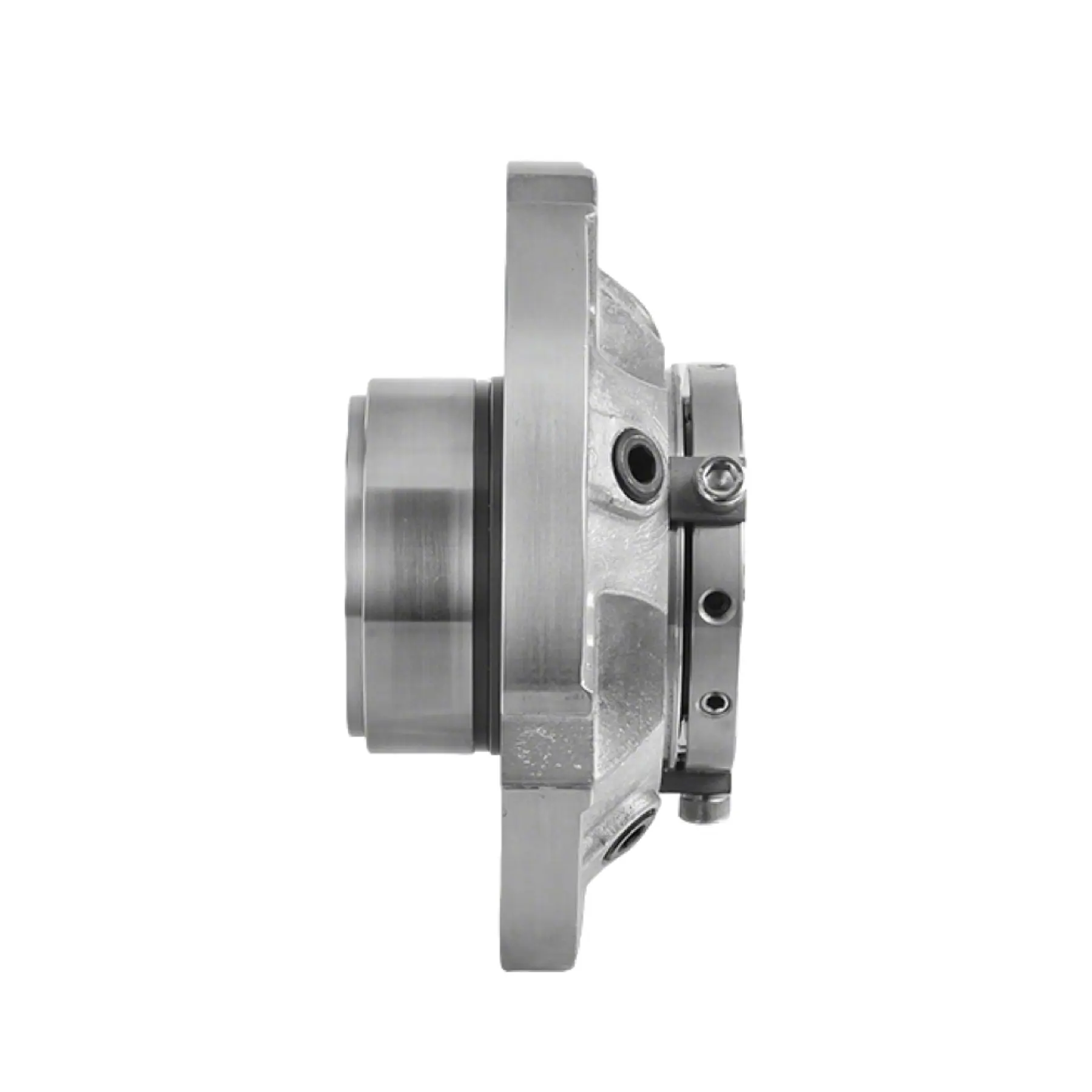
Preventing misalignment in slurry pumps is crucial for maintaining operational efficiency. Misalignment directly leads to slurry pump seal failures, compromising equipment integrity. Mining operations must adopt proactive measures to ensure proper alignment of the slurry pump seal, safeguarding against costly downtime and enhancing overall productivity. Implementing reliable flygt pump seal solutions can further mitigate risks associated with mechanical seal in mining applications, ensuring optimal performance and longevity of the equipment.
INSIGHTS:
- Regular alignment checks are crucial. Use laser tools and monitor vibration levels to ensure optimal performance.
- Implement effective maintenance practices. Regular inspections and proper management of components can prevent costly seal failures.
- Neglecting misalignment can lead to severe consequences. Increased wear and financial losses highlight the importance of proactive measures.
Causes of Misalignment
Misalignment in slurry pumps often stems from various factors that can compromise their efficiency and longevity. Understanding these causes is essential for effective maintenance and operation.
Installation Errors
Installation errors frequently lead to misalignment. Common mistakes include:
| Installation Error | Symptoms/Consequences |
|---|---|
| Improper installation of bearings | Short bearing life, overheating, vibration |
| Drive misalignment | Overheating, short bearing life, vibration |
| Non-concentricity between motor and pump | Overheating, leakage, vibration |
| Shaft running off-centre | Short bearing life, leakage, vibration |
| Packing improperly installed | Short life of packing, leakage |
| Misalignment | Leakage from stuffing box, excessive motor power required |
These errors can create uneven load distribution, leading to premature failures.
Operational Factors
Operational factors significantly contribute to misalignment. For instance, incorrect installation can cause uneven load distribution. Additionally, bearing wear and tear can lead to shaft deflection. Soft foot conditions, where a motor foot does not rest flatly, can induce vibrations that further exacerbate misalignment. External shocks and continuous vibrations also play a role, as they can shift alignment over time. Thermal variations, such as high temperatures causing pipe expansion, can increase nozzle loading and misalignment risks.
Environmental Influences
Environmental factors, particularly in mining operations, can greatly affect slurry pump alignment. Extreme temperatures can cause thermal expansion or contraction of materials, leading to misalignment. Excessive vibration from cavitation or imbalance can also subject pump components to oscillating forces, further contributing to misalignment. Mining sites often face unique challenges, such as altitude effects and earthquake activity, which can significantly impact pump performance and longevity.
Solutions for Alignment
Proper alignment of slurry pumps is essential for preventing seal failures. Implementing effective solutions can significantly enhance the longevity and performance of these critical components.
Alignment Checks
Regular alignment checks are vital for maintaining optimal performance in slurry pumps. Operators should adopt the following practices:
- Use laser alignment tools with vibration tracking: Keep vibration levels under 2.8 mm/s RMS in high-RPM systems.
- Check seal and bearing conditions during preventive maintenance: Maintain shaft offset within ±0.05 mm.
- Utilize IR thermometers or thermal imaging: Ensure alignment remains within 0.1 mil/inch angular tolerance for pumps running above 3000 RPM.
- Train operators to flag unusual sounds: Recheck coupling alignment monthly, especially in hygiene-sensitive plants.
- Inspect shafts and keyways during overhauls: Keep alignment within ±1 mil offset and angular deviation under 0.05 mm per 100 mm flange diameter.
These checks help identify misalignment early, allowing for timely corrective actions.
Adjustment Techniques
Adjustment techniques vary based on the type of slurry pump in use. Understanding these differences is crucial for effective maintenance. Here are some common adjustment techniques:
| Throatbush Type | Adjustment Technique | Key Considerations |
|---|---|---|
| Alloy | Simultaneous adjustment of all four bolts for even positioning | Improves wear life and accuracy |
| Rubber | Maintain a standard gap to avoid contact; rotate throatbush face | Prevents hysteresis and localized wear, extends life |
By applying the correct adjustment techniques, operators can enhance the performance and reliability of slurry pumps.
Maintenance Practices
Effective maintenance practices play a significant role in preventing misalignment-related seal failures. Regular maintenance helps identify and replace worn or broken parts, ensuring optimal performance. Here are some recommended practices:
- Manage lantern rings effectively: Avoid removing lantern rings to prevent clogging, which can lead to misalignment and subsequent seal failures. Instead, consider using throat bushings with built-in flush ports. This approach simplifies maintenance while enhancing sealing capability.
- Utilize engineered bushings: These bushings alter the flow of water within the stuffing box, helping to remove solids and prevent misalignment. They limit the amount of particulate that can enter the seal chamber, thereby enhancing seal reliability.
- Conduct regular inspections: Regularly inspect the first three rings of packing, as they are sufficient for sealing. The bottom rings primarily serve to keep solids out, which is crucial for maintaining the integrity of the slurry pump seal.
Implementing these maintenance practices not only extends the life of the slurry pump seal but also reduces the risk of unexpected failures.
Consequences of Neglecting Misalignment
Neglecting misalignment in slurry pumps can lead to severe consequences that affect both the equipment and the overall operation. Understanding these impacts is crucial for maintaining efficiency and reliability in mining operations.
Impact on Slurry Pump Seal Integrity
Misalignment significantly compromises the integrity of slurry pump seals. When the pump shaft does not align properly with the driver, it generates excessive vibration. This vibration can lead to:
- Premature wear of the slurry pump seals, particularly the expeller rings.
- Reduced efficiency of the sealing system, which can result in leaks and increased maintenance needs.
For instance, a mining company in Australia experienced frequent breakdowns due to expeller ring failures linked to misalignment. After replacing the worn expeller ring with a high-quality ceramic one, the company observed significant improvements in pump performance, reduced downtime, and increased throughput. This case highlights the critical nature of maintaining proper alignment to ensure seal integrity.
Overall Pump Performance
The overall performance of slurry pumps deteriorates when misalignment occurs. Increased vibration damages bearings and seals, leading to pump failure. According to Michael Smith Engineers Ltd, over 50% of breakdowns in plants are attributed to shaft and coupling misalignment. This statistic underscores the importance of proper alignment for maintaining reliability in slurry pump systems.
Neglecting alignment can also result in:
- Increased wear on pump components, leading to more frequent repairs.
- Decreased operational efficiency, which can hinder production rates.
Operators must prioritize alignment checks to prevent these performance issues and ensure smooth operation.
Cost Implications
The financial repercussions of neglecting misalignment can be substantial. The following table outlines the cost implications associated with slurry pump seal failures caused by misalignment:
| Aspect | Value |
|---|---|
| Direct Repair Costs | $80,000 per incident |
| Lost Extraction Revenue | $150,000 per incident |
| Unplanned Downtime | 48 hours per incident |
| Annual Losses | Over $1.2 million |
| Frequency of Failures | Every 2 months |
These figures illustrate how misalignment not only affects equipment performance but also leads to significant financial losses. By investing in regular alignment checks and maintenance, mining operations can mitigate these costs and enhance their bottom line.
Misalignment poses significant risks to slurry pump seal integrity and overall performance. To mitigate these risks, operators should:
- Monitor for excessive vibration, which can indicate misalignment.
- Conduct regular vibration analysis to maintain proper alignment.
- Implement maintenance practices that address operational conditions affecting seal integrity.
Regular alignment checks and proactive maintenance are essential for preventing costly failures. By prioritizing these practices, mining operations can enhance equipment reliability and efficiency.
FAQ
What are the signs of misalignment in slurry pumps?
Operators should look for excessive vibration, unusual noises, and increased wear on seals and bearings.
How often should alignment checks be performed?
Alignment checks should occur at least every three months or whenever maintenance is conducted.
Can misalignment affect other equipment?
Yes, misalignment can lead to increased wear on connected machinery, causing broader operational issues.
