




Reliability Strategies for Mechanical Seals to Cut Emissions
 We understand that mechanical seal reliability is paramount for environmental compliance. Seal integrity directly impacts our emissions reduction targets. We also recognize the critical link between robust seal performance and overall operational sustainability. Partnering with a reliable mechanical seal supplier is essential for achieving these goals.
Key Takeaways
- Good mechanical seals stop harmful chemicals from leaking into the air. This helps the environment and keeps people safe.
- Picking the right seal and putting it in correctly makes it last longer. This saves money and stops leaks.
- Checking seals often and using special systems helps find problems early. This keeps machines running well and reduces pollution.
The Role of Mechanical Seals in Emissions Control
Preventing Fugitive Emissions
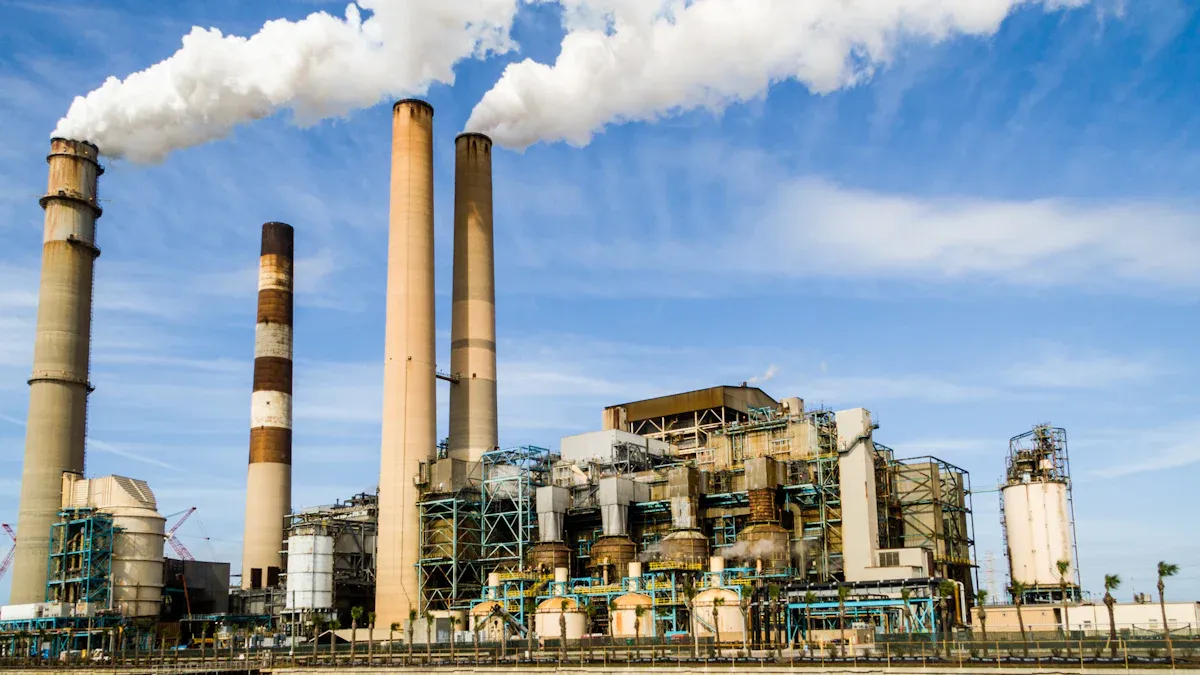
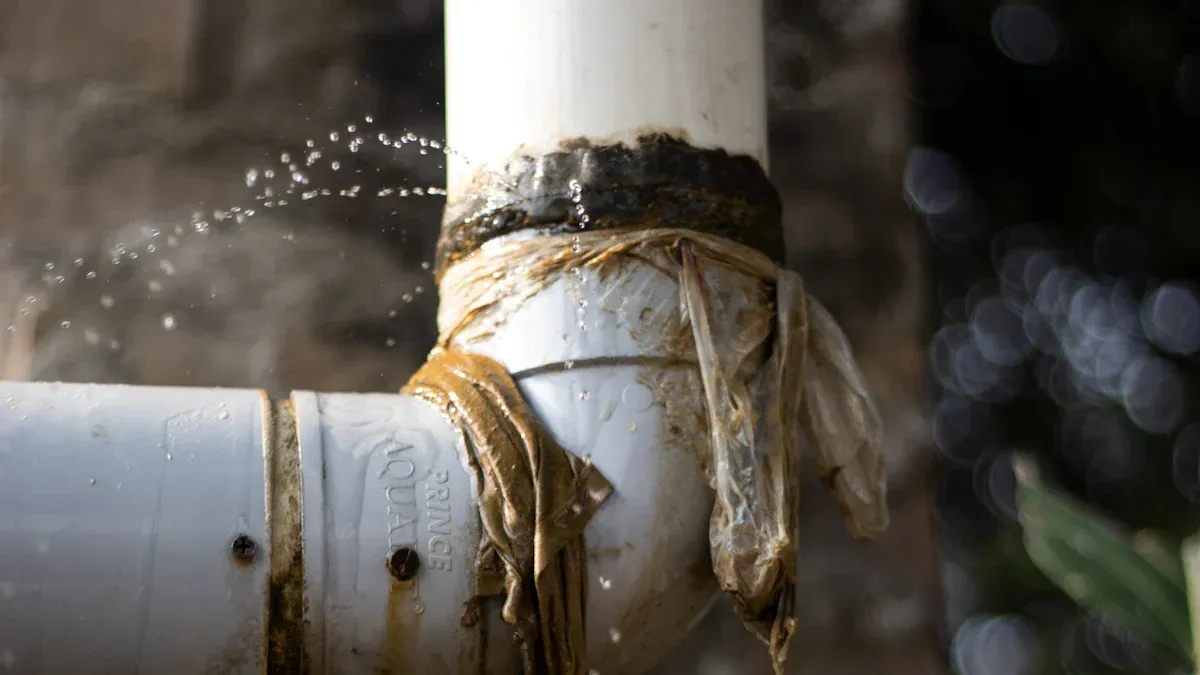
Mechanical seals are critical barriers. They prevent process fluids from escaping into the atmosphere. These unintended releases, known as fugitive emissions, often contain harmful substances. Our focus is always on maintaining seal integrity. This directly reduces the release of Volatile Organic Compounds (VOCs) and other hazardous air pollutants. Effective seals minimize environmental contamination, and also protect worker health and safety.
Regulatory Compliance and Environmental Impact
We understand the stringent regulations governing fugitive emissions. Various national and international organizations regulate these emissions. Key regulatory bodies include the U.S. Environmental Protection Agency (EPA), the European Union (EU), the American Petroleum Institute (API), and the International Organization for Standardization (ISO). These regulations aim to safeguard the environment and promote health and safety. They lead to stricter requirements for Leak Detection and Repair (LDAR) initiatives. The EPA, for example, ensures compliance with environmental laws like the Clean Air Act. They set limits on VOC emissions due to their impact on air quality. Failure to comply can result in significant penalty fines. I believe a reliable mechanical seal supplier is essential for meeting these standards.
Economic Consequences of Seal Leaks
We see the direct financial impact of seal leaks. Beyond environmental fines, leaks lead to significant product loss. This loss directly affects profitability. Unplanned downtime for repairs also incurs substantial costs. It disrupts production schedules and requires emergency maintenance. Furthermore, increased energy consumption can result from inefficient operations due to leaking seals. Investing in high-quality seals and proactive maintenance ultimately saves money. It prevents these costly consequences.
Proactive Selection for Enhanced Seal Reliability
Matching Seal Types to Application Demands
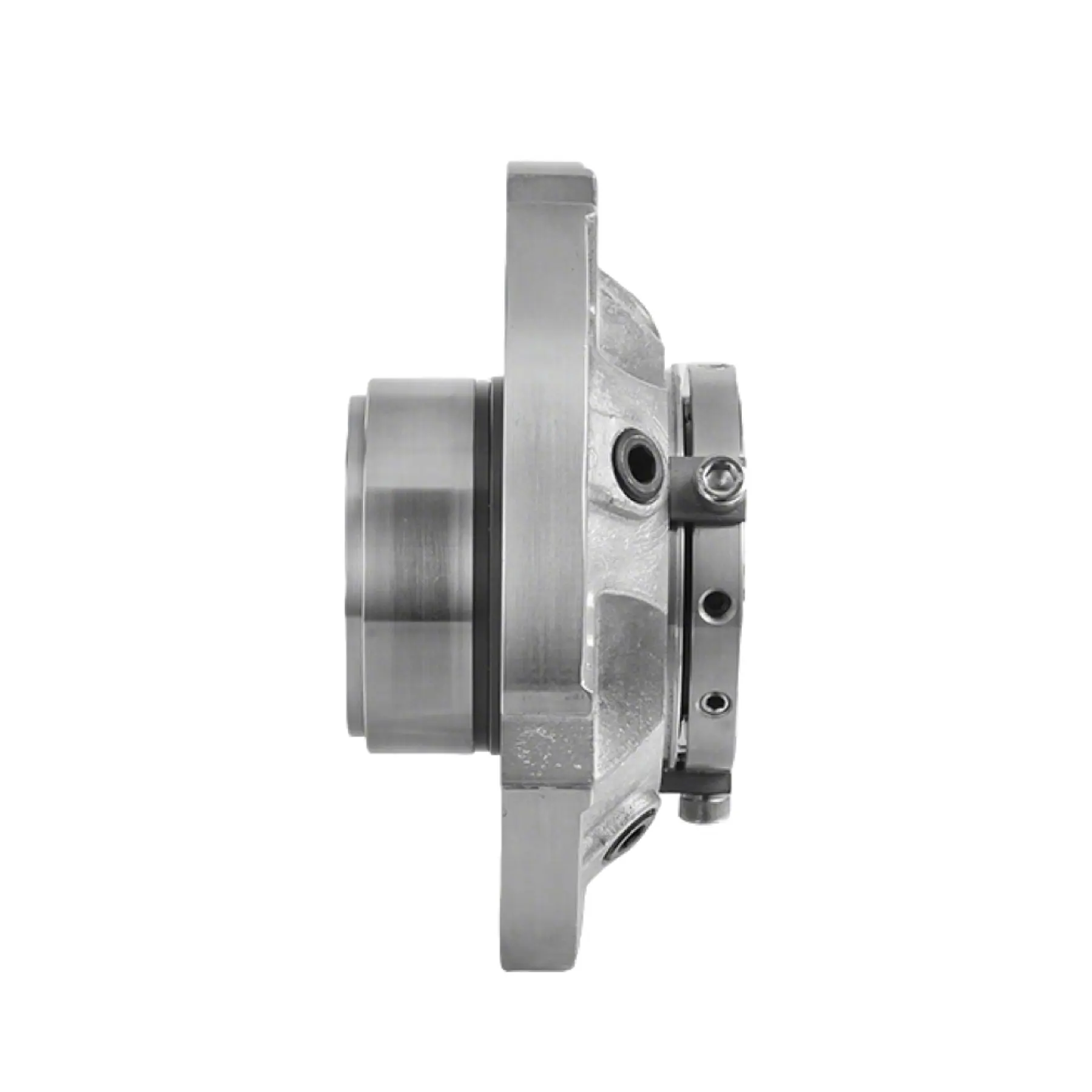
Choosing the right mechanical seal is crucial. Different applications demand specific seal types. For high-pressure situations,we often consider single spring mechanical seals for their simplicity and reliability. Cartridge mechanical seals are also excellent choices. Their pre-assembled design reduces installation errors and ensures consistent performance in high-pressure environments. When dealing with extreme heat, we look to metal bellows seals. These seals use welded metal bellows, which resist degradation at high temperatures. High-temperature cartridge seals are also very effective. They come pre-assembled with heat-resistant components. Balanced mechanical seals are another option. They distribute sealing pressure evenly, which reduces heat buildup. For volatile fluids,we often recommend dual seals with cooling systems. These systems maintain temperature stability and enhance safety.
Material Compatibility and Chemical Resistance
We always prioritize material compatibility. The seal materials must withstand the process fluid's chemical properties. For example, when handling sulfuric acid, specific materials offer superior resistance. Durlon® 9000 is a strong choice. Identa-Seal Viton B Blue is also excellent for elastomer gaskets. It meets DuPont SU2A specifications for chemical degradation and high-temperature resistance. We also consider how temperature affects material performance. For instance, FKM/VITON® performs well at 70°F and 140°F but not at 185°F. TEFLON® shows good resistance at 100°F and 200°F. A reliable mechanical seal supplier can guide these critical material selections.
Importance of Proper Seal Sizing and Design
The correct seal sizing and design are significant. An improperly sized seal will fail prematurely. This leads to leaks and increased emissions. We ensure the seal's dimensions precisely match the equipment's specifications. The design must also account for operating conditions like pressure, temperature, and shaft speed. A well-designed seal minimizes stress on components. It also optimizes sealing efficiency. This proactive approach prevents costly failures and supports environmental compliance.
Best Practices for Installation and Commissioning
Precision Alignment Techniques
Precision alignment is absolutely critical for seal longevity. Misalignment creates excessive wear on seal faces and bearings. This leads to premature failure. For most mechanical equipment, we ensure alignment tolerances do not exceed 0.002 inches at the feet. This strict standard maximizes overall reliability. It directly impacts sensitive components like bearings and seals. Poor alignment frequently causes machinery failure. We always use specialized laser alignment tools for accurate shaft and motor alignment. This meticulous step prevents costly repairs and uncontrolled emissions.
Correct Gland Plate Torque Procedures
Follow specific torque procedures for gland plates, while incorrect torque can deform the seal faces. This leads to uneven pressure distribution and leaks. We use a calibrated torque wrench to apply the manufacturer's specified values. We tighten bolts in a precise cross-pattern. This ensures even compression across the gland. Proper torque prevents seal distortion. It maintains optimal sealing performance from day one. This attention to detail is vital for preventing early seal failures.
Contamination Prevention During Installation
We prioritize cleanliness during every installation. Contaminants like dirt, dust, or debris can severely damage delicate seal faces. They can also clog vital flush lines. We always work in a meticulously clean environment and inspect all components for any foreign particles before assembly. We use only clean, lint-free rags and appropriate solvents for cleaning. Protecting the seal from contamination ensures its initial integrity. This proactive measure prevents early failures and maintains strict emission control.
Advanced Maintenance and Monitoring Strategies
Condition Monitoring for Early Leak Detection
We implement advanced condition monitoring to catch issues early. Ultrasonic-based monitoring is very effective. It detects mechanical seal leaks and other damaging events. For instance, systems like BestSens AG use ultrasonic technology. They monitor seal conditions during operation. They identify evaporation in the seal gap. They also detect changes in the lubricant film. This method finds wear and anomalies quickly. It reduces unplanned downtime. It also optimizes maintenance costs. We also use temperature monitoring. Thermocouples are effective for hot oil applications. We place sensors in voids or drain ports between seals. They identify hot oil leaks by an increase in temperature. They also detect visible steam or liquid from vents.
Fluid Quality Management and Filtration
We always prioritize fluid quality. Clean process fluid is essential for seal longevity. Contaminants in the fluid cause abrasive wear, which lead to premature seal failure. We ensure proper filtration systems are in place. These systems remove particulates and impurities from the process fluid. This protects the delicate seal faces as it maintains optimal lubrication. Good fluid quality directly extends seal life, which prevents unexpected emissions.
Partnering with a Reliable Mechanical Seal Supplier
Evaluating Supplier Expertise and Support
We understand the importance of choosing the right mechanical seal supplier. Our expertise directly impacts operational success. Are you looking for comprehensive maintenance programs? We include preventive maintenance, 24/7 emergency support, and guaranteed parts availability. We also value extensive engineering support. This support should cover application analysis, material selection guidance, and installation assistance. Ongoing technical consultation is crucial. A good supplier offers responsive communication. We provide flexible manufacturing scheduling and also work closely with customers to address unique challenges. Rapid emergency response capabilities are essential. We optimize seal performance and prevent unexpected failures, especially for critical applications. Our support is crucial for proper seal selection, installation guidance, and troubleshooting.
Accessing High-Quality Seal Alternatives
Are you always seek high-quality seal alternatives? GW Seal offers a wide range of reliable solutions. I find cartridge seals particularly beneficial. They offer more accessible and faster installation. This is because they are pre-assembled and pre-set. This leads to reduced downtime. Component seals are more challenging. They require careful assembly and adjustment. Cartridge seals simplify installation and maintenance. They suit applications where efficiency and reliability are paramount. Their integrated design reduces leakage risk. It enhances overall seal performance. This offers enhanced reliability compared to traditional component seals. GW Seal provides alternatives to well-known brands. These alternatives offer the same quality at a more affordable price.
Custom Solutions for Specific Applications
Operations often present unique challenges, and customers need a mechanical seal supplier who can provide custom solutions. Standard seals do not always fit every application. GW Seal offers tailored designs and these designs meet specific operational requirements. We address unusual pressures, temperatures, or fluid compositions, which ensures optimal performance and longevity. Custom solutions help customers maintain high reliability, and also help them meet strict emissions targets.
Troubleshooting Common Seal Failures and Emissions
Addressing Dry Running and Overheating
People often encounter dry running as a major cause of seal failure. When a mechanical seal operates without proper lubrication, the seal faces generate extreme heat. This excessive heat can result in cracking, distortion, or complete failure of the seal. Operating the pump without sufficient lubrication or fluid flow is a common cause. This condition leads to the seal faces overheating and wearing out rapidly. I always ensure adequate fluid supply to prevent this issue.
Mitigating Vibrations and Shaft Deflection
Vibrations and shaft deflection significantly impact seal life. To ensure satisfactory seal performance, we limit total shaft deflection to 50 μm (0.002 in) at the primary seal faces. This adheres to API 610 11th Edition (section 6.9.1.3) standards. We also reference ISO 10816-3 for acceptable vibration thresholds in pumps. Excessive radial movement, often from misalignment or bearing wear, shows as elevated vibration. GW seal address these issues promptly to protect customers' seals.
Preventing Abrasive Wear and Clogging
When focusing on preventing abrasive wear, especially with solids-laden fluids, We select materials like carbon-based materials, ceramic materials (Silicon Carbide, Alumina), and Stellite for enhanced wear resistance. We also use coatings such as Diamond-Like Carbon (DLC), Tungsten Carbide (WC), and Chromium Nitride (CrN) for improved performance.We know that advanced thermal management is critical. Materials like silicon carbide and tungsten carbide provide excellent thermal conductivity. This efficiently transports frictional heat away from the sealing interface. We also use optimized flush plans with clean barrier fluids. This prevents abrasive particle accumulation at the seal face.
I reiterate the indispensable role of robust mechanical seal strategies. They achieve emissions targets. I summarize the multifaceted benefits of a proactive seal management program. This includes environmental compliance and cost savings. I encourage investment in advanced seal technology. Expert partnerships, like with GW Seal, ensure long-term success.
FAQ
What is a fugitive emission?
I define fugitive emissions as unintended releases of process fluids into the atmosphere. These often contain harmful substances.
Why is material compatibility important for seals?
I prioritize material compatibility. The seal materials must withstand the process fluid's chemical properties. This prevents premature failure.
How do flush plans help seal reliability?
I use effective flush plans. They protect seals from harsh process fluids. This prevents abrasive wear and ensures continuous operation.