







Pump & Seal Tech: Global Industrial Solutions for 2026
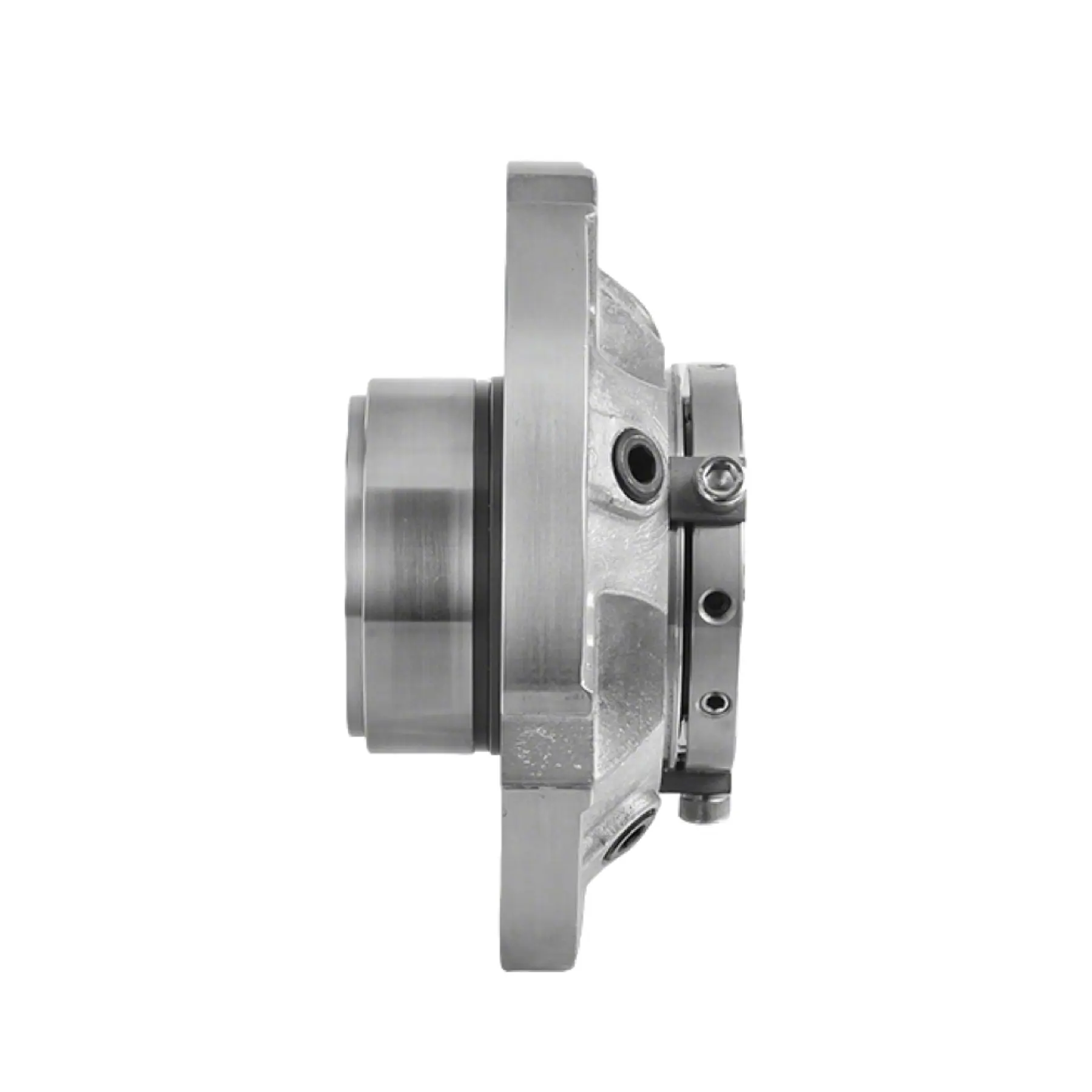
By 2026, pump and seal technology will be characterized by enhanced efficiency, sustainability, and smart integration, directly addressing the escalating demands of global industrial solutions. The global mechanical pump seals market will exceed US$ 7.34 billion by 2026. The pump market is also expected to reach USD 37.9 billion. Companies like GW SEAL provide essential industrial pump solution components, from small elastomer bellows seals to double mechanical seals, ensuring system integrity.
Key Takeaways
- Pump and seal technology will be much better by 2026. It will use less energy, be better for the environment, and connect with smart systems.
- New materials and smart features will make pump seals last longer and work better. They will also help prevent leaks and save energy.
- Smart seals with sensors will give real-time information. This helps fix problems before they get big and keeps machines running smoothly.
Evolving Global Industrial Demands for Pump Seal Technology
Energy Efficiency Imperatives for Pump Seals
Global industries face increasing pressure to optimize energy consumption. Rising energy costs and stricter environmental regulations drive this demand. Industrial pumps consume nearly 20% of industrial energy, highlighting their significant role in overall energy use. Upgrading to energy-efficient pump systems can yield substantial savings, potentially reducing energy costs by up to 50%. Regulatory frameworks, such as the European Union's Ecodesign Directive, mandate specific energy performance criteria for certain pump types. This encourages innovation and the production of advanced, energy-efficient solutions. Smart pump systems, utilizing AI-driven optimization, offer real-time performance adjustments. They also integrate renewable energy sources into pump operations, further enhancing efficiency.
Environmental Regulations and Sustainability Goals for Pump Seals
Environmental regulations significantly influence pump seal design and material selection. Government agencies like OSHA and EPA regulate allowable leakage rates for hazardous or toxic process fluids. Safe sealing requires specific configurations to minimize or eliminate leakage. For example, potable water service demands materials certified to NSF-61. Human consumption services may require products complying with FDA, USDA, or USP Class VI codes. Beyond regulations, sustainability goals drive the development of new pump seal technologies. Bio-based polymers, recycled materials, and green elastomers offer reduced carbon footprints. Low-energy production methods, such as 3D printing, reduce waste and energy consumption. Advanced materials, like composites and ceramics, extend seal service life. Smart seals with integrated sensors provide real-time data, reducing downtime and maintenance costs. These innovations lead to emissions reduction, water conservation, and improved energy efficiency.
Digital Transformation and Industry 4.0 Integration with Pump Seals
The industrial landscape is rapidly embracing digital transformation and Industry 4.0 principles. This shift establishes new benchmarks for industrial pumping through real-time monitoring and centralized control. IoT-enabled smart seals provide real-time data on temperature, pressure, and wear. This facilitates predictive maintenance, replacing reactive servicing and reducing unplanned downtime. Advanced data analytics continuously improve pump seal design and material selection. Automation and robotics enhance precision in manufacturing processes. Digital twin technology allows for virtual replication of manufacturing processes, optimizing operations. This integration of AI, IoT, and big data analytics transforms each pump into a source of actionable data. It leads to lower total cost of ownership through efficiency gains and fewer process interruptions.
Key Pump Technology Trends for 2026
Advanced Materials and Manufacturing for Pumps
The pump industry consistently seeks new materials and manufacturing methods. These advancements enhance durability, performance, and cost-effectiveness. Manufacturers now use ceramic-based coatings and diamond-like carbon layers to improve wear and corrosion resistance. They also employ nanoparticle-enhanced alloys for increased resilience. For applications requiring a balance of weight, strength, and cost, lightweight composite materials and stainless steel–magnesium hybrids offer excellent solutions, especially in mobile or remote installations. Furthermore, specialized materials like composites with carbon fibers in a silicon carbide matrix find use in bushings and casing wear rings. A proprietary blend of chrome, boron, tungsten carbides, and nickel, applied to A276-410 base material, provides extreme abrasion resistance for sleeve bearings and impeller wear rings.
Manufacturing processes also see significant evolution. Precision casting, including investment casting for intricate designs and sand casting for larger components, produces near-net-shape parts. This reduces the need for extensive post-processing. CNC machining ensures dimensional accuracy, which minimizes mechanical wear and boosts operational efficiency. Surface treatments and coatings, such as hardening, plating, and anti-corrosion applications, extend component life in harsh environments. Additive manufacturing, also known as 3D printing, plays a crucial role in rapid prototyping and testing. This speeds up development cycles for new pump designs.
Smart Pumping Systems and Predictive Maintenance
The integration of smart technologies transforms industrial pumping. AI-driven machine learning monitors and optimizes pumping system components like compressors, turbines, and drives. This proactive approach compares key performance indicator (KPI) data, such as vibration and temperature, to baseline signatures. It detects emerging performance issues before they cause unplanned downtime or catastrophic failures, thereby extending equipment lifespan. AI enables a shift from reactive to proactive and predictive maintenance models. Maintenance occurs as needed, not on a fixed schedule. This saves significant labor and parts costs and prevents costly production disruptions. Remote diagnostic services (RDS) offer expert advice for addressing symptoms, leading to better-informed decisions on corrective actions.
Advanced analytics and machine learning analyze historical and real-time data. They predict pump failures and maintenance needs with increasing accuracy over time. Real-time monitoring and alerting systems promptly notify maintenance teams of anomalies. They also provide automated workflows for quick responses. The seamless integration of these platforms with existing IoT sensors, SCADA systems, and other data sources offers a unified view of pump performance. User-friendly interfaces allow maintenance teams to easily access, interpret data, and take proactive actions. Artificial intelligence (AI) enables more accurate predictions by analyzing vast amounts of data and identifying complex patterns. Digital twins, virtual replicas of physical assets, allow for sophisticated simulations and analyses. This optimizes maintenance and improves equipment performance. IoT sensors collect data on vibration, temperature, pressure, and flow rates. They provide insights into pump performance and identify deviations. Data analytics tools process collected data to identify patterns, trends, and anomalies. This helps teams understand pump conditions and predict maintenance needs.
Energy-Efficient Pump Designs
Energy efficiency remains a top priority in pump design. Engineers develop new hydraulic designs, reconfigure casings, and design new impellers. They also rebuild pump shafts based on performance testing and computational fluid dynamics (CFD) analysis. This can lead to substantial energy savings. For example, operating three pumps in parallel instead of four can save over $800,000 USD annually. Optimizing equipment to its system needs is also critical, especially when pumps operate away from their best efficiency point (BEP). This involves avoiding throttling downstream valves, which wastes horsepower.
Maintaining efficiency requires careful component design and assembly. This includes controlling internal recirculation by maintaining design clearance in close clearance areas like wear rings or bushings. It involves stringent tolerances for circularity, concentricity, and perpendicularity of components. It also limits rotor total indicator runout (TIR) and ensures proper alignment during assembly. Upgraded materials, such as 410 martensitic steel with a laser-deposited weld overlay for wear rings, provide necessary hardness without brittleness. This extends component life and maintains efficiency. Advanced modeling and manufacturing techniques further support these efforts. Laser scanning captures component geometry, and 3D models facilitate modifications. Computational fluid dynamics (CFD) predicts modification outcomes. Advanced manufacturing, like 3D-printed patterns and 5-axis machining, produces new parts with high precision. Pump energy optimization services combine real-time performance monitoring with analytical capabilities. They identify inefficiencies and recommend optimization measures. Engineered retrofits include hydraulic re-rates, specialized coatings, and adjusting wear clearances.
Breakthroughs in Pump Seal Technology by 2026
The industrial landscape demands increasingly robust and intelligent sealing solutions. By 2026, significant advancements in pump seal technology will redefine operational efficiency, reliability, and environmental compliance. These breakthroughs encompass new materials, innovative designs, and integrated smart features.
Next-Generation Mechanical Pump Seals
Mechanical pump seals remain a cornerstone of industrial operations. However, their evolution focuses on extending lifespan and enhancing resistance to harsh operating conditions. Manufacturers now employ advanced materials to achieve these goals.
- Silicon carbide, tungsten carbide, and high-performance polymers offer exceptional resistance to abrasion, corrosion, and high temperatures. These materials significantly improve longevity and reliability.
- Composite materials combine properties from different substances. This creates hybrid seals with enhanced performance and durability, tailored for specific operating conditions.
Advanced coatings further boost the performance of these seals.
- Diamond-like carbon (DLC) coatings, PTFE coatings, and other proprietary coatings improve wear resistance, reduce friction, and enhance chemical compatibility.
- These coatings protect seal faces, improve sealing performance, and enable seals to operate at higher speeds and pressures while maintaining integrity.
- Advanced coatings make seals more resistant to process fluids and aggressive chemicals, expanding their application range.
The table below illustrates the improved properties of various materials used in next-generation mechanical pump seals:
| Material Type | Corrosion Resistance | Wear Resistance | Thermal Stability |
|---|---|---|---|
| Ceramics | High | Moderate | High |
| Silicon Carbide | Excellent | Excellent | Excellent |
| Tungsten Carbide | Good | Excellent | Good |
| Stainless Steel | Good | Good | Moderate |
| Elastomers (Viton™) | Variable | Variable | High |
| Elastomers (EPDM) | Good | Moderate | Good |
These material innovations ensure mechanical pump seals meet the rigorous demands of modern industrial processes.
Non-Contacting and Magnetic Pump Seals
Non-contacting and magnetic pump seals represent a significant leap in sealing technology. They address critical issues like energy consumption, wear, and leakage. Non-contacting seals operate without physical contact between their faces. This design virtually eliminates issues like dry-running and face wear. It also significantly reduces power consumption.
Non-contacting gas seals offer substantial energy savings compared to traditional wet dual seals. For example, a wet dual seal consumed 0.75kW (2,600 Btu/h) in frictional power. A gas seal, however, consumed only 0.08kW (270 Btu/h). This represents an almost tenfold reduction in frictional energy consumption. It leads to approximately 90% energy savings. This translates to substantial annual cost savings, for instance, €360 or $500 per year based on 2015 European electricity costs and continuous operation. Non-contacting dry gas seals enhance equipment performance by eliminating physical contact between seal faces. This minimizes wear and tear and reduces the risk of damage. The absence of contact also decreases friction, leading to lower energy consumption and improved overall equipment efficiency. The improved seal life, due to the elimination of friction-induced wear, results in longer intervals between maintenance and fewer replacements. This contributes to cost savings and operational reliability.
Magnetic pump seals, also known as sealless pumps, offer unparalleled advantages in preventing leakage and reducing maintenance. They inherently prevent leaks because they lack mechanical seals. This eliminates seal degradation and fluid escape, which is critical for industries handling hazardous materials.
- Eliminated Leak Risk: The absence of seals removes the risk of leaks. This allows for safe pumping of hazardous fluids without spillage concerns.
- Reduced Maintenance Costs: There are no costs associated with replacing and maintaining seals.
- Minimized Downtime: This technology eliminates downtime and lost production due to seal maintenance.
- Avoided Fines: It helps avoid potential fines from regulatory bodies like the EPA for leakage.
The magnetic coupling system removes frictional forces. This eliminates the need for external lubrication or cooling for seals, simplifying maintenance and reducing costs. With fewer moving parts and no mechanical seals to wear out, these pumps require less frequent maintenance. This leads to longer operational life, reduced downtime, and lower overall costs. Sealless pumps also enhance workplace safety by preventing exposure to leaking chemicals or emissions. This improves safety for operators and maintenance staff, leading to fewer accidents and medical claims. Magnetic drive pumps facilitate adherence to local and federal health and safety standards by maintaining an emission-free environment. This avoids potential fines or shutdowns associated with non-compliance. Eliminating dynamic seals, a primary cause of pump downtime, significantly increases the Mean Time Between Failures (MTBF) for magnetic pump seals. This sealless technology often provides substantial returns on investment by improving pump and process reliability. Unplanned downtime is a major contributor to pump Life Cycle Cost (LCC).
Smart Pump Seals with Integrated Sensors
The integration of smart technology into pump seals marks a pivotal advancement. By 2026, smart pump seals with integrated sensors will become commonplace. These seals provide real-time data, enabling predictive maintenance and optimizing performance. Sensors embedded within the pump seal monitor critical parameters such as temperature, pressure, vibration, and leakage rates. They transmit this data wirelessly to a central monitoring system.
This real-time data allows operators to detect potential issues before they escalate into costly failures. For example, an increase in seal face temperature might indicate impending wear. This allows for proactive intervention. Predictive maintenance strategies, powered by these smart seals, replace traditional time-based or reactive maintenance. This reduces unplanned downtime and extends the operational life of equipment. Furthermore, smart seals can communicate with other components of an industrial system. This creates a more integrated and responsive operational environment. This capability aligns perfectly with Industry 4.0 principles, where interconnected devices and data analytics drive efficiency and productivity.
By 2026, advanced materials, smart technologies, and sustainable designs will converge in pump and seal technology. This critical convergence will drive global industrial solutions. It will lead to unprecedented levels of efficiency, reliability, and environmental responsibility. This evolution ensures industries effectively meet future demands and challenges.
FAQ
What are the primary drivers for advancements in pump and seal technology by 2026?
Energy efficiency, environmental regulations, and digital transformation drive advancements. Industries demand sustainable, smart, and highly efficient solutions.
How do smart pump seals contribute to industrial efficiency?
Smart seals integrate sensors. They provide real-time data for predictive maintenance. This reduces downtime and optimizes performance. 📈
What role do advanced materials play in modern pump and seal designs?
Advanced materials enhance durability, wear resistance, and chemical compatibility. They extend component life and improve performance in harsh environments.