

Navigating Harsh Chemicals: The Ultimate Guide to Mechanical Seal Materials
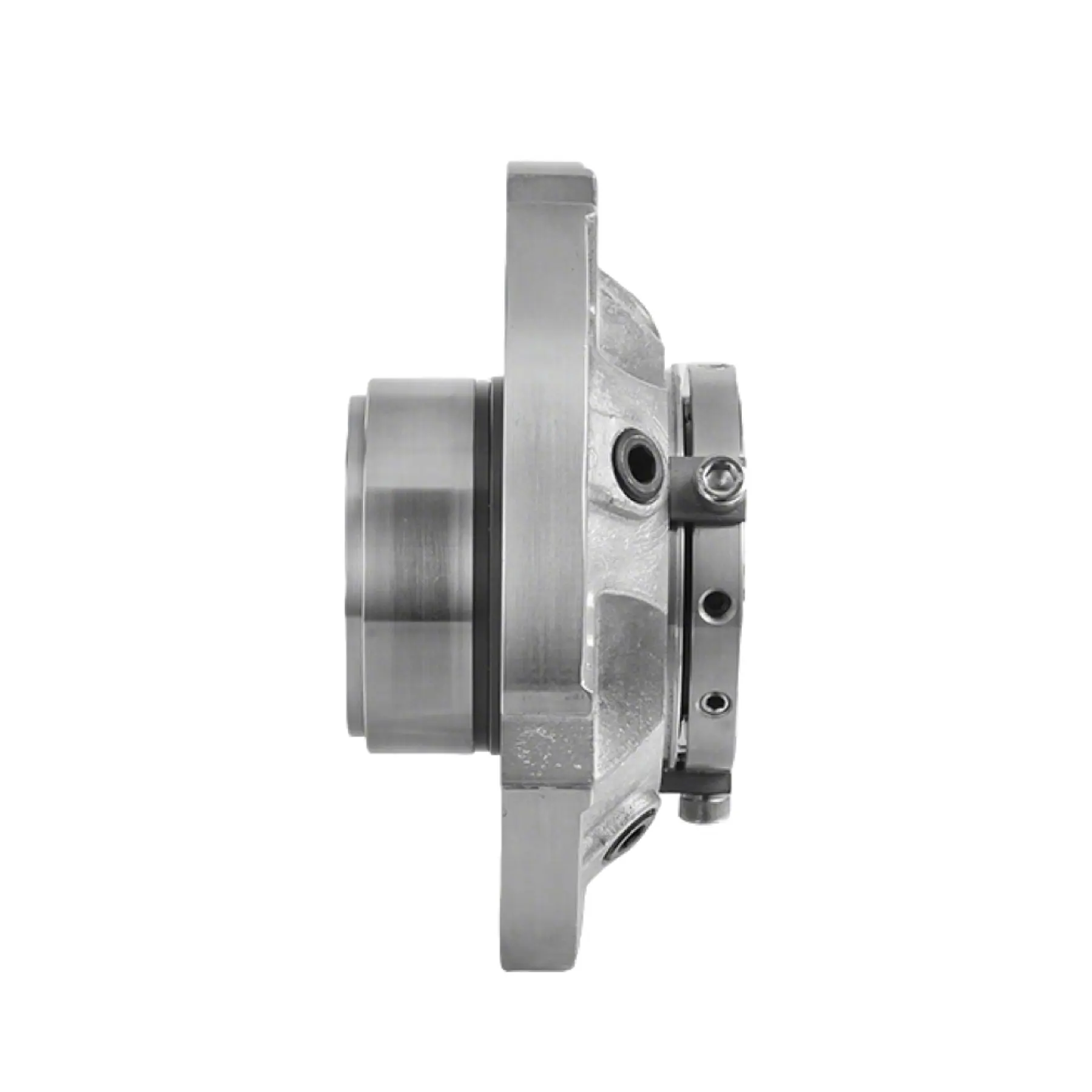
Selecting the correct Mechanical Seal for chemistry materials poses a critical challenge in harsh chemical applications. Material choice directly impacts operational safety, efficiency, and equipment longevity. A high- quality mechanical seal supplier recognizes these critical demands. They ensure reliable performance.
Key Takeaways
- Choose mechanical seal materials carefully. They must work well with chemicals, high temperatures, and pressure. This keeps equipment safe and working longer.
- Match materials to the job. For example, use strong materials like silicon carbide for rough conditions. Use materials like Viton for many chemicals and temperatures.
- Always check how materials react with chemicals. Look at temperature and pressure needs. Ask experts for help to pick the best seal for your equipment.
Understanding Harsh Chemical Environments for Mechanical Seal for chemistry
Chemical Compatibility: The Foremost Consideration
Chemical compatibility stands as the primary factor when selecting materials for a Mechanical Seal for chemistry. Engineers must thoroughly evaluate how seal components react with process fluids. Incompatible materials can lead to rapid degradation, swelling, or embrittlement, causing seal failure and potential safety hazards. A comprehensive understanding of the chemical environment ensures long-term operational integrity.
Temperature Extremes and Their Influence
Temperature extremes significantly impact mechanical seal performance. High temperatures can accelerate chemical reactions, degrade elastomers, and alter material properties. Fluoroelastomers, such as Viton, are preferred for demanding applications involving both extreme heat and harsh chemicals. They resist a wide array of chemicals, including most acids, alkalis, and solvents. Viton can endure temperatures up to 204°C, with specialized grades capable of even higher temperatures. FKM operates efficiently in temperatures ranging from -20°C to +250°C. Perfluoroelastomers (FFKM) withstand extreme temperatures, typically from -10°C to +327°C, offering unmatched chemical resistance. These materials are crucial in chemical processing plants and High-Pressure/High-Temperature (HPHT) environments where temperatures often exceed 150°C.
Pressure Variations and Mechanical Stress Factors
Pressure variations introduce significant mechanical stress on seal components. Extreme pressure subjects systems to immense mechanical stress. Without appropriate materials and geometry, seals can permanently deform or lose contact with sealing surfaces. This leads to leaks and operational downtime. To maintain long-term reliability in such conditions, seals must be mechanically reinforced and dimensionally stable. Spring-energized seals incorporate a built-in energizing spring. This feature ensures consistent contact pressure, even when sealing surfaces shift due to pressure changes. It guarantees leak-tight performance in high-pressure applications like hydraulic actuators.
Abrasive Media and Slurry Challenges
Abrasive media and slurries present unique challenges to mechanical seals. Solid particles suspended in process fluids can cause significant wear on seal faces and secondary sealing elements. This abrasion leads to premature seal failure. Engineers must select materials with high hardness and wear resistance, such as silicon carbide or tungsten carbide, to withstand these harsh conditions. Proper seal design also minimizes particle ingress and maximizes seal life in abrasive environments.
Essential Material Properties for Chemical Resistance
Chemical Inertness and Degradation Resistance
Mechanical seal materials must exhibit chemical inertness. This means they do not react with the process fluids. Degradation resistance ensures the material maintains its integrity over time. Engineers use standardized tests to evaluate this property. For example, ASTM D 4289 and ASTM D 6546 assess elastomer compatibility with fluids. ASTM D2000 includes tests with a maximum exposure time of 70 hours. Key indicators of fluid absorption or degradation include:
- Volume swell: Limits are typically 15% increase and 5% contraction.
- Mass and density changes: An increase suggests fluid absorption, while a loss indicates chemical degradation.
- Hardness: A basic mechanical property tracked during exposure.
- Tensile strength and elongation: These characterize material stiffness and changes from chemical exposure.
Thermal Stability and Operating Range
Materials must maintain their properties across the entire operating temperature range. High temperatures can accelerate chemical reactions and degrade material structure. Low temperatures can cause embrittlement. A material's thermal stability defines its effective operating range. Selecting materials with appropriate thermal stability prevents premature seal failure.
Mechanical Strength and Wear Characteristics
Mechanical seals require materials with robust mechanical strength. This allows them to withstand operational stresses. Hardness is essential for rubber seals. It determines flexibility, compression resistance, and overall performance. Tensile strength indicates how strong the rubber is before breaking. For example, a reinforcement layer for mechanical seals, the (220)HPOC, achieves a hardness of 557.62 HV. This high hardness provides strong anti-friction effects and suppresses wear. Materials like silicon carbide and tungsten carbide offer high strength and hardness. They are excellent for harsh, mechanically demanding applications.
Permeation and Swelling Behavior
Permeation occurs when gas molecules pass through a material's polymer network. Elastomers are not hermetic. Gas type, material structure, thickness, and temperature all influence permeation. Fluorinated rubbers exhibit lower permeation. Swelling happens when materials absorb process fluids. This can alter their dimensions and mechanical properties. Volume swell is a good indicator of fluid absorption. For applications requiring near-zero permeation, metal or hybrid seals are necessary. Elastomers may be suitable if a high permeation tolerance is acceptable.
Common Mechanical Seal Materials for Chemistry Applications
Elastomers: Versatility and Limitations
Elastomers offer versatility in mechanical seal applications, but they also have limitations. Different types suit various chemical environments. For example, Buna (Nitrile Rubber) excels in oil-based and petrochemical applications. It resists crude oil, water, and hydraulic fluid. However, it performs poorly with strong acids and mild alkalis. EPDM is ideal for water, chlorine, and alkaline materials. It resists ozone and deionized water. Yet, EPDM is not suitable for petroleum oils or hydrocarbon solvents. Viton (Fluoroelastomer) resists ozone, oxidation, and extreme weather. It handles aliphatic and aromatic hydrocarbons and strong acids. However, Viton is incompatible with ketones.
| Elastomer | Chemical Resistance Profile | Temperature Limits |
|---|---|---|
| Fluoroelastomer (FKM) | Great chemical resistance; tolerates fuels, lubricants, and other chemicals. | -20°C to 200°C |
| EPDM | High resistance to ozone, weathering, aging, water, and steam. | -50°C to 150°C |
| Nitrile Butadiene Rubber (NBR) | Excellent oil resistance; used in petroleum-based lubricant or hydraulic fluid applications. | -30°C to 100°C |
| Silicone Rubber (VMQ) | Resists oxidation, ozone exposure, and UV radiation; poorer resistance to oils and fuels. | -60°C to 200°C |
PTFE and Modified PTFE: Broad Chemical Resistance
PTFE and modified PTFE provide broad chemical resistance. PTFE exhibits exceptional resistance to nearly all industrial chemicals. This includes strong acids like hydrofluoric, sulfuric, and nitric acids. It also resists aggressive solvents, oxidizing agents, and caustic solutions. In the food processing industry, PTFE's chemical resistance is highly advantageous. It handles acidic or alkaline food products that would degrade traditional seals. Its non-stick properties also facilitate easy cleaning. Modified PTFE gaskets incorporate functional materials like glass fiber or graphite powder. These offer enhanced strength and durability. They retain the desirable chemical resistance properties of pure PTFE.
Perfluoroelastomers (FFKM): Superior Chemical Barriers
Perfluoroelastomers (FFKM) offer superior chemical barriers. They are regarded as the best for harsh working conditions. FFKM O-Rings can withstand temperatures up to 625°F (330°C). They offer broad chemical and harsh environment compatibility. FFKM materials are compatible with aliphatic and aromatic hydrocarbons. They also resist polar solvents, inorganic and organic acids, water, and steam. FFKM elastomers possess nearly universal chemical compatibility. They offer best-in-class resistance to over 1,800 chemicals, solvents, and plasmas. This makes them crucial for a Mechanical Seal for chemistry in the most demanding applications.
Ceramics and Carbides: Hardness and Durability
Ceramics and carbides provide exceptional hardness and durability. These materials are essential for seal faces in abrasive environments.
| Material | Hardness (Mohs Scale) | Wear Resistance Characteristics |
|---|---|---|
| Silicon Carbide (SiC) | 9.0-9.5 | Excellent wear resistance, especially in abrasive and corrosive environments. Maintains hardness at high temperatures. |
| Tungsten Carbide (WC) | 8.5-9.0 | Very good wear resistance, particularly in impact and high-stress applications. Can be susceptible to chemical corrosion in certain environments. |
Silicon Carbide (SiC) offers excellent wear resistance. It performs well in abrasive and corrosive environments. Tungsten Carbide (WC) provides very good wear resistance. It is particularly effective in impact and high-stress applications.
Specialty Alloys: Corrosion Resistance for Components
Specialty alloys offer corrosion resistance for mechanical seal components. These alloys are vital in highly aggressive chemical environments. Inconel is frequently used in marine applications. It shows extraordinary resistance to sodium chloride (salt) across a wide range of temperatures. It is used for many seawater application components. This includes nuts, bolts, washers, and seals. Ferralium 255 is also widely used in marine engineering. It forms components such as propellers, shafts, rudders, seals, pumps, and valves. Alloy 625 finds use in aerospace for components like turbine blades, seals, and exhaust systems.
Detailed Material Analysis for Mechanical Seal for chemistry
Buna-N (Nitrile): General Purpose and Cost-Effective
Buna-N, or Nitrile, serves as a general-purpose and cost-effective elastomer for many sealing applications. It offers good resistance to petroleum-based oils and hydraulic fluids. However, Buna-N has significant limitations. It shows poor resistance to ozone, weathering, and UV light. It also performs poorly with ketones, strong acids, and halogenated hydrocarbons. Engineers must consider these incompatibilities when selecting materials for a Mechanical Seal for chemistry.
EPDM: Excellent for Acids and Alkalis
EPDM (Ethylene Propylene Diene Monomer) demonstrates excellent resistance to acids and alkalis. It performs well with dilute acids and dilute alkalis. EPDM also resists many fatty acids and bases. This makes it a suitable choice for applications involving these chemical types.
Viton (FKM): Wide Chemical and Temperature Range
Viton (FKM) offers a wide chemical and temperature range. Many Viton compounds operate effectively from -15°C to 205°C, with some specialized grades extending to -55°C or 225°C. Viton exhibits superior resistance to a broad spectrum of aggressive chemicals. These include oils, fuels, hydraulic fluids, and most acids. However, Viton is less effective against ketones, amines, and hot water or steam over prolonged periods.
Kalrez (FFKM): Unparalleled Chemical Inertness
Kalrez (FFKM) provides unparalleled chemical inertness. Various Kalrez grades exist, each designed for specific aggressive chemical environments. For instance, Kalrez 6375 offers broad chemical resistance, especially to strong acids, bases, amines, and hot water/steam. Other grades like Kalrez 7075 and 7090 excel in high-temperature and high-purity applications, such as semiconductor manufacturing.
Silicon Carbide: Superior Hardness and Wear Resistance
Silicon Carbide (SiC) offers superior hardness and wear resistance. This material is ultra-hard, wear-resistant, and long-lasting. Sintered silicon carbide is a premium option, providing excellent strength, abrasion resistance, and thermal conductivity. It excels in applications requiring high speeds, high pressures, and resistance to chemicals and abrasion. Despite its hardness, silicon carbide is more brittle and susceptible to impact damage.
Tungsten Carbide: High Strength and Abrasion Resistance
Tungsten Carbide (WC) provides high strength and abrasion resistance. It possesses exceptional hardness, with ratings up to HRA 90.8, ensuring superior wear resistance and extended service life in abrasive environments. Tungsten Carbide also exhibits high fracture strengths, making it suitable for high-pressure applications. Industries like oil and gas, chemical processing, mining, and power generation critically rely on Tungsten Carbide for pumps, compressors, and other equipment facing extreme pressures, temperatures, and abrasive particles.
Comparative Selection: Balancing Performance and Cost
Performance vs. Cost Trade-offs
Choosing mechanical seal materials involves a careful balance between performance and cost. High-performance materials often come with a higher price tag. Engineers must weigh the initial investment against the long-term benefits of superior durability and reduced downtime. For instance, premium metals like Titanium and Zirconium are significantly more expensive. This limits their use to applications where no other metal is suitable. Their high cost makes them a last resort. Similarly, EPR/SiC/SiC seals can cost three times as much as standard carbon-ceramic seals. This cost difference reflects their enhanced capabilities in demanding environments. Companies must decide if the improved performance justifies the increased expense.
Application-Specific Material Matching
Effective material selection always depends on the specific application. Engineers match materials to the unique demands of each system. Advanced materials such as engineered ceramics, graphite composites, and corrosion-resistant metals create seals. These seals endure the demanding conditions of chemical processing. They offer superior chemical resistance. This is vital for maintaining seal integrity when exposed to aggressive substances.
For example, Tungsten Carbide is a common choice. It offers high hardness, ensuring longevity in demanding environments. Its thermal conductivity reduces overheating risk in high-temperature applications. Tungsten Carbide also provides corrosion resistance to many corrosive substances, enhancing durability. PTFE (Polytetrafluoroethylene) is another excellent option. It offers high chemical inertness, making it ideal for applications involving aggressive chemicals. Its low friction reduces energy consumption and wear. PTFE also provides electrical insulation, suitable for applications involving electrical equipment.
Specific components within a Mechanical Seal for chemistry also require tailored material choices. For chemical resistance, engineers often select PTFE, Viton, Hastelloy, and Silicon Carbide. Seal faces commonly use Silicon Carbide, Tungsten Carbide, or Carbon. Secondary seals, such as O-rings, often consist of PTFE, Viton, or Kalrez. Metal parts typically use Stainless Steel, Hastelloy, or Inconel for their corrosion resistance.
Long-Term Durability and Maintenance Considerations
Long-term durability is a critical factor in material selection. Materials that last longer reduce maintenance needs and operational costs. The lifespan of a mechanical seal material varies significantly based on its properties and the operating conditions.
| Material | Best For | Key Advantages | Limitations | Implied Lifespan under suitable conditions |
|---|---|---|---|---|
| Carbon Graphite | High-speed, chemical processing, dry-running | Low friction, high-temp/dry-running, chemical resistance | Not ideal for heavy-impact | Long, due to self-lubrication and resistance |
| Silicon Carbide | Harsh chemical, high temp, abrasive fluids | Superior corrosion/abrasion, withstands 1,800°F, low thermal expansion | More brittle than tungsten carbide | Extended, due to extreme hardness and resistance |
| Tungsten Carbide | High-pressure, high-impact, abrasive | Withstands extreme abrasion/high loads, highly durable | Higher cost | Maximum, due to exceptional strength and wear resistance |
| Ceramic | High-speed, food processing, extreme heat | Excellent thermal/corrosion resistance, non-toxic, performs well in extreme temps | Brittle, prone to cracking under impact | Long, especially in high-heat/non-reactive environments |
At GW Seal, we offer a wide range of high-quality mechanical seals. They apply in diverse pumps, mixers, agitators, compressors, valves, turbines, and other rotating machines. Industries such as oil and gas, chemical industry, mining and minerals benefit from our products. Our alternatives offer the same quality as well-known brands like John Crane, EagleBurgmann, Vulcan, and Roten, but at a more affordable price. This ensures customers receive durable solutions without compromising their budget.
Practical Steps for Mechanical Seal Material Selection
Comprehensive Chemical Analysis
Engineers must conduct a comprehensive chemical analysis of the process fluid. This step identifies all chemicals present, including concentrations and potential contaminants. Understanding the fluid's exact composition prevents material degradation, swelling, or embrittlement. A thorough analysis ensures the selected materials maintain their integrity and performance over time.
Operating Condition Assessment
Assessing operating conditions is crucial for proper material selection. This involves evaluating several critical parameters. The application's temperature range is vital; high temperatures degrade elastomers, while low temperatures make them brittle. High pressures cause seals to extrude or deform, and high speeds generate frictional heat. Material selection accounts for these factors, potentially requiring pressure-rated seals or low-friction materials. Temperature is a powerful parameter directly impacting a mechanical seal's longevity, reliability, and safety. Operating a mechanical seal outside its optimum temperature range leads to material degradation, premature wear, or even catastrophic failures. Therefore, understanding safe and controlled temperatures around mechanical seals is essential for process safety and asset longevity.
Consulting Material Compatibility Charts
Consulting material compatibility charts provides essential guidance. These charts offer data on how various materials react with different chemicals. The Cole-Parmer 'Chemical Compatibility Database' is a valuable tool. It allows users to check material compatibility with numerous chemicals like Acetic Acid, Acetone, and Benzene. The database includes materials such as PTFE, Viton, and Stainless Steel. Users can determine compatibility with a comprehensive list of substances. However, users should note the data's limitations, such as the 48-hour exposure period for ratings and variations due to temperature or concentration.
Leveraging Supplier Expertise and Recommendations
Leveraging supplier expertise and recommendations offers significant advantages. Experienced suppliers possess extensive knowledge of material performance in diverse applications. They provide insights into specific material grades and their suitability for unique operating conditions. Suppliers often recommend optimal material combinations, ensuring reliable and cost-effective solutions. Their recommendations help prevent costly trial-and-error processes.
Meticulous material selection is critically important for ensuring operational safety and equipment longevity. Engineers must adopt a holistic approach, considering all environmental and operational factors. This comprehensive strategy prevents costly failures. It also optimizes performance through proactive material assessment.
FAQ
What is the most critical factor when selecting mechanical seal materials?
Chemical compatibility is the most critical factor. It ensures materials do not react with process fluids, preventing degradation and maintaining seal integrity.
Why are temperature extremes important for mechanical seal materials?
Temperature extremes influence material properties and accelerate chemical reactions. Selecting materials with appropriate thermal stability prevents premature seal failure and ensures operational safety.
Which materials are best for abrasive chemical environments?
Silicon carbide and tungsten carbide offer superior hardness and wear resistance. These materials withstand abrasive media and slurries, extending seal life in harsh conditions.