
Is Your Heavy-Duty Slurry Seal Ready for Extreme Environments?
Operational continuity and cost efficiency depend on your heavy-duty slurry seal's readiness for extreme mining environments. This post offers a practical framework. It helps assess and ensure your slurry seal withstands harsh, remote locations. Companies like GW SEAL understand these unique challenges.
Key Takeaways
- Mining places slurry seals in very tough spots, like extreme heat or cold, and with harsh chemicals. Standard seals often break down quickly in these conditions.
- A strong slurry seal needs special materials and a good design to handle rough particles, chemicals, and big temperature changes. This helps it last longer.
- To make sure a slurry seal works well, you need to prepare the site carefully, put the seal on correctly, and plan for its care over time. This is especially true in remote and harsh places.
Understanding Extreme Environments for Heavy-Duty Slurry Seals in Mining
Defining Harsh, Remote Locations in Mining & Minerals
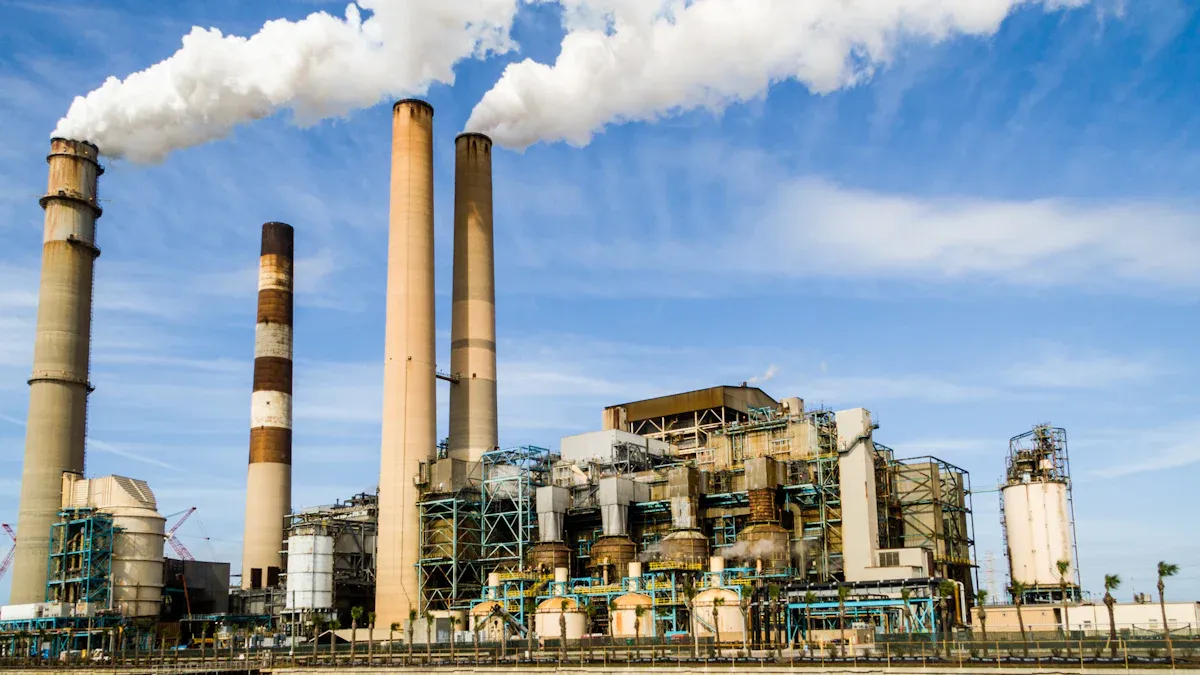
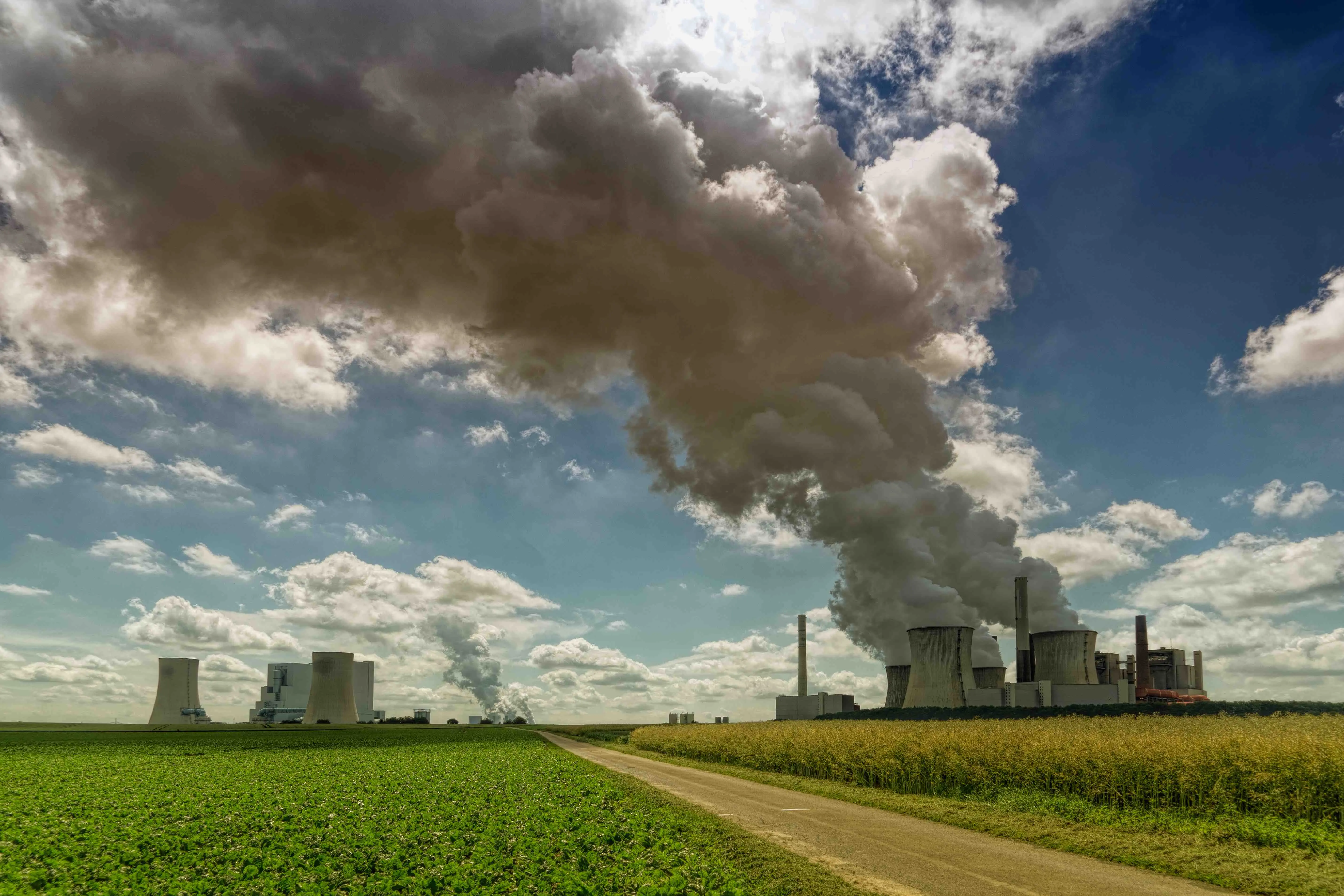
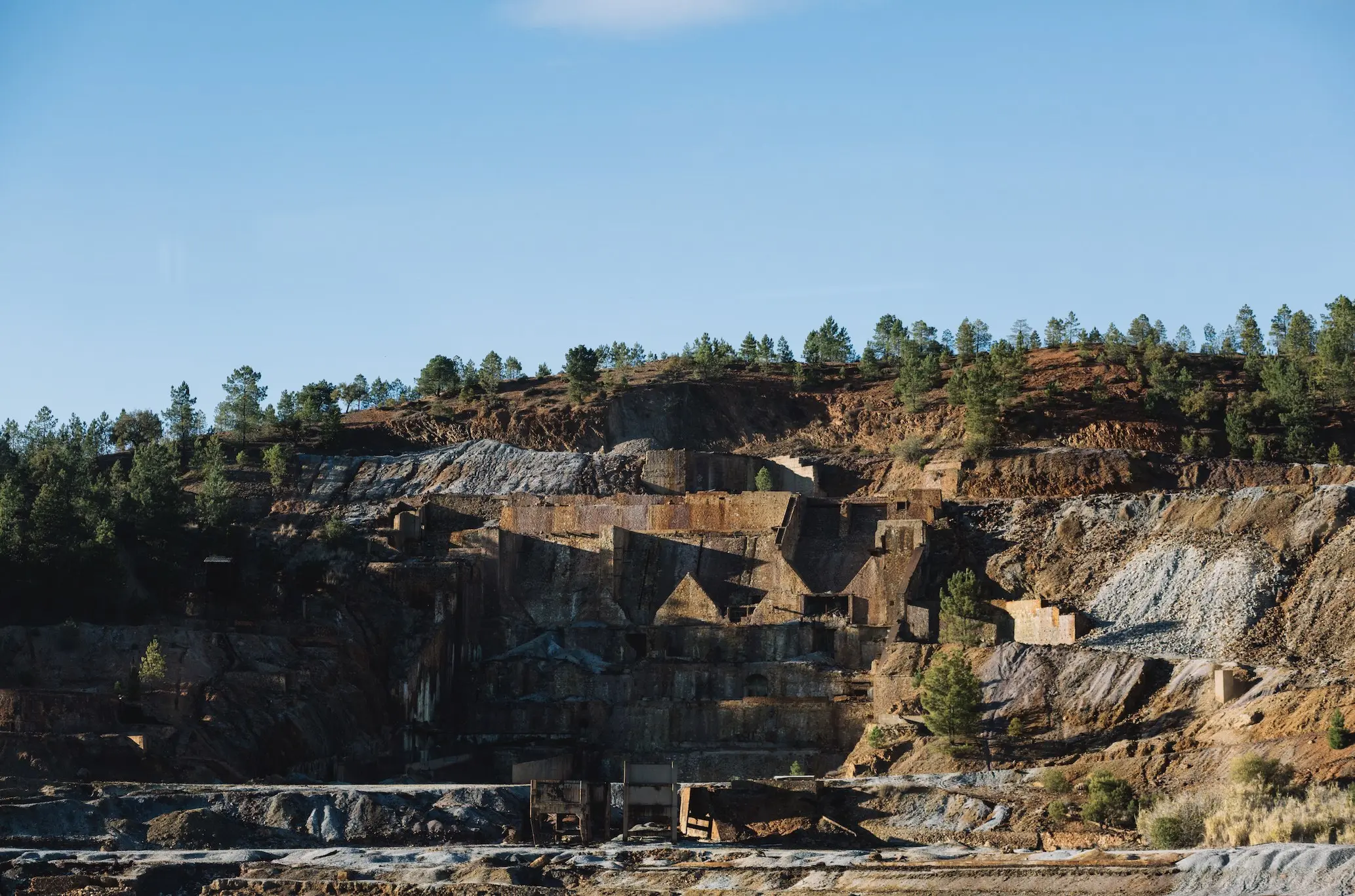
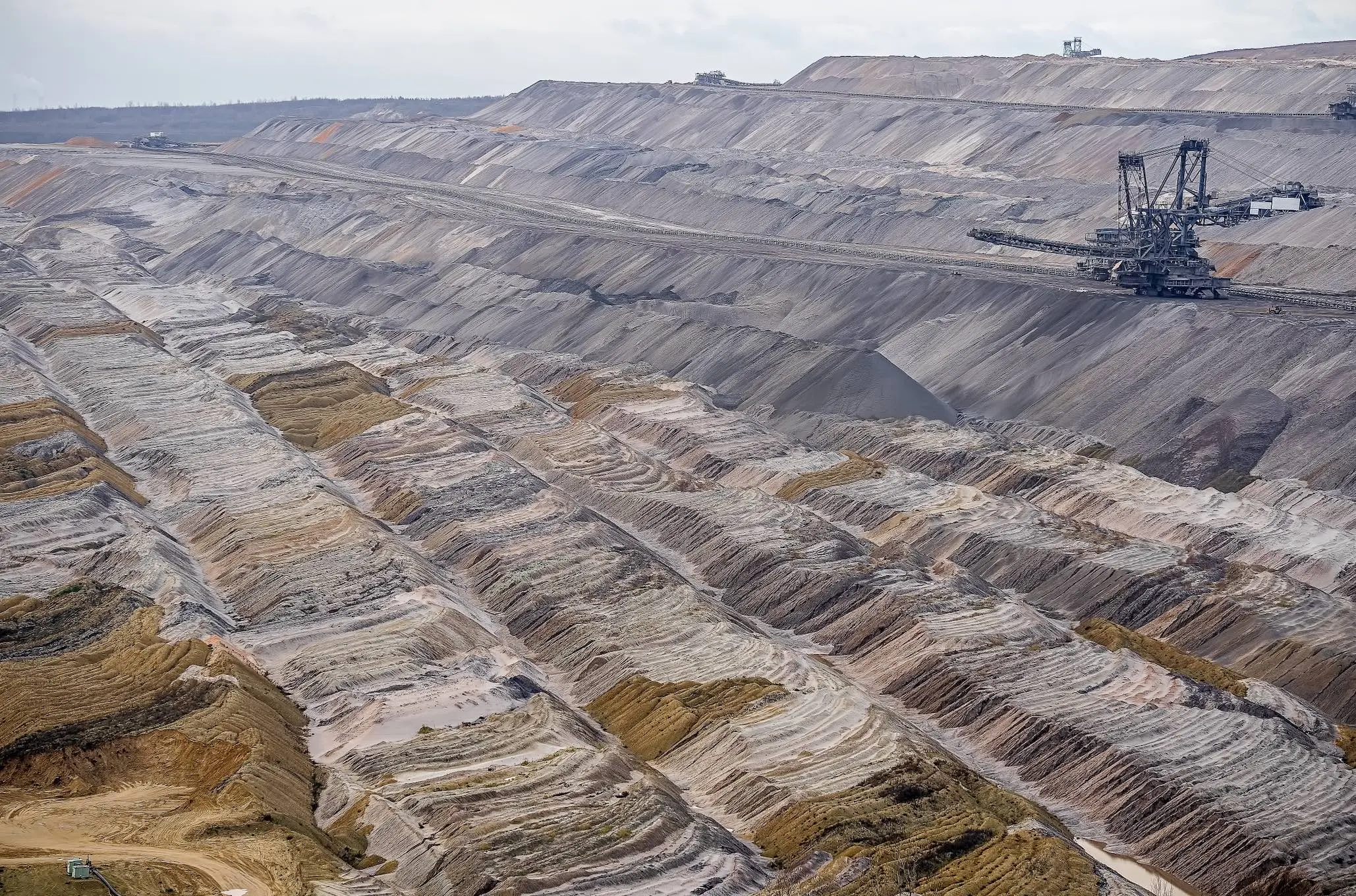
Mining operations frequently occur in challenging environments. These locations present significant geographical and climatic hurdles. Extreme temperature differentials are common, with seasonal variations exceeding 158°F (70°C). Temperatures can range from 86°F (30°C) in summer to -49°F (-45°C) in winter. Strong winds, dust, and high humidity are prevalent in summer. These conditions impact equipment through blockages and increased filter replacement. Winter brings long snowfalls and severe blizzards. This leads to issues like metal fatigue and frozen pipelines. Remote areas also lack developed roads and essential infrastructure. This complicates equipment service and maintenance. Regions like Peru experience extreme rainfall events. West Africa shows notable shifts in climatic patterns. Mineral concentrations are frequently found far from processing facilities. This drives mining expansion into distant regions like Alaska and Peru.
Why Standard Slurry Seals Fail in Mining Operations
Standard slurry seals often fail under typical mining conditions. Abrasive wear is a primary cause. Solid particles in the slurry act as grinding agents, wearing down sealing surfaces. High-speed rotation in centrifugal pumps exacerbates this. Degrading seals allow particles to infiltrate, causing shaft scoring and misalignment. This increases vibration and accelerates wear. Mining slurries also present chemical and pH extremes. pH levels range from highly acidic (2) to alkaline (12). These conditions corrode standard seal materials, especially with high temperatures and pressures.
Key Characteristics of a Resilient Heavy-Duty Slurry Seal
A heavy-duty slurry seal must possess specific characteristics to perform reliably in the demanding mining environment. These features ensure the seal withstands abrasive forces, chemical attacks, and extreme weather conditions.
Enhanced Aggregate Properties for Abrasive Slurries
The aggregate component of a resilient slurry seal plays a crucial role in resisting wear. Engineers select aggregates for their hardness, angularity, and durability. These properties allow the seal to stand up to the constant grinding action of abrasive slurries. High-quality aggregates minimize particle breakdown within the seal matrix. This maintains the seal's structural integrity over time. Proper aggregate gradation also contributes to a dense, interlocking structure. This structure reduces permeability and increases resistance to erosion.
Optimized Mix Design for Strength and Longevity
An optimized mix design is essential for a slurry seal's strength and longevity. This design involves carefully balancing all components: aggregate, binder, water, and chemical additives. Engineers determine the precise ratios through rigorous testing. The goal is to achieve maximum cohesion, internal strength, and workability. A well-designed mix prevents segregation of materials during application. It also ensures uniform curing and consistent performance across the entire sealed surface. This meticulous approach guarantees the seal performs as intended under operational stresses.
Resistance to Environmental Degradation in Mining Conditions
A resilient slurry seal must actively resist environmental degradation. This includes protection against UV radiation, extreme temperature fluctuations, and chemical exposure. Specialized additives in the binder system provide UV resistance. They prevent the binder from becoming brittle or breaking down under prolonged sunlight. The polymer modifications also contribute to thermal stability. They allow the seal to remain flexible in cold conditions and stable in high heat. Chemical resistance is crucial for mining slurries. These slurries often contain corrosive agents or have extreme pH levels. The chosen materials and mix design must withstand these chemical attacks. This prevents premature deterioration and maintains the seal's integrity.
Application Techniques for Extreme Readiness of Heavy-Duty Slurry Seals
Site Preparation Challenges in Remote Mining Areas
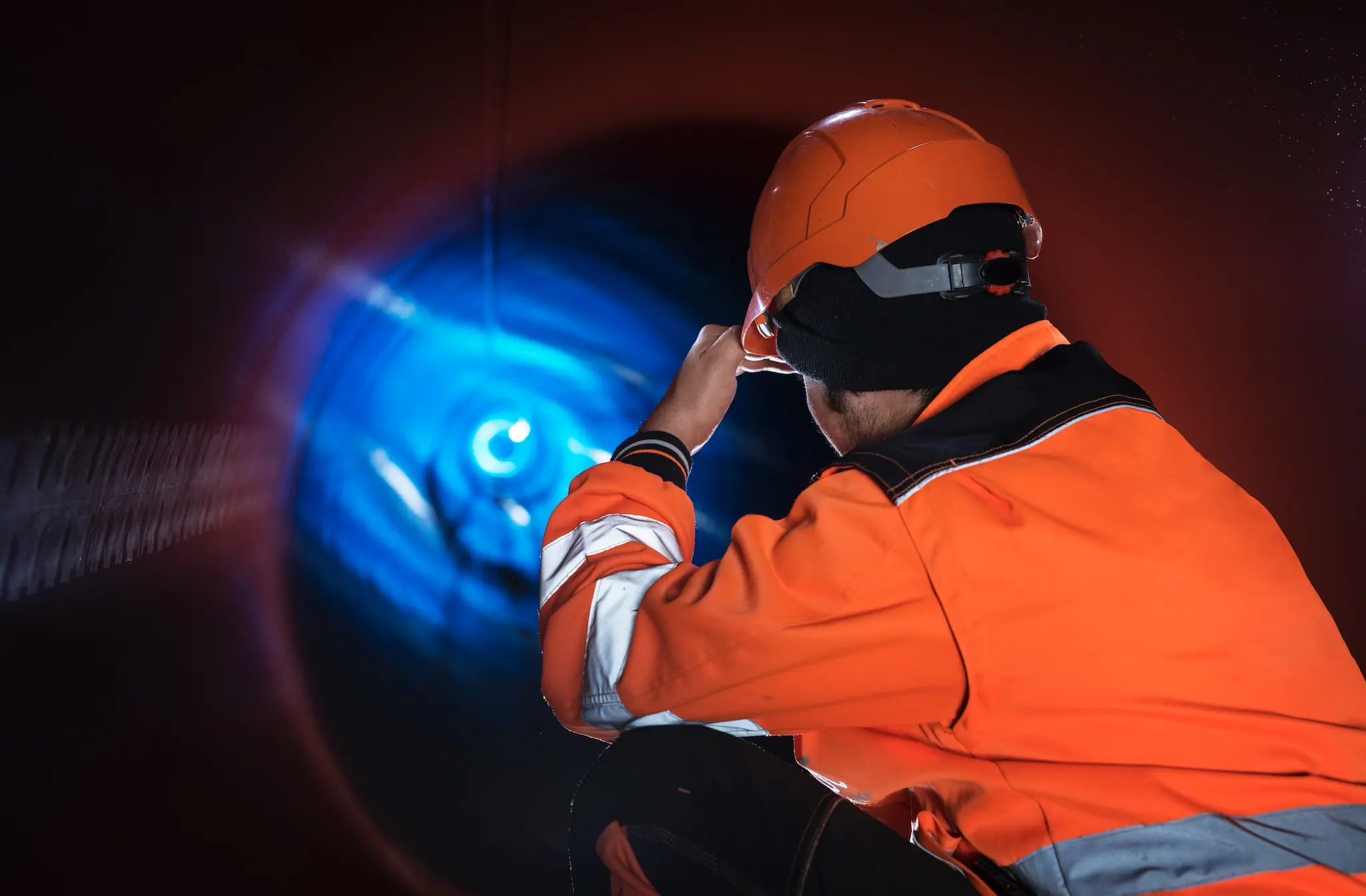
Remote mining areas present significant hurdles for site preparation. These locations often lack developed infrastructure. Transporting equipment and materials becomes complex and costly. Extreme weather conditions, such as heavy rainfall or freezing temperatures, can delay work. Dust and debris also require careful management. Proper site cleaning is essential before applying any heavy-duty slurry seal. Ignoring these challenges compromises the seal's adhesion and overall effectiveness.
Precision Application for Maximum Heavy-Duty Slurry Seal Performance
Precision application is critical for a slurry seal to achieve its maximum performance. Operators must use specialized equipment designed for these materials. They ensure uniform thickness and consistent coverage. Proper calibration of machinery prevents uneven distribution. Skilled technicians monitor application rates and environmental conditions. This meticulous approach guarantees the seal forms a robust, protective layer. It maximizes the seal's durability and extends its service life.
Critical Curing and Post-Application Care in Harsh Climates
Curing and post-application care are vital, especially in harsh climates. Extreme temperatures directly impact the curing process. Cold weather slows curing, while excessive heat can cause premature drying or cracking. Protecting the newly applied seal from wind, rain, and intense UV radiation is essential. Companies often use temporary shelters or specialized covers. Regular inspections during the curing phase identify potential issues early.
Proper curing ensures the seal develops its full strength and resilience. Neglecting this step can lead to premature failure. This careful attention ensures the seal develops its full strength and resilience.
Partnering for Superior Heavy-Duty Slurry Seal Solutions: The GW SEAL Advantage
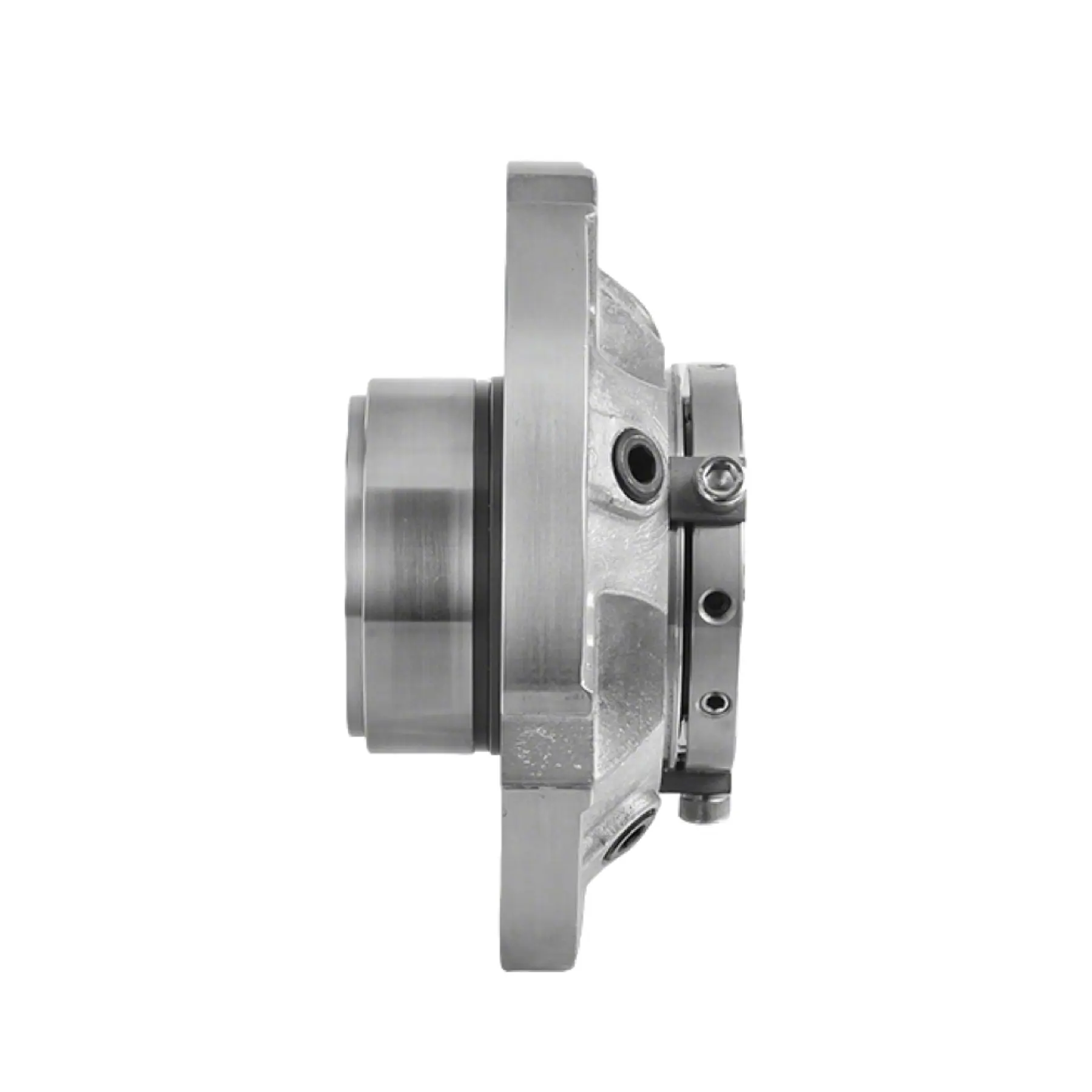
Choosing the right partner for slurry seal solutions significantly impacts operational success. GW SEAL specializes in robust mechanical seals. These seals withstand the extreme demands of slurry pump operations. They ensure reliable performance in mining and mineral processing.
GW SEAL's Advanced Materials for Extreme Wear and Corrosion
GW SEAL utilizes premium-grade materials. These materials include tungsten carbide, silicon carbide, and specialized elastomers. They provide superior wear and corrosion resistance. These advanced materials ensure seals endure highly abrasive, corrosive, and particle-laden fluids. This material selection protects critical pump assets effectively.
Innovative Heavy-Duty Slurry Seal Designs for Mining Applications
GW SEAL develops innovative designs for mining applications. They feature customized seal face configurations. Flushing plans prevent clogging. These designs extend seal life in harsh environments. Engineers specifically tailor solutions to handle the unique challenges of mining slurries.
Proven Durability and Reliability of GW SEAL Products
GW SEAL products demonstrate proven durability and reliability. The company tests its seals under high pressure. They also test under severe abrasive conditions. This rigorous testing ensures consistent performance. Customers experience reduced downtime and lower maintenance costs.
Maximizing Operational Efficiency with GW SEAL Heavy-Duty Slurry Seals
GW SEAL focuses on maximizing operational efficiency. Their seals dramatically reduce downtime. They also lower maintenance costs. This commitment extends to maximizing pump longevity. GW SEAL provides solutions that enhance overall productivity in demanding industrial settings.
Ensuring a heavy-duty slurry seal is truly ready for extreme mining environments demands a holistic approach. Focus on specialized materials, precise application, and thorough long-term planning. Addressing these critical factors and considering expert partners like GW SEAL allows confident deployment. This delivers unparalleled performance and longevity in the toughest conditions.
FAQ
What defines a heavy-duty slurry seal for mining environments?
Heavy-duty slurry seals feature advanced materials like tungsten carbide. They also have innovative designs. These seals resist extreme abrasion, corrosion, and high pressures common in mining slurries.
Why do standard slurry seals often fail in mining operations?
Standard seals fail due to abrasive wear from solid particles. They also cannot withstand chemical attacks from acidic or alkaline slurries. Extreme temperatures further degrade their performance.
How do extreme temperatures affect the performance of heavy-duty slurry seals?
Extreme temperatures cause material degradation. Cold makes seals brittle. High heat can cause premature drying or cracking. Polymer modifications help maintain flexibility and stability in these conditions.