
How to Troubleshoot Common Dewatering Pump Seal Issues in Mining
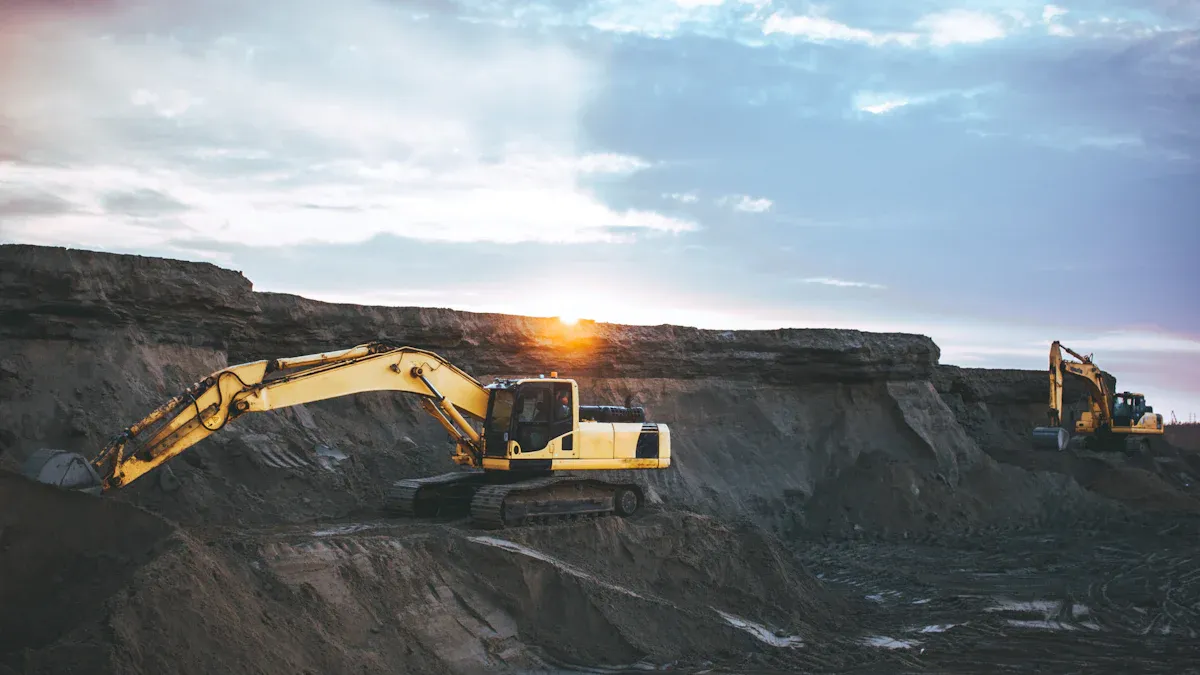
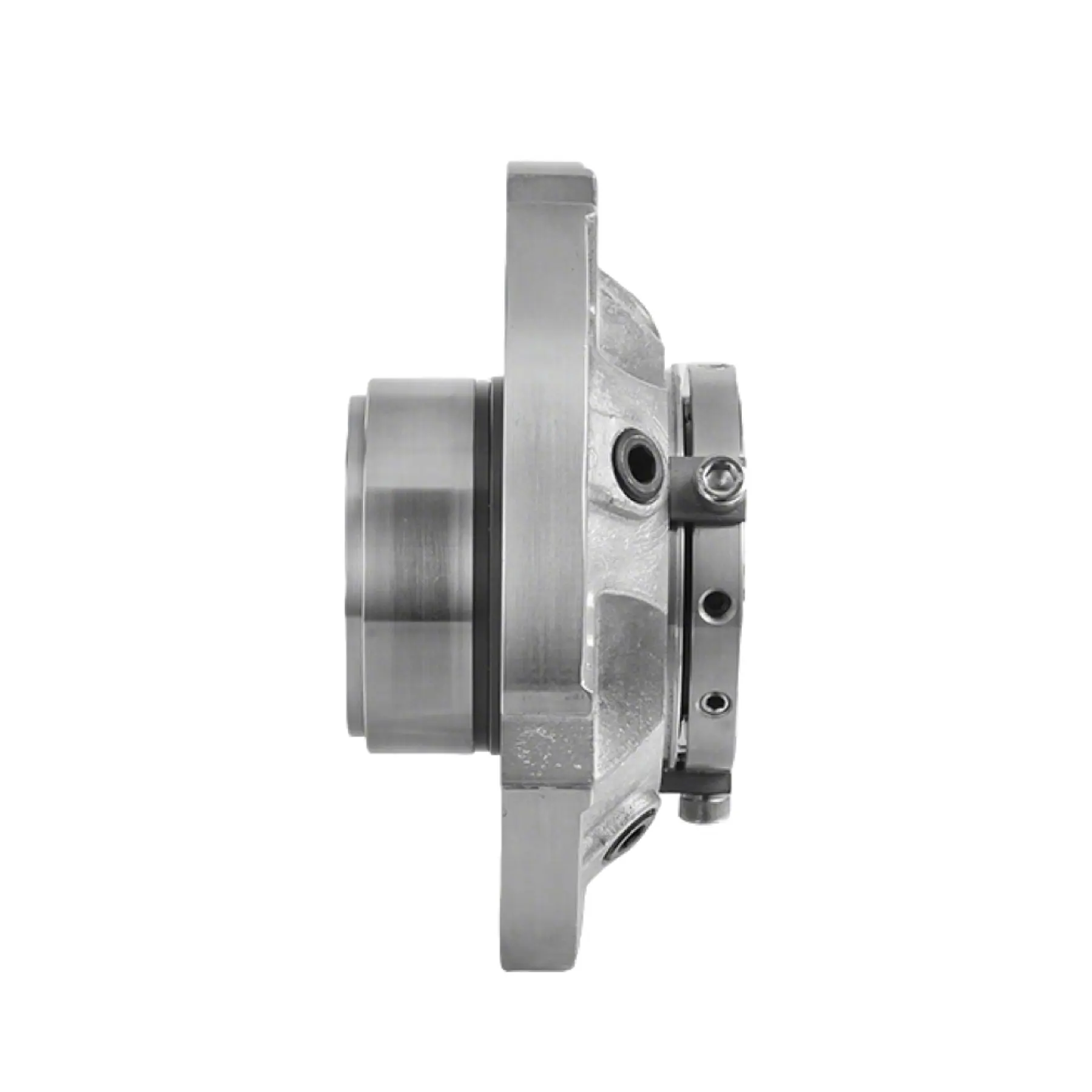
Dewatering pump seals play a crucial role in mining operations. They prevent leaks that can disrupt processes and compromise safety. Issues with the mining pump seal, such as wear and tear, can significantly impact operational efficiency. Addressing these common problems is essential for maintaining smooth operations.
Key Takeaways
- Regular inspections of dewatering pump seals can prevent leaks and operational disruptions. Look for cracks, discoloration, and changes in flexibility.
- Proper installation is crucial. Misalignment can lead to premature seal failure. Ensure correct geometric positioning during installation.
- Implement proactive maintenance strategies. Early detection of wear and tear can extend equipment life and reduce repair costs.
Common Dewatering Pump Seal Issues
Leaks
Leaks represent one of the most significant issues faced by dewatering pump seals in mining operations. They can lead to operational disruptions and safety hazards. Common causes of leaks include:
| Cause | Description |
|---|---|
| Wear and Tear/Contamination | Constant friction and exposure to fluids lead to deterioration and leaks. Contaminants can accelerate wear. |
| Improper Installation | Incorrect seal selection or misalignment can cause immediate or premature seal failure. |
| Overheating/Dry Running | Insufficient lubrication can cause seal faces to overheat, leading to failure and leakage. |
| Shaft Misalignment | Misalignment can cause uneven wear, resulting in leaks and premature failure. |
| Shocks and Vibrations | Excessive vibrations can damage seals, causing leaks or premature failure. |
| Inadequate Maintenance | Neglecting maintenance can lead to leaks due to worn parts or insufficient lubrication. |
Addressing these causes promptly can prevent leaks from escalating into more severe problems.
Wear and Tear
Wear and tear on dewatering pump seals is inevitable due to the harsh conditions in mining environments. Factors such as suspended solids, aggressive fluids, and mechanical stresses contribute to this deterioration. According to recent industry surveys, clogging from gritty materials is the leading cause of pump failure. Corrosion from aggressive fluids can also lead to significant wear on pump materials.
Regular inspections and maintenance are essential to identify signs of wear early. Operators should look for:
- Cracks or abrasions on the seal surface
- Discoloration or pitting
- Changes in the seal's flexibility
By monitoring these indicators, operators can take proactive measures to replace worn seals before they fail.
Performance Inefficiencies
Faulty dewatering pump seals can lead to various performance inefficiencies that impact overall mining productivity. Common issues include:
- Overheating and mechanical failures due to faulty mechanical seals.
- High speeds of dewatering pumps generating excessive heat, causing seals to fail.
- Plugged suctions and lack of proper controls worsening performance inefficiencies.
Seal failures can cause ore processing to stop for 8 to 24 hours, leading to significant productivity losses. Over the last five years, seal failures have resulted in a total cost of USD$67 billion for mining companies. Upgrading to advanced mechanical seals can help reduce these inefficiencies and improve overall operational efficiency.
By understanding these common issues, mining operators can implement effective strategies to troubleshoot and maintain their dewatering pump seals, ensuring smoother operations and enhanced safety.
Causes of Dewatering Pump Seal Problems
Material Fatigue
Material fatigue is a common issue that affects dewatering pump seals. Over time, seals experience repeated stress from operational demands, leading to deterioration. Operators can detect material fatigue before complete failure occurs through various methods:
| Method | Description |
|---|---|
| Visual inspection | Detection of cracks or other deformations. |
| Noise analysis | Damaged metal makes a specific rattling noise. |
| Ultrasonic and X-ray | Diagnostics similar to those used in human bodies. |
| Fluorescent dyes | Make cracks visible. |
| Magnetic powders | Applied to iron parts for detection. |
Regular monitoring using these methods can help operators identify fatigue early, allowing for timely replacements and minimizing downtime.
Improper Installation
Improper installation of dewatering pump seals can lead to significant issues. Common installation errors include:
- Misalignment of seals, which can cause cracks in the rotating seal and immediate failure.
- Unintentional contact with the seal face during handling, transferring oils and dirt that lead to premature failure.
- Lack of proper training in installation and handling, resulting in misalignment and errors that cause leaks.
Proper installation is crucial to prevent misalignment and ensure correct geometric positioning. Misalignment increases wear and tear, leading to premature seal failure and reduced longevity. Operators should regularly check the alignment of dewatering pumps to prevent rapid wear of components. Ensuring correct installation from the beginning is essential, especially in challenging conditions.
Environmental Factors
Environmental conditions in mining sites significantly contribute to seal failures. Mining environments are characterized by extreme conditions that challenge seal performance. Key factors include:
- The presence of abrasive materials that can wear down seals quickly.
- The use of large volumes of water, harsh chemicals, and gases in processing materials, which contribute to wear and tear.
- Coarse materials and thick slurries with high concentrations of abrasives can damage pumps, leading to seal failures.
These environmental challenges necessitate robust seal designs that can withstand harsh conditions. Operators must consider these factors when selecting and maintaining dewatering pump seals to ensure optimal performance.
Troubleshooting Dewatering Pump Seal Steps
Identifying Leaks
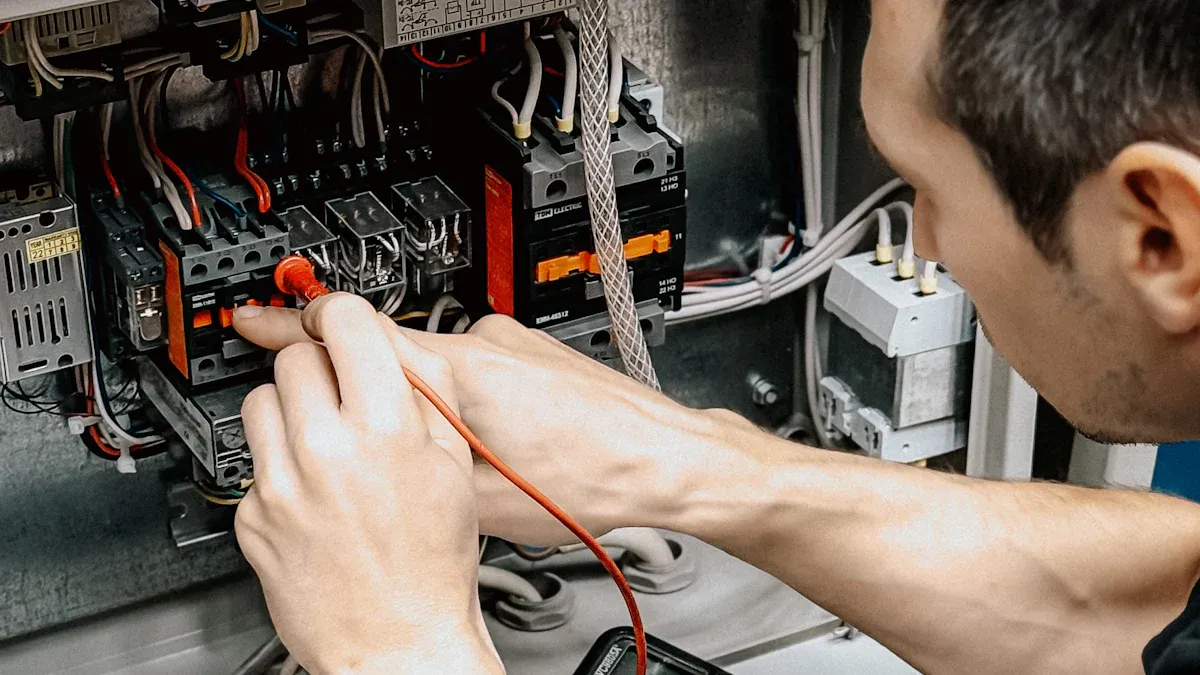
Identifying leaks in dewatering pump seals is crucial for maintaining operational efficiency. Operators can utilize several diagnostic tools to detect leaks effectively:
- Visual inspections for signs of fluid leakage around the pump.
- Monitoring inline water filters to ensure proper filtration.
- Checking flow regulators to confirm correct operation.
A systematic approach to visual inspection can optimize leak detection. The following techniques can enhance the process:
| Inspection Technique | Purpose |
|---|---|
| Inspect visual flow indicators | Identify excessive makeup water, indicating a seal leak |
| Periodically blow down and refill | Discourage dirt and contaminants buildup |
| Schedule inspections during maintenance | Minimize downtime and ensure thorough checks |
Assessing Wear
Assessing wear on dewatering pump seals involves regular monitoring and inspection. Operators should look for signs of deterioration, such as cracks or discoloration. They can also perform visual inspections to identify any visible damage.
To enhance the assessment process, operators can:
- Use a flashlight to illuminate hard-to-see areas.
- Note any residue buildup to identify the type of fluid leaking.
- Monitor equipment health through parameters like vibration and temperature.
These methods help operators detect wear early, allowing for timely replacements and minimizing downtime.
Evaluating Performance
Evaluating the performance of dewatering pump seals is essential for identifying potential issues. Key performance metrics include gland water flow and pressure settings. Inconsistent settings can lead to premature wear on seals.
Data logging can significantly improve performance evaluation. Continuous monitoring of critical parameters allows for early detection of issues. Real-time alerts from IoT-enabled sensors help prevent costly failures by addressing problems before they escalate.
By implementing these troubleshooting steps, mining operators can ensure the longevity and efficiency of their dewatering pump seals, ultimately enhancing operational safety and productivity.
Regular maintenance and monitoring of dewatering pump seals are vital for mining operations. They extend equipment life, reduce repair costs, and improve operational efficiency.
Benefits of Regular Maintenance:
Benefit Description Extended Equipment Life Regular maintenance helps in prolonging the lifespan of pumps, including dewatering pump seals. Reduced Repair Costs Well-maintained pumps incur less frequent and cheaper repairs. Improved Operational Efficiency Preventative maintenance ensures pumps operate efficiently, minimizing downtime.
Proactive measures can prevent seal issues. Early detection of potential problems reduces the likelihood of failures. Operators should prioritize monitoring techniques to maintain optimal performance.
By addressing problems promptly, mining companies can safeguard their operations and enhance productivity.
FAQ
What are the signs of a failing dewatering pump seal?
Common signs include leaks, unusual noises, and decreased performance. Regular inspections help identify these issues early.
How often should I inspect dewatering pump seals?
Inspect seals at least quarterly. More frequent checks may be necessary in harsh operating conditions.
Can environmental factors affect seal performance?
Yes, abrasive materials and harsh chemicals can accelerate wear and tear on seals, leading to premature failure.
