




How to See Hygienic Mechanical Seal as Your Dairy's Shield

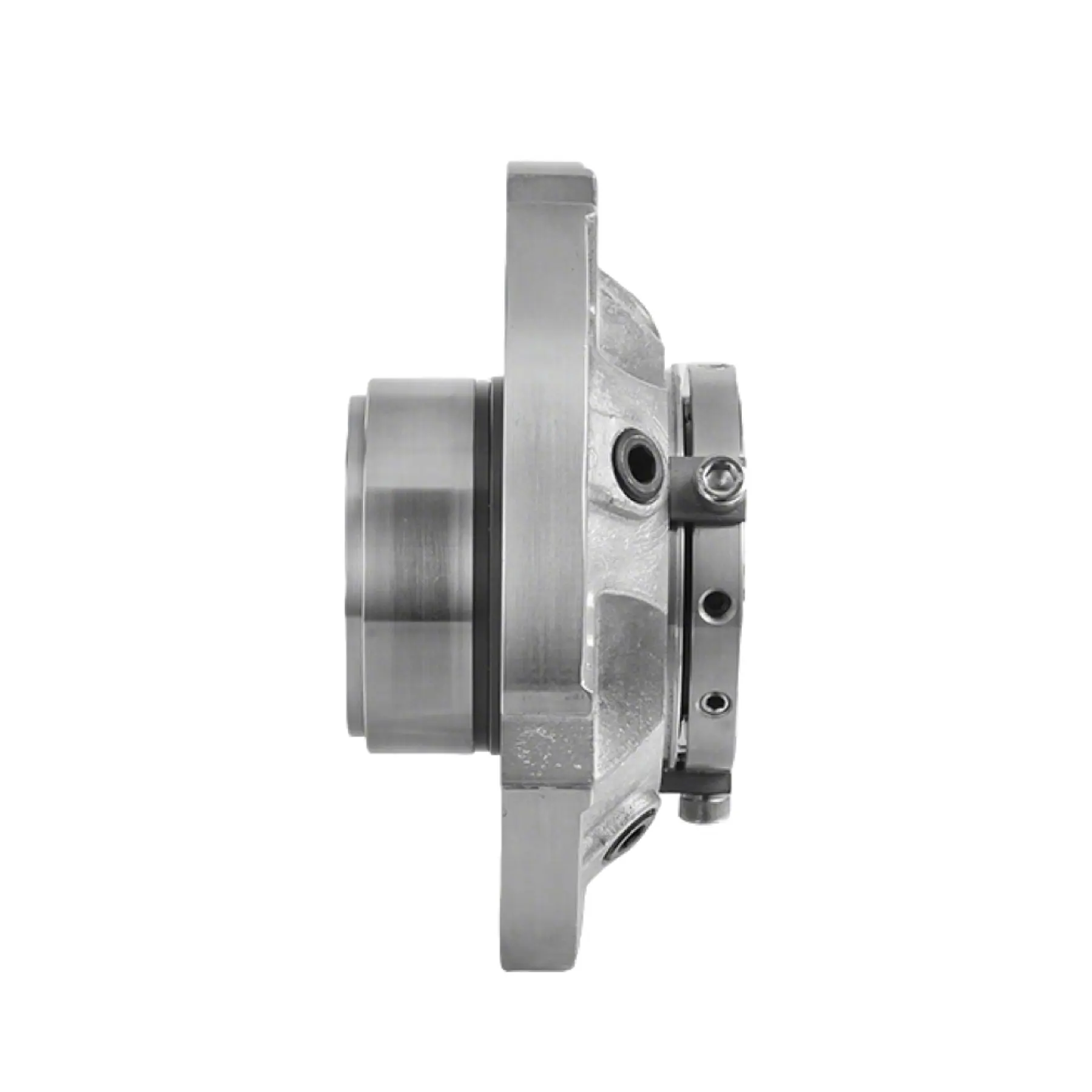
Hygienic mechanical seals play a crucial role in safeguarding dairy products from contamination. They ensure operational integrity within processing systems. These specialized components effectively prevent bacterial ingress and product leakage, maintaining the purity of dairy goods.
Key Takeaways
- Hygienic mechanical seals protect dairy products. They stop germs and leaks. This keeps dairy products safe and clean.
- These seals use special materials and designs. They are easy to clean. This helps dairy factories meet strict safety rules.
- Good seals save money. They prevent product waste. They also make sure machines run without stopping often.
Why Dairy Processing Demands Specialized Hygienic Mechanical Seal Solutions

Navigating High Standards of Cleanliness and Sterilization
Dairy processing environments demand exceptional cleanliness. Equipment must withstand rigorous cleaning-in-place (CIP) and sterilization-in-place (SIP) procedures. Hygienic mechanical seals play a critical role here. Their design features facilitate effective CIP/SIP processes. For instance, seals often have a surface finish meeting Ra 0.8 μm standards or better. This prevents bacterial adhesion and aids cleaning. Crevice-free construction eliminates potential contamination points. Optimized drainage prevents pooling of cleaning agents. Furthermore, steam sterilization capabilities allow for effective SIP procedures without compromising seal integrity.
Addressing Product Viscosity and Abrasiveness Challenges
Dairy products present diverse challenges due to their varying viscosities and potential abrasiveness. Milk is a low-viscosity liquid, often handled by centrifugal pumps. However, products like cream, cultured milk, and curds are highly viscous. Positive-displacement pumps handle these non-Newtonian fluids. Yogurt, for example, is a thixotropic fluid whose viscosity changes during processing. Seal materials must maintain integrity across these varying fluid properties. Advanced seal rings, such as silicon carbide or tungsten carbide, are chosen based on specific operating conditions and media compatibility, including viscosity. Elastomer components like VITON or EPDM also ensure compatibility with diverse product characteristics.
Meeting Stringent Regulatory Compliance (FDA, 3-A Sanitary Standards)
Dairy processors operate under strict regulatory frameworks. The FDA and 3-A Sanitary Standards set high benchmarks for equipment design and material selection. FDA CFR 21 177.2600 is a key regulation for material contact surfaces. This regulation ensures that materials, like those used in a hygienic mechanical seal, are safe for food contact. FDA-grade materials resist bacterial buildup and fungal attack. They are non-marking, non-toxic, and non-allergenic. These materials also provide reliable service across wide temperature ranges and remain neutral under harsh conditions. Compliance with these standards is non-negotiable for dairy operations.
Essential Features of a High-Performance Hygienic Mechanical Seal
Selecting FDA-Approved Materials for Dairy Safety
High-performance seals in dairy processing rely on materials meeting stringent safety standards. Manufacturers commonly use stainless steel, FDA-approved elastomers, PTFE, and ceramic components for hygienic mechanical seal parts. These materials ensure product purity and prevent contamination. Among elastomers, EPDM offers excellent resistance to steam, water, and cleaning chemicals, making it suitable for pasteurizers and CIP systems. Silicone provides flexibility and temperature stability, ideal for various dairy and beverage applications. FKM combines heat resistance with compatibility for oils and fats. For the highest level of chemical resistance, FFKM (e.g., Canrez®, Kalrez®) maintains integrity in acidic and alkaline conditions.
Specific FDA-approved elastomers offer distinct advantages. FDA Silicone Rubber (VMQ) remains inert, non-toxic, and biocompatible across a wide temperature range (-60°C to +230°C), making it sterilizable for food processing. FDA EPDM Rubber excels in resistance to water, steam, and cleaning agents, performing consistently in dairy equipment. FDA Nitrile Rubber (NBR) resists oils and grease, offering an economical choice for food-grade seals. FDA Fluorocarbon (FKM) provides chemical resistance and high-temperature stability, useful with aggressive cleaning chemicals. For specialized needs, PTFE-encapsulated O-rings offer mechanical strength and purity. Examples include Chem-Ring FEP/PFA encapsulated O-rings, which feature a silicone or Viton™ core with a PTFE jacket to protect the elastomer from dairy fluids. Kamlock™ FEP/PFA encapsulated gaskets provide universal, non-contaminating cam-and-groove seals, eliminating elastomer exposure and preventing cold-flow leakage.
Designing for Optimal Cleanability and Eliminating Dead Spaces
Effective design is crucial for preventing microbial growth and ensuring thorough cleaning. Seals must be 'gap-free' under all operating conditions. This design prevents the accumulation of soil and microbes. Engineers avoid deep annular crevices around shaft seals. They also ensure seals are easily cleanable. A key principle involves preventing the use of springs in the product contact area.
Designers ensure a defined pre-tension or compression of seals for reliable and permanent sealing. They use simulation software to calculate and design seal installation spaces and cross-sections. This achieves necessary surface compression without excess pressure. Dynamic seals, such as those on adjustable sleeves and ball joints, allow adjustment while maintaining a gap-free, pre-tensioned seal. All surfaces in contact with the seal must have a surface finish of at least Ra 0.8 µm. This smooth finish prevents bacterial adhesion and facilitates cleaning.
Ensuring Flexibility and Adaptability for Diverse Dairy Applications
Dairy processing involves a variety of equipment, each requiring specific seal configurations. For C-series sanitary pumps, commonly used in dairy, two primary configurations exist: the Type D Seal and the Type DG Seal/Seat. The Type D Seal, an external balanced seal with a rotary carbon seal against a stationary stainless steel backplate, suits many beverage, dairy, and juice applications. However, it may struggle with slurries or exceptionally hot fluids. The Type DG Seal/Seat is recommended for abrasive, non-lubricating products. This configuration uses a modified backplate to affix a silicon carbide, ceramic, or tungsten carbide stationary seal. The Type D rotating portion then rides on this harder stationary seal. Upgrading the rotating seal to a harder material like silicon carbide offers maximum corrosion and wear resistance for challenging products. Existing Type D pumps can be retrofitted with a DG seal.
For mixers and agitators in sanitary applications, including dairy, the Flexaseal’s Style 85M Fully Split Cartridge Mechanical Seal offers a suitable configuration. This seal features a large radial clearance to accommodate shaft movement, addressing run-out concerns common in mixers. Its two-piece fully split cartridge design allows for fast, easy, and simple installation without needing to empty the tank. Precision-lapped seal faces are protected within the cartridge halves, preventing dirt and grease impact. They are also hydraulically balanced for a wider range of operating pressures. A stationary multi-spring design ensures springs do not flex with every revolution. The springs are encased to prevent clogging or corrosion from contact with the sealed fluid. The O-ring is located outside the stuffing box, away from potential damage. This seal is fully assembled and pressure tested at the facility, ensuring sealing integrity and a high success rate for installation.
Building Robustness and Longevity to Minimize Downtime
High-performance seals contribute significantly to operational efficiency by minimizing downtime. Properly installed and stabilized mechanical seals typically provide 3-5 years of useful service. If seals fail sooner, it may indicate issues with worn equipment or flush fluid characteristics. The SE-32 Mechanical Seal, designed for food and beverage applications including dairy, has a typical design life exceeding 8,000 operating hours under normal conditions. Many installations achieve significantly longer service life with proper maintenance. When used in Grundfos pumps, these seals often lead to improved mean time between failures (MTBF) compared to original equipment seals.
Material combinations and design choices contribute to extended seal life in demanding dairy environments. Polypropylene, polyethylene, and polystyrene, combined with custom barrier laminations or coextrusions, enhance durability. ICPG's XPP™ Enhanced Barrier Polypropylene offers up to 80% improvement in Oxygen Transmission Rate (OTR) and Moisture Vapor Transmission Rate (MVTR) barrier properties. This allows for structure optimization, leading to extended shelf-life performance through simplified, 100% recyclable structures. For dairy products undergoing High-Pressure Processing (HPP), packaging requires a hermetic seal. Any leaks become immediately apparent when the package exits the pressurized system, indicating a failure in maintaining product integrity. Extended shelf life in chilled dairy products fundamentally depends on high levels of hygiene throughout the entire dairy operation. Implementing advanced hygienic design in filling and packaging machinery prevents product recalls, simplifies cleaning processes, and reduces waste. This contributes to the overall success of the shelf-life extension system.
Peelability is a critical factor in choosing heat seal lidding layers for dairy packaging. It involves matching the proper lidding seal layer to the cup's material and controlling the seal initiation temperature. The design challenge is to maintain the seal's integrity throughout the supply chain while providing practical ease of use for consumers. Medium to strong peel strength is often preferred for soft, spoonable dairy products. This protects them during shipping and handling, prevents tampering, and ensures consumer convenience. A growing trend in consumer-packaged dairy products is the use of mono-plastic, mono-polymer, or mono-material lidding films and cup combinations. This design choice involves using films where all layers are of the same plastic type as the cups they are sealing. This approach significantly enhances recyclability. For soft dairy and spoonable foods, ensuring food safety and quality requires sturdy, protective seals between the lidding and cup rims. This is achieved by optimizing tool design, control, and sealing parameters during the heat seal process. Consistent seals result in lower, predictable production costs, minimal scrap, and maintained production line speeds, all contributing to the integrity and extended life of the seal.
The Tangible Benefits of Superior Hygienic Mechanical Seal Implementation

Elevating Product Safety and Quality Standards
Superior hygienic mechanical seals significantly enhance product safety and quality within dairy operations. They function as essential barriers throughout the entire production and packaging processes. These seals prevent contamination by effectively containing liquids, gases, and other ingredients. This containment stops harmful bacteria from entering the product, a critical function for perishable dairy goods. During packaging, mechanical seals ensure tight seals. This prevents air and contaminants from seeping into dairy products. For example, in vacuum packaging for cheeses, a perfect seal is vital. It prevents oxygen, which promotes bacterial growth and oxidation, from compromising freshness. Additionally, these seals prevent leakage in liquid dairy lines, such as yogurt dispensers. They also block external contaminants like dust and bacteria from entering packaging systems. This maintains a sterile environment and preserves product integrity for longer periods. Ultimately, a high-quality hygienic mechanical seal directly contributes to extended shelf life for various dairy products.
Reducing Operational Costs and Unplanned Downtime
Implementing superior hygienic mechanical seals directly translates into significant reductions in operational costs and unplanned downtime. Reliable seals minimize the frequency of maintenance interventions. This reduces labor costs and the expense of replacement parts. They effectively prevent product loss due to leaks, which can be substantial in high-volume dairy processing. Preventing leaks also reduces the need for extensive cleanup operations, saving both time and resources. When seals perform consistently, equipment operates more efficiently. This leads to fewer production interruptions and higher overall throughput. Dairy facilities experience greater productivity and lower overheads by minimizing unexpected breakdowns and maximizing uptime.
Securing Regulatory Compliance and Enhancing Brand Reputation
High-performance hygienic mechanical seals are instrumental in securing regulatory compliance and enhancing a dairy brand's reputation. These seals help facilities meet stringent standards set by bodies like the FDA and 3-A Sanitary Standards. Compliance is non-negotiable in the dairy industry. It ensures product safety and legality. By consistently meeting these rigorous standards, dairy producers avoid costly fines, product recalls, and potential legal issues. Beyond compliance, a commitment to superior hygiene, evident in reliable sealing solutions, builds consumer trust. Consumers increasingly value transparency and safety in their food products. A strong reputation for quality and safety differentiates a brand in a competitive market. This fosters customer loyalty and strengthens the brand's position.
GW SEAL: Innovating Hygienic Mechanical Seal Technology for Dairy
Advanced Engineering for Dairy-Specific Applications
GW SEAL employs cutting-edge engineering principles for dairy processing. They design seals to withstand the industry's demanding conditions. Their engineers focus on advanced material science and precise fluid dynamics. This ensures optimal performance against varying product viscosities, from thin milk to thick yogurt, and extreme temperatures. GW SEAL's designs also facilitate efficient Clean-in-Place (CIP) and Sterilization-in-Place (SIP) processes. This advanced approach creates robust and reliable sealing solutions for critical dairy equipment.
Unwavering Commitment to Quality and Compliance Standards
GW SEAL maintains a strong commitment to quality and regulatory compliance. They rigorously test all materials and finished products. Their manufacturing processes adhere strictly to FDA guidelines and 3-A Sanitary Standards. This dedication ensures every hygienic mechanical seal meets the highest safety and performance benchmarks. GW SEAL provides dairy producers with peace of mind. They understand the importance of preventing contamination and ensuring product purity.
Tailored Hygienic Mechanical Seal Solutions for Diverse Dairy Needs
GW SEAL understands the diverse needs of the dairy sector. They offer customized hygienic mechanical seal solutions for various applications. Whether for pumps, mixers, or homogenizers, GW SEAL designs seals to fit specific equipment and product types. This adaptability ensures optimal sealing integrity across the entire dairy production line. They provide precise solutions for unique operational challenges, from high-speed filling to gentle product handling. GW SEAL's expertise helps dairy facilities maintain efficiency and product safety.
Investing in flexible and hygienic mechanical seals represents a strategic imperative for dairy operations. These critical components directly impact product safety, enhance operational efficiency, and boost overall profitability. They serve as an indispensable shield, fortifying your dairy's integrity and ensuring long-term success in a demanding market.
FAQ
What makes a mechanical seal "hygienic"?
Hygienic seals use FDA-approved materials. They feature crevice-free designs. This prevents bacterial growth and allows for thorough cleaning.
Why are specific materials important for dairy seals?
Dairy seals require FDA-approved materials like EPDM or PTFE. These materials resist dairy products, cleaning chemicals, and high temperatures. This ensures product safety.
How do hygienic seals reduce dairy operational costs?
Hygienic seals prevent leaks and contamination. This reduces product loss and minimizes cleaning time. It also decreases maintenance needs, lowering overall operational costs.