





How to Safeguard Your Petrochemical Plant from Seal Failures
Seal failures critically impact petrochemical plant safety and profitability, causing significant operational disruptions. Proactive prevention is essential for maintaining operational continuity. Downtime analysis reveals that issues like high pressure overload account for 30% of failures, underscoring the vital role of a reliable seal for petrochemicals.
Key Takeaways
- Seal failures in petrochemical plants are serious. They cause big problems and cost a lot of money. Good seals keep dangerous materials inside and prevent accidents.
- Choosing the right seal is very important. Seals must match the job. Proper installation and care make seals last longer and work better.
- Regular checks and good maintenance keep seals working well. Using special tools and training staff helps prevent leaks. This makes the plant safer and more reliable.
Understanding the Risks of Seal Failures in Petrochemicals
Common Causes of Seal Degradation
Seal degradation in petrochemical plants stems from various factors. Often, seal face fracturing leads to failure. Cracks propagate where the seal face contacts metal anti-rotation components. This structural weakness compromises the seal's integrity. Other common causes include chemical attacks from aggressive process fluids, thermal stress from extreme temperatures, and abrasive wear from slurries. Improper installation techniques also contribute significantly to premature seal failure, highlighting the need for precision during assembly.
Financial and Safety Implications of Failure
Seal failures carry severe financial and safety implications for petrochemical operations. Beyond direct repair costs, companies face legal costs and regulatory sanctions due to the environmental impact of leaks. Such incidents negatively affect a company's reputation and economic stability. Operational efficiency decreases as systems work harder to compensate for leaks. Financial penalties for gas or oil leaks, often resulting from corrosion failures, add to the burden. Furthermore, asset damage, lost commodities, and extensive cleanup requirements create significant expenses. Operational disruptions in downstream chemical production also occur, impacting the entire supply chain.
Importance of Process Containment
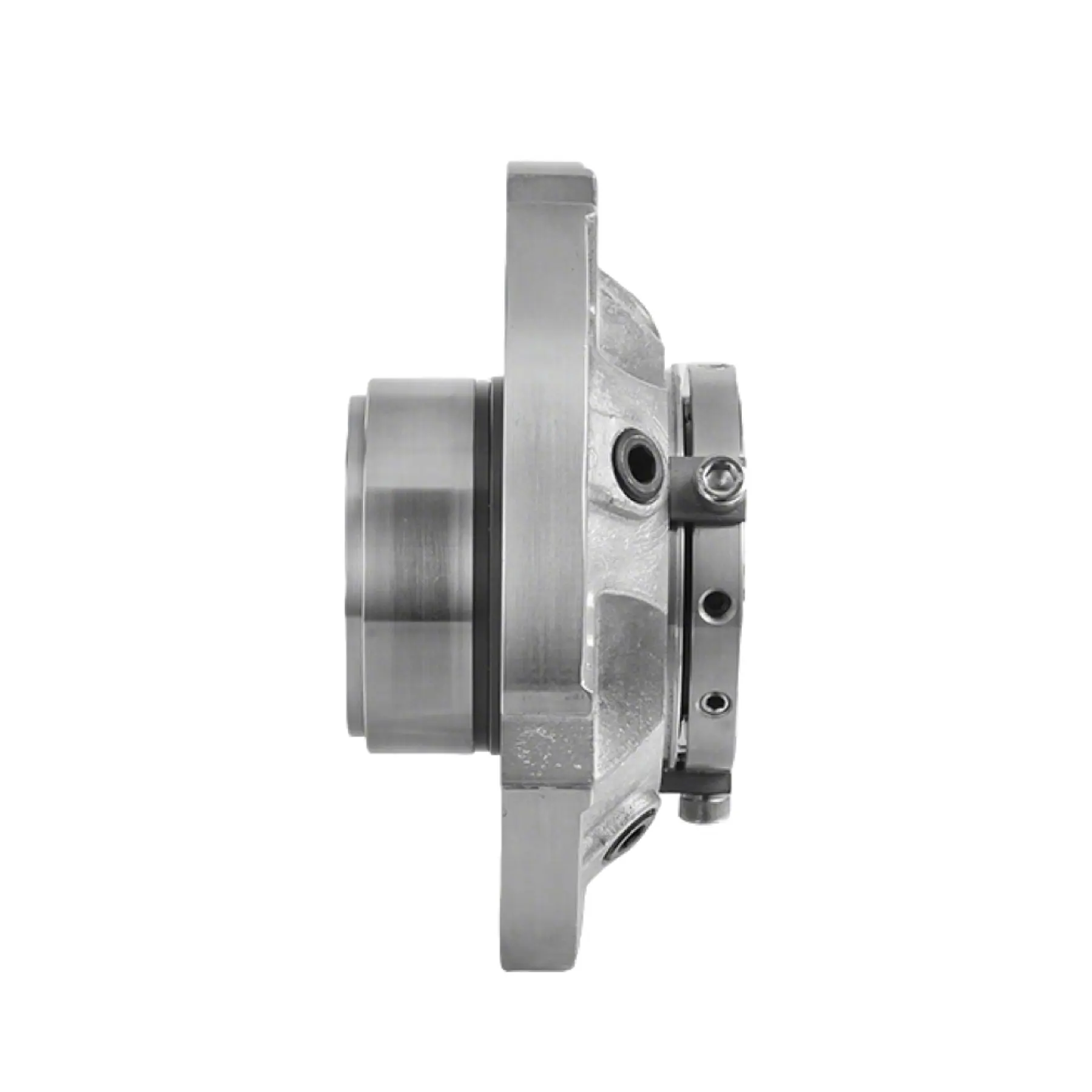
Process containment is paramount when handling hazardous materials. Equipment must contain these materials to prevent their escape to the atmosphere during manufacturing. The integrity and reliability of the seal for petrochemicals isolate hazardous fluids and prevent their spread. A robust seal prevents harm to personnel and avoids environmental damage. For flammable fluids, it eliminates the risk of fire or explosion. The quality of the mechanical seal is vital for keeping process fluid inside the pump casing. Failure of this critical component risks the loss of process containment, leading to potentially catastrophic outcomes.
Strategic Selection and Design of Seal for Petrochemicals
Selecting and designing the correct seal for petrochemical applications is a critical step in preventing failures and ensuring operational integrity. This process requires careful consideration of various factors, from the specific process conditions to the materials used and installation methods.
Matching Seals to Specific Process Conditions
Effective seal selection begins with a thorough understanding of the operating environment. Engineers must match seal types to specific process conditions. Several primary considerations guide this crucial decision:
- Fluid Properties: The nature of the fluid, whether corrosive, abrasive, or viscous, dictates the seal's material and design.
- Operating Conditions: Temperature, pressure, and rotational speed are crucial factors. They directly influence the seal's performance and durability.
- Shaft Materials: The shaft's material and surface finish significantly influence the seal's longevity.
- Environmental Challenges: External factors like vibration, misalignment, and contamination affect the seal's reliability and lifespan.
Understanding the operating environment is paramount. This includes temperature, pressure, and chemical exposure, which are crucial for material and design choices. Flow rate and particle size must match the seal's integrity and filtration performance. Prioritizing easy maintenance reduces downtime and simplifies replacement. Ensuring compliance with industry standards like FDA, ASME, and ISO is vital for safety and quality. Evaluating the total cost of ownership, including purchase price, maintenance, service life, energy use, and performance efficiency, ensures long-term value.
API 682 offers valuable guidance for selecting mechanical seals in specific applications, including petrochemical industries. While not a mandatory requirement, it provides a structured approach. This approach helps gather information on the application, regulations, and local requirements. Engineers then use this information to determine the appropriate seal category, type, arrangement, and piping plan. A primary reason for selecting a specific seal arrangement, as highlighted by API 682, is to mitigate process fluid leakage to the atmosphere. For instance, single seals suit benign fluids where leakage is not critical. Arrangement 2 seals offer additional leakage control. Arrangement 3 seals prevent leakage entirely with high-pressure barrier fluid.
Further considerations for matching seals include:
- Media Type: Categorizing fluids into groups like water-based, petroleum-based, strong acids/bases, and strong solvents simplifies the search for compatible seals.
- Environmental Factors: The specific environment, such as Life Sciences, Heavy Equipment, or Oil and Gas, and industry regulations can influence seal selection.
- Application Type: Whether the application is static, involving long-term chemical exposure, or dynamic, leading to faster wear, impacts seal performance.
- Temperature: High temperatures can damage seals, while cold temperatures can affect sealing effectiveness. Temperature also influences chemical behavior.
- Pressure: Pressure changes directly affect seal performance. High pressure can damage rubber seals, while low pressure can lead to gas permeation in materials like PTFE Teflon®.
Material Compatibility and Longevity
The choice of seal material directly impacts its compatibility with process fluids and its overall longevity. Engineers must select materials that resist chemical attack, withstand extreme temperatures, and endure abrasive conditions. Common materials include various elastomers, thermoplastics, and specialized composites, each offering unique properties. For instance, certain elastomers provide excellent flexibility and sealing capabilities but may degrade in harsh chemical environments. Conversely, some thermoplastics offer superior chemical resistance and mechanical strength but might lack the same elasticity. Understanding the chemical interactions between the seal material and the process fluid is essential to prevent degradation, swelling, or embrittlement, which can lead to premature failure.
Importance of Proper Installation Techniques
Even the most robust seal design fails without proper installation. Correct installation techniques are paramount for achieving optimal seal performance and longevity. Following manufacturer guidelines and industry best practices prevents common installation errors that lead to early seal failure.
Here are best practices for ensuring proper seal installation:
- Pre-Installation Checklist: Before installing, inspect the equipment for wear or damage. Clean the sealing chamber thoroughly. Review manufacturer documentation and gather necessary tools. Check for spare parts.
- Clean and Prepare Surfaces: Ensure shaft and housing surfaces are thoroughly cleaned and free from contaminants. Use appropriate cleaning agents and lint-free cloths.
- Apply Lubrication: Apply a thin layer of compatible lubricant to the sealing faces. The manufacturer recommends this to reduce friction and wear.
- Ensure Proper Alignment: Achieve optimal alignment between the shaft and agitator housing. Use alignment tools to prevent vibration, wear, and premature failure.
- Install Sealing Components Correctly: Carefully install rotating and stationary components. Ensure they are seated and aligned without damaging sealing faces.
- Follow Proper Torque Specifications: Adhere to manufacturer-recommended torque specifications. Use a calibrated torque wrench to prevent seal distortion and leakage.
Additionally, proper flange and bolt preparation is crucial:
-
Flange & Bolt Preparation:
- Cleanliness: Ensure flange faces are clean and free from debris, rust, oil, or imperfections. Inspect for warping or damage.
- Gasket Selection & Placement: Choose the correct gasket based on pressure, temperature, and fluid type. Center the gasket, avoid overlapping, and use petroleum-free silicone lubricant if operating below 40°F (4°C).
-
Flange Installation Guide (ANSI Flange Installation Steps):
- Bolt Installation: Insert bolts evenly. Apply anti-seize compound to threads and nuts. Hand-tighten in a cross-pattern.
- Torquing for a Secure Fit: Use a calibrated torque wrench. Follow a systematic tightening process in stages (30-50%, 70-80%, 100% of final torque) in a cross-pattern. Perform a final check and consider re-torquing after initial pressurization.
-
Additional Considerations:
- Flange Alignment: Ensure proper alignment before tightening bolts to prevent uneven stress.
- Proper Support: Adequately support the flange and piping to eliminate undue stress.
- Bolt Material & Size: Use bolts compatible with system conditions.
- Environmental Factors: Account for temperature fluctuations and chemical exposure.
- Torque Wrench Calibration: Regularly calibrate the torque wrench for precise application.
Thermoplastic vs. Elastomeric Seals for High Pressure
When dealing with high-pressure applications in petrochemical plants, the choice between thermoplastic and elastomeric seals becomes critical. Each material type offers distinct advantages and limitations.
Elastomeric seals, such as O-rings and gaskets made from materials like FKM or EPDM, provide excellent elasticity and conformability. They excel at creating a tight seal under moderate pressure and can accommodate minor surface irregularities. However, under very high pressures, elastomers can experience extrusion or permanent deformation, leading to seal failure. Their temperature limits are also generally lower than some thermoplastics.
Thermoplastic seals, often made from PTFE, PEEK, or UHMW-PE, offer superior mechanical strength, chemical resistance, and higher temperature capabilities. These materials resist extrusion under extreme pressures much better than elastomers. They are particularly suitable for dynamic applications where friction and wear are concerns. However, thermoplastics typically possess less elasticity than elastomers, requiring more precise machining and tighter tolerances for effective sealing. They may also require specific seal designs, such as spring-energized seals, to maintain sealing force at lower pressures or during thermal cycling. For a robust seal for petrochemicals in high-pressure environments, thermoplastics often provide a more durable and reliable solution.
Robust Operational and Maintenance Practices for Seal for Petrochemicals
Effective operational and maintenance practices form the backbone of reliable petrochemical plant operations. These practices directly prevent seal failures, ensuring safety and maximizing uptime. A proactive approach to maintenance, combined with skilled personnel and advanced technology, significantly enhances the longevity and performance of every seal for petrochemicals.
Developing Comprehensive Preventive Maintenance Schedules
Developing comprehensive preventive maintenance (PM) schedules is crucial for minimizing unexpected downtime and extending equipment life. These schedules outline routine inspections, servicing, and component replacements before failures occur. A well-structured PM program identifies potential issues early, allowing maintenance teams to address them proactively. This approach includes regular checks of seal integrity, lubrication systems, and associated equipment. It also involves tracking operational hours and environmental conditions to predict maintenance needs accurately. Implementing such a schedule reduces the likelihood of catastrophic failures and optimizes resource allocation.
Leveraging Condition Monitoring Technologies
Condition monitoring technologies offer a powerful tool for predicting and preventing seal failures. These advanced systems provide real-time insights into equipment health, enabling predictive maintenance strategies. Smart vibration sensors detect abnormal vibrations in rotating equipment, such as pumps and compressors. These sensors indicate issues like misalignment or bearing wear, allowing for early intervention before catastrophic failure. Temperature and pressure monitoring also plays a vital role. Smart sensors provide real-time data, ensuring equipment operates within safe limits. They detect deviations that could lead to failure, such as overheating in heat exchangers. Flow rate and valve monitoring further enhance this capability. Flow sensors detect fluid movement, identifying leaks or blockages. Smart sensors on valves ensure correct functioning, preventing disruptions or accidents.
Real-time condition monitoring, leveraging Industry 4.0 technologies, proves highly effective for mechanical seals in rotating equipment. This approach involves specific hardware and software to monitor seal performance, offering detailed and actionable data. It helps identify whether transient events or failed seals are the root cause of alarms, ultimately increasing seal and compressor reliability and reducing emissions. Specific sensors are deployed to gather critical data:
- Temperature and pressure sensors are installed near seals to detect changes indicating abnormal operating conditions.
- Vibration sensors identify excessive vibration levels, an early sign of seal wear or misalignment.
- Leakage sensors are designed to detect fluid or gas leakage from the seal, signaling potential issues.
Training Personnel for Seal Reliability
Well-trained personnel are indispensable for maintaining seal reliability and executing effective maintenance. Comprehensive training programs equip technicians and engineers with the knowledge and skills necessary to handle complex sealing systems. Critical training modules for personnel involved in seal reliability and maintenance include several key areas:
- What is a mechanical seal? This covers how seals work, good seal life, types, configurations, and designs.
- Dual Seals and Support Systems explores reasons for dual seals, barrier versus buffer systems, and circulation principles.
- Centrifugal Pumps: What is a Pump? This addresses pump design's effect on seal and bearing life, alignment, shaft deflection, pump curves, troubleshooting, cavitation, and piping systems. This specialized training ensures proper installation, inspection, and troubleshooting, reducing human error and improving overall operational safety.
Regular Inspection and Lubrication of O-Rings
O-rings are critical components in many static and dynamic sealing applications within petrochemical plants. Regular inspection and lubrication of O-rings are essential for maintaining their sealing integrity. Technicians must visually inspect O-rings for signs of wear, cracking, swelling, or compression set. These indicators suggest degradation and necessitate replacement. The frequency of O-ring lubrication depends on the specific application and environmental conditions. Regular inspections are crucial to determine when reapplication of lubricant is necessary. Proper lubrication reduces friction, prevents premature wear, and helps maintain the O-ring's elasticity. Using compatible lubricants is also vital to avoid material degradation. This meticulous attention to O-ring maintenance prevents minor leaks from escalating into significant operational problems.
Proactive Measures to Prevent Seal Damage and Leaks
Petrochemical plants implement proactive measures to prevent seal damage and leaks. These strategies focus on anticipating potential issues and selecting appropriate materials and operational practices. Preventing failures ensures operational safety and efficiency.
Avoiding Over-pressurization and Explosive Decompression
Over-pressurization and explosive decompression pose significant threats to seal integrity. These conditions can lead to rapid seal degradation and failure. Engineers carefully consider several factors to prevent such damage. They analyze the application type, noting if it is static or dynamic. They also examine the gas composition, including the presence of CO2 or sour-gas. Understanding the pressure profile is crucial. This includes peak pressure, typical dwell time at pressure, and the maximum allowed decompression rate. Evaluating the temperature profile is equally important. This covers the normal operating range, extreme temperatures, and any cold start conditions. Engineers also determine the seal's size and geometry, such as O-ring standard size or custom gasket, gland dimensions, and extrusion gaps. Finally, they specify compliance requirements like API 6A, NORSOK M-710, and NACE TM0297 materials.
To further mitigate risks, plants select proven decompression-resistant elastomers from reputable suppliers. They use the smallest practicable seal cross-section. This allows for shorter degassing times and reduces internal stress. In collaboration with seal suppliers, they utilize the highest feasible groove fill, for example, 85% nominal. This limits seal expansion during decompression. However, careful analysis ensures avoidance of overfilling or excessive strain.
Utilizing Chemical-Resistant Seals
Petrochemical environments expose seals to a wide array of aggressive chemicals. Therefore, utilizing chemical-resistant seals is paramount for long-term reliability. Various materials offer superior resistance to common petrochemical reagents.
- PTFE (Polytetrafluoroethylene): This material is durable and flexible. It boasts remarkable chemical resistance. PTFE is virtually insoluble at room temperature, with exceptions like chlorine trifluoride and elementary fluorine. However, it can degrade under high-energy radiation.
- FFKM (Perfluoroelastomer): FFKM offers exceptional chemical resistance. It combines the sealing properties of an elastomer with the chemical resistance of PTFE. This material provides the broadest chemical resistance among elastomeric sealing materials. It suits demanding environments.
- Viton (FKM): This high-performance synthetic rubber offers exceptional resistance to acids, oils, fuels, and solvents. It also provides high-temperature stability, up to 200°C. Industries commonly use Viton in chemical processing, oil and gas, and aerospace.
- Nitrile (NBR): Nitrile is widely used for its effectiveness against oils, fuels, and hydraulic fluids. It is common in automotive and industrial machinery where petroleum-based substances are present.
Fluorocarbon rubbers like FKM and FFKM are generally the most chemical-resistant elastomers. Their resistance comes from several characteristics. These include the ratio of fluorine to hydrogen, the strength of the carbon-fluorine bond, the absence of carbon bond unsaturation, and steric hindrance from fluorinated structures. Higher fluorine content often correlates with higher cost. PTFE, while not a rubber, is highly effective due to its exceptional chemical resistance and high-temperature stability. It is known for near-universal chemical resistance. Very few solvents can dissolve it at room temperature. Selecting the right chemical-resistant seal for petrochemicals ensures operational integrity.
Employing Leak Sealing Tools and Compounds
Despite proactive measures, leaks can still occur. Employing effective leak sealing tools and compounds provides crucial solutions for temporary or permanent repairs. These tools help maintain operational continuity and prevent further damage.
Common materials and tools for leak sealing include:
- Tapes: PTFE thread-sealing tape is a common choice.
- Compounds/Sealants: Pipe thread sealant (pipe dope), epoxy putty, and silicone-based sealants (e.g., GE Supreme Silicone Kitchen & Bath, GE Pro Seal Max Window & Door) are frequently used.
- Tools: A wire brush, clean rag, adjustable wrench, Sealant Smoothing Tool, and Cartridge Opener and Smoothing Tool assist in application.
- Fittings: Compression fittings and push fittings serve for temporary repairs.
For more complex and industrial leak scenarios, specialized services utilize a large inventory of leak-sealing flange clamps and piping enclosures. These services can design and rapidly machine or fabricate custom enclosures. Composite repair solutions are also engineered for long-term asset integrity.
Addressing Failures: Root Cause Analysis and Continuous Improvement
Even with robust preventive measures, seal failures can occur. Petrochemical plants must address these incidents effectively. A systematic approach to failure analysis and continuous improvement ensures operational safety and reliability.
Conducting Thorough Failure Investigations
Thorough failure investigations are crucial for understanding why seals fail. Engineers employ various standard methodologies to identify the fundamental cause of a problem. The 5 Whys technique involves repeatedly asking "Why?" to trace an issue back to its origin. A Fishbone (Ishikawa) Diagram visually categorizes potential causes, such as Manpower, Method, Machine, Material, Measurement, and Milieu, for comprehensive analysis. For high-risk systems, Fault Tree Analysis (FTA) uses Boolean logic to identify combinations of underlying causes. Pareto Analysis helps prioritize efforts by identifying the most frequent or impactful failure modes, focusing resources on issues yielding the greatest reliability improvements.
Implementing Corrective and Preventive Actions
After identifying root causes, implementing corrective and preventive actions becomes essential. The process begins by identifying the problem and determining its scope. Teams then take action to contain the problem, implementing short-term corrections while investigating the root cause. They use techniques like the 5 Whys or Ishikawa Diagram to find the underlying issue. Next, they develop a plan to fix the root cause, considering cost, ROI, and approvals. This plan might involve new equipment or maintenance programs. Finally, they implement the plan and check its effectiveness, ensuring the problem does not recur. A comprehensive corrective action plan fully assesses the root cause, evaluates risks and opportunities, identifies necessary steps, and plans for ongoing assessment.
Utilizing Audits for System Enhancement
Regular audits significantly enhance seal management systems and practices. These assessments evaluate the suitability of each sealing system for its specific service. Auditors examine the designed environment of seal operation, including flushing plans, flush rates, and piping design. They also assess the scope and feasibility of potential upgrades. Audits ensure compliance with safety and environmental regulations and review preservation techniques for seal parts. Furthermore, they evaluate assembly and testing procedures. Audits can also assess the quality of the seal water system, including optional lab sampling and testing, comparing findings against industry standards for cleanliness. This process helps identify shortcomings and drives continuous improvement.
A holistic approach to seal reliability is paramount for petrochemical plants. Proactive prevention yields significant long-term benefits, ensuring operational continuity and enhanced safety. Facilities must adopt integrated seal management strategies to achieve optimal performance and safeguard assets.
FAQ
What makes seals so critical in petrochemical plants?
Seals contain hazardous materials, preventing leaks. They protect personnel, the environment, and prevent fires or explosions. Reliable seals ensure operational safety and continuity.
What are the primary causes of seal failures?
Seal degradation often results from chemical attacks, thermal stress, or abrasive wear. Improper installation and seal face fracturing also contribute significantly to failures.
How do API plans enhance seal reliability?
API plans standardize piping arrangements for mechanical seals. They optimize operating conditions, manage temperature, and remove contaminants. This prevents overheating and extends seal life.