
How to Choose Mechanical Seals for High-Abrasive Mining
Selecting the right mechanical seals for high-abrasive mining in 2026 hinges on understanding the specific challenges of abrasive slurries. Companies face significant financial losses from seal failures, with an estimated USD$13.4 billion annually in downtime costs. GW SEAL, a specialist, prioritizes seals designed for extreme wear resistance and robust performance. Choosing effective Mechanical Seals for Mining is crucial for operational reliability.
Key Takeaways
- Choose strong materials like silicon carbide or tungsten carbide for seal faces. These materials stop wear from rough mining particles.
- Use special seal designs like cartridge or double mechanical seals. These designs protect the seal from dirt and make it last longer.
- Think about the total cost, not just the price. Good seals cost more at first but save money by preventing breakdowns and keeping workers safe.
Understanding High-Abrasive Mining Environments for Mechanical Seals
Defining Abrasive Mining Conditions
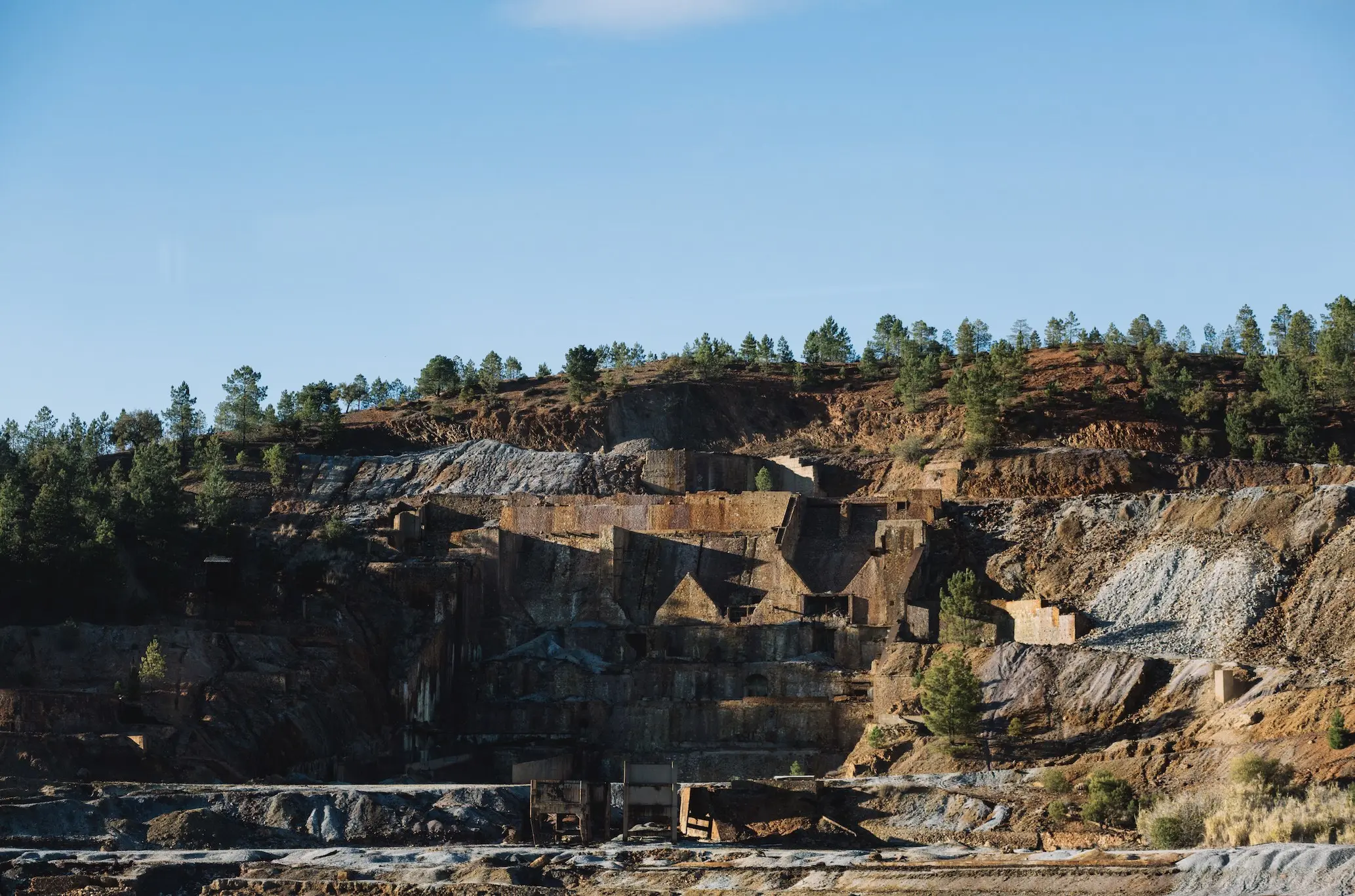
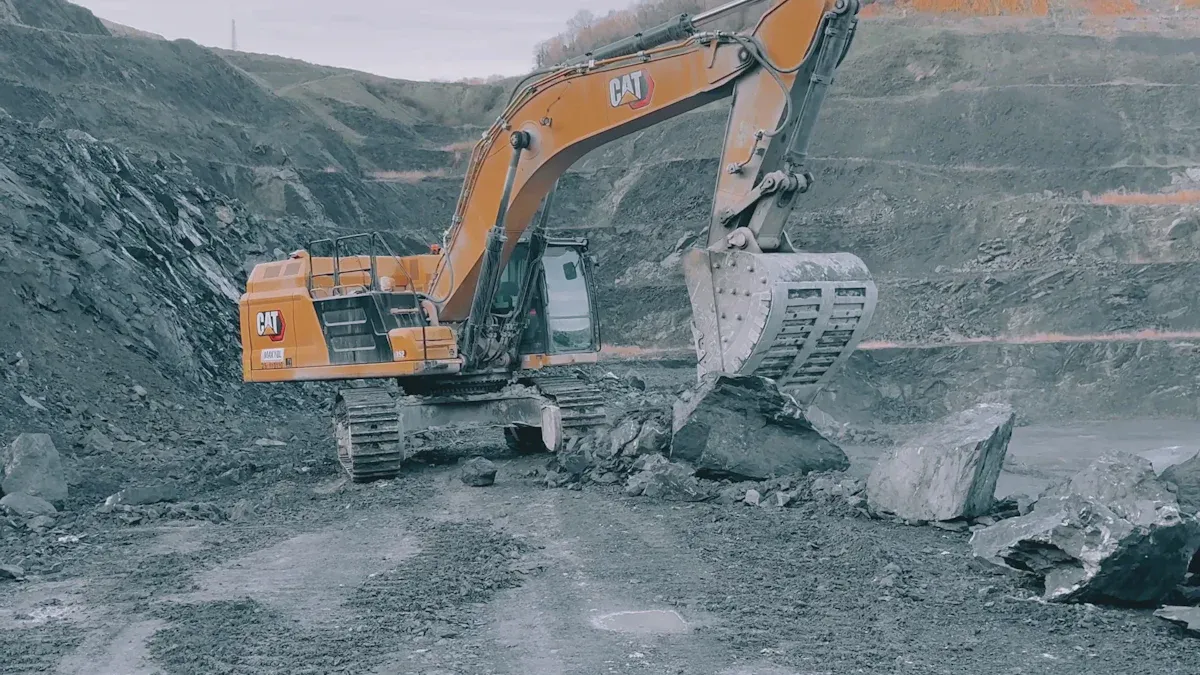
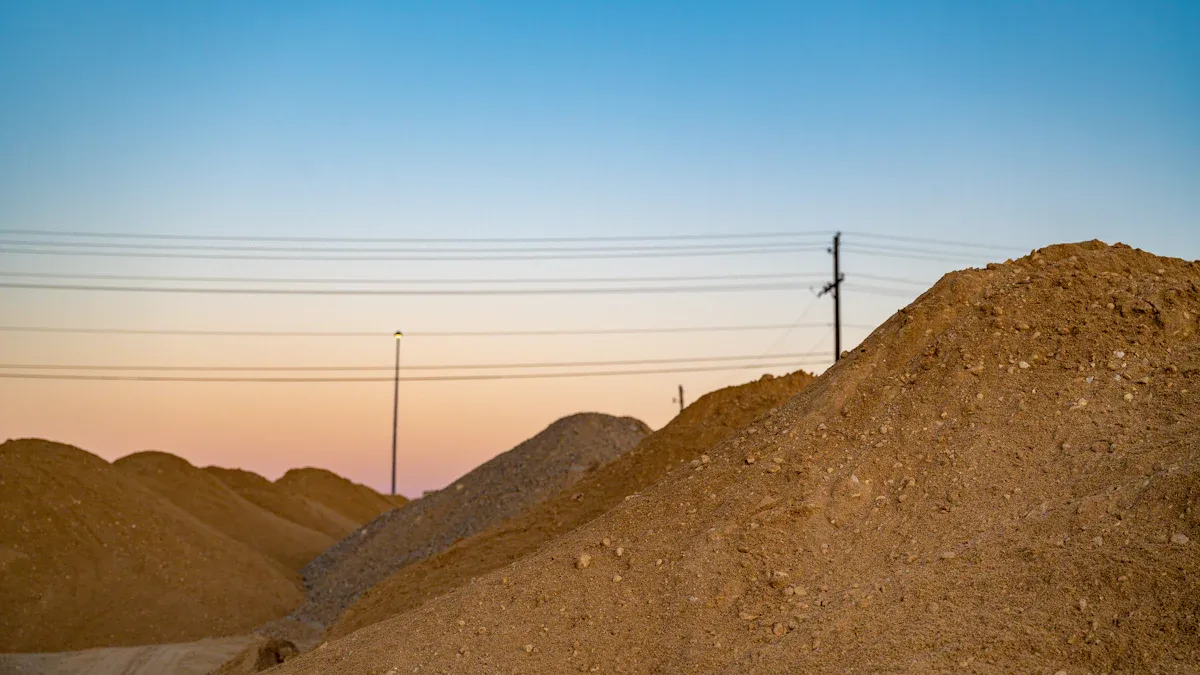
Mining operations frequently encounter highly abrasive conditions. These environments involve slurries containing hard, sharp, and often irregularly shaped solid particles suspended in a liquid. These particles, such as quartz, iron ore, or coal, constantly interact with equipment components, including mechanical seals. This continuous contact creates significant wear challenges, demanding specialized sealing solutions.
Common Seal Failure Modes in Abrasive Slurries
Mechanical seals in abrasive slurries face numerous failure mechanisms.
- Abrasive and Erosive Wear: Slurry particles abrade sealing surfaces. This action leads to wear and a loss of sealing effectiveness.
- Cavitation: Pressure drops cause vapor bubbles to form and collapse. This process erodes seal faces with pitting and surface damage.
- Chemical Attack: Aggressive chemicals in slurries degrade seal materials. This causes corrosion of faces, elastomers, or other components.
- Misalignment and Overloading: Improper shaft alignment or exceeding design limits creates uneven stress. This results in distortion on seal faces.
- Insufficient Lubrication: A lack of lubrication film due to dry-running or inadequate fluid flow increases friction, heat, and wear.
- Excessive Heat: High slurry temperatures cause thermal stress. This degrades sealing materials and compromises the seal's barrier.
- Installation Errors: Incorrect assembly, improper tightening, or misalignment during installation introduces mechanical stress. This compromises seal integrity.
- Inadequate Seal Flush/Quenching: Insufficient clean liquid flow allows solids to build up. This increases wear and pressure on the seal.
- Lack of Maintenance and Monitoring: Neglecting inspections and failing to address early signs of deterioration contribute to seal failure.
The Impact of Seal Failure: Downtime and Safety
Seal failures in high-abrasive mining environments carry significant consequences. They lead to costly downtime, impacting production schedules and profitability. Beyond financial implications, these failures pose serious safety risks. Mechanical seal failures in high-abrasive mining environments pose significant safety risks. These include the harmful release of toxic materials and fugitive emissions. Manufacturers and operators implement precautions to prevent such leaks. Even if a seal fails, the design ensures hazardous contents remain contained. This highlights the critical safety concern if this containment is compromised. In mining and mineral processing, particularly in regions like Australia, large chemical pumps handle abrasive and aggressive slurries. These can involve quite hazardous chemicals. The primary drivers in these applications are safety and reliability. This emphasizes the inherent risks associated with these materials and the need for robust seal performance. Preventing leaks in mining operations enhances workplace safety. It mitigates risks associated with hazardous materials exposure and equipment failures. Reliable Mechanical Seals for Mining are therefore paramount for both operational efficiency and personnel safety.
Key Selection Criteria for Mechanical Seals for Mining
Selecting the correct mechanical seal for mining operations requires careful consideration of several critical factors. These factors ensure optimal performance, extended service life, and reduced downtime in harsh abrasive environments.
Critical Material Selection for Seal Faces
The choice of materials for seal faces directly impacts a mechanical seal's resistance to wear and its overall lifespan. Hard-versus-hard face material combinations are essential for high-abrasive mining applications. These combinations prevent premature wear. Direct sintered silicon carbide (SiC) is a common choice. It offers excellent abrasion and chemical resistance. Tungsten carbide (WC) also finds use in some mining applications. However, users must ensure the binder material, such as nickel or cobalt, is chemically compatible to avoid leaching.
| Material Type | Key Advantages |
|---|---|
| Carbon Graphite | Excellent dry running capabilities, good thermal shock resistance, low coefficient of friction, self-lubricating. |
| Silicon Carbide (SiC) | Superior hardness, excellent abrasion resistance, good chemical resistance, high thermal conductivity. Available in reaction bonded, sintered, and siliconized grades. |
| Tungsten Carbide (WC) | Extremely hard, high wear resistance, good corrosion resistance, high strength. Often used in abrasive applications. |
| Alumina Ceramic | Very hard, good wear resistance, excellent chemical resistance, high temperature capability. Brittle, so typically used as a stationary face. |
| Stainless Steel | Good corrosion resistance, moderate strength, cost-effective. Less wear-resistant than ceramics or carbides, often used for secondary components or less demanding applications. |
| Ni-Resist | Cast iron alloy with high nickel content, good corrosion and erosion resistance, often used in abrasive slurries. |
| Stellite | Cobalt-chromium alloys, excellent wear, erosion, and corrosion resistance, high hardness at elevated temperatures. |
| PTFE (Polytetrafluoroethylene) | Excellent chemical resistance, low friction, wide temperature range. Softer material, often used for secondary seals or specific chemical applications. |
Silicon carbide exhibits good thermal stability. It operates at high temperatures without degradation. This benefits high-temperature applications. Its main drawbacks include high cost due to complex manufacturing and difficulty in machining. Tungsten carbide is also very hard and wear-resistant. It offers superior toughness compared to silicon carbide. This makes it more resilient to mechanical shock and vibration. It suits higher pressure and load requirements. Its chemical resistance is good but not as broad as SiC. It is generally more cost-effective.
-
Silicon Carbide (SiC) is ideal for:
- Chemical processing, water treatment, and pharmaceutical applications where chemical resistance and high thermal conductivity are crucial.
- Low-lubrication applications, including dry-running pumps.
- Applications requiring corrosion resistance, heat dissipation, and light weight.
-
Tungsten Carbide (WC) is ideal for:
- Heavy-duty industrial services such as mining, oil and gas, and high-pressure fluid systems.
- Applications with heavy loads, impact energies, and high-speed rotations due to enhanced toughness.
- High impact resistance, wear life, and high-pressure pump seals.
Elastomer Compatibility for Secondary Seals
Elastomers form the secondary seals within a mechanical seal assembly. Their compatibility with the process fluid is crucial. Incompatible elastomers can swell, shrink, harden, or degrade, leading to leakage and seal failure. Common elastomers include Viton (FKM), EPDM (Ethylene Propylene Diene Monomer), Kalrez (FFKM), Aflas (TFE/P), Buna-N (Nitrile), and Neoprene (Chloroprene). Each offers specific advantages regarding chemical resistance, temperature range, and mechanical properties. For instance, Kalrez provides excellent chemical resistance across a very broad range of aggressive chemicals and high temperatures. It is a premium material for critical applications. Buna-N offers good resistance to petroleum-based oils and fuels.
Mechanical Seal Design Considerations
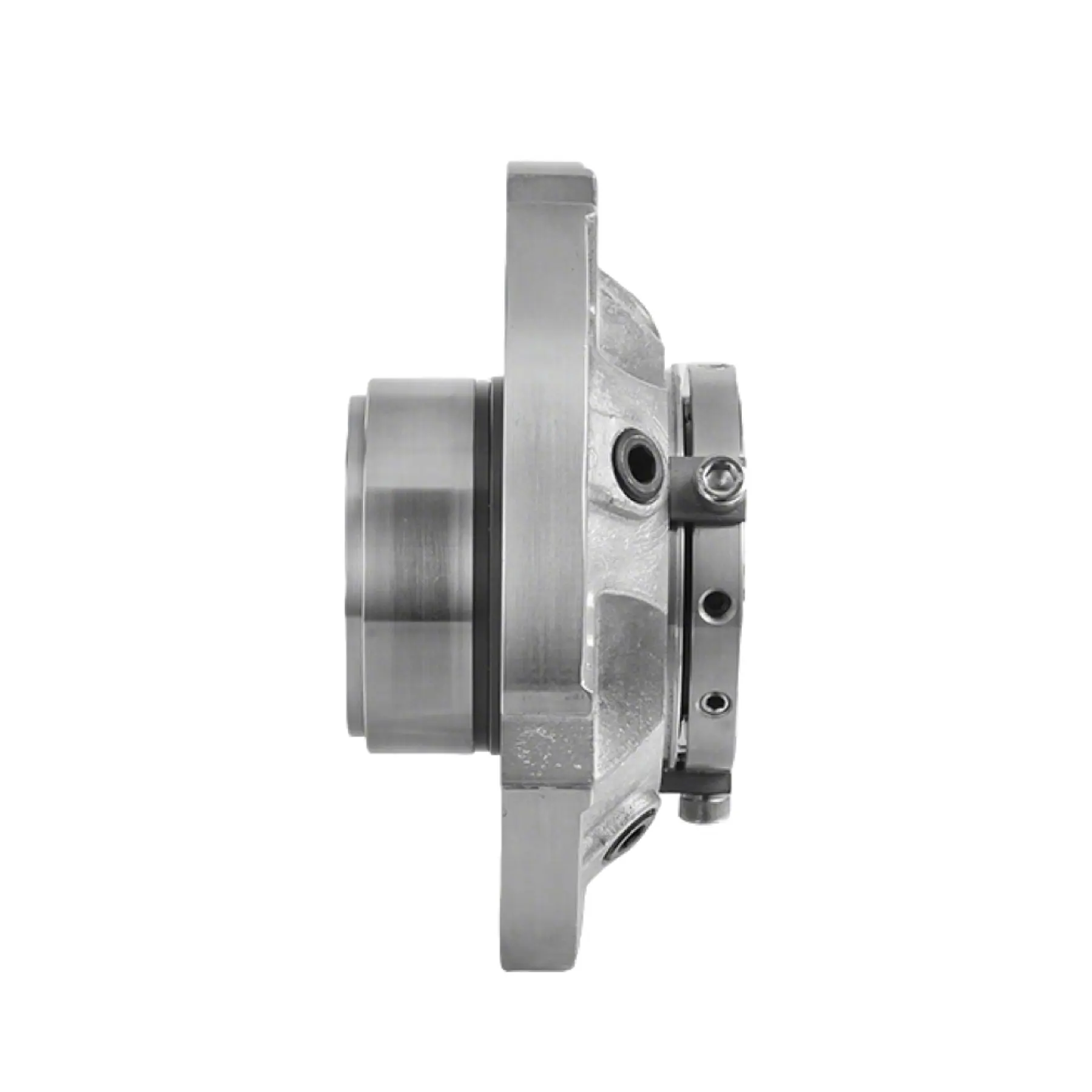
The overall design of the mechanical seal significantly impacts its performance in abrasive environments. Cartridge seals offer significant advantages. They are engineered for quick and hassle-free installation. This reduces downtime and eliminates alignment issues. Their pre-assembled nature ensures consistency. This minimizes human error during setup, thus enhancing reliability. They are designed for superior leakage control, even under extreme operating conditions. Cartridge seals have a versatile design. This makes them suitable for a wide range of fluids, including corrosive and abrasive substances. They are widely used in industries where reliability and efficiency are paramount. This includes processing plants for handling abrasive and corrosive fluids.
Cartridge seals are designed to withstand the rigors of demanding process applications, including challenging product media like slurries. Their pre-assembled, self-contained units simplify installation, minimize downtime, and enhance overall performance, offering advanced solutions for industrial operations.
Double mechanical seals are another critical design consideration for abrasive applications. They consist of two independent seals in a chamber with an independent flush supply. This design is ideal for liquids with abrasives. The seal faces are exposed only to clean lubrication. This significantly increases their lifespan. Specific designs feature large ports and increased radial clearances to maintain a stable fluid film. Dual mechanical seals effectively reduce wear and extend seal longevity in abrasive or slurry applications. They offer extended seal life by providing protection from harsh operating conditions. These seals are particularly useful in industries like pulp and paper. They handle abrasive slurries in large volume pumps.
Shaft and Sleeve Protection
Protecting the pump shaft from abrasive wear is paramount. Shaft sleeves made from hardened materials, such as 416SS, act as a critical protective barrier. They serve as a sacrificial component. They absorb the destructive forces from solid particles that would otherwise damage more expensive and critical pump shafts. This design makes replacing a worn sleeve a significantly more economical maintenance approach compared to shaft replacement or a complete pump overhaul. The material selection and dimensional precision ensure proper fit with mechanical seal assemblies. They maintain clearances for effective sealing performance. This prevents slurry ingress into bearing assemblies and maintains pump efficiency.
A Step-by-Step Guide to Mechanical Seal Selection
Selecting the optimal mechanical seal for high-abrasive mining applications requires a systematic approach. This process ensures the chosen seal performs reliably, minimizes downtime, and offers the best long-term value.
Assess Your Specific Abrasive Environment
The first crucial step involves thoroughly understanding the specific conditions of the abrasive environment. Operators must characterize the slurry. This includes identifying the type of abrasive particles present, such as quartz, iron ore, or coal. They also need to determine particle size, shape, and hardness. The concentration of solids within the fluid significantly impacts wear rates. Furthermore, the chemical composition of the process fluid matters. It can affect material compatibility and corrosion resistance. A detailed assessment provides the foundation for selecting appropriate seal materials and designs.
Define Operating Parameters
After characterizing the abrasive environment, defining the precise operating parameters becomes essential. These parameters directly influence seal performance and longevity. Key factors include:
- Temperature: The maximum and minimum operating temperatures of the process fluid.
- Pressure: The pressure within the seal chamber and the system's maximum operating pressure.
- Shaft Speed: The rotational speed of the pump shaft, measured in revolutions per minute (RPM).
- Fluid Viscosity: The thickness or resistance to flow of the process fluid.
- Duty Cycle: How often and for how long the equipment operates.
Accurate data for these parameters guides the selection of seal face materials, elastomer types, and overall seal design.
Evaluate Seal Types and Designs
With a clear understanding of the abrasive environment and operating parameters, engineers can evaluate suitable mechanical seal types and designs. For highly abrasive mining applications, robust designs are paramount.
- Cartridge Seals: These pre-assembled units simplify installation and reduce the chance of errors. They often feature heavy-duty construction suitable for harsh conditions.
- Double Mechanical Seals: These seals offer superior protection by isolating the seal faces from the abrasive process fluid using a clean barrier fluid. This significantly extends seal life in challenging slurries.
- Slurry-Specific Designs: Many manufacturers offer seals specifically engineered for abrasive slurries. These designs often incorporate features like large clearances, robust springs, and specialized flushing ports to prevent solids buildup and maintain seal integrity.
- Material Selection: This stage also involves confirming the optimal seal face materials (e.g., silicon carbide, tungsten carbide) and secondary seal elastomers (e.g., Kalrez, Viton) based on the environmental assessment.
Consider Total Cost of Ownership (TCO)
Evaluating mechanical seals goes beyond the initial purchase price. A comprehensive assessment requires considering the Total Cost of Ownership (TCO). TCO provides a more accurate financial picture over the seal's lifespan. It encompasses several key components:
- Initial Purchase and Acquisition Costs: This includes the upfront price of the mechanical seal itself. It also covers additional expenses like import duties, taxes, transportation, and installation. Personnel training for proper installation and maintenance also contributes to this initial outlay.
- Maintenance and Repair Costs: These costs cover routine servicing, regular inspections, and the replacement of wear parts. They also include expenses for unexpected breakdowns and the management of maintenance schedules and inventory. This category includes preventive, predictive, and corrective maintenance activities.
- Equipment Downtime Costs: This critical component of TCO accounts for lost production due to unplanned shutdowns. It also includes the additional labor and resources required to bring the equipment back online. Downtime costs can quickly escalate, impacting profitability.
Investing in premium Mechanical Seals for Mining often leads to significant long-term cost savings, even with a higher initial price. These advanced seals offer numerous benefits that reduce overall TCO:
- Reduced Maintenance: Premium seals extend the mean time between failures (MTBF), reducing costly equipment shutdowns and production losses. They require less frequent maintenance compared to alternative sealing methods like packing seals.
- Extended Equipment Life: Superior materials like silicon carbide and tungsten carbide offer outstanding wear resistance and thermal stability. This extends the life of both the seal and the associated equipment.
- Elimination of Leakage: Premium seals prevent product leakage, which avoids material loss and helps maintain environmental compliance.
- Energy Efficiency: Properly functioning mechanical seals reduce friction losses and power consumption, leading to energy savings.
- Predictable Performance: High-quality seals provide predictable performance. This allows for accurate maintenance scheduling and budget planning, eliminating unexpected downtime.
- Improved Safety: By eliminating hazardous material exposure, premium seals enhance workplace safety.
- Corrosion Protection: Specialized coatings and engineered ceramics prevent costly equipment damage, extending the overall system life.
Choosing a seal based solely on the lowest initial cost often results in higher overall expenses due to frequent failures, increased maintenance, and significant downtime. A TCO approach prioritizes long-term reliability and cost-effectiveness.
Partnering with Expert Suppliers for Mechanical Seals for Mining

Leveraging Supplier Expertise and Custom Solutions
Collaborating with expert suppliers offers significant advantages for mining operations. These suppliers provide specialized knowledge and custom-engineered solutions. They leverage extensive industry experience to improve sealing life for all types of equipment, even in the worst conditions. Custom-engineered seals use state-of-the-art polyurethane materials. These materials provide outstanding abrasion and wear resistance, crucial for extending lifetime in harsh mining conditions. Suppliers develop special double-acting sealing profiles to compensate for large misalignments, protecting bearings from dust and dirt while retaining lubricants. Flexible manufacturing processes enable high-quality, custom-engineered sealing solutions that protect crown gears, ensuring reliable operation and cutting revision costs through customized design and abrasion-resistant materials. These solutions can be designed and delivered in as little as two weeks, demonstrating responsiveness to urgent needs.
The Role of R&D in Seal Innovation
Research and development (R&D) drives significant advancements in mechanical seal technology. Modern materials like advanced composites, ceramics, and engineered plastics offer superior resistance to wear, corrosion, and thermal expansion compared to traditional rubber and metals. These innovations lead to enhanced longevity and effective operation under extreme conditions. R&D also focuses on energy efficiency, with design improvements like hydrodynamic face patterns and reduced friction coatings. This minimizes friction and optimizes fluid dynamics, leading to lower power consumption. Suppliers also develop smart monitoring systems, integrating IoT and real-time sensors to track performance parameters. This enables predictive maintenance and extends service intervals for Mechanical Seals for Mining.
Ensuring Timely Delivery and Quality
Reliable suppliers ensure the quality and timely delivery of mechanical seals for demanding mining conditions. They utilize high-quality materials such as silicon carbide and tungsten carbide for enhanced durability and wear resistance. They incorporate robust seal face geometry to resist abrasive wear and reduce leakage. Suppliers also employ multiple sealing surfaces and labyrinth-like structures to prevent contaminant ingress. Their mechanical seals undergo extensive field testing in real-world conditions, simulating demanding mining environments. This rigorous testing ensures their reliability and performance. Suppliers work with engineering teams to select the correct seal face pairing for specific operating conditions, guaranteeing optimal pump functionality and compatibility.
Choosing the optimal mechanical seal for high-abrasive mining in 2026 demands a comprehensive approach. Operators prioritize advanced materials, robust designs, and intelligent support systems. This ensures operational reliability and minimizes costly downtime. GW SEAL, established in 2001, is a specialist manufacturer and designer of mechanical seals, with a strong focus on providing robust sealing solutions for highly abrasive mining applications. We support the demanding requirements of the mining and mineral processing industry through a dedicated R&D team that develops mechanical seals engineered for enhanced wear resistance and extended service life. Supported by a large inventory to ensure timely delivery, we are committed to supplying high-quality products that consistently meet our customers' precise specifications.
FAQ
What is the most effective material for mechanical seal faces in abrasive mining?
Silicon carbide and tungsten carbide provide superior wear resistance. These materials are crucial for abrasive mining. GW SEAL selects specific pairings for optimal performance.
Why do double mechanical seals perform better in abrasive slurries?
Double seals utilize a clean barrier fluid. This fluid isolates seal faces from abrasive process fluid. It significantly extends seal life and enhances reliability. ✨
How do flushing systems protect mechanical seals from abrasive particles?
Flushing systems introduce clean fluid to the seal chamber. This prevents solids buildup and cools seal faces. It effectively protects against abrasive wear.