








How Metal Bellows Seal Solves Crude Oil Sealing Issues

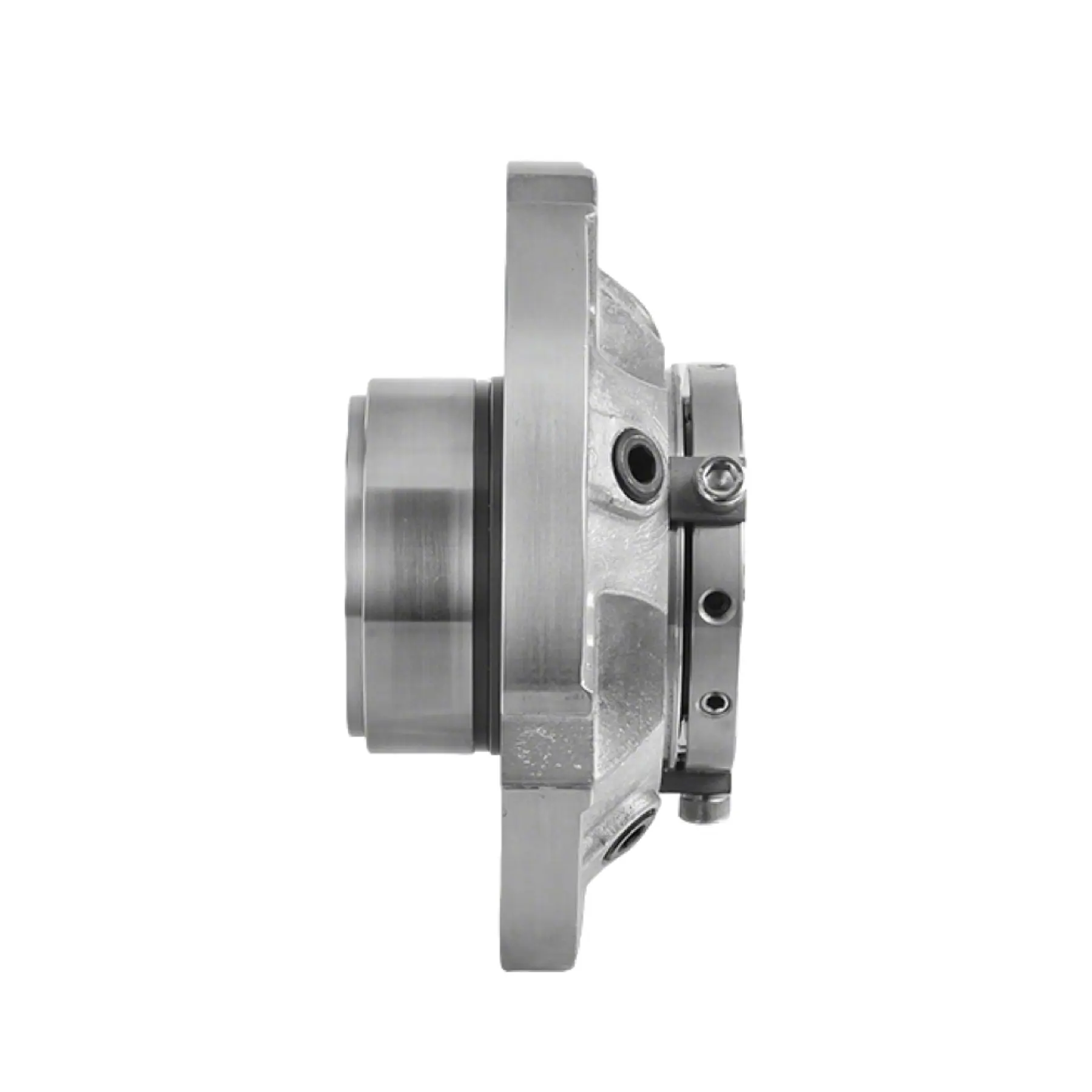
Metal bellows seals provide a reliable solution for sealing challenges in crude oil applications. These metal bellow seals excel in preventing leaks and ensuring system integrity in harsh environments. Their unique design and functionality, including features of high temperature mechanical seals, offer significant advantages over traditional seals.
Key Takeaways
- Metal bellows seals effectively prevent leaks in crude oil applications, enhancing operational reliability and saving companies significant costs.
- These seals are designed to withstand extreme temperatures and pressures, ensuring a longer service life and reduced maintenance needs compared to traditional seals.
- The flexible design of metal bellows seals allows them to absorb vibrations and accommodate dynamic movements, improving performance in challenging environments.
Sealing Challenges in Crude Oil Applications

Crude oil applications present several sealing challenges that can significantly impact operational efficiency. Understanding these challenges is crucial for selecting appropriate sealing solutions.
High Pressure and Temperature Conditions
High pressure and temperature are primary causes of seal degradation in crude oil equipment. Equipment often operates under extreme conditions, with pressures exceeding 10,000 psi and temperatures above 200°C. Such conditions can crush standard seals, leading to deformation and eventual failure. Seal failures can result in significant accidents, as historical incidents have shown.
The processing of heavy crude oil introduces additional complications. Heavy crudes often exhibit high viscosity and contain abrasive materials, which can lead to severe wear on seals. The presence of heavy metals and nitrogen compounds can cause chemical attacks, complicating the sealing process.
Corrosive Nature of Crude Oil
The corrosive nature of crude oil poses another significant challenge. Various chemical components contribute to corrosion, including sulfur compounds, oxygen compounds, and trace metals. These elements can lead to the formation of corrosive substances like hydrogen sulfide and sulfuric acid.
The table below summarizes some of the key chemical components and their contributions to corrosion:
| Chemical Component | Contribution to Corrosion |
|---|---|
| Sulfur Compounds | Lead to the formation of hydrogen sulfide and sulfuric acid, which are corrosive. |
| Oxygen Compounds | Include phenols and carboxylic acids that can contribute to corrosion. |
| Nitrogen Compounds | Basic and nonbasic compounds that can form ammonia and cyanides, causing corrosion. |
| Trace Metals | Copper, vanadium, and nickel can contribute to corrosion in refinery equipment. |
| Inorganic Salts | Sodium chloride and others can hydrolyze to form hydrochloric acid, leading to corrosion. |
| Naphthenic Acids | Become corrosive at high temperatures when acid value is elevated. |
The MFLWT80 metal bellows seal, designed with specialized alloys, offers superior corrosion resistance compared to traditional seals. This design ensures a longer service life and reduced maintenance, making it more effective in crude oil environments where corrosion is a significant concern.
Vibration and Movement in Equipment
Vibration and movement in equipment can adversely affect seal performance and lifespan. Mechanical issues, such as damaged impellers or misalignment, can lead to seal face deflections and subsequent leakage. Increased workbench amplitude fluctuations can significantly raise seal leakage rates, transitioning the sealing mechanism from mixed lubrication to a wear regime.
Vibration causes deflections in the impeller shaft, leading to wobbling of the rotating seal face against the stationary face. This results in uneven lubrication and increased friction, generating heat that can damage the seals.
The design features of metal bellows seals help mitigate the effects of vibration and movement. For instance, their inherent flexibility accommodates dynamic movements and absorbs vibrations, protecting sealing interfaces. Additionally, their mechanical adaptability allows them to adjust to varying operational conditions, enhancing performance under movement.
Design and Functionality of Metal Bellows Seals
Construction Materials and Design Features
Metal bellows seals utilize high-quality materials to ensure durability in harsh environments. Common materials include:
| Material | Description |
|---|---|
| Stainless Steel | Commonly used for its corrosion resistance. |
| Alloy C276 | Known for its excellent resistance to pitting. |
| AM350 | Offers good mechanical properties at high temperatures. |
| Inconel 718 | Provides high strength and oxidation resistance. |
These materials enhance the seals' ability to withstand the corrosive nature of crude oil. The flexible bellows elements compensate for misalignment and dynamic movements, reducing wear and extending service life.
Mechanism of Action
Metal bellows seals effectively prevent leaks through a well-engineered mechanism. They maintain a secure seal around the rotating shaft, accommodating various operational challenges. The design features include:
| Mechanism | Description |
|---|---|
| Pressure Balancing | The metal bellows balances the pressure differential between the sealed fluid and the external environment. |
| Flexibility | The bellows flexes to maintain contact between the seal faces, accommodating axial misalignment, thermal expansion, and vibration. |
| Durability | The absence of secondary sealing elements reduces vulnerabilities to chemical degradation or temperature extremes. |
This combination of features ensures enhanced durability and reliability in demanding environments.
Adaptability to Different Applications
Metal bellows seals adapt to varying operational conditions in crude oil processing. They meet or exceed regulations like the ISO 15848 standard for emission control. In deep-sea conditions, these seals can handle differential pressures up to 15,000 psig, showcasing their ability to perform under extreme conditions. Their design allows them to maintain a strong seal despite fluctuations in temperature and pressure, making them ideal for applications involving hydrocarbons and other challenging media.
Advantages of Metal Bellows Seal Over Traditional Seals
Metal bellows seals offer several advantages over traditional sealing solutions, particularly in the demanding environment of crude oil applications. Their unique design and materials contribute to enhanced performance, reliability, and cost-effectiveness.
Enhanced Leak Prevention
One of the most significant benefits of metal bellows seals is their ability to prevent leaks effectively. These seals minimize downtime by maintaining a secure barrier against fluid escape, which enhances operational reliability. Companies can save thousands of dollars annually due to their robust leak prevention capabilities.
- Leak-tight Performance: Bellows sealed valves are known for their exceptional leak-tight performance, making them ideal for critical industries where leakage poses serious risks.
- Durability: Welded bellows are more durable than formed bellows, lasting up to three times longer in demanding environments. This durability translates to significant cost savings over time.
Longer Service Life
Metal bellows seals significantly outperform traditional seals in terms of service life. They are engineered to endure extreme temperatures, pressures, and corrosive conditions typical in petroleum refining. This enhanced durability results in lower maintenance needs and longer intervals between failures, improving operational efficiency.
- Unique Design: The design of metal bellows seals combines flexibility and durability, making them ideal for harsh environments. They avoid issues like fine particle blockage that can affect traditional seals, further extending their service life.
-
Key Factors: Several factors contribute to the longer service life of metal bellows seals:
- Plate Thickness: Thinner plates lead to lower spring rates, resulting in reduced face loads and less heat generation, which enhances seal life.
- Controlling Vibrations: Incorporating vibration dampeners can prevent damage from harmonic vibrations, crucial for maintaining seal integrity in harsh conditions.
- Double-Ply Bellows: This design offers strength and flexibility without increasing thickness, making it suitable for high-pressure applications and those involving thermo-sensitive fluids.
Reduced Maintenance Costs
The operational reliability of metal bellows seals leads to significant cost reductions in maintenance. Their thoughtful selection and use lower the frequency and cost of maintenance activities compared to traditional seals.
- Superior Resistance: Metal bellows seals outperform traditional seals by providing superior resistance to extreme temperatures and chemicals, which is crucial in crude oil facilities. Their ability to handle high shaft speeds and abrasive environments further enhances their suitability, leading to lower maintenance needs and costs.
-
Recommended Practices: To maximize the lifespan of metal bellows seals, maintenance personnel should follow these practices:
- Regular inspection to identify wear, corrosion, or damage.
- Cleaning to remove contaminants that affect sealing efficiency.
- Lubrication to reduce friction and wear on seal faces.
- Proper installation of seals to ensure optimal performance.
- Training for maintenance personnel to enhance their skills and knowledge.
Case Studies of Successful Implementations
Example 1: High-Temperature Applications in Oil Processing
The Conoco Humber refinery in England processes up to 230,000 barrels of crude oil daily. This facility utilizes EagleBurgmann's dual metal bellows seals to ensure a trouble-free thermal cracking process. These seals withstand extreme temperatures and pressures, which are common in high-temperature operations. A major oil company adopted advanced metal bellows seals for their deep-sea drilling equipment. This implementation resulted in a 20% increase in equipment uptime and significant reductions in maintenance costs.
Example 2: Chemical Resistance in Crude Oil Fractionation
Metal bellows seals excel in chemical resistance, particularly in crude oil fractionation processes. The following features highlight their effectiveness:
| Feature | Description |
|---|---|
| Material | Inconel 718 for welded metal bellows and flexible carbon graphite for secondary seals. |
| Temperature Resistance | Designed for high-temperature applications, suitable for hot hydrocarbons and crude oil. |
| Shaft Speed Handling | Stationary mounted metal bellows seal can handle higher shaft speeds. |
| Containment Mechanism | Segmented spring-loaded carbon throttle bushing for effective containment. |
| Additional Support | Often supported by an API Plan 62 quench (steam) to eliminate coke build-up. |
These features ensure that metal bellows seals maintain integrity in challenging environments, enhancing operational efficiency.
Example 3: High-Pressure Sealing in Oil and Gas Pipelines
In high-pressure oil and gas pipelines, metal bellows seals provide reliable sealing solutions. Their design accommodates high differential pressures, ensuring leak-tight performance. This capability is crucial for maintaining safety and efficiency in pipeline operations. Companies report fewer leaks and reduced downtime, leading to significant cost savings.
Metal bellows seals play a crucial role in addressing sealing issues in crude oil applications. Their unique design and functionality provide significant advantages over traditional sealing methods. The oil and gas industry relies heavily on these seals due to their ability to withstand harsh conditions, ensuring equipment integrity and safety. Investing in metal bellows seals leads to improved reliability and substantial cost savings in the long run.
Experts emphasize that metal bellows seals excel in managing aggressive hydrocarbons and maintaining compliance with zero-emission standards, making them essential for modern crude oil processing.
FAQ
What are metal bellows seals used for in crude oil applications?
Metal bellows seals prevent leaks and maintain integrity in high-pressure, high-temperature environments typical of crude oil processing.
How do metal bellows seals handle vibration?
Their flexible design absorbs vibrations and accommodates dynamic movements, ensuring reliable sealing performance in equipment.
What materials are commonly used in metal bellows seals?
Common materials include stainless steel, Inconel, and AM350, which provide durability and corrosion resistance in harsh environments.
