


How Custom Mechanical Seals Conquer Extreme Environments
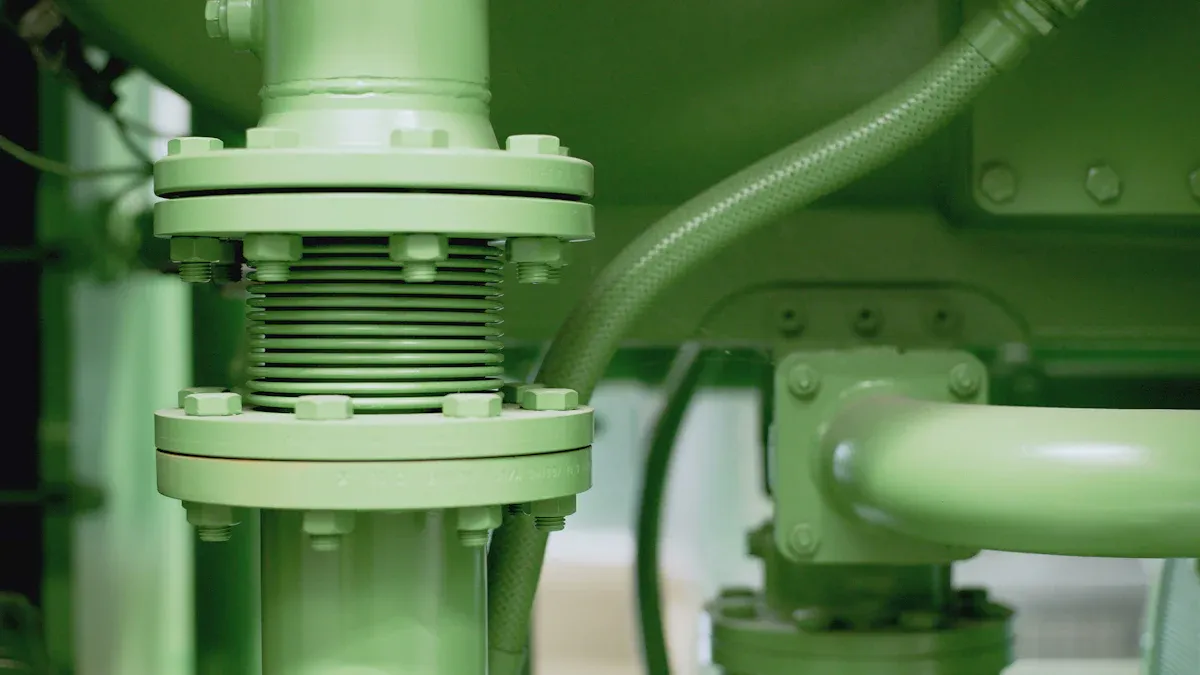
Standard seals frequently fail in harsh conditions. This causes costly downtime and creates safety risks. Custom mechanical seals are engineered solutions. They ensure operational integrity and safety in demanding applications. A custom mechanical seal provides unparalleled reliability where standard options fall short.
Key Takeaways
- Custom mechanical seals work better than regular seals in tough places. They use special materials and designs to handle extreme heat, pressure, and chemicals.
- These seals make equipment last longer and stop it from breaking down often. This saves money and keeps machines running smoothly.
- Experts design custom seals for specific needs. This makes sure they fit perfectly and work well for any challenging job.
Why Standard Seals Fail in Extreme Conditions
Inadequate Material Compatibility
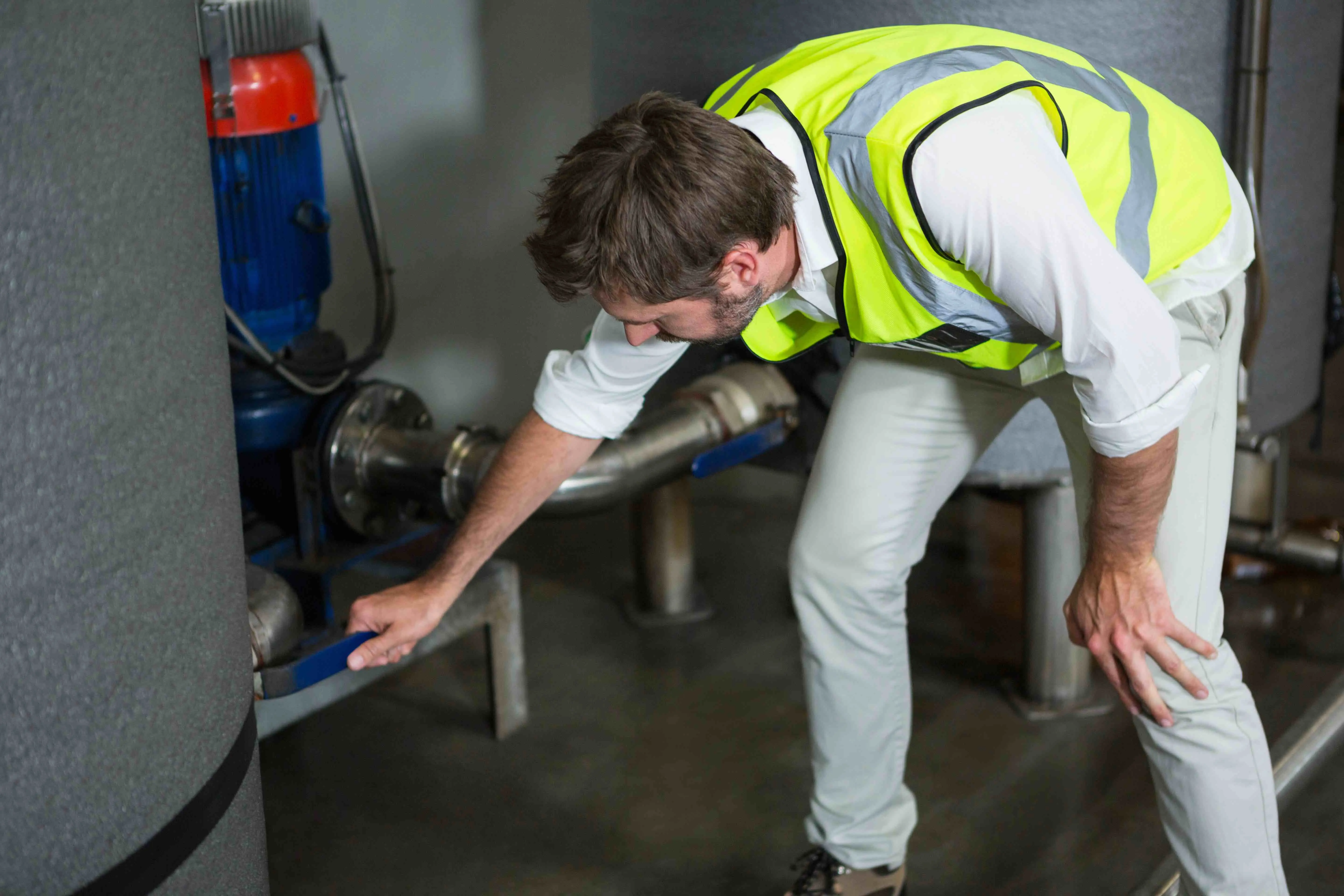
Standard seals often utilize materials with limited chemical resistance. These materials cannot withstand specific corrosive chemicals or extreme temperatures. For example, EPDM (Ethylene Propylene Diene Monomer) seals perform poorly when exposed to hydrocarbons. Neoprene exhibits poor resistance to strong solvents. ACM (Polyacrylic or Polyacrylate) elastomers are highly susceptible to hydrolysis. This makes them unsuitable for use in aqueous media. AEM (Ethylene Acrylic) elastomers show poor resistance to strong acids, hydrolyzing agents, and some polar fluids. Such material incompatibilities cause rapid degradation and premature seal failure.
Design Limitations for High Stress
Standard seal designs possess inherent limitations. They do not account for extreme operational parameters. High pressures, temperatures, or rotational speeds place immense stress on seals. Generic designs often deform or extrude under these conditions. This compromises the seal's integrity. Standard seals lack the specialized engineering required for such demanding applications. Their basic construction cannot withstand the forces present in extreme environments.
Shortened Lifespan and Frequent Failures
Operating standard seals beyond their intended limits significantly shortens their lifespan. This leads to frequent breakdowns and operational interruptions. Each failure necessitates costly repairs and replacement. Businesses experience increased maintenance expenses and substantial downtime. This directly impacts productivity and overall profitability. Standard seals simply cannot offer the durability required for continuous operation in harsh conditions.
Engineering Custom Mechanical Seal Solutions for Uncompromising Performance

Custom mechanical seals offer robust solutions where standard seals fail. Engineers design these seals to meet the specific demands of extreme environments. This approach ensures optimal performance and reliability.
Tailored Material Selection for Specific Challenges
Selecting the right material is crucial for a custom mechanical seal. Engineers carefully consider the operating conditions. They match materials to the specific challenges of the application. For high-temperature applications, several criteria guide the selection of seal face materials:
| Criteria | Considerations |
|---|---|
| Temperature Resistance | The material must maintain its properties at maximum temperature exposure. Some materials degrade or lose mechanical integrity at high temperatures. |
| Thermal Stability | The material should keep its form even with temperature changes. |
| Thermal Conductivity | Consider the material's thermal conductivity and expansion. These factors impact seal performance across different temperatures. Silicon Carbide, for example, excels at dissipating heat from the sealing interface. |
| Hardness | Extreme pressures require harder materials. These materials resist deformation and maintain an effective seal. Hardness also prevents scratches and surface wear. |
| Toughness | This prevents chipping and breakage from mechanical shocks. |
| Chemical Compatibility | Match the material with the pumped medium's corrosivity and reactivity. Ensure the material does not react with process fluids. |
| Friction & Wear | Choose harder materials for high speeds that cause friction wear. A low friction coefficient reduces energy losses and wear rates. |
| Density | This provides enhanced durability against pitting and corrosion. |
| Corrosion Resistance | The material needs superior chemical stability. It must withstand a wide range of corrosive substances. |
| Compressive Strength | This suits environments with high pressure but without impact or shocking forces. |
| Operating Environment | Consider the pH level, temperature range, pressure conditions, speed of operation, and lubrication status. These factors influence performance longevity and reliability. |
| Compatibility with Mating Materials | Ensure compatibility with mating materials and process fluids for optimal performance. |
This careful material selection ensures the seal withstands harsh chemicals, extreme temperatures, and abrasive media.
Advanced Design Principles for Extreme Loads
Engineers employ advanced design techniques to optimize custom mechanical seals for extreme pressure differentials. They use computer-aided design (CAD) for micron-level modeling of sealing interfaces. This helps identify potential leakage paths. Finite element analysis (FEA) optimizes geometry for uneven surface contacts, especially in aerospace hydraulics. Computational fluid dynamics (CFD) verifies performance across pressure differentials up to 10,000 PSI. It also identifies stress concentrations.
FEA and CFD are crucial in custom seal design. They use state-of-the-art simulation programs during early development. This ensures the perfect function of mechanical seals. These tools, combined with extensive product validation and testing, help develop leading sealing technology. This technology provides customers with systems offering a longer service life and fewer failures.
Other advanced techniques include rapid prototyping for quick iteration and validation of seal designs. This reduces development time. Computer models predict material expansion and contraction. This enables better component shapes for reliability under temperature changes and vibrations. Multi-layer sealing architectures achieve 99.97% leakage prevention in aerospace hydraulics. Specialized manufacturers combine elastomeric flexibility with metallic structural support. This meets simultaneous thermal, chemical, and mechanical demands.
Precision Manufacturing and Quality Assurance
Precision manufacturing ensures the reliability and longevity of custom mechanical seals. Manufacturers use advanced machining capabilities for complex geometries. This includes precision-machined sealing surfaces and specialized features. They maintain strict dimensional tolerances and superior surface finish quality. For example, CNC machining achieves tight tolerances in metal seals (±0.0002 inches radially). Compression molding produces consistent rubber parts (within 0.001 inch variation). Plasma-sprayed tungsten carbide coatings reduce seal wear rates by 83% in abrasive media handling. Laser surface texturing creates micro-dimples that retain lubricants, decreasing friction coefficients by 40–60%.
Quality control measures are implemented throughout the manufacturing process. Independent quality control systems and third-party verification capabilities ensure every custom mechanical seal meets the highest standards. This commitment to precision and quality guarantees the seal performs as expected in demanding applications.
Custom Mechanical Seal Options: Shapes, Colors, and Complex Cartridge Seals
Custom mechanical seals offer extensive versatility. They go beyond standard circular designs. Engineers create custom die-cut shapes, such as vibration pads or bumpers. Lathe cuts produce circular seals with rectangular cross-sections. These are ideal for non-standard requirements with unlimited variety of cut and wall thicknesses. Waterjet cutting creates custom shapes and complex designs. This includes small inner radii, tight angles, sharp corners, and intricate holes. It also handles narrow walls and cutouts close to other cutouts, which are difficult with standard methods. Irregular-shaped gaskets and oval or rectangular gaskets match complex contours. This ensures a tight seal across the entire surface area for non-standard components. While color customization is possible for aesthetic or identification purposes, the primary focus remains on functional design.
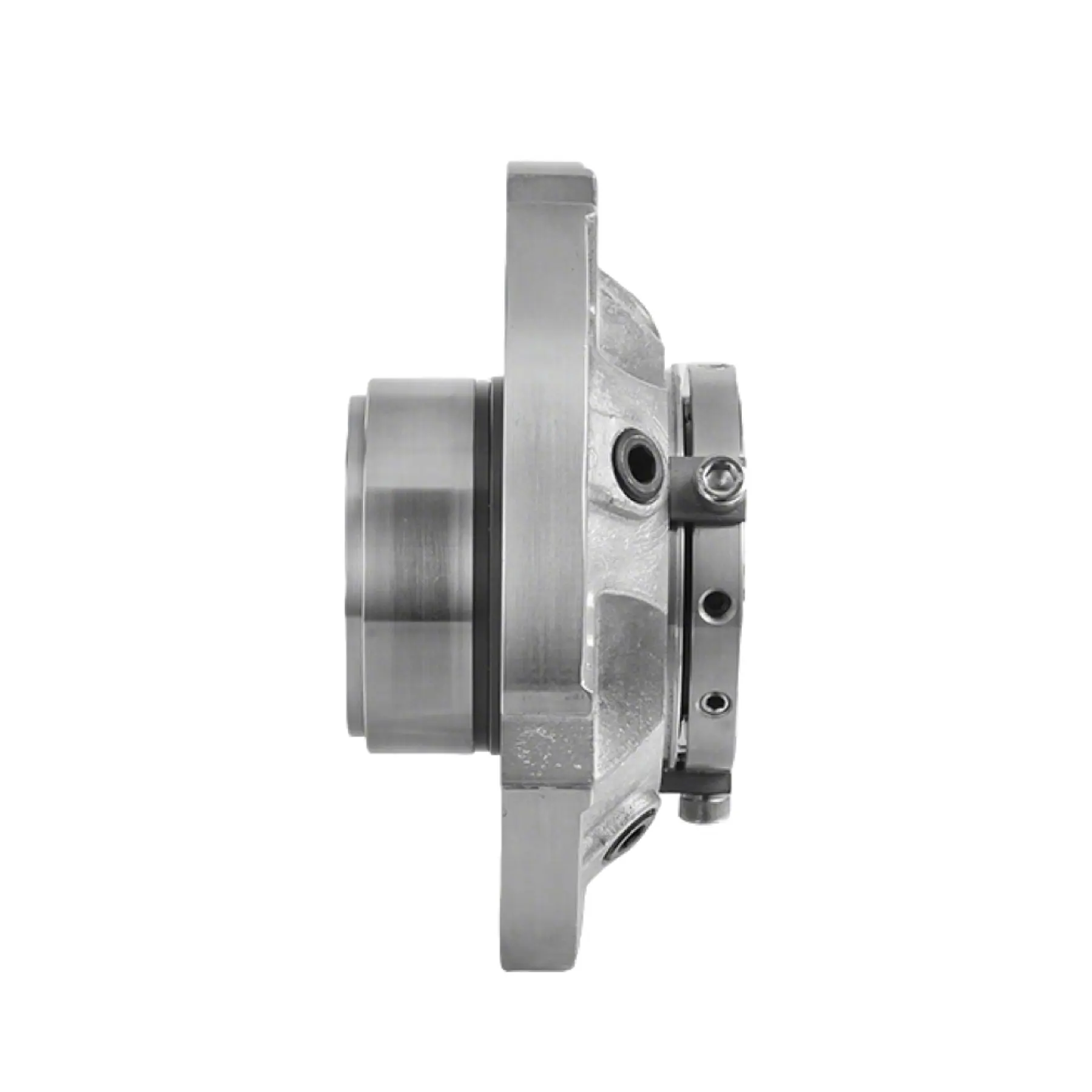
Cartridge seals represent a significant advancement in custom solutions. They offer better reliability and performance. Cartridge seals are designed for high leak-tightness, low wear, and a long lifetime. This is crucial for mission-critical applications like oil and gas, chemical processing, and power generation. They simplify installation and service. Cartridge seals arrive as complete, pre-assembled units. This significantly reduces installation time and potential for human error. This also minimizes the skill level required for proper installation. They offer cost-effectiveness in the long term. Cartridge seals provide a lower total cost of ownership (30-50% lower than component seals). This is due to reduced installation time, extended service life, and lower maintenance requirements. They also simplify inventory management. Their modular design allows for flexible customization. This includes specialized configurations for unusual shaft sizes, non-standard pump configurations, and exotic process fluids. Cartridge seals can integrate with modern monitoring and control systems. This provides real-time feedback and enables predictive maintenance.
Real-World Impact of Custom Mechanical Seals
Extending Equipment Life in Corrosive Environments
Corrosive environments rapidly degrade standard seals. This leads to premature equipment failure. Custom mechanical seals utilize specialized materials. These materials actively resist chemical attack. They significantly extend equipment life.
- PTFE (Polytetrafluoroethylene) Hydraulic Seals: These seals offer high chemical resistance. They perform reliably in extreme temperatures. This makes them ideal for the oil and gas industry.
- Polyurethane (PU) Seals: Specific saltwater-resistant polyurethane formulations extend service life. These are crucial in marine and offshore environments.
- Fluoroelastomer (FKM/Viton®) Seals: These seals provide outstanding high-temperature resistance. They also offer excellent chemical resistance to aggressive fluids. This makes them perfect for chemical and pharmaceutical processing.
- Spring-Energized Seals (SES): Engineers design these seals for extreme applications. They withstand corrosive elements. They maintain sealing force under harsh conditions, such as in oil drilling.
Maintaining Integrity Under High Pressure and Temperature
Equipment often operates under extreme pressure and temperature. Custom mechanical seals maintain integrity in these challenging conditions. High-temperature seals can seal temperatures up to 1200 degrees Celsius. These seals find use in turbines, exhaust systems, and fuel cells. Careful material selection minimizes leakage. It ensures high resistance in extreme conditions.
Carbon mechanical seals withstand temperatures up to 800 degrees Fahrenheit. Standard secondary seals and typical contact face seals are limited to 300-500 degrees Fahrenheit. Applications can involve pressure velocities (PV) up to one million. This indicates their high-pressure capabilities.
For cryogenic applications, PTFE spring-energized seals are essential. They use a spring energizer. This compensates for material shrinkage. It maintains sealing pressure even at temperatures as low as -250°C. Virgin PTFE and high-purity filled PTFE variants show minimal outgassing. They meet NASA/ESA standards. These materials are chemically inert. They remain stable under ultra-high vacuum conditions.
- Friction and Lubrication: PTFE is self-lubricating. It has a low coefficient of friction. Filled PTFE (e.g., graphite or MoS₂) enhances dry-run performance. The spring-energized design ensures low breakout friction.
- Pressure Transitions: These seals accommodate rapid pressure transitions. A controlled energizer preload handles pressure variations. The elastically deforming PTFE jacket absorbs shock without permanent damage.
- Longevity and Wear: PTFE's wear resistance improves with fillers. Carbon, glass, or bronze enhance it. The spring maintains sealing force over millions of cycles without fatigue.
PTFE seals operate effectively from cryogenic conditions (-450°F) to high temperatures (500°F). They suit high-pressure environments up to 500 psi. PTFE's chemical inertness seals aggressive media. This includes steam and corrosive chemicals. PTFE seals are used in steam turbines and autoclaves. They resist high-temperature steam. They prevent leaks in power generation plants. Carbon-filled PTFE excels in high-temperature, high-pressure environments. It provides natural lubrication.
Reducing Downtime in Abrasive Applications
Abrasive particles cause significant wear. This leads to frequent equipment failures. Custom mechanical seals significantly reduce downtime in abrasive applications. Engineers select extremely hard materials. These materials resist erosion from slurries or particulate-laden fluids. For example, silicon carbide seal faces offer exceptional hardness. They withstand abrasive media effectively. Precision manufacturing creates smooth, durable sealing surfaces. These surfaces minimize friction and wear. Advanced designs prevent abrasive particles from entering the sealing interface. This protects critical components. The extended lifespan of these seals means fewer replacements. It also means less maintenance. This directly translates to reduced operational downtime.
Custom mechanical seals ensure critical reliability and safety in extreme operating conditions. Investing in these custom solutions prevents costly failures. It also extends equipment lifespan. Partner with experts. They design and manufacture a custom mechanical seal tailored to your unique application challenges.
FAQ
What makes custom mechanical seals superior to standard seals in extreme conditions?
Custom seals feature tailored materials and advanced designs. They effectively withstand extreme temperatures, pressures, and corrosive media. This ensures superior performance and reliability where standard seals often fail.
Which materials do custom mechanical seals utilize for harsh environments?
Engineers select materials such as PTFE, FKM, and silicon carbide. These materials offer excellent resistance to high temperatures, corrosive chemicals, and abrasive particles. Material choice depends on specific application requirements.
How do custom mechanical seals extend equipment life?
Custom seals prevent premature failure in harsh conditions. Their robust design and specialized materials reduce wear and corrosion. This minimizes downtime and significantly prolongs the operational lifespan of machinery.