




Guide for Upgrading Mechanical Seals for Potable Water Facilities
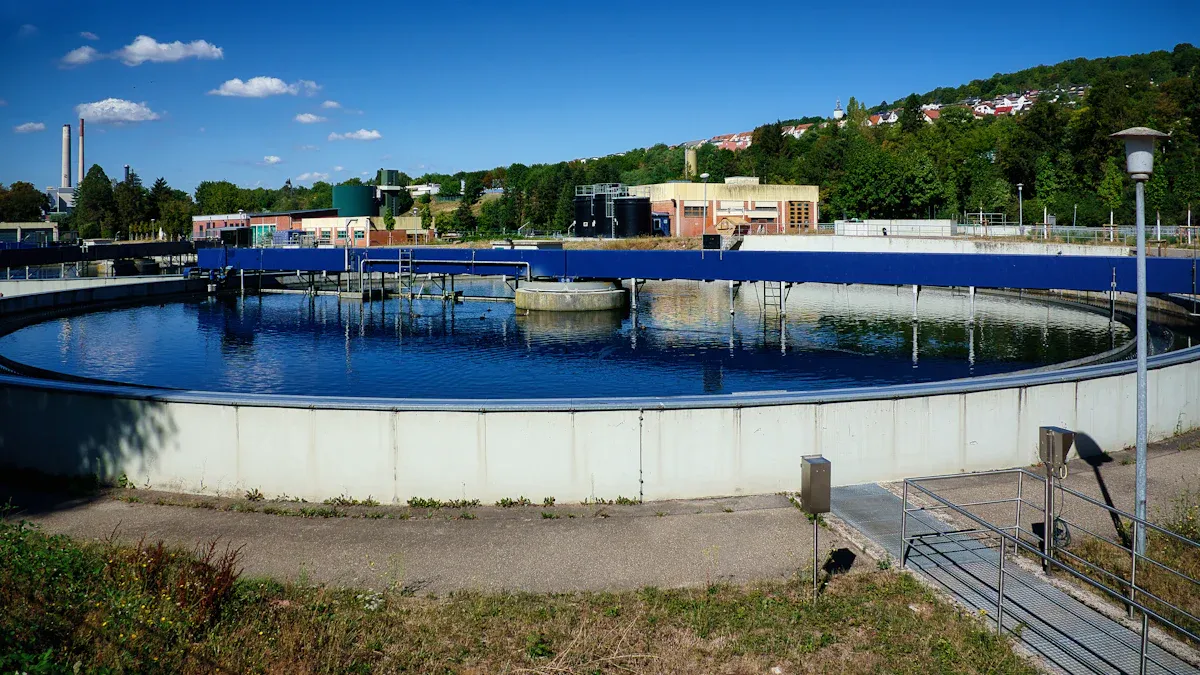
Compliant Mechanical Seal solutions are critical for potable water safety. They prevent contamination, safeguarding water quality. Efficient seals keep water treatment equipment running dependably. Proactive upgrades enhance operational integrity and protect public health. These improvements ensure continuous, safe water delivery.
Key Takeaways
- Good mechanical seals keep drinking water safe. They stop bad things from getting into the water.
- Strong seals make water treatment machines work well. They help deliver clean water all the time.
- Upgrading seals makes water systems better. It keeps people healthy and safe.
Understanding Potable Water Mechanical Seal Requirements
Health and Safety Standards for Mechanical Seals
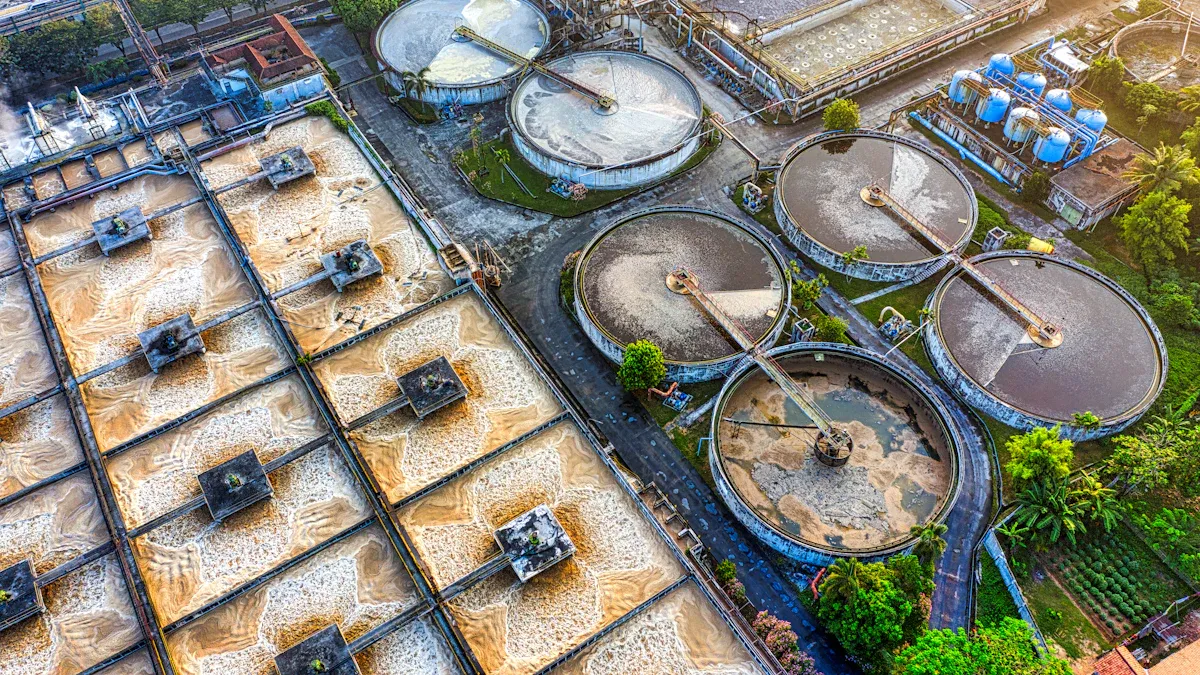
Mechanical seals play a vital role in maintaining water quality. They prevent outside contaminants from entering the water system. Non-compliant seals fail to provide this essential barrier. This directly leads to the introduction of harmful substances into potable water. Improperly placed or faulty seals also cause leaks in potable water systems. These leaks pose significant health risks to individuals consuming the water. They also affect those using products processed with it. Therefore, strict adherence to health and safety standards for these Mechanical Seal components is non-negotiable.
Material Compatibility for Potable Water Mechanical Seals
Selecting the right materials for a mechanical seal is paramount in potable water applications. Materials must be inert. They should not leach any substances into the water. Incompatible materials can introduce chemicals, flavors, or odors. This compromises water quality and safety. Facilities must choose seals made from certified materials. These materials ensure they meet stringent regulatory requirements. Proper material selection guarantees the seal performs its function without contaminating the water it protects.
Assessing Your Current Mechanical Seal System
Identifying Common Mechanical Seal Failure Modes
Facilities must regularly evaluate their existing mechanical seal systems. Several indicators point to potential seal failure. Higher than normal nitrogen consumption in dry seals often occurs. This may include hissing or puffing sounds from the seal housing. Flowmeter indicator balls above allowable limits, or bouncing in the meter, also signal issues. For lubricated or wet seals, increased liquid loss or seals running totally dry are clear signs. Other common failure modes include seal face misalignment. Uneven pressure from shaft deflection causes rapid wear on one side and product leakage. Increased vibration from pipe strain leads to O-rings fretting and losing sealing ability. This can also fatigue and crack seal faces. Recurring seal and bearing failures in the same pump often indicate underlying problems like pipe strain.
Evaluating Pump Performance and Age for Mechanical Seal Upgrades
Pump performance directly reflects the health of its components, including the mechanical seal. A decrease in hydraulic efficiency, such as a drop in pressure or flow rate, can indicate internal wear or worn seals. Facilities may also notice excessive noise, like grinding, squealing, or banging sounds. These noises often come from loose or damaged components or improper alignment. Unexplained fluid leaks, including leaking seals, cracked housings, or damaged fittings, lead to frequent drops in fluid levels. Increased vibration or movement also suggests internal component wear or issues like cavitation. These signs collectively suggest the need for a mechanical seal upgrade.
Operational Demands on Mechanical Seals
Operational conditions significantly impact mechanical seal lifespan. Changes in operational conditions, such as pressure, directly affect the leak rate of mechanical seals. This variability shows how responsive seal faces are to transient operating conditions. Fluctuating pressures can alter seal performance and potentially impact lifespan. Excessive pressure can cause deformation and face disruption, leading to premature seal failure. Conversely, low pressure results in an insufficient lubricating film, causing higher wear and tear. Balanced seals handle higher pressures effectively. They distribute hydraulic forces evenly across the sealing interface, which helps maintain their lifespan. Unbalanced seals, while more economical, experience a reduced lifespan in high-pressure environments due to uneven force distribution.
Selecting the Right Mechanical Seal Type
Choosing the correct mechanical seal type significantly impacts a potable water facility's operational efficiency and safety. Different pump sizes and application demands require specific seal designs. Facilities must understand the characteristics of each type to make informed decisions.
Cartridge Mechanical Seals for Smaller Pumps
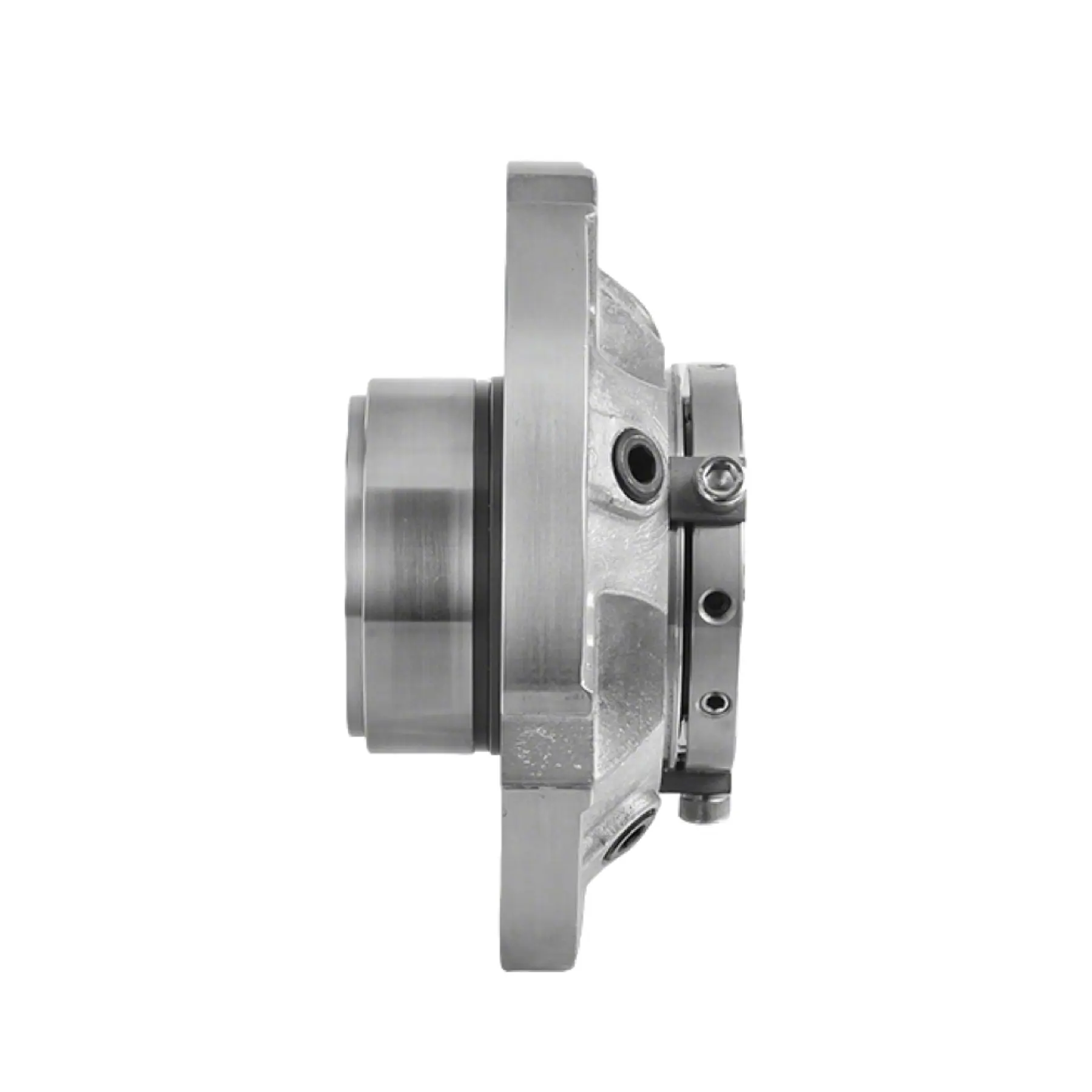
Cartridge mechanical seals offer a pre-assembled, balanced unit. This design simplifies installation and reduces the chance of errors. Installers slide the entire unit onto the pump shaft and secure it. This ease of installation makes them ideal for smaller pumps. These seals find typical applications in commercial, municipal, and industrial settings where the water supply remains fairly clean and free of debris. This includes potable water systems. They work effectively in both end suction and split case pumps. Cartridge seals commonly fit shaft sizes ranging from 1.000 to 4.000 inches. Their design ensures reliable performance and minimizes maintenance for these smaller, critical applications.
Split Mechanical Seals for Larger Pumps
Split mechanical seals provide a distinct advantage for larger pumps. Their design allows installation without disassembling the pump, motor, or coupling. This feature drastically reduces downtime. Installation time often decreases from several hours to just one or two. This leads to lower maintenance costs and fewer disruptions to production schedules. Split seals also eliminate sleeve wear and associated maintenance interventions. They can remove the need for packing adjustments and reduce packing gland leakage. Most split seals are designed to seal outside the stuffing box, allowing conversion without replacing the packing sleeve.
Split seals are suitable for large pumps handling water-based fluids. Industries like power generation, chemical and water processing, pulp and paper, and desalination utilize them. Water and wastewater treatment plants, mining and mineral processing, chemical processing, and oil and gas pipelines frequently use these seals. These sectors often employ large pumps where shaft removal would be time-consuming and expensive. The cost savings from split seals increase significantly with equipment size. Facilities typically see a positive return on investment for shaft sizes greater than 2.5 inches or 65 mm in single-stage centrifugal pumps. Modern split seals maintain sealing efficiency comparable to traditional cartridge seals, even under high pressures and temperatures. Their easy installation, even in confined spaces, minimizes the need for specialized tools. Quick seal replacement also minimizes exposure risks for maintenance staff, particularly with hazardous fluids, enhancing safer operations.
Component Mechanical Seals for Specific Applications
Component mechanical seals consist of individual parts. Installers assemble these parts directly onto the pump shaft. This type offers maximum flexibility for highly specific or custom applications. When standard cartridge or split seals do not fit unique process conditions, component seals provide a solution. Their design allows for a wide range of material combinations. This enables facilities to select the best materials for challenging fluid chemistries or extreme operating parameters. However, component seals require more skill and precision during installation. Proper assembly ensures optimal performance and longevity. Facilities often choose component seals when they need a tailored solution for a particular operational challenge.
Key Considerations for Mechanical Seal Selection
Facilities must carefully evaluate several factors when selecting a Mechanical Seal for potable water applications. These considerations ensure optimal performance, longevity, and compliance with safety standards.
Pressure and Temperature Ratings for Mechanical Seals
Understanding the operational pressure and temperature is crucial for selecting appropriate mechanical seals. Different seal designs and materials handle varying conditions. For instance, unbalanced seals typically operate below 150 psi, while balanced seals can exceed 300 psi. Elastomers, vital components in seals, also have specific temperature ranges. Standard elastomers generally perform between -20°F and 250°F. More specifically, Nitrile Rubber (Buna-N) O-rings tolerate temperatures up to 212°F, EPDM O-rings up to 300°F, and Fluorocarbon Elastomers (Viton) O-rings can withstand -20°F to over 400°F. Carbon-graphite compositions, often used for seal faces, handle pressures up to 300 psi. Selecting seals within these specified limits prevents premature failure and maintains system integrity.
Shaft Speed and Runout Impact on Mechanical Seals
Shaft speed and runout significantly affect mechanical seal integrity and lifespan. Runout refers to unwanted shaft movement. Radial runout, the side-to-side movement of the shaft, often results from bent shafts or bearing wear. Axial runout, the forward-and-backward movement along the shaft's axis, can stem from improper bearing preload. Both types of runout cause seal faces to separate intermittently, leading to increased leakage and accelerated seal wear. This uneven rotation puts more stress on certain areas, reducing seal life. Excessive shaft movement also increases vibration and noise, impacting bearings and motor performance.
Abrasive and Corrosive Conditions for Mechanical Seals
Potable water systems, while generally clean, can sometimes contain abrasive particles or encounter corrosive conditions. Abrasive particles, even in small concentrations, can wear down seal faces and secondary seals, leading to leakage. Corrosive chemicals, used in water treatment processes, can degrade seal materials over time. Facilities must select seal faces and elastomers resistant to these specific conditions. Harder face materials, like silicon carbide, offer superior abrasion resistance. Chemically inert elastomers, such as PTFE or specific fluorocarbons, provide better corrosion resistance. Proper material selection ensures the seal maintains its integrity and prevents contamination.
Installation and Maintenance of Mechanical Seals
Proper installation and consistent maintenance are crucial for the longevity and effectiveness of seals in potable water facilities. These practices ensure optimal performance and prevent costly failures.
Best Practices for Mechanical Seal Installation
Facilities must follow precise steps for successful seal installation. Thoroughly inspect all components for damage like cracks or corrosion before installation. Verify shaft and housing dimensions meet specified tolerances. Precision alignment is paramount. Use dial indicators or laser alignment tools to ensure all parts align within manufacturer tolerances. This prevents uneven force distribution and premature wear. Apply the correct type and amount of lubricant as per manufacturer recommendations. This facilitates smooth fitting and effective operation. Maintain a clean work surface and use gloves to prevent contaminants from compromising seal integrity. Use a calibrated torque wrench and follow manufacturer's torque specifications. Tighten fasteners in a star pattern to ensure even pressure distribution. After installation, run the equipment briefly. Check for leaks, unusual noises, vibrations, and abnormal temperatures.
Routine Inspection and Monitoring of Mechanical Seals
Regular inspections are vital for maintaining seal integrity. Facilities should include checking seals as part of an annual pump maintenance checklist. Inspect the exterior for corrosion, cracks, debris, and scale. Clean chase threads and check for blockages in lubrication passages. Monitor power consumption and flow rates. Inspect the seal chamber for pitting and scoring. Check the shaft for excessive wear and runout. These routine checks help identify potential issues early.
Training for Mechanical Seal Maintenance Personnel
Well-trained personnel are essential for effective seal management. Training programs should cover principles for achieving good seal life. They must understand the importance of correct rotating equipment operation. Personnel should learn simple troubleshooting techniques to improve equipment availability. Comprehensive courses, such as 'Advanced Mechanical Seals' (AMS-402), teach how seals work, their theory, proper installation, and effective troubleshooting. This training often includes classroom exercises and hands-on activities. It helps personnel select, specify, and apply seals correctly.
Cost-Benefit Analysis of Mechanical Seal Upgrades
Initial Investment vs. Long-Term Savings with New Mechanical Seals
Upgrading mechanical seals requires an initial investment. Facilities must consider this cost against significant long-term savings. New seals often feature advanced materials and designs. These improvements lead to extended operational life and reduced maintenance needs. Over time, these benefits outweigh the upfront expenditure. Facilities experience fewer unexpected breakdowns and lower repair costs. This proactive approach ensures greater financial predictability and operational stability.
Reducing Downtime and Repair Costs with Upgraded Mechanical Seals
Upgraded mechanical seals directly reduce unscheduled downtime. This improvement significantly lowers repair costs. Advanced mechanical seals increase operational uptime by 25% in industrial applications. This directly contributes to a reduction in unscheduled downtime. Fewer failures mean less time spent on emergency repairs. Facilities avoid the high costs associated with lost production and expedited parts. This enhances overall operational reliability and efficiency.
Enhancing Operational Efficiency with Improved Mechanical Seals
Improved mechanical seals significantly enhance operational efficiency. They reduce energy consumption and improve pump performance. Upgraded seals eliminate leakage common with older packing systems. This saves substantial amounts of energy and reduces CO2 emissions.
Consider the following comparisons:
| Metric | Before Mechanical Seals | After Mechanical Seals |
|---|---|---|
| Unplanned Maintenance | Higher | 40% decrease |
| Pump Efficiency | Lower | 20% increase |
| Overall Performance | Standard | Improved (continuous supply of clean water) |
| Costs | Higher maintenance costs | Reduced maintenance costs |
| Downtime | More frequent | Reduced |
| Reliability | Standard | Enhanced |
These improvements lead to a more reliable and cost-effective water treatment process.
Successful mechanical seal upgrades demand meticulous planning, strict adherence to NSF/ANSI/CAN 61 certification, and precise material selection. Compliant, efficient seals deliver significant long-term value. They ensure public safety, boost operational efficiency, and reduce overall costs. Facility managers must proactively assess current systems and consult industry experts for optimal improvements.
FAQ
Why are cartridge mechanical seals suitable for smaller pumps?
Cartridge seals offer a pre-assembled, balanced unit. This design simplifies installation and reduces errors. Their ease of installation makes them ideal for smaller pump applications.
How do split mechanical seals reduce downtime?
Split seals install without disassembling the pump, motor, or coupling. This feature drastically reduces installation time. It minimizes disruptions to production schedules.
What impact do shaft speed and runout have on mechanical seals?
Shaft speed and runout significantly affect seal integrity. Excessive movement causes seal faces to separate. This leads to increased leakage and accelerated wear.