










Ensuring Hygienic Integrity in Food Production: A Centrifugal Pump Seal Solution
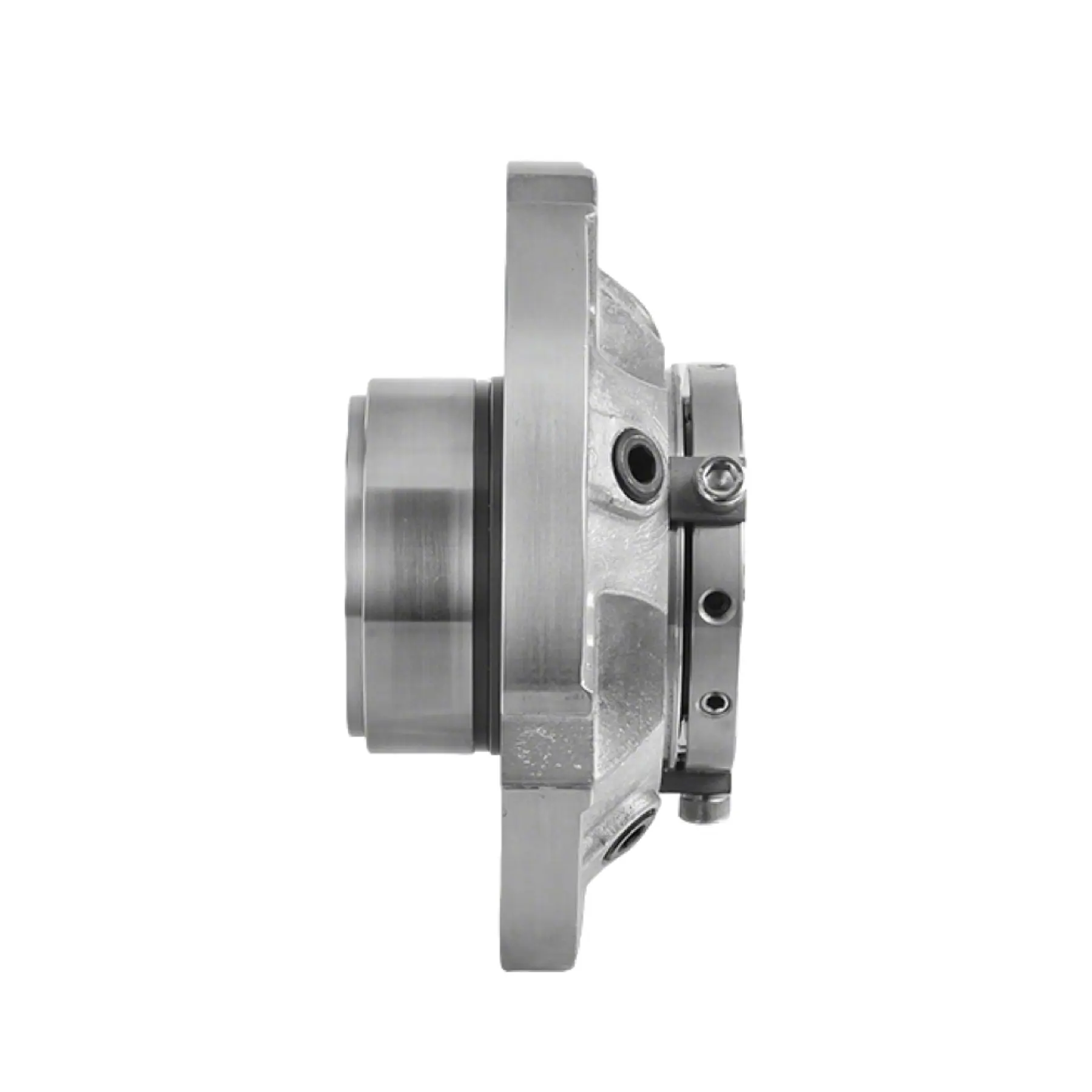
Centrifugal pump seals are essential in food production, ensuring reliability that is vital for maintaining product quality. By preventing leaks and contamination, these seals enhance operational efficiency. The OEM mechanical seal, specifically designed for APV pump seal applications, exemplifies how advanced sealing solutions contribute to hygiene and compliance with safety standards, particularly in food application seal scenarios.
Key Takeaways
- Centrifugal pump seals are crucial for preventing leaks and contamination in food production, ensuring product quality and safety.
- Choosing the right seal involves considering fluid type, temperature, and chemical compatibility to avoid costly failures.
- Regular maintenance, including inspections and timely replacements, significantly extends the lifespan of seals and reduces downtime.
Types of Centrifugal Pump Seal
Centrifugal pump seals come in various types, each designed for specific applications and performance requirements. Understanding these types helps in selecting the right seal for food production processes.
Mechanical Seals
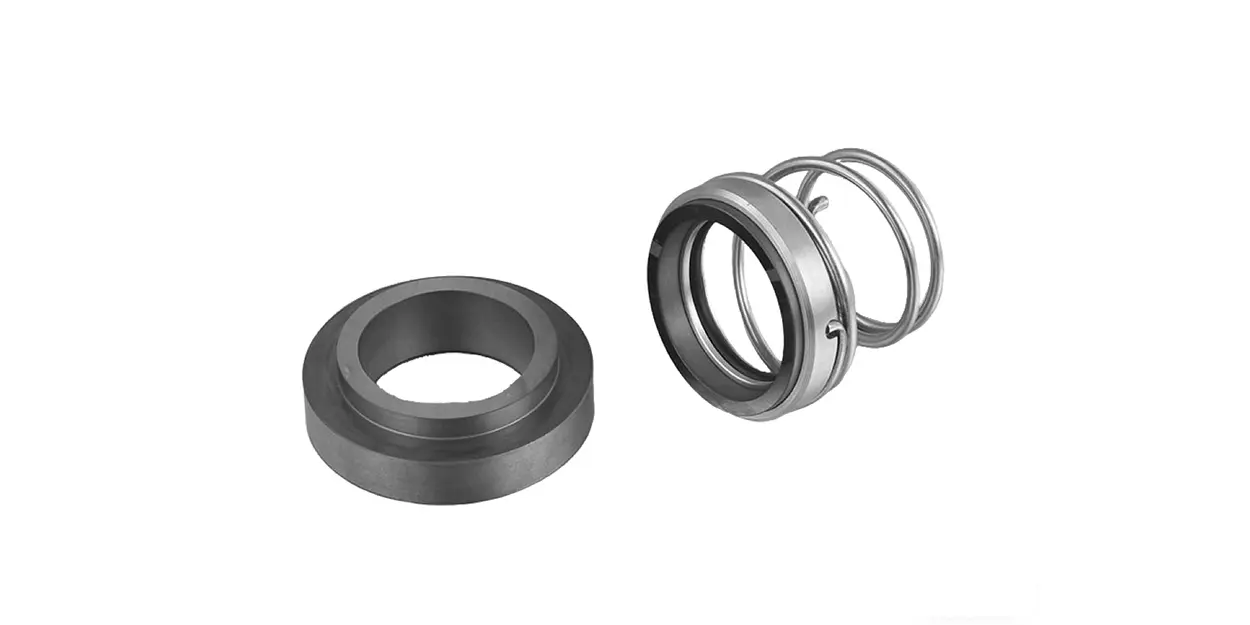
Mechanical seals are widely recognized for their superior leak control. They perform well under high operating speeds and vibrations, making them ideal for demanding environments. These seals have a longer lifespan compared to other types, but they require more complex maintenance. In the food industry, mechanical seals are commonly used in processing equipment, ensuring hygiene and reliability.
Lip Seals
Lip seals offer a cost-effective solution for applications with low to moderate pressure. They are easier to replace, which can reduce downtime during maintenance. However, lip seals tend to wear out more quickly than mechanical seals. These seals find their place in mixers, kneading machines, conveyors, and separators, where they effectively prevent leaks while maintaining operational efficiency.
Magnetic Seals
Magnetic seals utilize magnetic forces to create a seal without physical contact. This design minimizes wear and tear, extending the lifespan of the seal. Magnetic seals are particularly beneficial in applications requiring frequent cleaning and sterilization, such as in dairy and beverage processing. Their ability to maintain a tight seal under varying conditions makes them a valuable choice in the food industry.
| Seal Type | Performance Characteristics | Applications in Food Industry |
|---|---|---|
| Lip Seals | Cost-effective, suitable for low to moderate pressure, easier to replace, but wear out quickly. | Used in mixers, kneading machines, conveyors, and separators. |
| Mechanical Seals | Superior leak control, suitable for high operating speeds and vibrations, longer lifespan but complex maintenance. | Common in various industrial machinery including food processing equipment. |
Benefits of Centrifugal Pump Seal in Food Production
Centrifugal pump seals play a crucial role in enhancing the overall performance of food production systems. Their benefits extend beyond mere functionality, impacting reliability, efficiency, and maintenance costs.
Enhanced Reliability
Centrifugal pump seals significantly enhance reliability in food production environments. They achieve this through several design features:
- The use of a wave spring reduces wear by ensuring uniform loading on the seal face.
- Hydraulic balancing minimizes sealing surface pressures, which contributes to a longer seal life.
- Tool-free disassembly allows for easier maintenance, reducing production downtime.
These features ensure that operations run smoothly, minimizing the risk of leaks and contamination. As a result, manufacturers can maintain high hygiene standards, which is essential in food processing.
Improved Efficiency
Efficiency gains from centrifugal pump seals can lead to substantial energy savings. Advanced sealing technologies can save approximately 400,000 kW of energy annually when comparing different sealing plans. This represents a remarkable 96% reduction in energy costs when applied across multiple pumps and locations.
Moreover, improved sealing reduces friction, which lowers energy consumption and enhances overall system efficiency. These efficiency improvements often surpass those achieved through other measures, such as variable frequency drives or pump resizing.
Reduced Maintenance Costs
The implementation of centrifugal pump seals can lead to significant reductions in maintenance costs. A comparison of various sealing methods reveals the financial advantages of using mechanical seals.
| Sealing Method | Energy Cost | Flush Water Cost | Water Removal Cost | Total Cost |
|---|---|---|---|---|
| A9 with Expeller | $13,780 | – | – | $13,780 |
| A9 without Expeller | $11,670 | $530 | $138,620 | $150,820 |
| EMW® with Expeller | $213,570 | – | – | $213,570 |
| EMW® without Expeller | $200,850 | $3,680 | $582,210 | $786,740 |
This table illustrates how mechanical seals lower maintenance costs by reducing the need for frequent repairs and replacements. By minimizing downtime and maintenance frequency, manufacturers can focus on production rather than repairs.
Best Practices for Centrifugal Pump Seal Selection and Maintenance
Selecting and maintaining centrifugal pump seals effectively is crucial for ensuring optimal performance in food production environments. Implementing best practices can significantly enhance reliability, reduce downtime, and maintain product quality.
Choosing the Right Seal
When selecting a centrifugal pump seal, several critical criteria must be considered:
- Fluid Description: Different fluids require specific seal materials and elastomers. This choice directly affects the pump's performance.
- Temperature: Both process and cleaning temperatures are vital. They influence vapor pressure and suction conditions, impacting seal integrity.
- Product Characteristics: The stickiness or abrasiveness of the product can dictate the mechanical seal material selection and the necessity for seal flushing.
- Chemical Compatibility: The seal material must resist corrosion and chemical reactions based on the fluid being pumped.
- Temperature Resilience: Materials should maintain their integrity under extreme temperatures to ensure safe and efficient operation.
By carefully evaluating these factors, manufacturers can avoid common mistakes such as misapplying seals or neglecting proper maintenance, which can lead to costly failures and contamination issues.
Regular Maintenance Protocols
Establishing a robust maintenance protocol is essential for prolonging the life of centrifugal pump seals. Recommended maintenance intervals include:
- Daily: Conduct visual inspections for overheating, unusual noises, and excessive vibration. Record any irregularities.
- Weekly: Inspect for leakage, check efficiency, and examine shaft seals for damage.
- Monthly: Compare suction and discharge pressures, inspect mechanical seals, and change oil every three months.
- Every 1-2 Years: Dismantle and inspect the pump, replacing mechanical seals and impellers as needed.
- As Per Service Intervals: Lubricate bearings according to the manufacturer's guidelines, especially in high-temperature or dusty environments.
Implementing these protocols can significantly reduce failure rates. For instance, a major oil company improved pump efficiency by 15% and reduced unplanned shutdowns through preventive maintenance workflows. Regular maintenance not only enhances reliability but also minimizes the risk of contamination and product loss.
Monitoring Performance Indicators
Monitoring specific performance indicators can provide valuable insights into the condition of centrifugal pump seals. Key indicators include:
| Performance Indicator | Description |
|---|---|
| Vibration analysis | Detects abnormal vibration patterns indicating issues like misalignment and bearing failure. |
| Thermography | Uses cameras to identify temperature patterns indicating lubrication issues and seal problems. |
| Oil analysis | Identifies abnormalities in oil, indicating contamination and wear. |
| Ultrasonic data | Detects early signs of wear in equipment and helps in proper greasing. |
| Electrical monitors | Measures motor load to identify performance issues with the pump. |
By regularly monitoring these indicators, manufacturers can proactively address potential seal issues before they escalate into significant problems. This proactive approach not only enhances operational efficiency but also supports compliance with industry standards, ensuring that the seals meet safety and hygiene requirements.
Centrifugal pump seals play a vital role in maintaining consistent quality in food production. They prevent leaks, enhance safety, and extend pump lifespan. Industry professionals should implement best practices for seal selection and maintenance.
Recommendations for evaluating sealing solutions include:
- Collaborate with local vendors for expert assessments.
- Conduct onsite evaluations to understand specific needs.
- Prioritize training on maintenance best practices.
Now is the time to assess current sealing solutions and ensure optimal performance in your operations.
FAQ
What are the main types of centrifugal pump seals?
Centrifugal pump seals primarily include mechanical seals, lip seals, and magnetic seals, each designed for specific applications and performance requirements.
How do centrifugal pump seals enhance efficiency?
Centrifugal pump seals reduce friction and energy consumption, leading to significant energy savings and improved overall system efficiency in food production.
What maintenance practices should be followed for pump seals?
Regular inspections, timely replacements, and adherence to manufacturer guidelines ensure optimal performance and longevity of centrifugal pump seals in food processing applications.
