


Effective solution: Slurry seals a critical asset for mining's toughest challenges
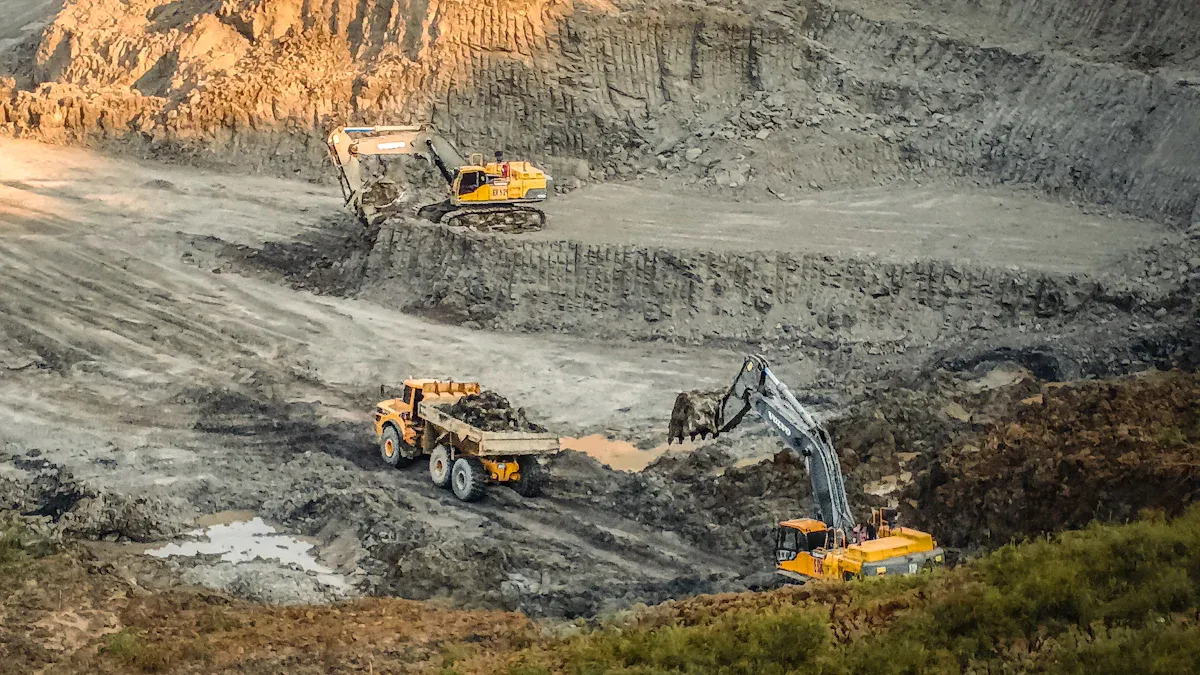
Slurry seals are indispensable for overcoming mining's most extreme conditions. They provide superior protection against abrasive slurries, corrosive chemicals, and high pressures. This critical asset, the Slurry Seal, ensures operational continuity, significantly reduces maintenance costs, and enhances safety in demanding mining environments.
Key Takeaways
- Slurry seals protect mining equipment. They work against harsh conditions like abrasive slurries and corrosive chemicals.
- These seals make equipment last longer. They also lower maintenance costs and improve safety in mines.
- Modern slurry seals are better than old methods. They use strong materials and smart designs for reliable performance.
Mining's Harsh Realities: The Challenges Slurry Seals Confront
Abrasive Slurries: Constant Wear and Tear
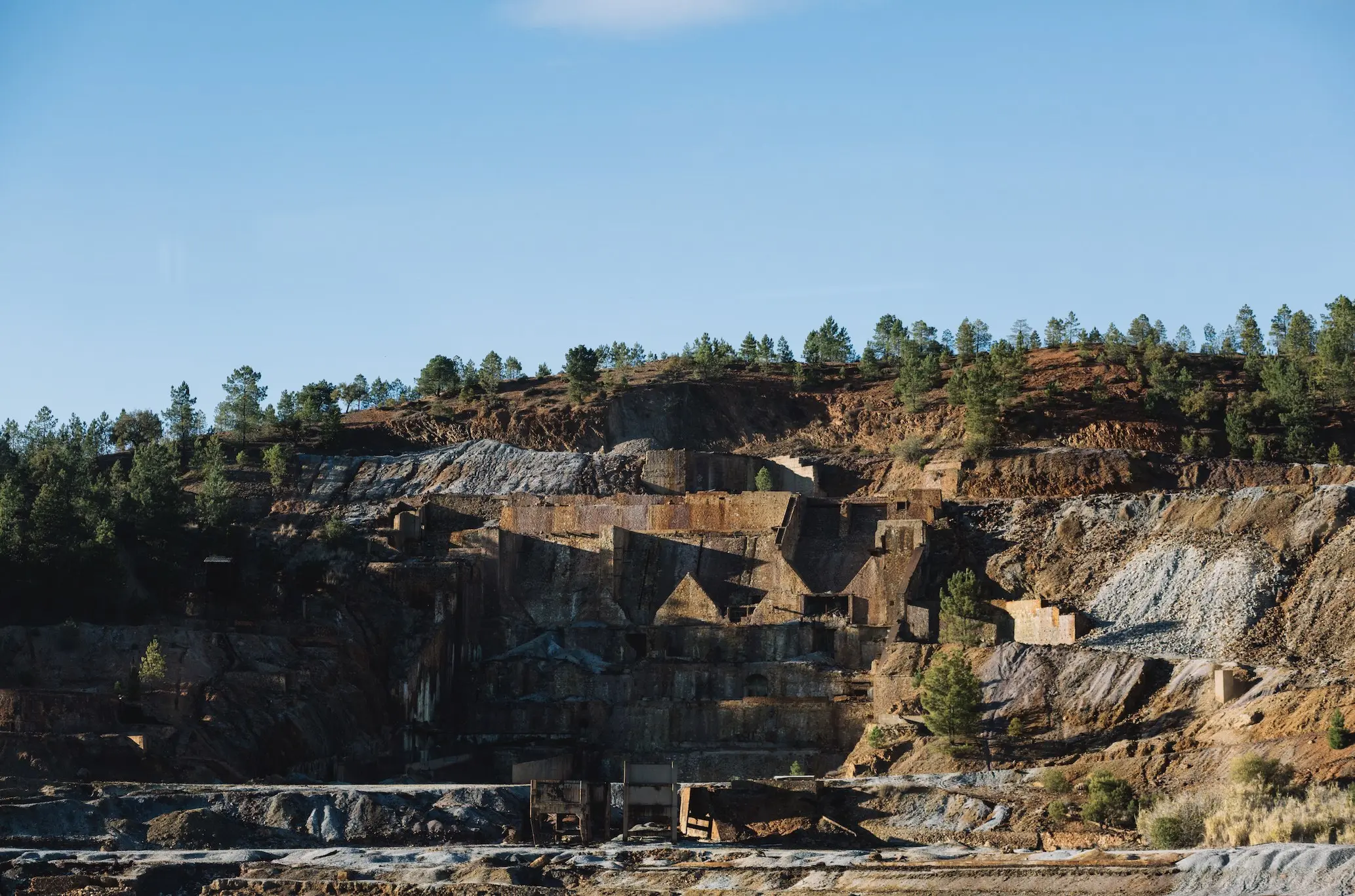
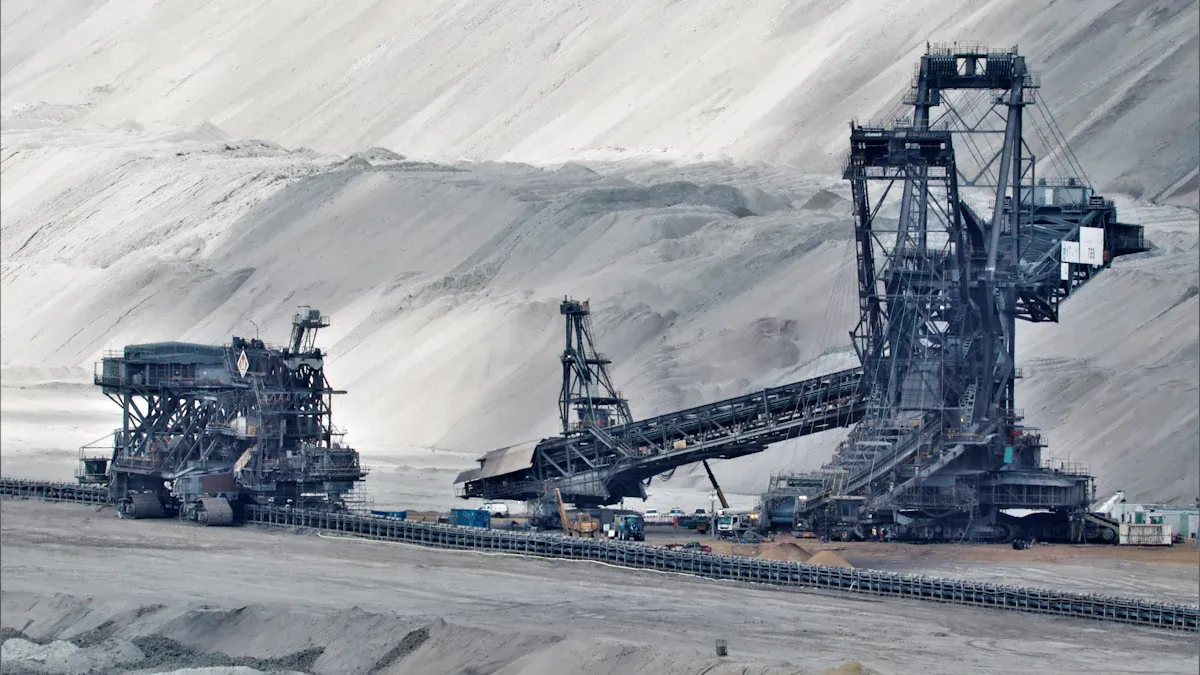
Mining operations constantly move abrasive slurries. These slurries contain hard, sharp particles. They cause continuous wear and tear on pump components and sealing mechanisms. This constant friction erodes materials, leading to premature equipment failure. Operators face significant challenges maintaining equipment integrity against this relentless abrasion.
Corrosive Chemicals: Equipment Degradation
Many mining processes involve highly corrosive chemicals. These substances, including strong acids and alkalis, attack equipment materials. They degrade seals and other critical components. This chemical assault weakens the equipment structure over time. It compromises operational safety and efficiency.
Extreme Pressures and Temperatures: Operational Stress
Mining environments often present extreme pressures and temperatures. Equipment must withstand these harsh conditions. High pressures place immense stress on seals, testing their structural limits. Elevated temperatures can degrade seal materials, reducing their effectiveness. For instance, a Slurry Seal must perform reliably within specific ranges:
| Seal Type | Temperature Range | Pressure Limit |
|---|---|---|
| John Crane Type 5840 | 167°F to 248°F (75°C to 120°C) | 300 psi(g) / 21 bar(g) |
| GPA Slurry Seal | 32° to 310° F (0 to 154° C) | Up to 300 psi / 20 bar |
These specifications highlight the demanding operational stress seals endure.
Contamination: Internal Damage
External contaminants pose a significant threat to internal equipment components. Dirt, dust, and process fluids can ingress into critical areas. This contamination causes internal damage, particularly to bearings and sealing surfaces. It accelerates wear and leads to costly repairs. Preventing contamination is crucial for extending equipment life.
The Evolution of Sealing: From Packing to Advanced Slurry Seal Technology
Limitations of Traditional Packing Solutions
Traditional packing solutions have long served mining operations. However, these methods present significant limitations. Packing seals rely on compressed soft materials. They require frequent adjustments to maintain an effective seal. This constant need for maintenance leads to increased downtime and labor costs. Furthermore, packing often requires a continuous flow of flush water, which can dilute the process medium and contribute to environmental concerns through slurry leakage. Their inherent design also makes them prone to rapid wear due to friction, resulting in shorter operational lifespans and frequent replacement.
The Rise of Mechanical Slurry Seal Designs
The mining industry recognized the need for more robust and reliable sealing solutions. This led to the development of mechanical seal designs. These advanced seals move beyond the simple compression of packing materials. They incorporate precision-engineered components. These components create a highly effective barrier against abrasive slurries and corrosive chemicals. Mechanical seals offer a significant upgrade in performance and durability compared to their predecessors.
Advantages of Modern Slurry Seal Systems
Modern Slurry Seal systems provide numerous benefits over traditional packing. They utilize precision components, such as rotating and stationary rings, which form a hydrodynamic lubrication film between faces. This design blocks all leakage paths, ensuring zero leakage and preventing environmental contamination.
| Feature | Traditional Packing Seal | Modern Mechanical Seal |
|---|---|---|
| Sealing Mechanism | Physical contact under pressure; relies on shaft seal water. | Precision components with a hydrodynamic lubrication film. |
| Reliability | Lower; prone to wear, frequent replacement. | High; excellent performance, long service life. |
| Longevity | Shorter; rapid wear due to friction. | Longer; reduced friction and wear. |
| Environmental Impact | Can cause environmental contamination and dilution. | Ensures zero leakage, preventing pollution. |
Modern mechanical seals offer greater efficiency, reliability, and longevity. They adapt strongly to harsh conditions, including high temperatures, pressures, and corrosive liquids. While they have a higher initial cost, their reduced maintenance needs and extended equipment lifespan lead to significant long-term savings.
How Slurry Seals Are Engineered for Extreme Mining Conditions

Robust Material Composition for Slurry Seals
Engineers carefully select materials for slurry seals to withstand the severe conditions in mining. These materials must resist abrasion, corrosion, and high temperatures. The right material composition directly impacts a seal's durability and performance. Different materials offer specific advantages for various abrasive conditions.
| Material Composition | Performance Characteristics under Abrasive Conditions |
|---|---|
| High-strength synthetic or aramid fibers (e.g., Teadit 2004) | Withstand abuse of abrasion; less ideal heat dissipation, thermal conductivity, and chemical resistance |
| Aramid reinforced corners with PTFE or graphited PTFE yarns (e.g., Teadit 2003, 2017) | Added strength, improved chemical resistance, addresses overheating concerns |
| Phenolic fibers | Proven successful in difficult slurry services, provides reinforcement to resist wear and abrasion |
| High tensile strength carbon yarn | Proven successful in difficult slurry services, provides reinforcement to resist wear and abrasion, low heat generation, excellent thermal conductivity |
| Graphite/carbon packings | Low heat generation, excellent thermal conductivity |
| Impregnation and lubrication (graphite, PTFE, mineral/silicone oils) | Contributes to heat dissipation, sealability, chemical resistance protection |
| Teadit 2774 (Phenolic fibers with PTFE impregnation) | High durability, chemical resistance, no shaft damage in abrasive media (e.g., paper production) |
| Teadit 2773 (Novoloid fiber with PTFE and graphite paste impregnation) | Successful in various abrasive media (e.g., steel, mining) |
| Teadit 2007 (Proprietary EG8G-S PTFE/graphite yarn) | Combines PTFE's chemical resistance with graphite's heat dissipation for higher shaft speeds |
| Teadit 2202 (Carbon/graphite with carbon reinforced corners) | Excellent heat dissipation, three times more resistant to extrusion, increased pressure handling capabilities compared to non-reinforced flexible graphite packing |
These specialized materials ensure the seals maintain integrity and function effectively. For example, phenolic fibers and high tensile strength carbon yarn provide reinforcement against wear and abrasion. Impregnation with graphite or PTFE enhances heat dissipation and chemical resistance. This careful selection of components allows seals to endure the harshest mining environments.
Innovative Slurry Seal Design Principles
Modern slurry seals incorporate innovative design principles to enhance their sealing effectiveness. These designs focus on creating robust barriers against process fluids and minimizing wear. Engineers continuously refine these designs to meet the evolving demands of mining operations.
- Double mechanical seals: These seals feature two independent sealing interfaces. A primary seal faces the process fluid. A controlled barrier fluid environment protects a secondary seal. This dual-layer approach significantly reduces leakage and extends operational lifespan.
- Precision-engineered seal rings: Manufacturers craft these rings from premium materials. Examples include resin carbon, antimony carbon, silicon carbide (SIC), and tungsten carbide. These materials offer exceptional wear resistance and chemical compatibility with aggressive slurry media.
- Advanced elastomer materials: Materials like VITON, EPDM, NBR, FFKM, and AFLAS provide exceptional chemical resistance and thermal stability. They perform across a wide range of operating conditions.
- Metal components: Stainless steel grades (SS304, SS316), duplex steel, and Hastelloy C form these components. They offer superior corrosion resistance and mechanical strength.
- Non-clogging spring designs: These designs prevent solids accumulation. They maintain consistent seal face pressure throughout the operating cycle. This feature is crucial for challenging slurries.
These design elements work together to create highly reliable and durable sealing solutions. They ensure continuous operation in demanding applications.
Preventing Contamination with Advanced Slurry Seals
Advanced slurry seals play a crucial role in preventing contaminants from entering critical mining equipment. Contamination can lead to premature wear and costly failures. These seals employ specific features to block the ingress of harmful particles and fluids.
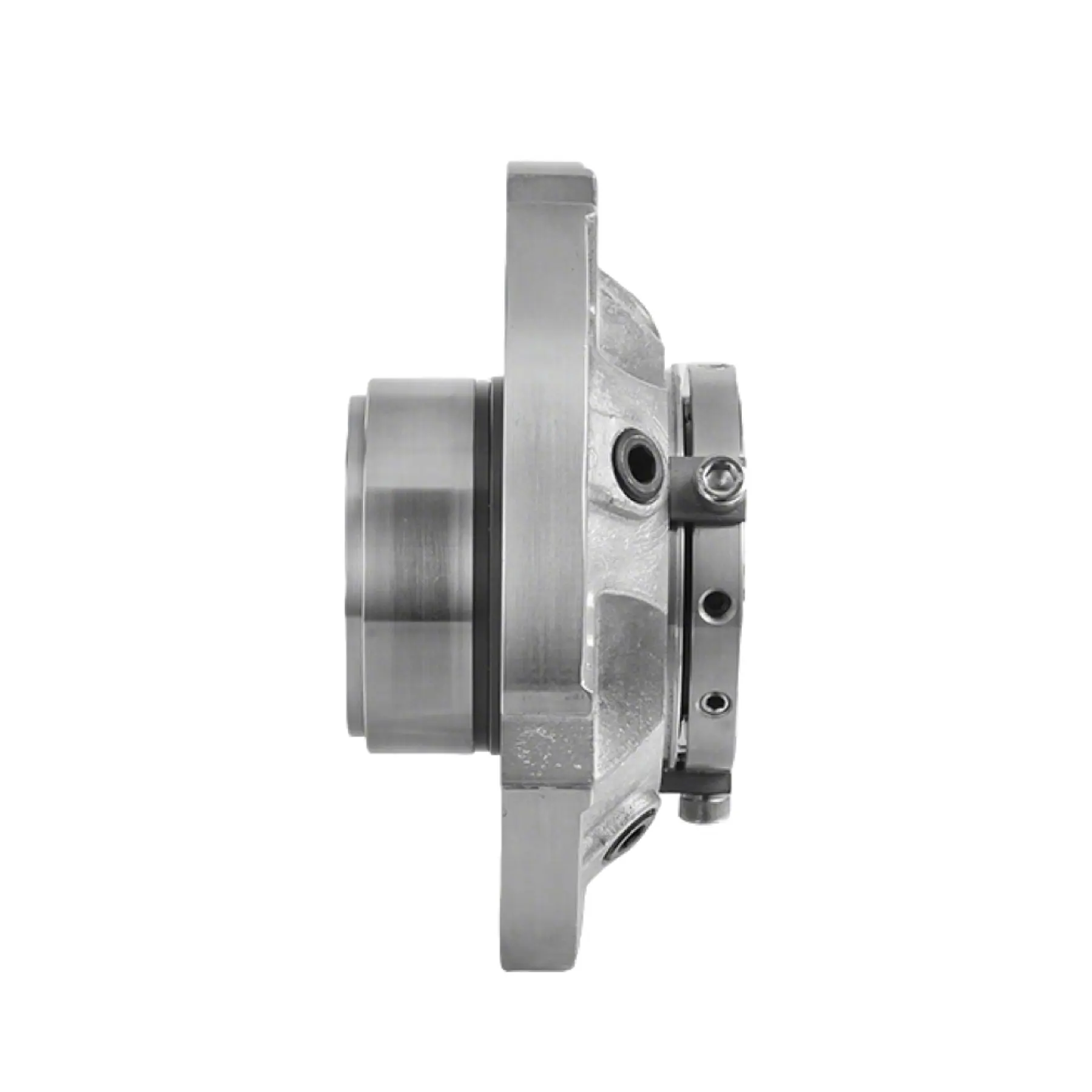
The Type 5860 Heavy-duty Cartridge Slurry Seal, for instance, is specifically engineered for harsh abrasive slurry environments. It offers robust protection against contaminants. Other designs also incorporate specialized features:
- Bearing Isolators for Harsh Environments: These seals feature large internal chambers and rotors. They physically block contaminants from entering.
- Non-Contacting Design: These seals do not rely on contact with the shaft. This eliminates wear on the shaft or shaft sleeve.
- Unitizing Rings: These rings ensure the rotor and stator remain together. They function effectively even under extreme operating conditions.
- Oversized D-Grooves: These grooves benefit grease or oil-lubricated environments. They further aid in contaminant exclusion.
- Compound Labyrinth Seal: This design provides permanent bearing protection. It guards against both lubrication loss and contaminant ingress.
These features collectively safeguard internal components. They extend the operational life of mining machinery.
Slurry Seals Withstanding High Pressures and Temperatures
Slurry seals must perform reliably under the extreme pressures and temperatures common in mining. Engineers design these seals to maintain their integrity and sealing effectiveness in such harsh conditions. They achieve this through careful material selection and robust construction. High-performance elastomers and specialized metal alloys resist degradation from heat and pressure. The structural design of the seal also distributes stress evenly. This prevents deformation and failure. This resilience ensures the seals continue to function, preventing leaks and protecting equipment, even when facing the most challenging operational stresses.
The Indispensable Value of Slurry Seals in Mining Operations
Extended Equipment Lifespan with Slurry Seals
Slurry seals significantly extend the operational life of mining equipment. They protect critical components from abrasive and corrosive media. This protection prevents premature wear and failure. Case studies consistently demonstrate this impact.
- FAR 96 showed prolonged pump lifespan in a client's application.
- FAR 89 achieved a three-fold increase in wear life for a client's pump.
- FAR 87 resulted in a two-fold increase in lifespan for a client's pump, addressing premature failures due to abrasive slurry. These examples highlight the direct correlation between advanced sealing technology and equipment longevity.
Reduced Downtime and Maintenance Costs from Slurry Seal Reliability
Slurry seal reliability directly translates into less downtime. Operators eliminate daily or weekly maintenance tasks. This reduces labor costs and increases equipment availability. One case study showed a 90% reduction in downtime. This was from multiple 48-hour halts to rare, planned maintenance. Mean Time Between Failures (MTBF) improved significantly, reaching 18 months. This was a nine-fold improvement from bi-monthly failures. Annual cost savings from repairs and lost revenue reached $900,000. The initial investment in these seals was offset by avoided losses.
Enhanced Safety and Environmental Compliance with Slurry Seals
Slurry seals contribute to a safer working environment. They prevent hazardous slurry leaks. This reduces exposure risks for personnel. The seals also help mining operations meet strict environmental regulations. Their design often eliminates the need for flush water. This reduces water consumption and prevents contamination of surrounding ecosystems. Achieving ESG goals becomes easier through reduced flush design and upstream pumping.
Improved Operational Efficiency Through Slurry Seals
Slurry seals boost overall operational efficiency. They enable uninterrupted run times for tailing lines, often lasting 12-18 months or even multiple years. This consistent performance minimizes production interruptions. The seals reduce water consumption significantly.
| Metric | Impact with Slurry Seals |
|---|---|
| Water Savings (per pump) | Up to 120 L/min (31.70 Gal/min) |
| Water Consumption (per day) | Reduced to 6.3 liters |
| Energy usage also decreases due to low friction and less need for cooling water. The return on investment (ROI) for these seals is often realized within months. This demonstrates their immediate and long-term economic benefits. |
| Metric | Improvement with Slurry Seals |
|---|---|
| Power Consumption Reduction | 25% |
| Water Usage | Eliminated flush water usage |
| ROI Realization | Within months |
| Initial Investment Offset | By avoided losses |
Selecting the Optimal Slurry Seal for Your Mining Application
Choosing the correct slurry seal is crucial for maximizing equipment performance and operational efficiency. Mining professionals must evaluate several critical factors. These considerations ensure the selected seal effectively handles the unique challenges of each application.
Key Factors for Slurry Seal Selection
Several key factors influence the optimal slurry seal choice. Engineers consider these elements to ensure long-term reliability and performance.
- Slurry Solids Density vs. Process Liquid Density: The density and size of solids significantly impact fluid behavior. They also affect centrifugal forces within the pump. Careful consideration is necessary, especially as solids density and size increase.
- Hardness of Slurry Solids: The hardness of the solids relative to the seal faces is crucial. If solids are harder than the seal materials, such as carbon seal faces, excessive wear will occur. Seal components should always be harder than the solids.
- Velocity of the Slurry: High-speed movement of hard or sharp solids can severely damage seal components. Seal and seal chamber designs can be modified to slow down these swirling vortices.
- pH of the Process Liquid: The acidity of the slurry can significantly affect seal damage. Seal design must account for the pH of the process liquid.
- Secondary Seal Degradation: Fines from slurry solids can embed in secondary seal O-rings. This causes fraying and leakage. Non-pusher secondary seals, like bellows, offer a more robust alternative to O-rings in abrasive slurry applications.
Customization for Unique Mining Challenges
Mining operations often present unique challenges. Standard seal solutions may not suffice. Therefore, customization becomes essential. Seal manufacturers work closely with mining companies. They design seals tailored to specific operational parameters. This includes adjusting material compositions, modifying seal face geometries, and incorporating specialized flushing plans. Customization ensures the seal performs optimally under the exact conditions of a particular mine. This approach maximizes seal life and minimizes unexpected downtime.
Slurry seals are unequivocally a critical asset. They are essential for navigating the severe operational challenges inherent in mining. Their robust protection, ability to extend equipment life, and contribution to operational continuity and safety make them indispensable. Investing in advanced slurry seal technology is key to achieving sustainable, efficient, and profitable mining operations. These technologies reduce water consumption, improve process efficiency, and increase pump uptime. They also lower energy consumption and minimize environmental impact.
FAQ
What is the main advantage of using slurry seals over traditional packing?
Slurry seals offer superior reliability and zero leakage. They significantly reduce maintenance needs and extend equipment lifespan compared to traditional packing solutions.
How do slurry seals help reduce operational costs in mining?
Slurry seals reduce downtime and maintenance expenses. They extend equipment life and minimize the need for frequent repairs, leading to substantial long-term savings.
What makes modern slurry seals effective in harsh mining environments?
Modern slurry seals use robust materials and innovative designs. They resist abrasion, corrosion, and extreme pressures, ensuring reliable performance in challenging conditions.