








Differences and Applications of Rubber Materials in Mechanical Seals
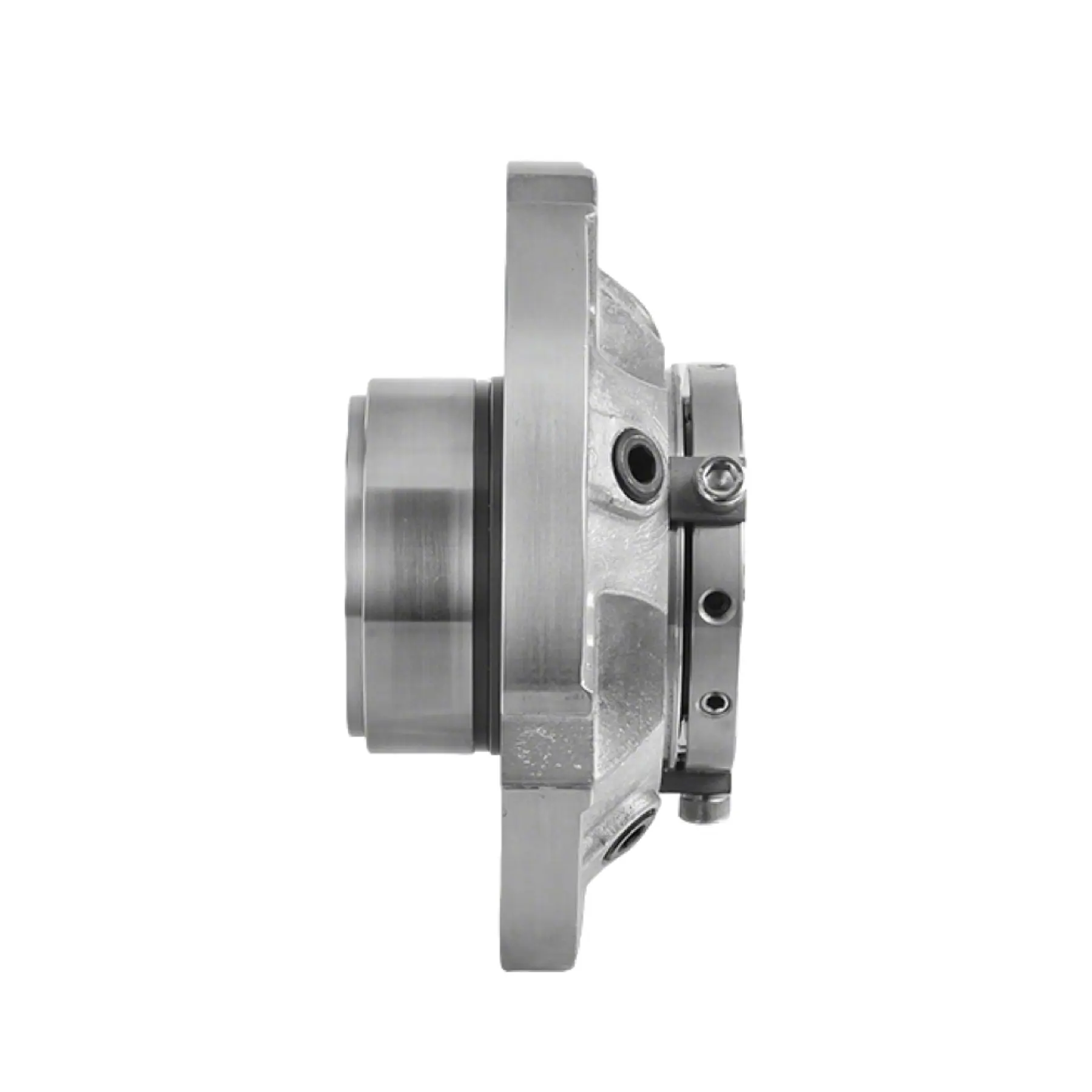
Mechanical seals are indispensable components in industrial equipment, ensuring the prevention of fluid or gas leakage in rotating machinery such as pumps, compressors, and mixers. One of the critical elements of a mechanical seal is the elastomeric material, often rubber, which acts as a secondary sealing element.
The choice of rubber material significantly impacts the seal's performance, durability, and suitability for specific operating conditions. Different rubber materials exhibit unique properties, making them ideal for specific environments. Below, we explore the most common rubber materials used in mechanical seals and their applications.
1. Nitrile Rubber (NBR)
Nitrile rubber, also known as Buna-N, is one of the most widely used elastomers in mechanical seals due to its excellent resistance to oils, fuels, and hydrocarbons. It also offers good abrasion resistance and mechanical strength. However, NBR has limited resistance to ozone, weathering, and high temperatures.
Applications: Nitrile rubber is commonly used in mechanical seals for pumps handling petroleum-based fluids, diesel, and hydraulic oils. It is suitable for moderate-temperature environments, typically ranging from -40°C to 120°C (-40°F to 248°F).
2. Fluoroelastomer (FKM/Viton)
Fluoroelastomers, such as Viton, are known for their exceptional resistance to high temperatures, chemicals, and oils. They also provide excellent sealing performance in aggressive environments. However, FKM materials are less effective in applications involving steam or polar solvents like ketones and amines.
Applications: FKM is ideal for mechanical seals in chemical processing, oil and gas, and automotive industries. It is suitable for high-temperature applications, with a working range of -20°C to 200°C (-4°F to 392°F).
3. Ethylene Propylene Diene Monomer (EPDM)
EPDM rubber is highly resistant to water, steam, and polar solvents, making it a preferred choice for applications involving these media. It also exhibits excellent ozone and weathering resistance. However, EPDM is not suitable for use with petroleum-based oils or hydrocarbons.
Applications: EPDM is widely used in mechanical seals for water pumps, HVAC systems, and food processing equipment. Its operating temperature range is typically -50°C to 150°C (-58°F to 302°F).
4. Silicone Rubber (VMQ)
Silicone rubber is known for its excellent thermal stability, flexibility, and resistance to UV radiation and ozone. It can withstand extreme temperatures but has relatively low mechanical strength and poor resistance to oils and fuels.
Applications: Silicone rubber is used in mechanical seals for high-temperature applications, such as in the food and beverage industry or pharmaceutical manufacturing. Its operating range is -60°C to 230°C (-76°F to 446°F).
5. Perflour Rubber (FFKM)
Perflour rubber, such as Kalrez and Chemraz, offer the highest level of chemical and thermal resistance among elastomers. They are capable of withstanding aggressive chemicals, high temperatures, and harsh environments. However, FFKM materials are significantly more expensive than other elastomers.
Applications: FFKM is used in mechanical seals for extreme conditions, such as in semiconductor manufacturing, chemical processing, and aerospace applications. Its operating range is -20°C to 300°C (-4°F to 572°F).
6. Polytetrafluoroethylene (PTFE)
Although not a rubber, PTFE is often used as an elastomeric alternative in mechanical seals due to its exceptional chemical resistance and low friction properties. It can handle almost all chemicals and is highly resistant to temperature extremes. However, PTFE lacks elasticity, which limits its use in dynamic sealing applications.
Applications: PTFE is commonly used in mechanical seals for highly corrosive environments, such as in chemical processing and pharmaceutical industries. Its operating range is -200°C to 260°C (-328°F to 500°F).
7. Hydrogenated Nitrile Rubber (HNBR)
HNBR is an enhanced version of nitrile rubber, offering improved resistance to heat, ozone, and chemicals. It also provides better mechanical properties and durability compared to standard NBR.
Applications: HNBR is used in mechanical seals for applications involving high-temperature oils, fuels, and chemicals. Its operating range is -40°C to 150°C (-40°F to 302°F).
8. Chloroprene Rubber (CR)
Chloroprene rubber, also known as Neoprene, offers good resistance to oils, weathering, and ozone. It also provides moderate resistance to chemicals and abrasion. However, it is less effective in high-temperature applications.
Applications: Neoprene is used in mechanical seals for refrigeration systems, water pumps, and moderate chemical environments. Its operating range is -40°C to 120°C (-40°F to 248°F).
Conclusion
The selection of rubber material for mechanical seals is critical to ensuring optimal performance and longevity. Each rubber type has unique properties that make it suitable for specific operating conditions, such as temperature, chemical exposure, and media compatibility. By understanding the differences between these materials, engineers and maintenance professionals can make informed decisions to enhance the reliability and efficiency of mechanical seals in various industrial applications. Proper material selection not only extends the life of the seal but also reduces downtime and maintenance costs, contributing to overall operational success.