

Corrosion-Proof: Mechanical Seals for Harsh Environment in 2026
Corrosion-resistant mechanical seals are critical for operational integrity and safety across demanding industries. Material science is rapidly advancing, poised to redefine performance benchmarks by 2026. These peaking trends will drive significant improvements in reliability and efficiency for mechanical seals. GW SEAL provides essential solutions in this evolving landscape.
Key Takeaways
- New materials like advanced elastomers and special coatings make seals work better. They resist harsh chemicals and high heat. This helps seals last longer and work well.
- Silicon carbide is a top material for seals. It is very hard and resists wear and chemicals. Many industries use it for important sealing jobs.
- Special alloys and composite materials also improve seals. They offer strong protection against specific chemical attacks. This makes operations safer and more reliable.
Advanced Elastomers: Enhancing Corrosion-Resistant Mechanical Seal Performance
Elastomers play a vital role in mechanical seal technology. They provide flexibility and sealing integrity. Ongoing advancements in elastomer chemistry significantly boost their performance in harsh environments. These new materials offer superior resistance to aggressive chemicals and extreme temperatures. They ensure greater reliability for corrosion-resistant mechanical seal applications.
Next-Generation Fluoroelastomers (FKM/FFKM) for Chemical Aggression
Next-generation fluoroelastomers, including FKM and FFKM, demonstrate remarkable improvements in chemical resistance. These materials are crucial for industries facing highly corrosive media. For example, Isolast PureFab JPF22, a specific next-generation fluoroelastomer, shows enhanced compatibility with wet process chemicals, steam, and amine-based ALD precursors. This makes them particularly suitable for demanding applications in semiconductor fabrication. Their improved resistance to these specific chemical environments represents a significant leap forward.
Perfluoroelastomers for Extreme Chemical and Temperature Stability
Perfluoroelastomers (FFKM) represent the pinnacle of elastomer performance. They offer unparalleled resistance to nearly all known chemicals. This includes the most aggressive substances found in industries like aerospace, petrochemicals, and refining. FFKM perfluoroelastomers can offer continuous service up to 335 °C in moderate extreme conditions. This extreme temperature capability, combined with their broad chemical inertness, makes them the top-tier choice for the most demanding applications involving ultra-high temperatures or extreme chemical processing.
Specialized Coatings: Fortifying Corrosion-Resistant Mechanical Seal Faces
Specialized coatings significantly enhance the durability and performance of mechanical seal faces. These advanced layers provide an additional barrier against aggressive media and reduce wear. They extend the operational life of seals in challenging environments.
PTFE and FEP Encapsulated O-Rings for Broad Chemical Inertness
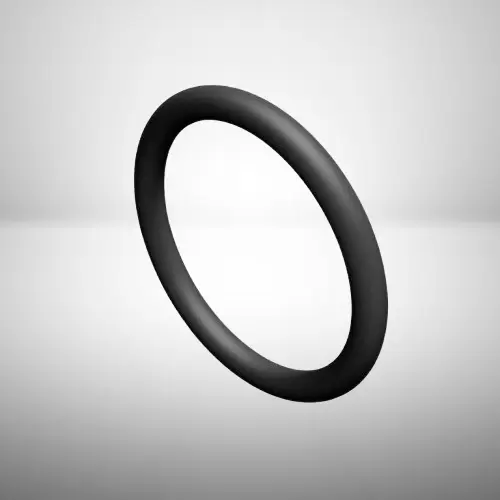
PTFE (Polytetrafluoroethylene) and FEP (Fluorinated Ethylene Propylene) encapsulated O-rings offer exceptional chemical inertness. These O-rings feature an elastomeric core, often Viton or silicone, encased in a seamless PTFE or FEP jacket. This design combines the resilience and elasticity of an elastomer with the chemical resistance of fluoropolymers. They resist nearly all chemicals, including strong acids, alkalis, and solvents. This broad chemical compatibility makes them ideal for diverse applications requiring a highly corrosion-resistant mechanical seal.
Diamond-Like Carbon (DLC) Coatings for Wear and Corrosion Resistance
Diamond-Like Carbon (DLC) coatings provide superior wear and corrosion resistance for mechanical seal faces. These coatings exhibit greater hardness than other materials. This increased hardness protects against third-body wear from debris. DLC coatings significantly enhance the life and performance of critical components by reducing friction.
| Material | Wear Rate (mm³ N⁻¹ m⁻¹) |
|---|---|
| DLC coating | 10⁻⁵–10⁻⁹ |
| Alumina | 0.004 (mm³ per million cycles) |
DLC coatings are highly resistant to both abrasive and adhesive wear. They suit applications involving extreme contact pressure, such as rolling and sliding components. Unlike graphite, DLC maintains high lubricity in both ambient and vacuum environments. Tetrahedral amorphous carbon (ta-C), a type of DLC, possesses unique tribological properties. It can reduce the coefficient of friction (COF) to levels consistently approaching 0.1-0.2, even under wet or dry conditions. This combination of high hardness (40 to 60 GPa) and low COF prevents pitting, galling, seizing, and ultimate failure in demanding physical applications with high loads or extreme friction.
Silicon Carbide: The Dominant Ceramic for Corrosion-Resistant Mechanical Seal Applications
Silicon carbide (SiC) stands out as a premier material for mechanical seals in demanding environments. Its exceptional properties make it a top choice for applications requiring extreme durability and chemical inertness. Engineers increasingly specify SiC for critical sealing points.
Inherent Properties Driving Silicon Carbide's Superiority
Silicon carbide possesses a unique combination of properties that drive its superiority in mechanical seal applications. It exhibits extreme hardness, second only to diamond, which provides excellent wear resistance. This makes it ideal for abrasive applications. SiC also offers superior corrosion resistance, especially in acidic and alkaline environments. Its high thermal conductivity helps dissipate heat, preventing thermal cracking.
| Property | Silicon Carbide (SiC) |
|---|---|
| Hardness | Extremely hard, second only to diamond. |
| Corrosion Resistance | Excellent, especially in acidic and alkaline environments. |
| Thermal Conductivity | High, which helps dissipate heat and prevent thermal cracking. |
| Wear Resistance | Superior, making it ideal for abrasive applications. |
Silicon carbide maintains good chemical stability in various corrosive acid and alkaline media. Unpressed sintered and hot-pressed silicon carbide, with their single-phase structures, possess strong corrosion resistance. Hot-pressed sintered SiC maintains good chemical stability even at 900℃ due to a protective silicon dioxide film in an oxidizing atmosphere. These properties, combined with superior emergency operation characteristics, make it highly suitable for self-matching hard sealing pairs in media containing solid particles.
Key Industries Benefiting from Silicon Carbide Mechanical Seals
Many industries rely on silicon carbide for their sealing needs due to its robust performance. These sectors face challenging conditions where seal integrity is paramount.
- Oil & Gas
- Chemical & Petrochemical
- Water & Wastewater Treatment
- Power Generation
- Food & Beverage
- Pharmaceuticals & Biotechnology
- Mining & Metals
Industries such as chemical processing, water treatment, and oil & gas increasingly seek durable and efficient sealing solutions. Silicon carbide-based seals gain prominence due to their superior hardness, thermal stability, and corrosion resistance. This makes them a preferred choice for critical applications in these sectors, ensuring a reliable corrosion-resistant mechanical seal.
Specialized Alloys: Tailored Solutions for Challenging Corrosion-Resistant Mechanical Seal Environments
Specialized alloys provide robust solutions for mechanical seals operating in extremely aggressive conditions. These materials are engineered to withstand specific types of chemical attack and high temperatures. They ensure the longevity and reliability of critical sealing components.
Nickel-Based Alloys for High-Temperature Corrosive Media
Nickel-based alloys are indispensable for applications involving high-temperature corrosive media. They exhibit exceptional resistance to a wide range of aggressive chemicals. These alloys maintain their structural integrity and corrosion resistance even under severe thermal stress.
Nickel-based alloys demonstrate superior performance in various challenging environments:
- Hydrochloric acid, especially nickel-molybdenum alloys at high concentrations and temperatures.
- Sulfuric acid, where nickel-molybdenum alloys show excellent resistance.
- Hydrofluoric acid, with nickel alloys like Monel 400 (in the absence of oxygen) and C-2000® (for broad resistance) as common choices.
- Mixtures of hydrofluoric and nitric acid, where G-30® with high chromium content performs well.
- Phosphoric acid (pure and 'wet process' types), with specific alloys like G-30®, Ni-Mo, Ni-Cr-Mo, and Ni-Fe-Cr.
- Hydrobromic acid, using Ni-Mo alloys like B-3® for pure and hot conditions, and Ni-Cr-Mo alloys like C-2000® for contaminated solutions.
- Organic acids (formic and acetic acids), with B-3® for temperatures above 100°C.
These alloys also resist caustic alkalis, deaerated nonoxidizing acids, and oxidizing media when alloyed with chromium. They withstand hot sulfur-bearing gases when chromium is present.
Duplex and Super Duplex Stainless Steels for Chloride Attack
Duplex and super duplex stainless steels offer superior protection against chloride-induced corrosion. Their unique microstructure, a blend of ferritic and austenitic phases, provides both high strength and excellent corrosion resistance. This dual-phase structure makes them particularly effective in environments prone to pitting and stress corrosion cracking from chlorides. Industries like marine, offshore, and chemical processing frequently utilize these steels for a reliable corrosion-resistant mechanical seal. They ensure operational integrity in saltwater or other chloride-rich solutions.
Silicon Carbide vs. Specialized Alloys: A Comparative Peak in Corrosion-Resistant Mechanical Seal Materials
Choosing the optimal material for a corrosion-resistant mechanical seal involves a detailed evaluation of performance and cost. Silicon carbide (SiC) and specialized alloys each offer distinct advantages. Their suitability depends heavily on the specific operational environment and the nature of the corrosive media.
Performance Metrics in Diverse Corrosive Media
Silicon carbide demonstrates exceptional performance across a broad spectrum of corrosive environments. It offers superior chemical stability and high resistance to strong acids. This makes it a preferred choice where chemical attack is a primary concern.
| Property | Performance | Real-World Impact |
|---|---|---|
| Acid/Alkali Resistance | Inert to most acids (except HF) | Ideal for chemical processing equipment |
| Corrosion Resistance | Outperforms stainless steel in salt spray tests | Marine and offshore applications |
Recrystallized silicon carbide shows superior chemical stability. It resists corrosion from strong acids. This material outperforms traditional metals like steel and aluminum alloys. Steel corrodes in acidic environments. Aluminum alloys degrade in strong acids. Silicon carbide remains chemically inert. It is nearly impervious to chemical attack. This makes it ideal for harsh chemical processing conditions. Conventional materials would fail in these conditions.
Specialized alloys, such as nickel-based alloys and duplex stainless steels, also provide robust solutions. Nickel-based alloys excel in high-temperature corrosive media. They maintain structural integrity under severe thermal stress. Duplex and super duplex stainless steels offer superior protection against chloride-induced corrosion. Their unique microstructure resists pitting and stress corrosion cracking from chlorides. Engineers select these alloys for specific challenges. They ensure reliability in environments like saltwater or other chloride-rich solutions.
Cost-Benefit Analysis for Industrial Adoption and Longevity
The initial cost of mechanical seal materials varies significantly. This impacts the overall cost-benefit analysis. Tungsten carbide seals typically have a higher initial price than silicon carbide equivalents. This higher cost is due to tungsten carbide's superior wear resistance and hardness. However, engineers must consider the long-term implications. Silicon carbide seals are generally less expensive upfront. Their lower wear resistance in certain conditions might lead to more frequent replacements or maintenance. This could potentially increase long-term costs.
The initial price of tungsten carbide seals is generally higher than silicon carbide seals. This is due to its enhanced wear resistance and hardness. This represents a larger upfront investment. However, the overall cost-effectiveness must also factor in long-term operational expenses. In some harsh environments, silicon carbide might offer a lower total cost of ownership over time. This is due to its longer service life and reduced maintenance needs. This contrasts with tungsten carbide, which might be cheaper upfront in other contexts. The decision between silicon carbide and specialized alloys ultimately balances initial investment with anticipated service life and maintenance requirements. Engineers must consider the specific application's demands to achieve optimal longevity and cost-efficiency.
Composite Materials: Blending Strengths for Superior Corrosion-Resistant Mechanical Seal Durability
Composite materials combine different substances. They create new materials with enhanced properties. These materials offer superior durability and resistance for mechanical seals. They overcome limitations of single materials in challenging environments.
Polymer-Ceramic Composites for Enhanced Chemical Inertness
Polymer-ceramic composites combine the flexibility of polymers with the chemical inertness of ceramics. This blend creates materials with excellent resistance to aggressive chemicals. These composites often feature a polymer matrix reinforced with ceramic particles. This structure provides a strong barrier against corrosive media. They maintain their integrity in harsh chemical processing applications. This makes them ideal for a corrosion-resistant mechanical seal.
Metal Matrix Composites for Extreme Durability and Resistance
Metal matrix composites (MMCs) offer extreme durability and resistance. They combine a metal matrix with ceramic or organic reinforcements. This structure results in materials with high strength, stiffness, and wear resistance. MMCs perform exceptionally well in high-pressure, high-temperature environments. Materion Corporation produces advanced MMCs. These materials show superior properties compared to traditional metals.
| Property | Value |
|---|---|
| Tensile Strength | 350-450 MPa |
| Elastic Modulus | 120-140 GPa |
| Wear Resistance | Excellent |
| Fatigue Resistance | Excellent |
| Creep Resistance | Excellent |
These MMCs are 30% lighter than aluminum and 50% stiffer. They are also twice as strong. This makes them highly suitable for demanding seal applications. They ensure long-term performance and reliability.
Broader Implications of Advanced Corrosion-Resistant Mechanical Seal Materials
Advanced materials for mechanical seals offer significant benefits beyond individual component performance. They profoundly impact operational efficiency, uptime, and adherence to critical safety and environmental standards.
Impact on Operational Efficiency and Uptime
Advanced corrosion-resistant mechanical seal materials dramatically improve operational efficiency and uptime. They achieve this by extending the lifespan of equipment and reducing maintenance needs. A Texas chemical plant, for example, saw an 80% drop in maintenance costs after implementing advanced corrosion-resistant seals. This reduced expenses from $10,000 to $2,000 per month, saving $96,000 annually. These materials also increase the mean time between failures (MTBF). They prevent common failure modes like chemical incompatibility, temperature fluctuations, over-pressurization, material deterioration, and mechanical damage. A leading chemical company in Eastern Germany faced frequent failures with perfluoroelastomers in EO/PO service. They aimed to extend their MTBF from weeks to years by using Chemraz® 505 o-rings, a perfluoroelastomer optimized for corrosive EO media.
Enhancing Safety and Environmental Compliance Standards
Advanced seal materials significantly enhance safety and environmental compliance. They reduce the risk of hazardous material leaks in chemical processing plants. Zach Adamcyzk, Product Manager at Greene Tweed, states that next-generation elastomers and thermoplastics deliver superior chemical resistance and thermal stability. These materials ensure reliability in aggressive environments. Organizations mitigate fugitive emissions and ensure adherence to regulatory standards through appropriate seal and material selection. These materials prevent groundwater contamination, reduce air emissions, and eliminate hazardous material exposure risks. They also ensure comprehensive protection under challenging conditions. The use of mechanical seals in marine pumps, for example, ensures compliance with environmental regulations like MARPOL.
GW SEAL: Your Trusted Seal for the Most Aggressive Chemical Environments
In chemical processing where extreme corrosion is a constant challenge, GW SEAL provides mechanical sealing solutions engineered for ultimate reliability and safety. We specialize in manufacturing seals that withstand the harshest acids, alkalis, solvents, and aggressive media. By combining superior materials with precise engineering, GW SEAL delivers products that ensure:
- Maximum Safety: Minimizing the risk of leaks and protecting personnel, equipment, and the environment.
- Extended Service Life: Reducing costly downtime and frequent seal replacements.
- Customized Compatibility: Tailoring material combinations to your specific chemical, temperature, and pressure requirements.
Choose GW SEAL for chemical seals built on a foundation of premium materials and proven performance. We ensure containment where failure is not an option.
FAQ
What are the primary benefits of advanced elastomers in seals?
Advanced elastomers like FFKM offer superior chemical resistance and extreme temperature stability. They ensure greater reliability and extended service life in demanding applications.
Why is Silicon Carbide a dominant material for mechanical seals?
Silicon carbide provides extreme hardness, excellent wear resistance, and superior corrosion resistance. It maintains chemical stability in various acidic and alkaline media.
How do specialized alloys enhance seal performance in harsh environments?
Specialized alloys, such as nickel-based and duplex stainless steels, resist specific chemical attacks and high temperatures. They ensure longevity and reliability in aggressive conditions.