




China OEM for Reliable, Cost-Saving Mechanical Seals

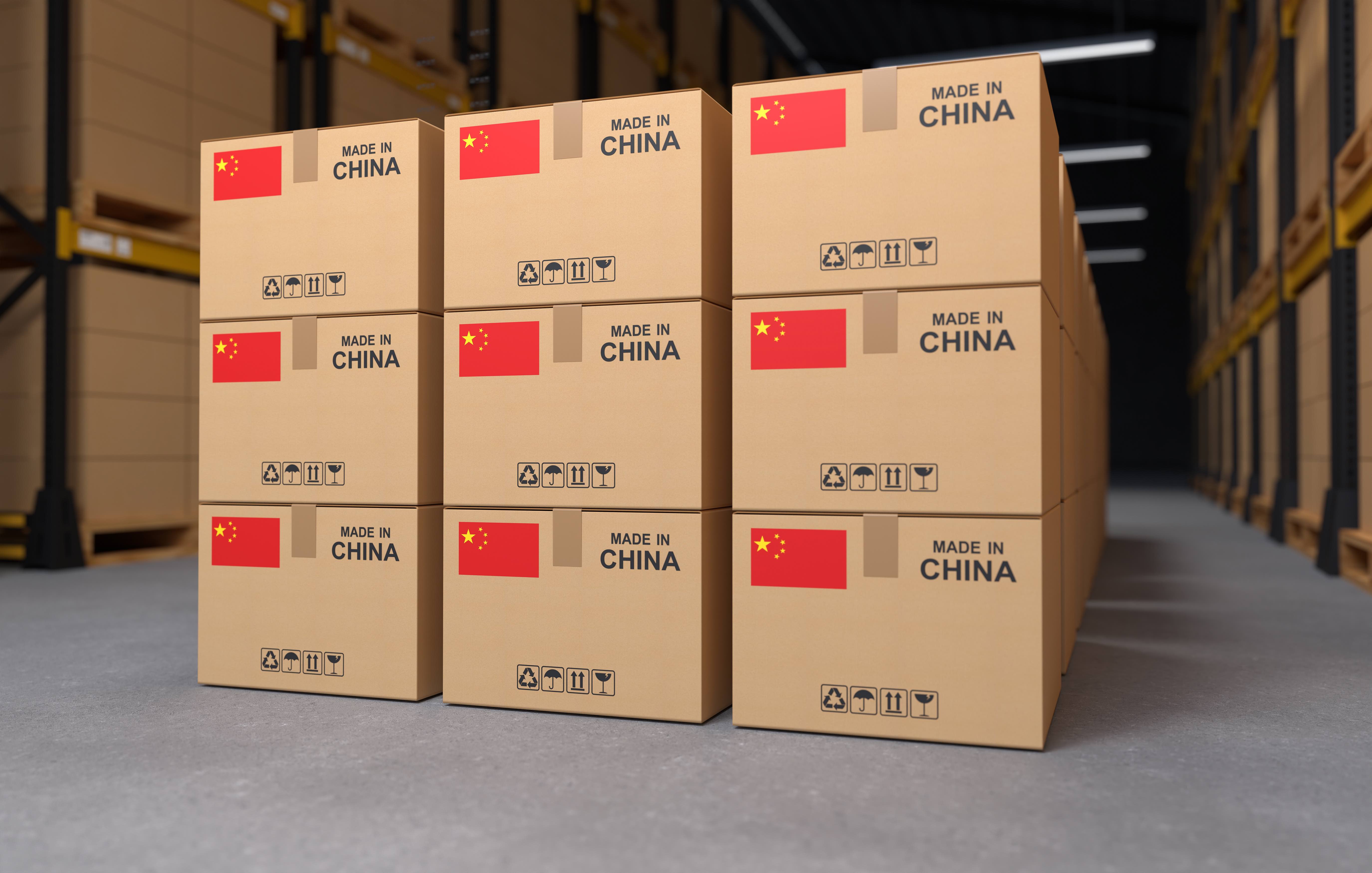
The global mechanical seals market is significant, valued at USD 3.20 billion in 2018 and projected to reach USD 6.92 billion by 2032. This market anticipates 3.9% annual growth from 2024 to 2031. Businesses increasingly seek reliable, cost-effective solutions. China OEM mechanical seals provide a compelling option, utilizing advanced manufacturing and competitive pricing. GW SEAL, a Custom Mechanical Seals OEM Manufacturer in China, showcases this strategic advantage.
Key Takeaways
- China OEM mechanical seals offer big cost savings. They still provide good quality. This helps businesses save money.
- GW SEAL is a top China OEM. They have many types of seals. They also ensure high quality.
- Choosing a China OEM needs careful thought. Look for good manufacturing, strong quality checks, and clear communication.
The Dual Advantage of China OEM Mechanical Seals
Achieving Cost Efficiency Without Compromising Quality
China OEMs offer compelling cost advantages for mechanical seals. Businesses sourcing from China typically achieve 15–30% landed cost savings compared to U.S. or nearshore alternatives. One hardware accessory brand successfully reduced component costs by 40% through strategic sourcing from China. Despite increasing labor costs, China continues to provide significant savings. This results from efficient production methods, economies of scale, and competitive raw material prices. Companies must consider the total cost of ownership (TCO). A seemingly cheaper seal that fails prematurely can lead to higher overall costs due to downtime and replacement expenses.
Ensuring Reliability Through Adherence to International Standards
Reliability is paramount for mechanical seals. Manufacturers of China OEM mechanical seals ensure product quality by adhering to international standards. Many companies hold ISO 9001 certification, which indicates robust quality management systems. Some also achieve ISO 14001 for environmental management.
Successful Partnerships Demonstrating Cost Savings and Performance
Successful partnerships with China OEMs combine significant cost savings with reliable performance. Businesses benefit from reduced expenses without compromising the operational integrity of their equipment. This dual advantage makes China OEMs a strategic choice for many industries seeking both economic efficiency and dependable mechanical seal solutions.
GW SEAL: A Leading China OEM for Mechanical Seals
GW SEAL, officially Ningbo Guowei Mechanical Seals Co., Ltd., has built a strong reputation over two decades. Established in 2001 as GuoWei mechanical seals Component Factory, the company consistently provides global customers with high-quality products and efficient service. This commitment establishes GW SEAL as a trusted partner for businesses seeking reliable and advanced mechanical seal solutions.
Extensive Product Range and Quantity of Mechanical Seals
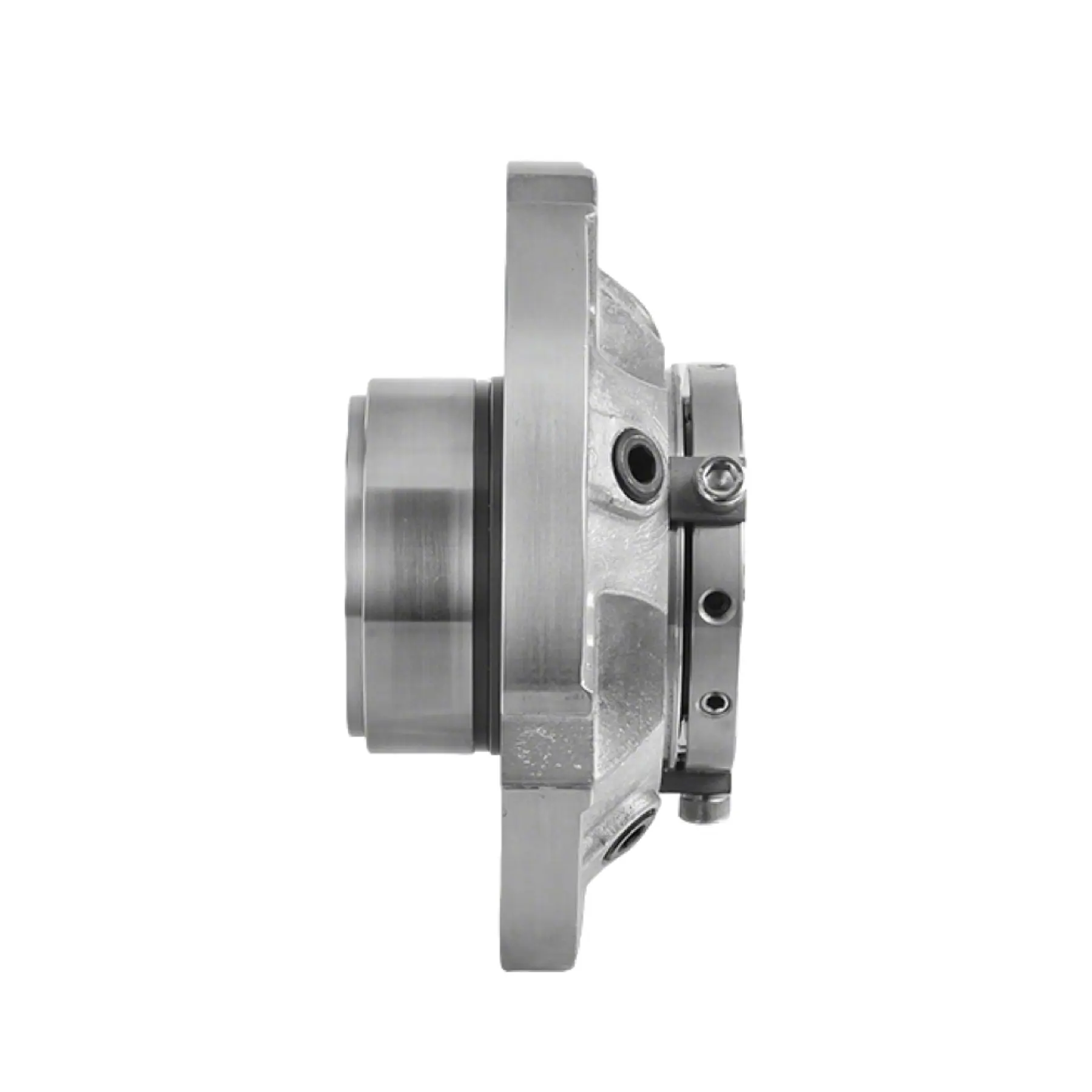
GW SEAL offers an extensive array of mechanical seals, designed and manufactured to meet diverse industrial needs. The company provides over 1500 types of mechanical seals. These include specialized solutions such as Special Mechanical Seals, Alfa laval Pump Mechanical Seals , and various APV Pump Mechanical Seals. For instance, they offer seals for Lobe Pumps, Etuud Sanitary Pump Milk seals, S-KS/KS/BS/etc. for self-priming, CIP, CIP+, and blender/mix pumps. They also produce seals for Lobe Pumps, Centrifugal Pumps, and other applications suitable for various series pumps. GW SEAL maintains a 2000 square meter warehouse, managed by WMS, to store large quantities of stock. This efficient inventory management significantly reduces customer supply chain risk. It also shortens goods lead times to within one week, or even 3 days.
Broad Brand Compatibility and Application Coverage
GW SEAL's mechanical seals offer broad compatibility, serving as high-quality alternatives to well-known brands like John Crane, EagleBurgmann, Vulcan, and Roten. Customers receive the same quality at a more affordable price. The company's products are compatible with various specific brands, including Guilliver, Garlock (specifically the GW+GCS model), AX5, AX05, and Grandimpianti (specifically SEAL RING). GW SEAL's mechanical seals find application across a wide range of industries. These include oil and gas, chemical industry, mining and minerals, washing machines, mixers and tanks, and food processing. They also serve the water, beer, and other beverage sectors. Furthermore, their seals are crucial for petroleum equipment, chemical process pumps, oil and gas, petrochemicals pumps, mixers, agitators, compressors, and other rotating machines in the food, drink, dairy product, and pharmacy industries. This broad coverage highlights GW SEAL's versatility as a leading China OEM mechanical seals provider.
Advanced Manufacturing and Quality Control at GW SEAL
GW SEAL emphasizes advanced manufacturing processes and stringent quality control. The company leverages over 20 years of professional experience to offer customized services and provide professional technical advice on products. They implement strict quality control measures from the initial selection of raw materials through processing and assembly to final packaging. This adherence to quality management rules ensures product integrity. GW SEAL holds an ISO9001 certificate, demonstrating its commitment to international quality standards. This comprehensive approach guarantees that goods reaching the customer consistently meet high-quality benchmarks.
Key Factors for Selecting a Reputable China OEM Mechanical Seals Partner
Selecting the right China OEM partner for mechanical seals requires careful consideration of several critical factors. Businesses must evaluate a potential partner's capabilities, quality protocols, communication practices, and logistical strengths. This thorough assessment ensures a successful and reliable long-term collaboration.
Assessing Manufacturing Capabilities and Technological Expertise
A reputable China OEM mechanical seals partner demonstrates robust manufacturing capabilities and deep technological expertise. They utilize advanced material technologies, ensuring superior sealing performance even under extreme conditions like high speed, pressure, and temperature. These manufacturers employ precision manufacturing techniques to craft seals, which contributes to high performance and reliability. They also focus on unique structural designs, aiming to reduce wear and extend product lifespan, thereby lowering maintenance costs for the end-user. Furthermore, leading OEMs offer customization services. These services include tailored solutions based on specific customer requirements, such as material selection, size customization, and special functional needs.
Beyond manufacturing processes, a partner's technological expertise is crucial. They possess years of knowledge in mechanical sealing technology. This expertise extends to seal design and manufacturing for customized products, often including full tracking service from original data collection to installation and commissioning. Mechanical Seal Engineering forms a core competency. The ability to provide volume customization and consistency for large-scale OEM mechanical seals is also essential, demonstrating their capacity to meet significant production demands while maintaining uniform quality.
Evaluating Quality Control and Assurance Protocols
Rigorous quality control and assurance protocols are non-negotiable when selecting a China OEM mechanical seals partner. Manufacturers implement multi-stage quality control processes, from incoming material inspection to final product testing and validation. They conduct pre-production reviews, examining test reports for pressure, thermal cycling, and leakage performance. Process audits evaluate CNC machining accuracy, spring calibration, and surface finish tolerances, typically aiming for ±0.0002 inches. Post-delivery validation often involves requesting references from existing customers to assess real-world reliability.
Key quality assurance certifications provide a foundational understanding of a supplier's commitment to quality. These include ISO 9001 certification, which ensures consistent quality management practices. For demanding applications, particularly in pumps, API 682 certification is essential. Material certifications, such as FDA compliance, are crucial for specific industries like food-grade applications. Some manufacturers also hold ATEX/IECEx for explosive environments. Third-party verification through agencies like SGS or Bureau Veritas offers added trust.
Manufacturers implement comprehensive testing programs. These include high-pressure test rigs, temperature cycling chambers, chemical compatibility test setups, and long-term endurance testing equipment. They conduct raw material testing in supplier factories, in-process production inspection, and 100% final inspection before delivery. Specific tests include pressure testing, tolerance measuring, and spring testing, which involves dimension measuring, tolerance testing, and pressure testing to ensure springs meet tight tolerances. Mating faces testing utilizes high-end optical flat stands to ensure absolute flatness, crucial for sealing performance. Three-dimensions testing employs a state-of-the-art coordinating measuring machine (CMM) for automatic recognition of part position and pose, guaranteeing high precision. These protocols validate seal performance under simulated operating conditions and identify potential issues. They also include standard industry tests and application-specific validation protocols, such as extended endurance runs, thermal shock testing, and contamination resistance evaluation. Field validation studies monitor seals in actual operating conditions for performance data and continuous improvement.
Logistics and Supply Chain Management Considerations
Effective logistics and supply chain management are crucial for timely and cost-efficient delivery of mechanical seals. Freight calculation for international orders is determined in real-time based on volumetric weight, often using terms like DHL or FOB. Some Chinese manufacturers possess self-operated import-export rights. They can provide certifications (e.g., FORM E, CE) and assist with customs clearance and inspection procedures. This streamlines the import process.
However, businesses must navigate complex import regimes, dealing with intricate regulations and procedures across different countries. Fragmented logistics, involving multiple, often disconnected, logistics providers, can lead to inefficiencies. Infrastructure gaps in certain regions also present challenges. Therefore, collaborating with local partners for compliance and logistics becomes necessary. These partners ensure adherence to regulations and manage logistical operations effectively, mitigating potential delays and complications.
Overcoming Common Challenges in China OEM Mechanical Seals Partnerships
Businesses often face challenges when partnering with China OEMs. Proactive strategies help overcome these issues. Effective communication, consistent quality control, and robust intellectual property protection are crucial for success.
Mitigating Communication Barriers
Successful OEM partnerships in China require navigating cultural differences. Businesses must show respect for Chinese traditions, customs, and business etiquette. Effective cross-cultural communication involves active listening. It also means avoiding assumptions and seeking common ground. Embracing diversity and understanding Chinese business norms bridges communication gaps. A local liaison can enhance collaboration. Common challenges include hierarchy in decision-making. High-context communication relies on nonverbal cues. Indirect feedback preserves 'face'. Misunderstanding business etiquette hinders relationship building. Team members often expect detailed instructions due to hierarchical structures.
Ensuring Consistent Quality Through Audits and Monitoring
Consistent quality requires rigorous audits and monitoring. Companies conduct various audits. These include supplier verification and supplier quality audits. ISO 9001 audits are globally recognized for quality management. These audits assess production facilities for compliance. They cover basic facilities, quality management systems, and incoming material controls. In-production controls identify quality issues. Finished goods controls and lab testing capabilities are also evaluated. Third-party quality control (QC) services offer objective assessments. They perform meticulous inspections, audits, and product testing. This proactive approach safeguards against inferior products. It also strengthens negotiating positions. Regular inspections at various stages identify issues early.
Navigating Intellectual Property Concerns with Robust Agreements
Protecting intellectual property (IP) is vital. Robust legal agreements safeguard confidential information. A non-disclosure agreement (NDA) or non-circumvention, non-disclosure, and non-compete (NNN) agreement protects trade secrets. A product development agreement outlines responsibilities and rights for new products. A China manufacturing agreement details production terms and quality standards. It also specifies delivery timelines and IP protection. Understanding Chinese law is crucial. Using Chinese as the contract language ensures compliance. A bilingual contract can also be used. Clearly defining penalty measures for contract breaches provides legal recourse.
The Strategic Choice: Why China OEM Mechanical Seals are the Future
Long-Term Benefits of Scalability and Innovation Access
Scalable production offers significant long-term benefits for businesses partnering with China OEM suppliers. This scalability allows for informed decision-making based on priorities like speed, cost, or customization. It contributes to resilient supply chains and long-term cost efficiency. Scalability often indicates investment in infrastructure, such as factory areas exceeding 3,000 square meters and staff sizes over 30 employees. This investment enables consistent quality, timely responses, and collaborative support throughout the product lifecycle. These factors are crucial for strategic partnerships and provide access to advanced engineering capabilities.
Strategic Advantages for Businesses of All Sizes
Businesses of all sizes gain strategic advantages from OEM partnerships. Small and medium-sized enterprises (SMEs) can access advanced manufacturing technologies and expertise without significant capital investment. This levels the playing field, allowing them to compete with larger corporations. Larger companies benefit from diversified supply chains and reduced production costs, freeing up resources for research and development or market expansion. OEMs provide flexibility, allowing businesses to scale production up or down based on market demand. This adaptability minimizes risk and optimizes resource allocation.
Sustainability and Ethical Considerations in OEM Partnerships
Sustainability and ethical practices are increasingly important in OEM partnerships. Advantage Seal, for example, embraces sustainable practices and operational efficiencies to reduce environmental impact. This supports global growth as part of its forward-thinking vision. Partners should look for material traceability systems, ensuring compliance with international standards like ISO 9001 and API 682. Suppliers demonstrating closed-loop water treatment systems and energy-efficient smelting processes reflect a commitment to environmentally responsible manufacturing. There is also a growing focus on eco-friendly and sustainable seal materials, driven by China's environmental policies and consumer preferences. Investment in research and development for sustainable and high-performance sealing solutions is a key consideration.
Partnering with a China OEM for mechanical seals offers a strategic opportunity. Businesses achieve both reliability and significant cost savings. Due diligence and effective partnership management are crucial for success. Companies like GW SEAL demonstrate the potential for high-quality, cost-effective sourcing.
FAQ
What are the primary advantages of sourcing mechanical seals from China OEMs?
China OEMs offer significant cost savings, often 15-30%, without compromising quality. They adhere to international standards like ISO 9001, ensuring reliable and high-performance products for various applications.
How does GW SEAL ensure the quality of its mechanical seals?
GW SEAL implements strict quality control from raw material selection to final packaging. The company holds ISO9001 certification and conducts comprehensive testing, guaranteeing high-quality products for every customer.
What types of mechanical seals does GW SEAL provide?
GW SEAL offers over 1500 types of mechanical seals. These include alternatives for major brands like John Crane and EagleBurgmann, plus specialized seals for diverse pumps and rotating equipment across many industries.