

Built to Last: How GW Seals Excel in Abrasive and Corrosive Conditions
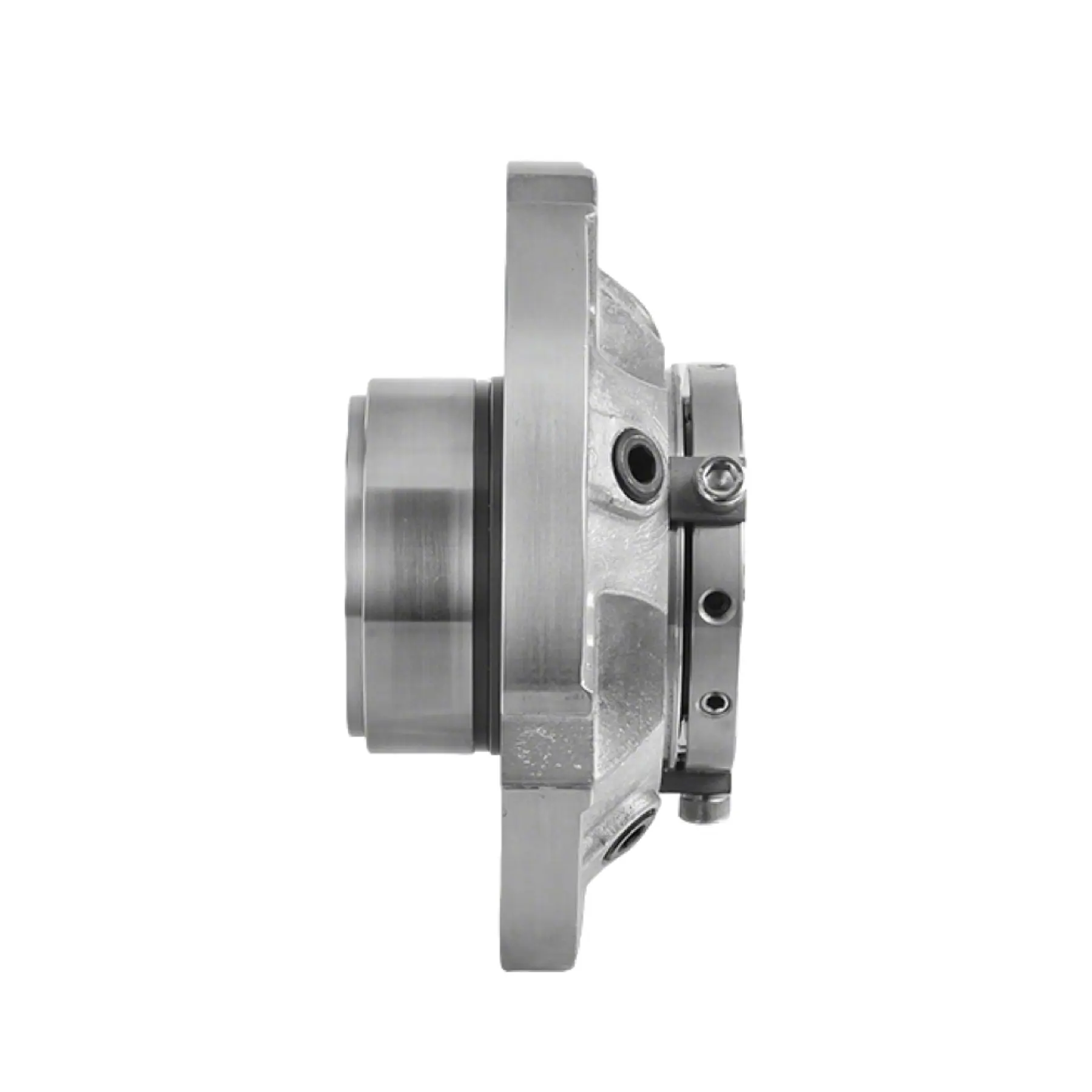
GW mechanical seals excel in abrasive and corrosive conditions. They achieve this through advanced material selection, innovative design principles, and precision engineering, ensuring unparalleled reliability and extended operational life for a mechanical seal for harsh environment. A single failure can cost $2,500 in repairs, not including lost production. GW SEAL provides robust solutions, preventing significant expenses.
Key Takeaways
- GW Seals use strong materials and smart designs. This helps them work well in tough places with sand or chemicals.
- Standard seals often break fast in harsh conditions. This is because their materials are not strong enough.
- GW Seals use special materials like 99 alumina ceramics and Silicon Carbide. These materials stop wear and chemical damage.
Understanding the Dual Threat: Abrasion and Corrosion in a Harsh Environment
Mechanical seals face constant challenges in industrial settings. Two primary threats, abrasion and corrosion, significantly reduce their operational lifespan. Understanding these mechanisms reveals why specialized solutions are essential for demanding applications.
Defining Abrasion: Particulate Damage to Mechanical Seals
Abrasion occurs when hard, solid particles physically wear away seal components. Contaminants suspended in the process fluid act as a grinding compound between the seal faces. This action rapidly wears precision-machined surfaces, compromising seal integrity. Solid particles, combined with incorrect seal material, significantly accelerate seal wear. Damage to the sealing surface often appears as severe wear, with worn grooves resembling a "gramophone record." Edge chipping or rounding may also occur. Particles entering the metal sleeve can cause abrasion marks, hindering the seal's ability to follow.
Industrial environments contain various abrasive particles. These include natural abrasives like quartz and garnet, and synthetic abrasives such as aluminum oxide and silicon carbide. Superabrasives like synthetic diamond and cubic boron nitride offer extreme hardness.
Defining Corrosion: Chemical Degradation of Mechanical Seals
Corrosion involves the chemical degradation of seal materials. This process can manifest as coking, an oxidation process occurring under excessive temperatures or with contaminated flush fluids. Coking results in a black, abrasive build-up on the atmospheric side of the seal, leading to rapid wear. Chemical attack also causes pitting and corrosion of mechanical seals. This often happens due to incompatible seal materials or when seals run dry, causing gases to escape and implode on the seal face. Chemical incompatibility between seal materials and the process fluid's chemical composition, temperature, and pressure leads to degradation like swelling, shrinking, cracking, or corrosion. Corrosive agents are prevalent in many industries, including chlorinated water in water treatment, concentrated acids in chemical processing, and sour services in petroleum refining.
Why Standard Mechanical Seals Fail in Harsh Environments
Standard mechanical seals often fail prematurely in abrasive and corrosive conditions. The primary failure mode for standard mechanical seals operating in abrasive environments is abrasive wear on the seal faces, directly attributed to contaminants. Conventional materials possess inherent limitations. Stellite®, for example, has temperature limitations and is prone to thermal distortions. While 316SS offers good general properties, it shows less resistance to stress corrosion cracking and chloride pitting compared to more advanced alloys. Conventional metals may not offer sufficient chemical compatibility in highly corrosive services. Stainless steel, often considered soft and cheap, relies on thin film coatings that wear off, rendering the seal ineffective. Aluminum oxide, though inexpensive, lacks toughness and thermal shock resistance. These material shortcomings make standard seals unsuitable for a mechanical seal for harsh environment.
GW's Advanced Engineering for Mechanical Seal for Harsh Environment
GW Seals engineers advanced solutions. They specifically address the challenges of abrasive and corrosive conditions. This involves a multi-faceted approach. It combines superior material science, innovative design, and precision manufacturing. This comprehensive strategy ensures unparalleled reliability and extended operational life for their seals.
Superior Materials for Abrasion and Corrosion Resistance
GW Seals prioritizes advanced material science. This ensures their mechanical seals withstand the most aggressive conditions. For superior abrasion resistance, GW utilizes 99 alumina ceramics. This advanced composite ceramic material offers high strength, high hardness, wear resistance, and high fracture toughness. These properties make 99 alumina ceramics an ideal choice for seals operating in highly abrasive environments.
Silicon Carbide (SiC) also plays a crucial role in GW's abrasive applications. SiC inherently possesses good wear resistance. This makes it effective against abrasive particles like sand, silt, and marine substances. It also frequently mitigates the effects of dry running conditions. When coated, especially with diamond or Diamond-Like Carbon (DLC), SiC's benefits significantly amplify. Coatings further boost the material's ability to resist wear. They also help in lowering friction, which is crucial given SiC's inherent hardness that can increase friction if lubrication is insufficient. Coatings provide an additional layer of defense against corrosion. SiC against SiC seals are considered a superior choice for applications involving abrasive particles and high-viscosity fluids.
For chemical compatibility, GW carefully selects specific elastomers. This ensures the seal's integrity against corrosive media.
| Elastomer | Temperature Range | Resistant to | Not Recommended for | Key Features (Chemical Compatibility Focus) |
|---|---|---|---|---|
| Nitrile (Buna-N) | -40°F to 250°F | Petroleum oils, hydraulic fluids, water, alcohols | Phosphate ester fluids, ketones, ozone | Excellent resistance to petroleum-based oils and fuels; cost-effective. |
| EPDM | -65°F to 450°F | Heat, water, steam, UV, ozone | Petroleum oils and greases | Excellent resistance to heat, water, and steam, ideal for outdoor and weathering exposure. |
| Fluorocarbon (Viton) | -15°F to 400°F | Petroleum oils, acids, silicone fluids | Steam, amines | High-temperature resistance and excellent chemical compatibility. |
| Silicone | -175°F to 450°F | Dry heat, ozone, UV | Most petroleum fluids, ketones | Flexibility and resistance to extreme temperatures. |
| Neoprene | -45°F to 250°F | Refrigerants, mild acids | Phosphate ester fluids | Good resistance to weathering and ozone. |
| PTFE | -450°F to 600°F | Most chemicals, low gas permeability | Applications requiring stretch and compression | Ideal for harsh chemical environments and extreme temperatures. |
Fluoroelastomers (FKM) are widely used in oil and gas due to their resistance to a wide range of chemicals. However, traditional bisphenol-cured co-polymer FKMs show poor resistance to hot water and steam. This leads to premature seal failure. The cure process generates water, and high-temperature water and steam environments can reverse the cure, breaking down the material's cross-links. In contrast, peroxide-cured terpolymer fluoroelastomers do not suffer this reverse condensation reaction. They offer superior water and steam resistance. This enables them to withstand steam up to 200°C. This highlights the advantage of selecting specific FKM types for chemical compatibility in environments with hot water or steam.
Innovative Design Principles for Enhanced Protection
GW's engineering expertise extends beyond material selection. It incorporates innovative design principles. These designs provide enhanced protection for a mechanical seal for harsh environment. GW engineers develop balanced seal designs. These designs minimize face loading and reduce heat generation. Optimized face geometries are also crucial. They ensure stable operation and prevent particle ingress. Robust secondary sealing elements further enhance protection. These elements maintain sealing integrity even under extreme pressure fluctuations. GW also employs modular designs. This allows for greater adaptability and easier maintenance in diverse applications. These thoughtful design choices collectively extend the operational life of the seals.
Precision Manufacturing for Consistent Mechanical Seal Performance
Precision manufacturing forms the bedrock of GW's reliability. The company adheres to stringent quality control standards. Advanced machining techniques ensure tight tolerances for all components. This meticulous approach guarantees optimal performance. It also reduces friction and extends the seal's lifespan. Each seal undergoes rigorous testing protocols. These tests verify its ability to perform consistently under demanding conditions. This commitment to precision ensures every GW seal meets the highest standards of quality and durability.
Real-World Applications of GW Mechanical Seal for Harsh Environment
GW Seals provide robust solutions across diverse industries. They consistently overcome the most demanding operational challenges. Their specialized mechanical seals ensure reliability and longevity in critical applications.
Chemical Processing: Handling Aggressive Media
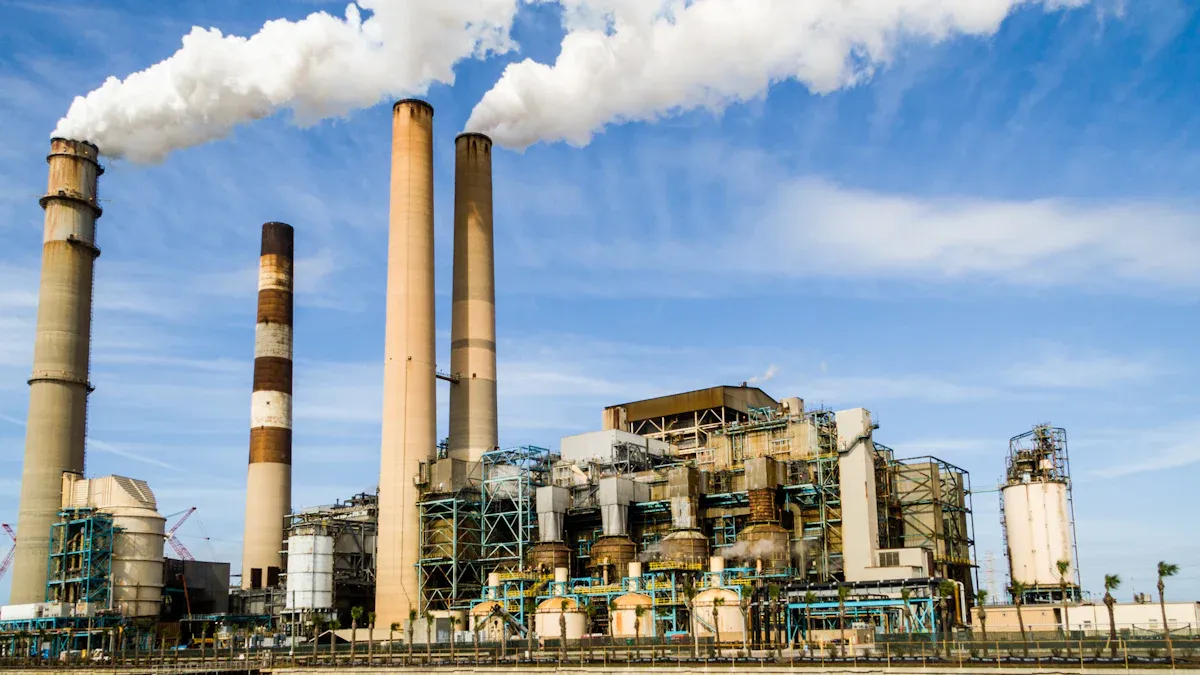
Chemical processing environments present significant challenges due to aggressive media. GW mechanical seals effectively manage these conditions. For instance, Viton O-Rings demonstrate high effectiveness in chemically demanding environments. They resist acids, solvents, ozone, UV, bleach, fuels, petroleum oils, and harsh disinfectants. This makes them a top choice for chemical processing and oil & gas applications. Buna O-Rings also handle oils, fuels, hydraulics, petroleum-based oils, hydraulic fluids, silicone greases, alcohols, water, and ethanol/methanol-blended gasoline. GW Seals ensures chemical compatibility, preventing degradation and maintaining seal integrity.
Mining and Mineral Processing: Enduring Abrasive Slurries
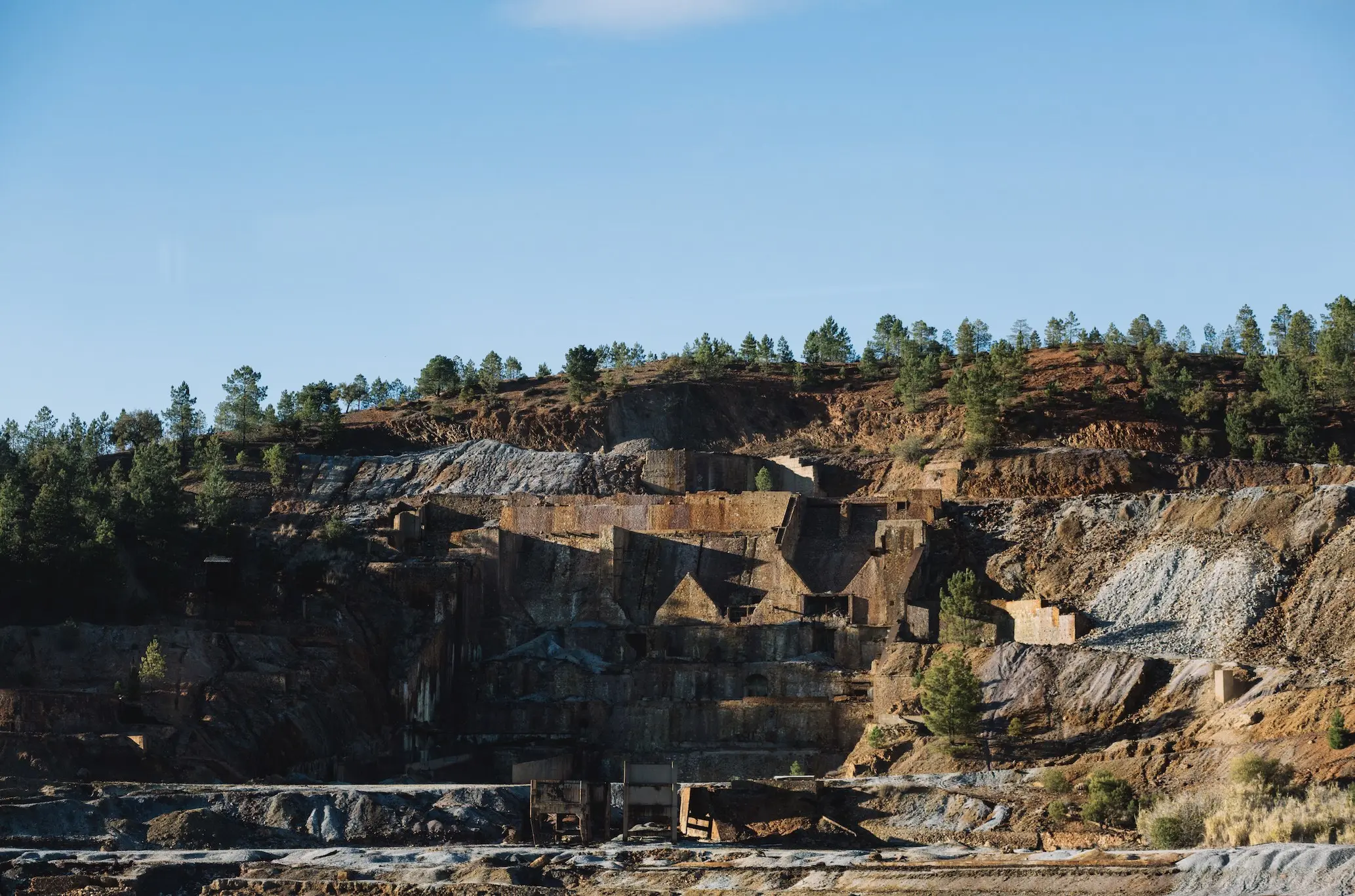
Mining operations expose seals to highly abrasive slurries. Traditional sealing solutions often fail prematurely. Abrasive wear from solid particles erodes sealing surfaces. High-speed rotation intensifies this effect. GW mechanical seals extend pump life in mineral processing applications. They utilize a new design featuring hard and corrosion-resistant titanium tungsten material. This improved double-end face seal operates within an oil chamber. This design collectively ensures the pump runs safely and continuously for over 8,000 hours. This robust solution addresses challenges like shaft scoring and chemical extremes.
Oil and Gas: Withstanding Corrosive Hydrocarbons
The oil and gas industry demands seals capable of withstanding corrosive hydrocarbons and extreme conditions. Contamination and wear from dust, dirt, and process fluids lead to degradation and leakage. GW Seals addresses these issues. They prevent gas loss and maintain efficiency. Operating at low temperatures, such as in LNG processing, also poses risks. Gas condensation and freezing on seal faces can reduce flexibility. GW provides a reliable mechanical seal for harsh environment applications. They ensure consistent performance and extended operational life.
GW mechanical seals integrate superior material science, innovative design, and precision manufacturing. This comprehensive approach ensures unparalleled reliability and extended operational life for a mechanical seal for harsh environment. GW Seals provides robust solutions for the most demanding industrial challenges. They consistently deliver exceptional performance.
FAQ
How do GW Seals achieve superior performance in harsh environments?
GW Seals combine advanced material selection, innovative design principles, and precision engineering. This approach ensures unparalleled reliability and extended operational life in abrasive and corrosive conditions.
What materials does GW Seal use for abrasion resistance?
GW Seal utilizes 99 alumina ceramics and Silicon Carbide. These materials provide high strength, hardness, and exceptional wear resistance against abrasive particles.
How does GW Seal ensure chemical compatibility for its products?
GW Seal carefully selects specific elastomers, such as Viton and EPDM. This prevents degradation and maintains seal integrity against various aggressive chemical media.