








Application Scope of Mechanical Seals in Modern Industries
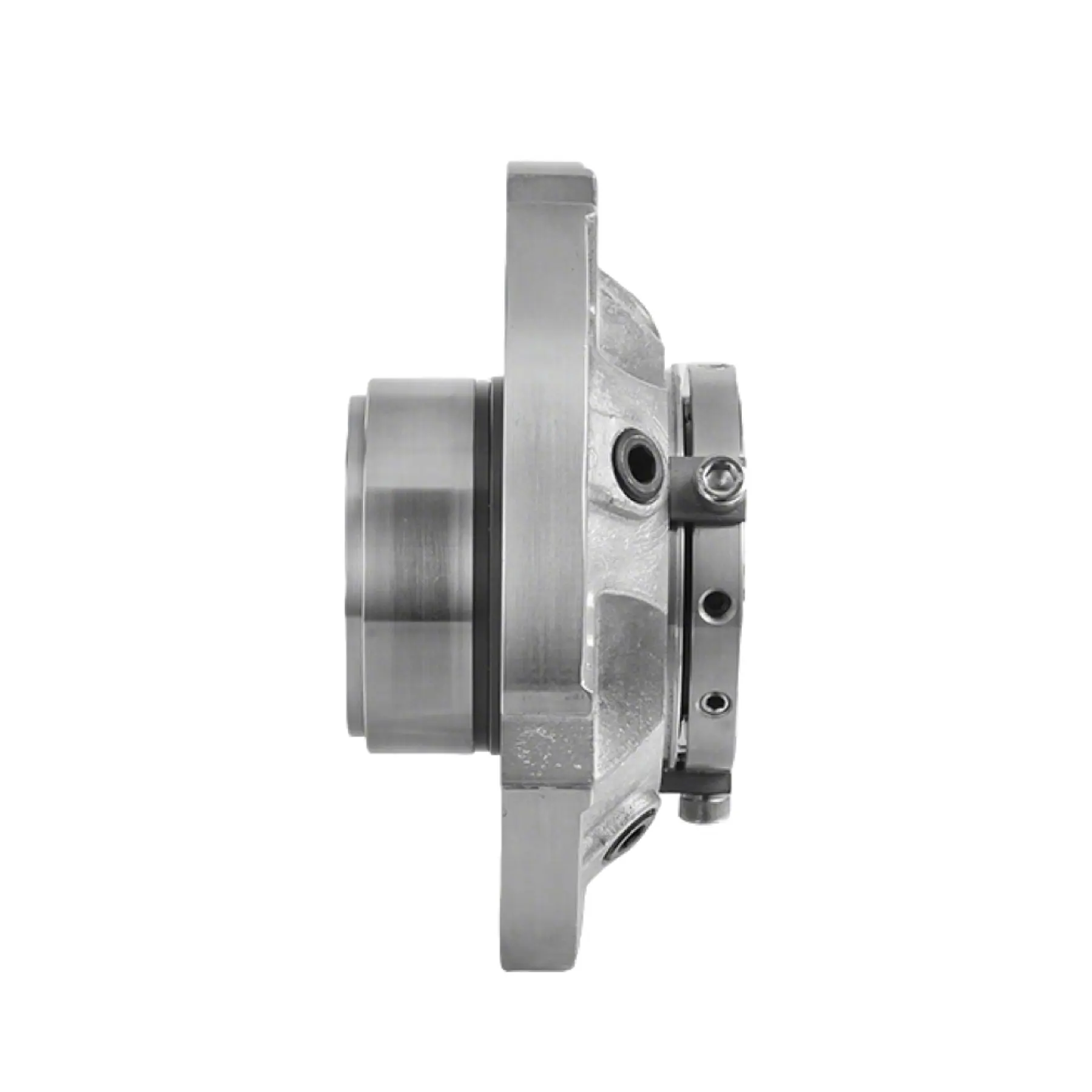
Mechanical seals are critical components widely employed in rotating equipment to prevent fluid leakage and ensure operational efficiency. Their ability to maintain a secure barrier between moving and stationary parts under varying pressures, temperatures, and corrosive conditions makes them indispensable across numerous industries. Below is an overview of the primary application areas of mechanical seals.
1. Oil and Gas Industry
In the oil and gas sector, mechanical seals are essential for pumps, compressors, and reactors handling hydrocarbons, chemicals, and abrasive fluids. They prevent leaks in high-pressure pipelines, offshore drilling equipment, and refinery systems. Advanced seals made of materials like silicon carbide or tungsten carbide withstand extreme temperatures and corrosive environments, ensuring safety and environmental compliance.
2. Chemical and Pharmaceutical Manufacturing
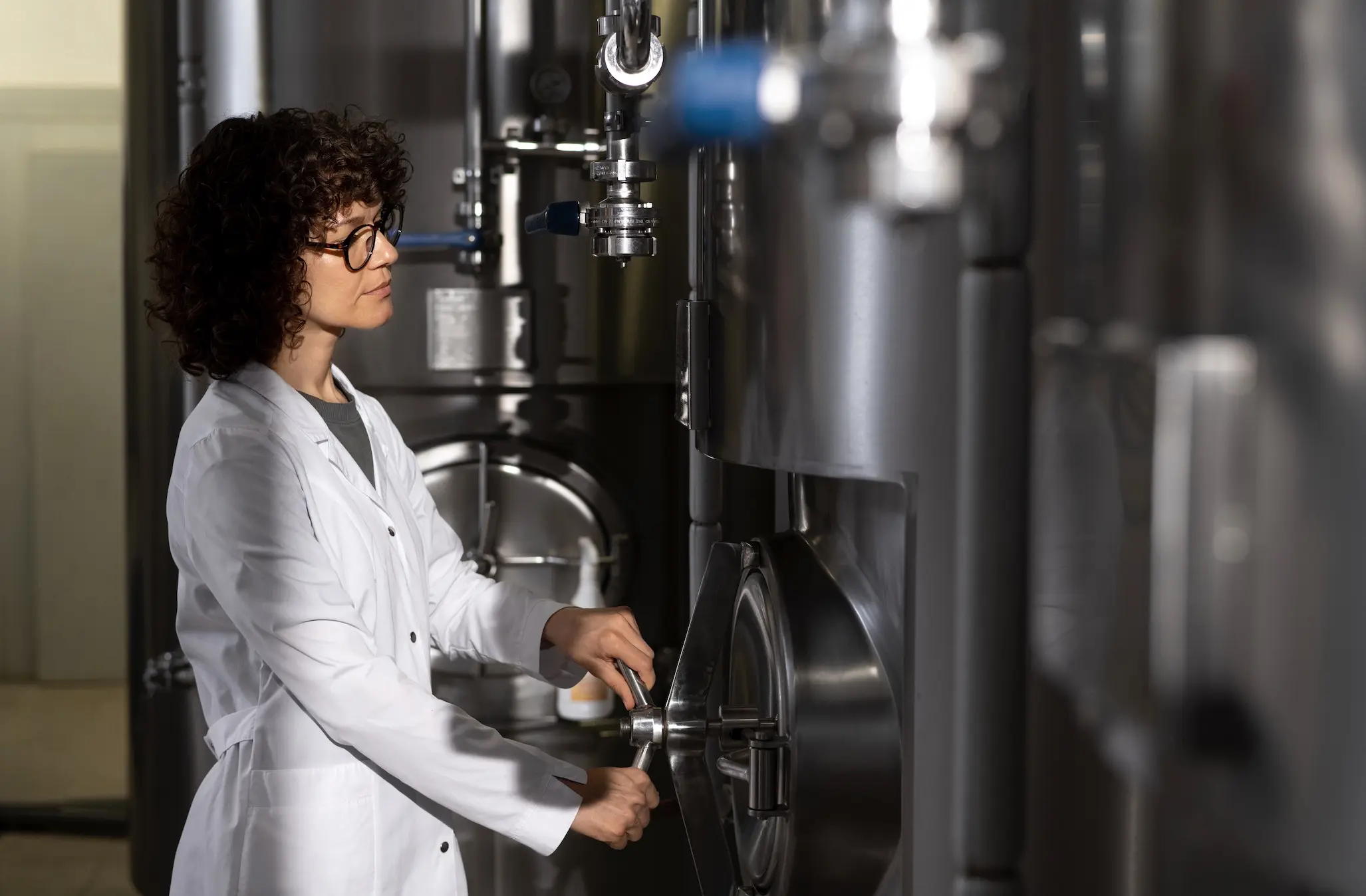
Chemical plants rely on mechanical seals to contain volatile or hazardous substances in mixers, agitators, and centrifugal pumps. In pharmaceutical production, seals must meet stringent hygiene standards. Polished surfaces and FDA-approved materials prevent contamination, making them ideal for sterile processes.
3. Water and Wastewater Treatment
Mechanical seals play a vital role in water treatment facilities by sealing pumps that transport clean water, sludge, or chemicals. Their corrosion-resistant designs handle both freshwater and aggressive wastewater, reducing maintenance costs and downtime.
4. Power Generation
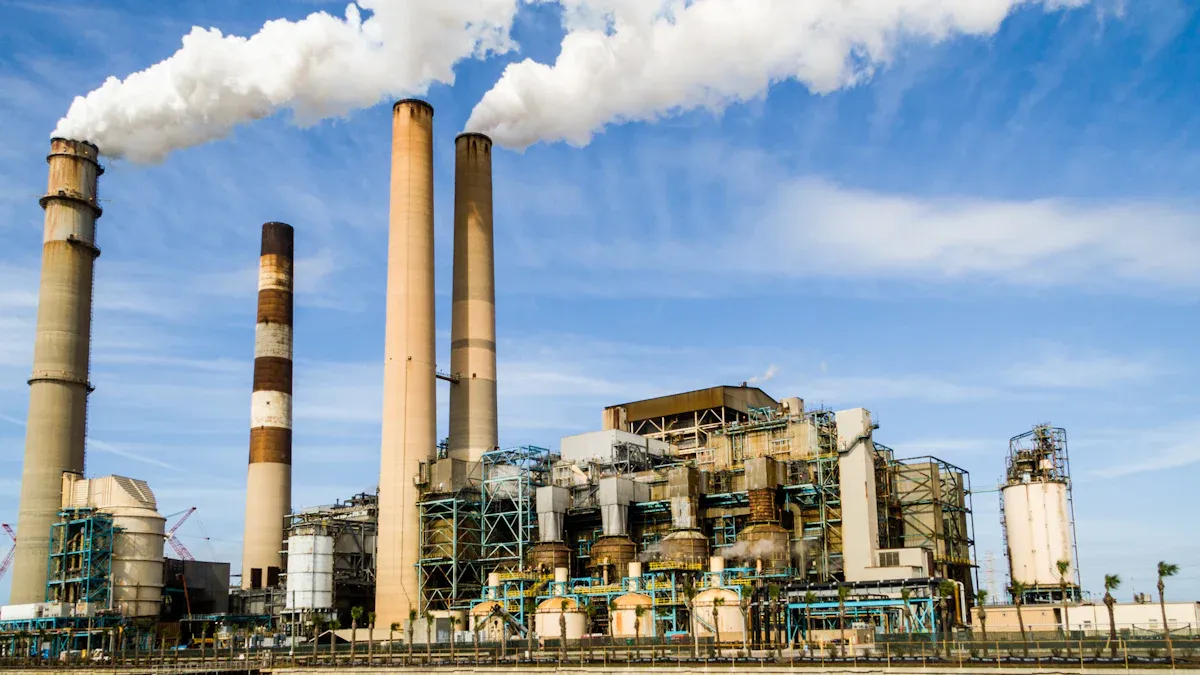
In thermal, nuclear, and hydropower plants, mechanical seals are used in turbine cooling systems, boiler feed pumps, and auxiliary equipment. They ensure leak-free operation in high-temperature steam applications, enhancing energy efficiency and equipment longevity.
5. Food and Beverage Processing
Sanitary mechanical seals with smooth surfaces and easy-clean designs are critical in food processing. They prevent product contamination in pumps handling dairy, beverages, or viscous ingredients, complying with global food safety regulations.
6. Marine and Transportation
Ship propulsion systems, cargo pumps, and offshore platforms utilize mechanical seals to resist saltwater corrosion and mechanical stress. Their durability ensures reliable performance in harsh marine environments.
7. Automotive and Aerospace
Mechanical seals are integral to fuel systems, cooling circuits, and hydraulic actuators in vehicles and aircraft. High-performance seals reduce friction and wear, contributing to fuel efficiency and operational safety.
Advantages Driving Adoption
Modern mechanical seals offer superior leakage control, reduced energy consumption, and extended equipment lifespan. Innovations like gas-lubricated seals and smart monitoring systems further expand their applicability in emerging technologies.
Conclusion
From traditional industries to cutting-edge sectors, mechanical seals serve as unsung heroes ensuring safety, efficiency, and sustainability. As industrial demands evolve, continuous advancements in materials and designs will further broaden their application scope, solidifying their role in global infrastructure.