

Materials and Features
Materials and FeaturesGW SEAL Technical Reference Guide
GW SEAL provides a variety of seal materials for different operating conditions. Selecting the right material for mechanical seals ensures optimal performance, durability, and cost-effectiveness in diverse operating conditions. Below is a guide to common materials used in mechanical seals and their key characteristics to help you choose the best option for your applications.
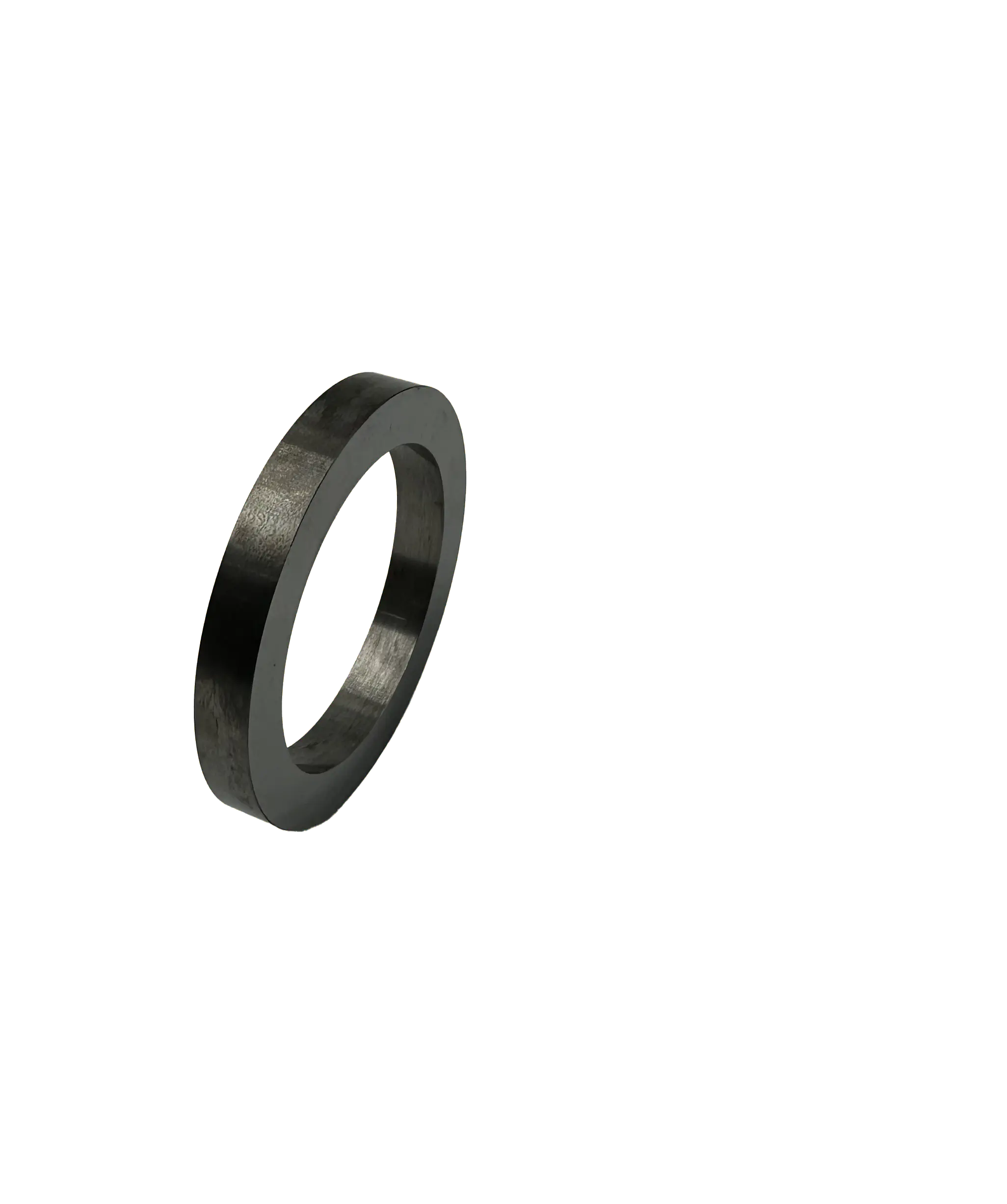
Tungsten Carbide (WC)
- Features :
-
High toughness and wear resistance.
High thermal conductivity and low thermal expansion.
Available in nickel- or cobalt-bonded grades for varying corrosion resistance.
- Applications :
-
Mining, slurry pumps, and wastewater treatment.
Moderate chemical exposure.
-
Temperature Range: -200°C to 800°C.
Hardness:1,400–1,800 HV.
Main Technology Data of Tungsten Carbide
Brand No. |
YG6 |
YG8 |
YG15 |
YGN8 |
Density |
14.6-15.0 |
14.5-14.9 |
13.9-14.2 |
14.4-14.8 |
HRA |
89.5 |
89 |
87 |
88 |
Bending Strength |
1421 |
1470 |
2058 |
1470 |
Linear Expansivity (10-6/k(20C-500C) |
5 |
5.1 |
6.3 |
5.3 |
Medium |
Resistant against: Oil, sewage water, weak acid/alkali etc. |
Strong corrosive medium |
||
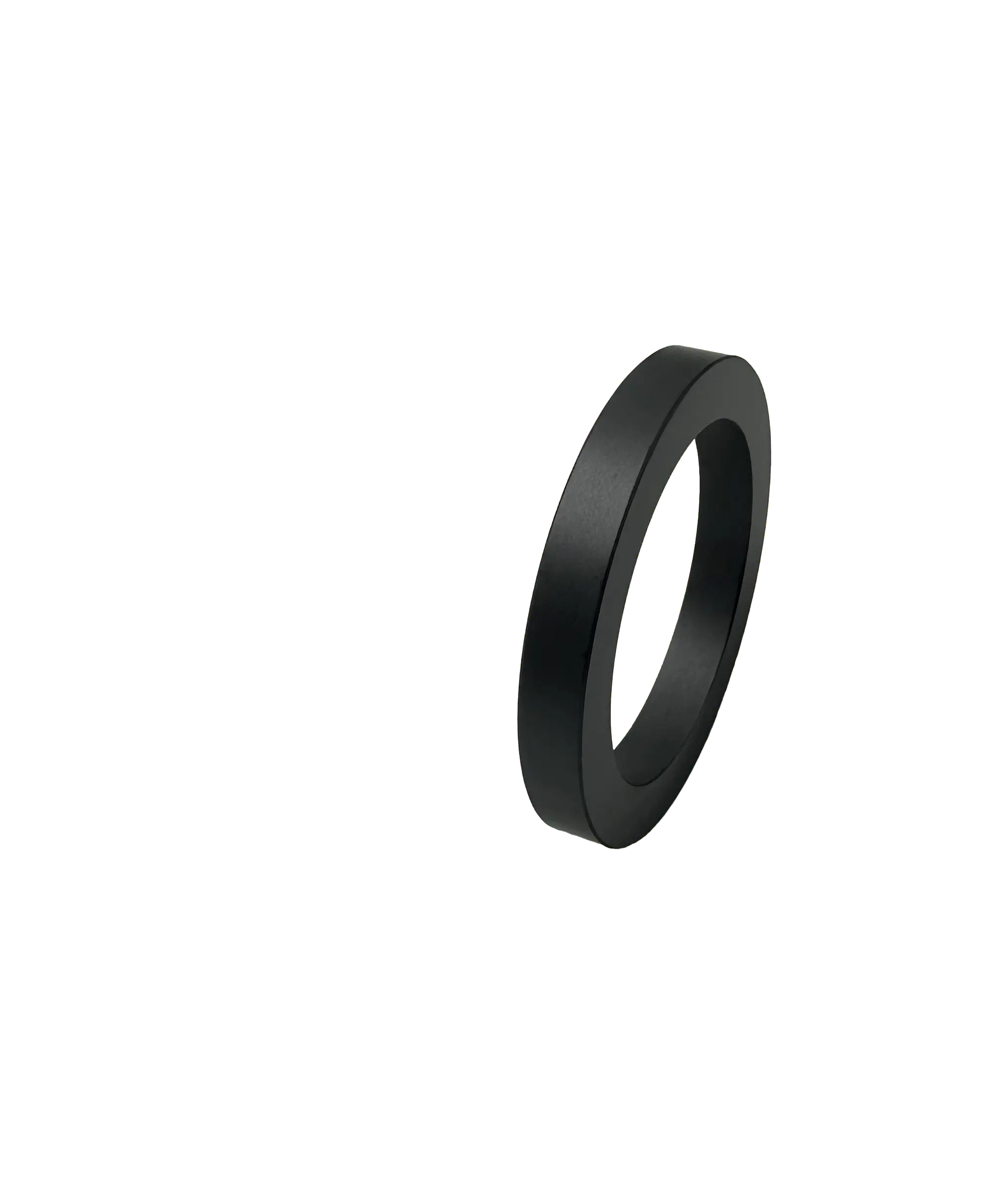
Silicon Carbide (SiC)
- Features :
-
Exceptional hardness and wear resistance.
High thermal conductivity and resistance to thermal shock.
Excellent chemical inertness (resists acids, alkalis, and abrasives).
- Applications :
-
High-speed, high-pressure environments (e.g., chemical pumps, oil refineries).
Abrasive or corrosive media.
-
Temperature Range: -100°C to 1,400°C (limited by secondary materials).
Hardness:2,500–2,800 HV.
Main performance Index of Silicon Carbide
unit |
Reaction Silicon Carbide SiC |
Sintered Silicon Carbide |
|
Purity |
% |
≧90 |
≧98 |
Density |
g/cm3 |
3.05 |
3.1 |
Shore Hardness |
HS |
110-125 |
120-130 |
Elastic Modulus |
MPa |
4.12*105 |
4.12*105 |
Tensile Strength |
MPa |
2.75*102 |
2.8*102 |
Bending Strength |
MPa |
4.41*102 |
4.9*102 |
Compression Strength |
MPa |
2.94*103 |
3.0*103 |
Thermal Conductivity |
W/mK |
141 |
147 |
Coefficient of Thermal Expansion |
I/℃ |
4.3*10-6 |
4.0*10-6 |
Heat Resistance |
℃ |
1600 |
1650 |
Thermal Impact Coefficient |
Cal/cm. sec |
46.5 |
200 |
Acid Resistance |
/ |
5times higher than the usual TC |
Resist chemical media |
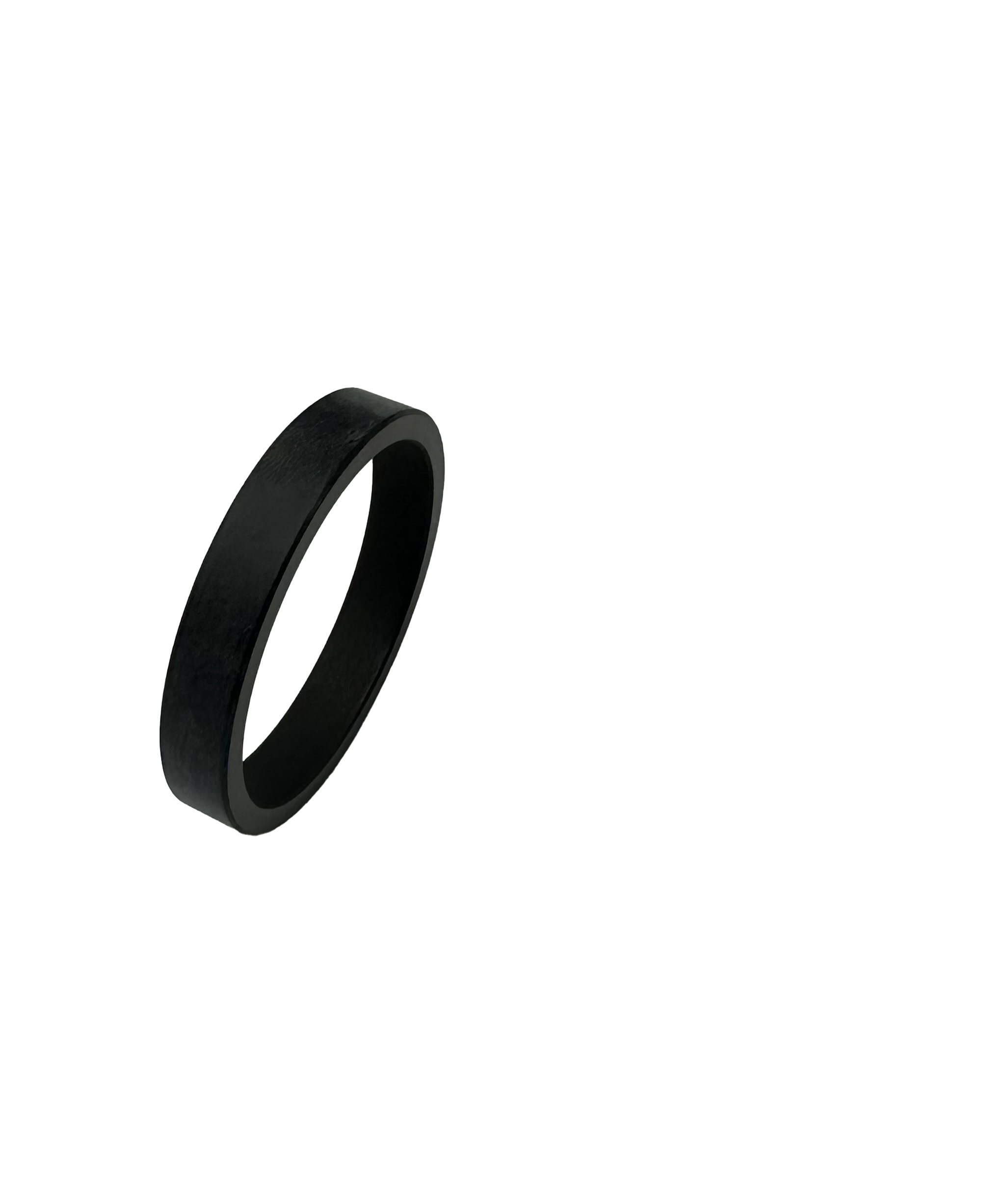
Carbon Graphite
- Features :
-
Self-lubricating properties reduce friction.
Good thermal and electrical conductivity.
Chemically inert in non-oxidizing environments. - Applications :
-
Dry-running or low-lubrication conditions.
Food processing, pharmaceuticals, and water systems.
-
Temperature Range: -200°C to 400°C (in inert atmospheres).
Carbon Performance Index
Type |
Brand |
Density (g/cm3) |
Fractural Strength (MPa) |
Compressive Strength (MPa) |
Hardness |
Porosity |
Temperatures (℃) |
M106H |
Impregnated Epoxy Resin(B1) |
1.75 |
65 |
200 |
85 |
<1 |
250 |
M120H |
1.7 |
60 |
180 |
80 |
<1 |
250 |
|
M106K |
Impregnated Furan Resin(B) |
1.75 |
67 |
200 |
90 |
<1 |
250 |
M120H |
1.7 |
62 |
180 |
85 |
<1 |
250 |
|
M106F |
Impregnated Phenol Aldehyde Resin(B2) |
1.75 |
60 |
200 |
85 |
250 |
|
M120F |
1.7 |
55 |
180 |
80 |
<1 |
250 |
|
M106D |
Antimony Carbon (A) |
2.3 |
65 |
220 |
90 |
<1.5 |
400 |
M120D |
2.3 |
60 |
220 |
90 |
<1.5 |
400 |
|
M254D |
2.3 |
55 |
210 |
65 |
<1.5 |
450 |
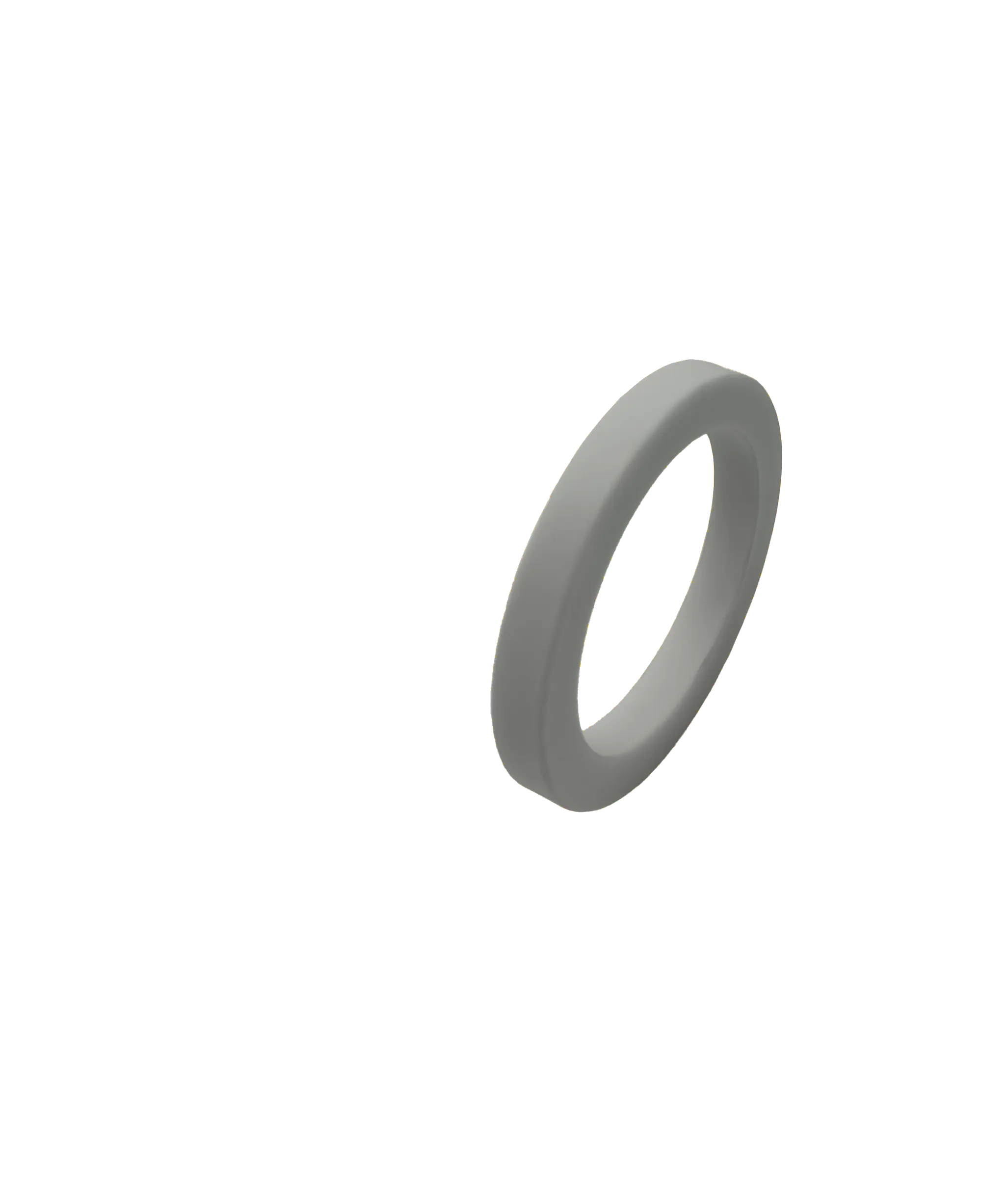
Ceramic
- Features :
-
High temperature resistance.
Corrosion resistance and wear resistance.
Good sealing performance. - Applications :
-
It is widely used in aerospace technology, machinery, metallurgy, printing and dyeing, food, pharmaceutical, automobile industry, etc.
-
Temperature Range: Up to 1000°C or higher.
Main performance Index of Ceramic
Technical Parameter |
Unit |
95% |
99% |
99.50% |
Content of Al203 |
% |
≧95 |
≦99 |
≦99 |
Density |
g/cm3 |
3.7 |
3.88 |
3.9 |
Hardness |
HRA |
85 |
88 |
90 |
Porosity Rate |
% |
<0.4 |
<0.2 |
<0.15 |
Fractural Strength |
MPa |
250 |
310 |
350 |
Coefficient of Heat Expansion |
10-6/K |
5.5 |
5.3 |
5.2 |
Thermal Conductivity |
W/mK |
27.8 |
26.7 |
26 |
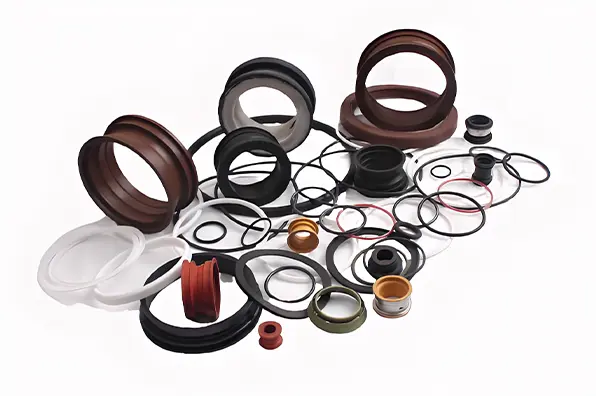
Variety |
Main Feature and Suitable Scope |
FPM |
Resistant against: Heat, oil, reagents. High temperature but sensitive to mechanical damage. Suitable for most acids and alkalis, except strong alkalis. Application temperature: -30℃~210℃ |
EPDM |
Resistant against: Chemical reagents. Suitable for hydraulic oil of organic phosphate. Application temperature: -50℃~150℃ |
NBR |
Resistant against: Oil, high pressure, wear. High elasticity and mechanical strength. Suitable for general hydraulic and pneumatic seal; Unsuitable for working under sunlight and ultraviolet; Restricted ability to withstand strong acids. Application temperature: -20℃~120℃ |
SILICON RUBBER |
Resistant against: Heat, freeze, low mechanical strength, poor bending and not wear. Suitable for fixed seal resistant to heat and freeze. Unsuitable for working under high mechanical strength. Application temperature: -80℃~200℃ |
CR |
Resistant against: Oil, wear, good bending. Especially suitable for pneumatic machinery and hydraulic fluid at high aniline content. Application temperature: -40℃~120℃ |
HNBR |
Resistant against: Gasoline, freon, oil, acid, alkali, heat and freeze. High mechanical strength and wear. |
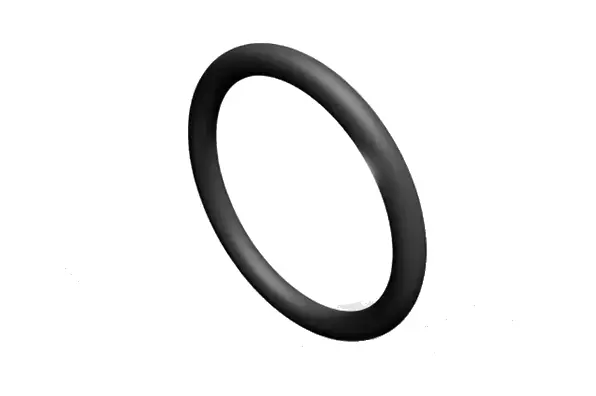
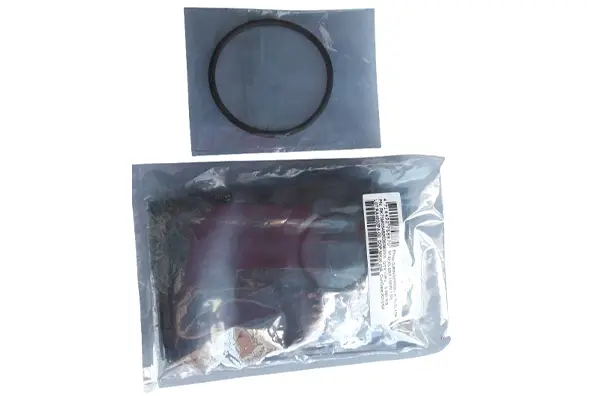
FFKM:
Perfluoroelastomer (FFKM) is synthetic elastomer, without C-H linkage. This kind of rubber, which can effectively work under the max temperature of 327℃ and bear corrosion of any chemical mediator, has perfect tolerance to oil, chemical &heat. Fluocarbon linkage is the main reason to high stability performance. The refractory compression permanent deformation performance of Perfluoroelastomer is superior to that of Viton.
It is widely used in semiconductor manufacture, petrochemical, gas extraction, medical, food and aerospace industries.
It is widely used in semiconductor manufacture, petrochemical, gas extraction, medical, food and aerospace industries.
Dupont-Kalrez | |||
Property |
Unit |
Kalrez 6375 |
Kalrez 4079 |
Tensile Strength @ Break |
MPa |
15.1 |
16.9 |
kgf/cm |
/ |
154 |
172 |
Modulous @100% |
MPa |
7.2 |
7.3 |
kgf/cm2 |
/ |
73.4 |
74 |
Elongation percentage @Break |
% |
160 |
150 |
Hardness |
HS |
75 |
75 |
Heat Resistance Temperature |
℃ |
275 |
316 |
70 hr in room temperature |
/ |
/ |
22 |
70 hr at 204℃ |
/ |
30 |
25 |
China -FFKM | ||
Property |
unit |
|
Hardness |
HS |
72 |
Tensile Strength @ Break |
MPa |
20 |
Elongation Percentage @ Break |
% |
175 |
Modulous @100% |
MPa |
10.5 |
Heat Resistance Temperature |
℃ |
270℃ |
70 hr in room temperature |
/ |
19 |
70 hr at 204 ℃ |
/ |
49 |
-
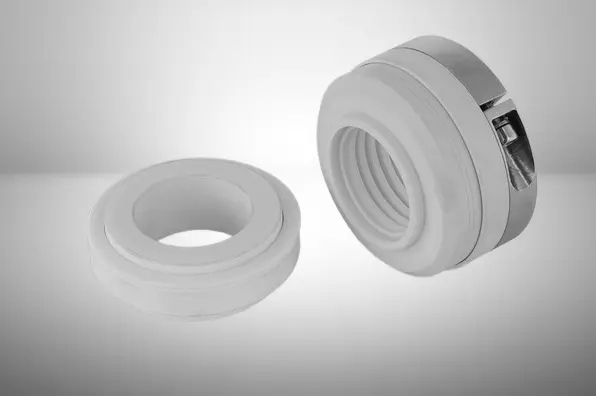
Polytetrafluoroethylene (PTFE)
- Features :
-
Outstanding chemical resistance to aggressive media.
Low friction and anti-stick properties.
Flexible but prone to cold flow under pressure. - Applications :
-
Highly corrosive environments (e.g., sulfuric acid, chlorine).
Food-grade or hygienic applications.
-
Temperature Range: -200°C to 260°C.
-
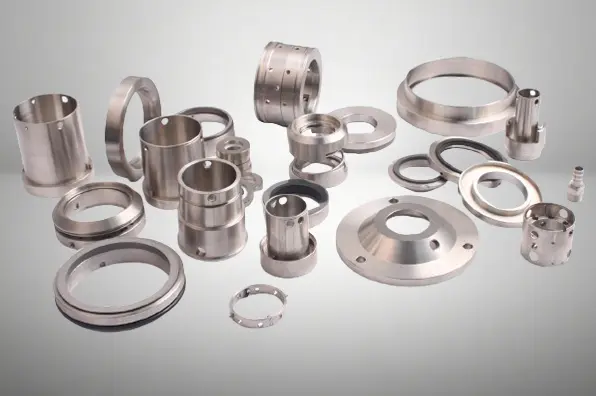
Stainless Steel (SS 316, SS 304)
- Features :
-
Good mechanical strength and corrosion resistance.
Cost-effective for moderate conditions.
Vulnerable to chlorides and extreme acids. - Applications :
-
General-purpose seals in water, oils, and mild chemicals.
HVAC systems and marine equipment.
-
Temperature Range:-50°C to 400°C.
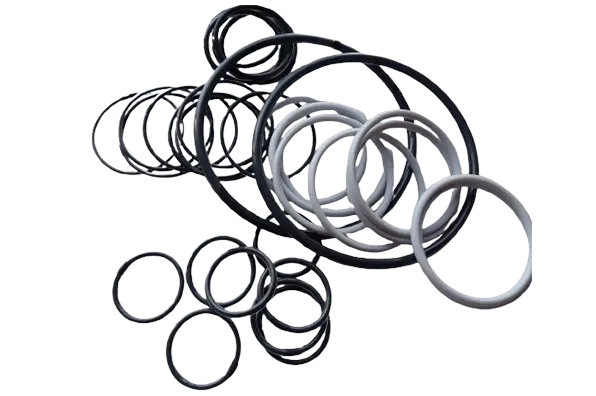
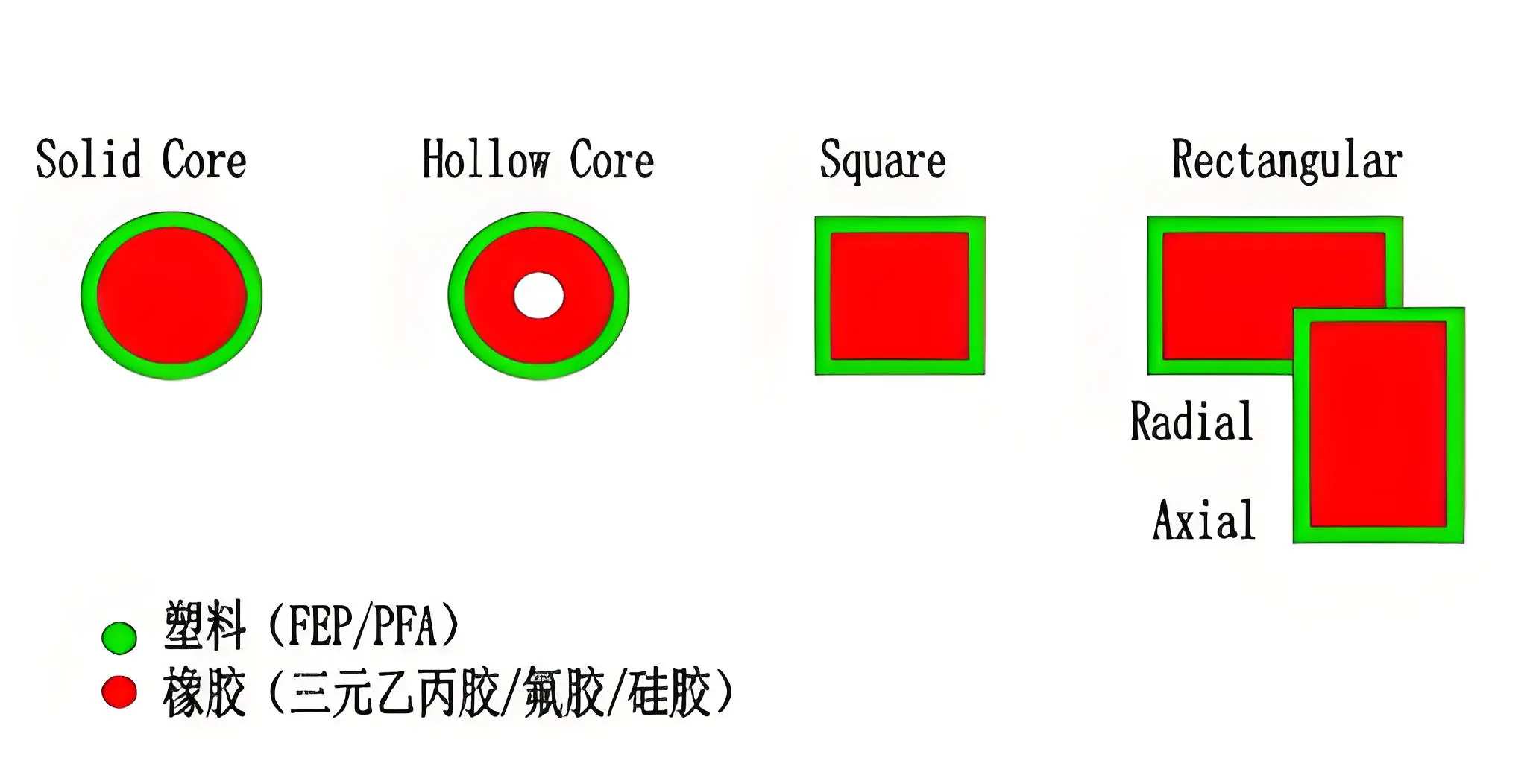
Encapsulated Rings
|
Product Type |
| PTFE Encapsulated o-rings |
| FEP encapsulated o-rings |
| PFA Encapsulated O-rings |
| Square Cross -section Ring Seals |
| Rectangular Cross-Section Ring Seals |
01
Operating Condition |
Recommended Material |
High abrasion (slurries, solids) |
Silicon Carbide, Tungsten Carbide |
Strong acids/alkalis |
PTFE, Silicon Carbide |
High temperature (>300°C) |
Silicon Carbide, Special Alloys |
Food/pharmaceutical contact |
PTFE, EPDM, Carbon Graphite |
Low-cost, general-purpose |
Stainless Steel, NBR |
Chemical Compatibility: Always verify material resistance to specific fluids.
Temperature & Pressure: Material performance degrades beyond rated limits.
Cost vs. Lifespan: Harder materials (e.g., SiC) have higher upfront costs but longer service life.
Pairing: Combine materials (e.g., SiC vs. Carbon) to optimize wear resistance.
Temperature & Pressure: Material performance degrades beyond rated limits.
Cost vs. Lifespan: Harder materials (e.g., SiC) have higher upfront costs but longer service life.
Pairing: Combine materials (e.g., SiC vs. Carbon) to optimize wear resistance.