Top Types of Pump Shaft Seal Explained for Optimal Performance?
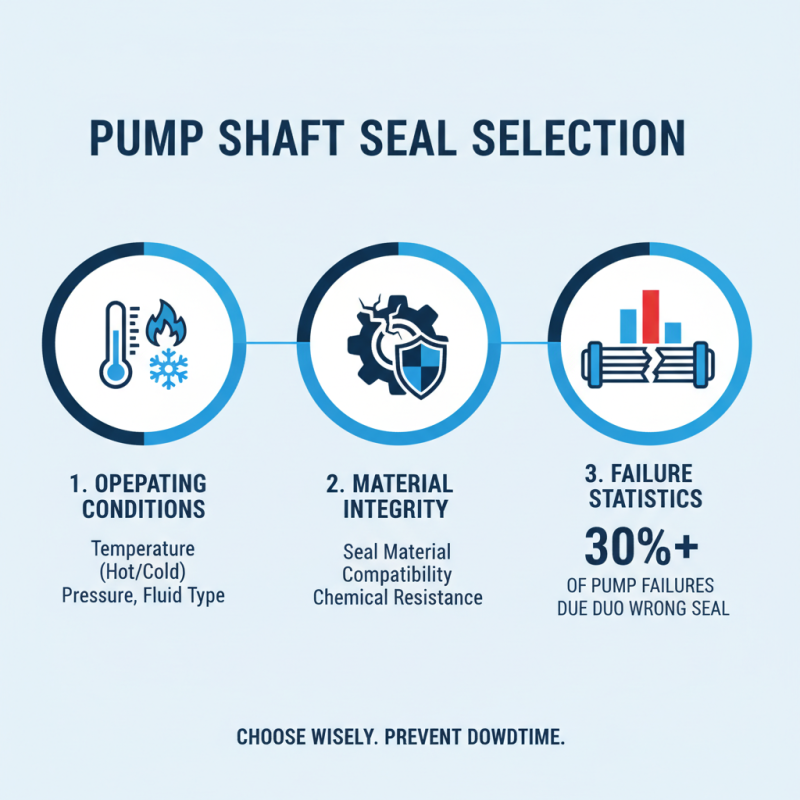
In the world of industrial machinery, the importance of a reliable Pump Shaft Seal cannot be overstated. According to a recent industry report, nearly 50% of pump failures are attributed to seal issues. This statistic highlights how critical it is to understand different types of shaft seals for optimal performance. A well-chosen seal reduces leaks and minimizes maintenance costs.
There are various types of Pump Shaft Seals, each suited for specific applications. This selection can greatly impact not just efficiency but also the lifespan of the equipment. For example, mechanical seals are excellent for high-pressure systems, while lip seals can serve well in applications with less stringent requirements. However, the choice is often mired in confusion, which leads to potential performance setbacks.
Surprisingly, many operators overlook the basics of seal selection, focusing instead on other components. This is a critical misstep. Understanding the varied types can lead to informed decisions, improving system reliability significantly. Therefore, a deeper exploration of Pump Shaft Seal options is essential for any operation aiming for excellence.
Understanding Pump Shaft Seals: An Overview of Their Importance
Pump shaft seals are crucial components in maintaining the efficiency and reliability of pumps. They prevent leaks between the rotating shaft and the stationary pump housing. This action protects valuable fluids and minimizes downtime. Without proper seals, pumps can become inefficient, leading to increased maintenance costs and operational issues.
It's important to select the right type of seal based on the specific application. There are various types of seals, such as mechanical seals and lip seals. Each has its strengths and weaknesses. For instance, mechanical seals provide better leakage control but may require more frequent adjustments. On the other hand, lip seals are easier to install but might wear out faster.
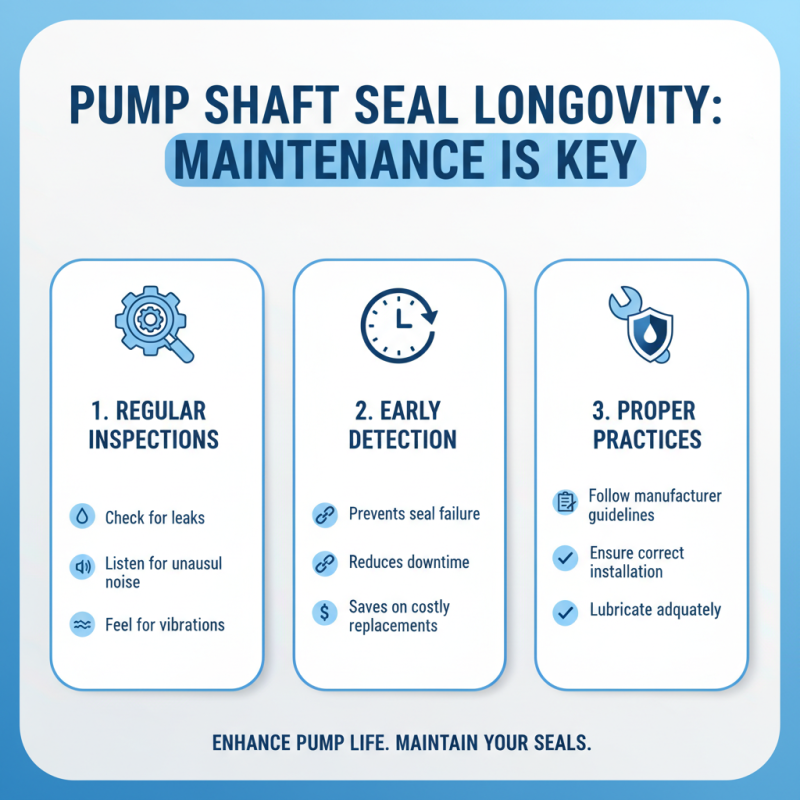
**Tips**: Regularly inspect seals for wear signs. Look for leaks or unusual noises. Early detection can save time and cost. Also, choose seals that match the operating environment. Temperature and pressure can significantly affect seal performance. The wrong choice might lead to early failure. Consider reevaluating seal options if performance issues arise consistently.
Types of Pump Shaft Seals: Common Designs and Materials Used
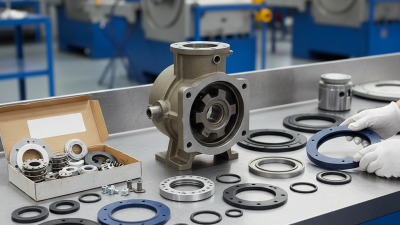
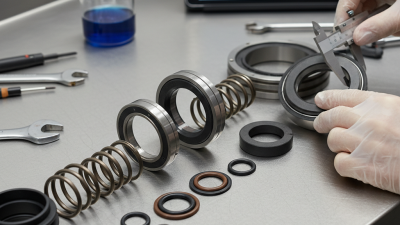
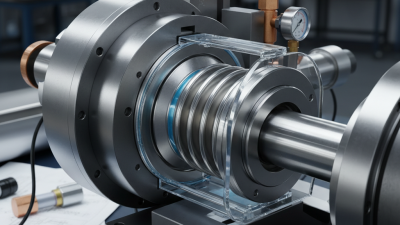
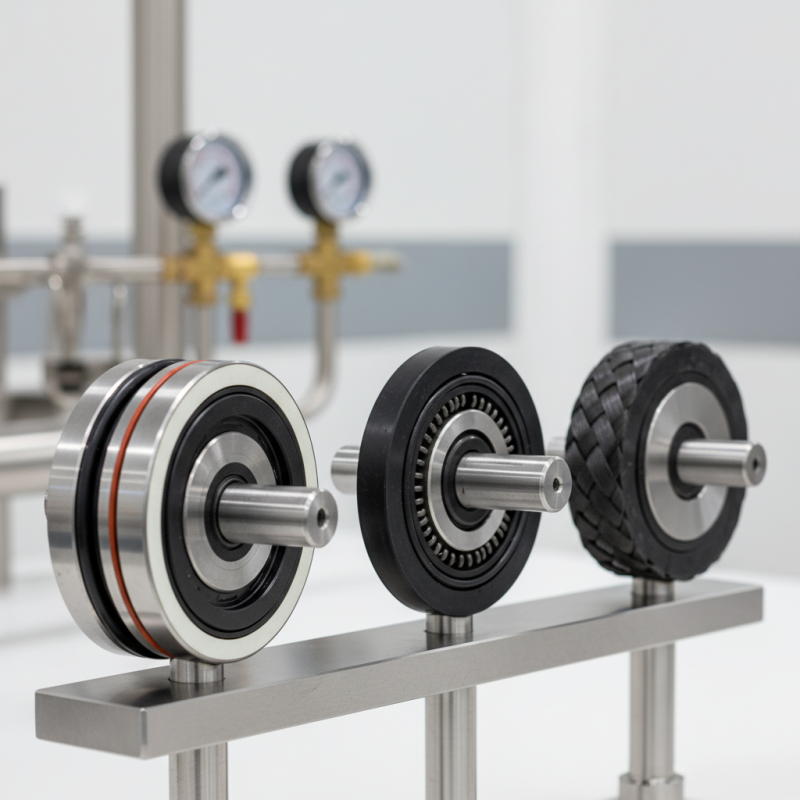
When it comes to pump shaft seals, the choice of design and materials greatly impacts performance. Common designs include mechanical seals and gland packing. Mechanical seals often provide a reliable solution. They feature two faces clamped together. A fluid barrier forms between the rotating and stationary parts. This design limits leakage, but installation can be tricky.
Gland packing, on the other hand, uses braided material. It is less complex to install. However, it may require more frequent adjustments and replacements. The packing must be compatible with the fluid to avoid degradation. Other designs include lip seals and dynamic seals. Lip seals offer a simple yet effective option for lighter applications.
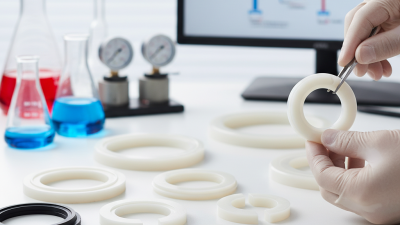
Materials play a crucial role in seal performance. Common materials are rubber, PTFE, and ceramic. Rubber is versatile but may not resist heat well. PTFE, though durable, can be somewhat expensive. Ceramic seals provide high resistance to wear and heat, yet they can be brittle. Each material has its strengths and weaknesses, making careful selection essential for optimal results.
Maintenance Practices for Enhancing Pump Shaft Seal Longevity
Maintaining pump shaft seals can significantly enhance their longevity. The right maintenance practices are vital. Regular inspections help identify wear signs. Look for leaks, unusual vibrations, or noise. These issues could indicate seal failure. Early detection can prevent costly replacements.
Lubrication plays a crucial role in seal performance. Ensure that seals are lubricated correctly to avoid friction. Improper lubrication leads to overheating. This can drastically reduce seal lifespan. Check lubrication levels frequently and replace any contaminated fluids. Cleanliness is essential, too. Contaminants can damage seals, so keep the area clean.
Finally, consider the environment where the pump operates. High temperatures or harsh chemicals can affect seal integrity. Choose seals that suit your specific conditions. Not all seals are made equally. Assess your needs carefully. Reflect on how often seals have failed in the past. This assessment can guide future choices.
Troubleshooting Common Issues with Pump Shaft Seals
Pump shaft seals play a vital role in preventing leaks in various systems. However, issues can arise. Common problems include leakage, noise, and premature wear. Identifying the root cause of these issues can help in troubleshooting.
Leakage often indicates that the seal is damaged or improperly installed. It’s crucial to regularly check for wear and tear. If you notice significant leakage, it may be time for a replacement. Noise can also signal a problem; a grinding or rattling sound might indicate misalignment. In such cases, taking time to realign the shaft can make a difference.
Premature wear is another concern that requires attention. This often results from improper lubrication or the use of incorrect materials. Observing the environment and conditions around the pump can provide valuable insights. Regular maintenance checks can prevent unexpected failures. Addressing these common issues early ensures optimal performance and extends the lifespan of the pump shaft seal.