2026 Top Pump Shaft Seal Types and Their Applications Explained?
In the world of mechanical engineering, the importance of the Pump Shaft Seal cannot be overstated. As noted by John Carter, a leading expert in fluid dynamics, "A reliable seal is the lifeblood of any pump system." Understanding various seal types is essential for efficiency.
Pump Shaft Seals come in many varieties, each tailored for specific applications. Different designs affect how pumps operate and maintain fluid integrity. Some seals prevent leakage effectively, while others focus on flexibility and installation ease. Selecting the right seal is not just a matter of preference; it impacts the entire system's performance.
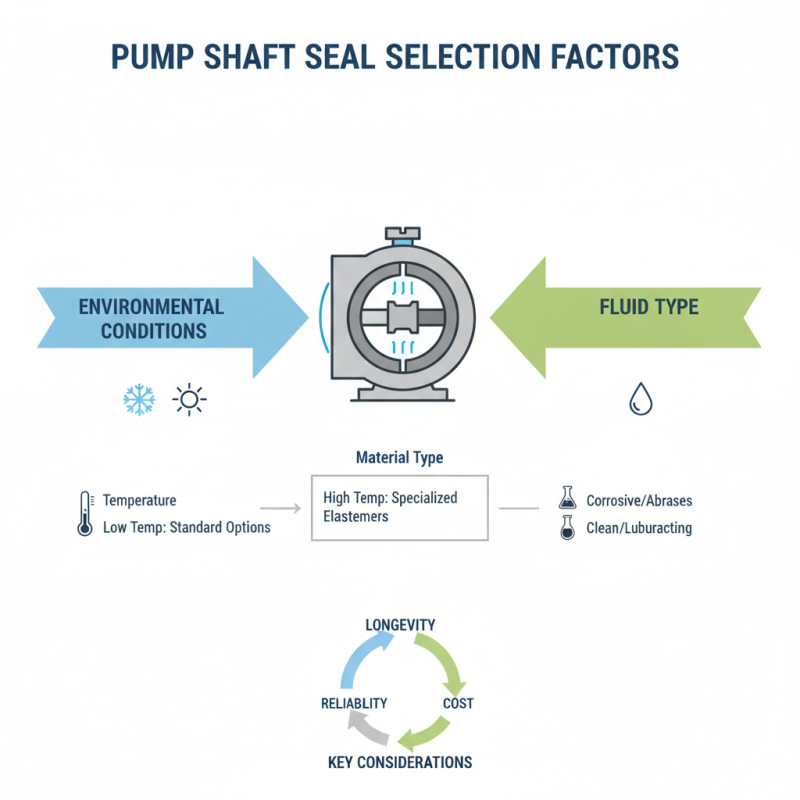
However, the quest for the ideal Pump Shaft Seal is often flawed. Engineers sometimes overlook the seal's environmental conditions or the fluids being used. This can lead to premature failures. Proper consideration is critical for long-term reliability. In the intricate ecosystem of pump operations, the right seal can make all the difference.
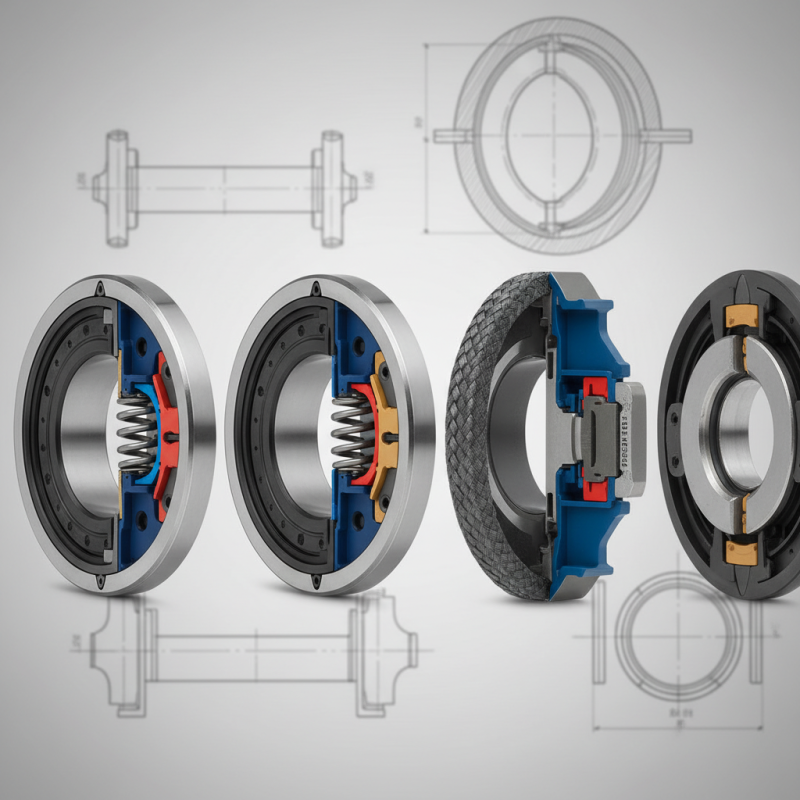
Overview of Pump Shaft Seal Types Commonly Used in 2026
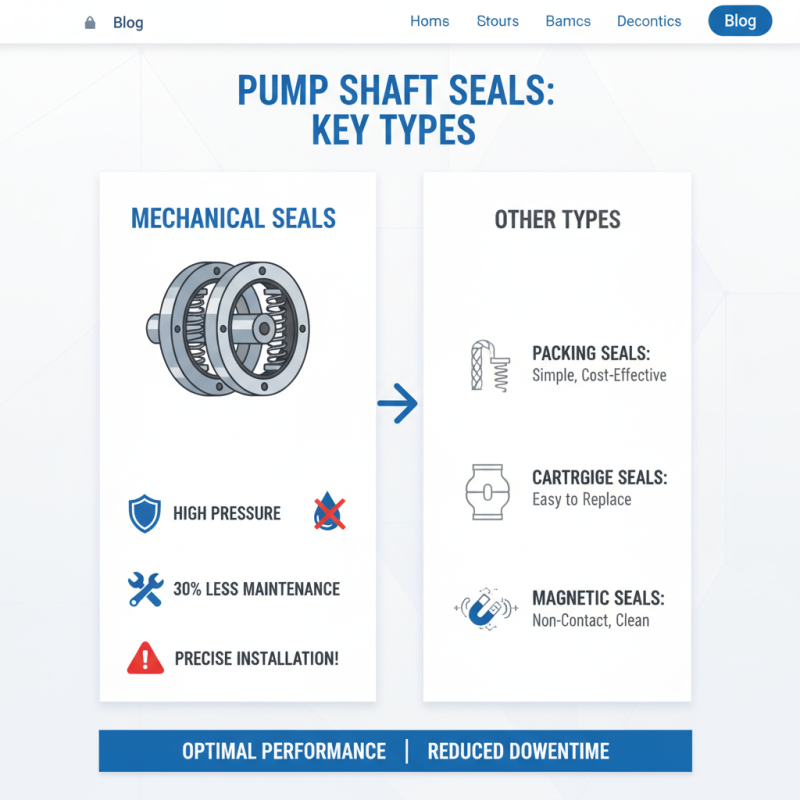
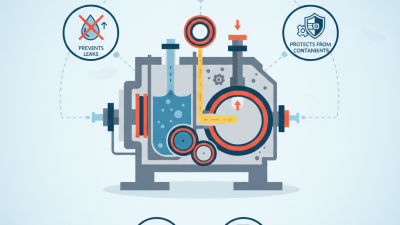
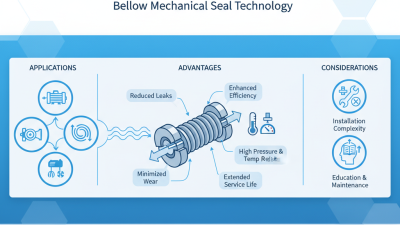
Pump shaft seals are critical components in many industrial applications. In 2026, several types are widely used. Mechanical seals are one of the most common types. They provide a reliable sealing solution for pumps. These seals work by using two surfaces that slide against each other. They can handle high pressure and temperature conditions. However, improper installation can lead to leaks and failure.
Another popular type is lip seals. Lip seals are often used in low-pressure situations. They consist of a rubber material that deforms to create a tight seal. This type is cost-effective but may not withstand extreme conditions. Users should evaluate their specific needs when choosing lip seals. It's essential to consider the operating environment and fluid compatibility.
Additionally, dynamic seals are useful for rotating applications. These seals can adapt to movement, ensuring effective sealing. Yet, they may wear out faster than other types. Users might overlook maintenance, risking seal integrity. Identifying the right seal for the application requires careful consideration. Making an informed decision can prevent costly downtime and repairs.
Key Features and Benefits of Each Pump Shaft Seal Type
When selecting pump shaft seals, several types stand out for their specific applications. Mechanical seals are commonly favored for high-pressure scenarios. They create a tight seal, reducing leakage. Their reliability results in lower maintenance costs, sometimes up to 30%. However, they require precise installation, or failures may occur quickly.
Packing seals are another option, often used in older systems. These seals are simpler but less efficient. They can withstand extreme temperatures but suffer from wear over time. A study noted that systems using packing seals experience a 15% higher failure rate compared to mechanical seals. Still, their ease of replacement makes them appealing in emergency situations.
Lip seals, or oil seals, work well in moderate pressure environments. Their structure helps maintain lubrication, resulting in extended equipment life. However, they do wear down and may need regular inspection. According to industry reports, 40% of operational downtime is linked to seal failures. Thus, choosing the right type based on application is crucial. The wrong choice often leads to performance issues and unexpected costs.
Applications of Pump Shaft Seals Across Various Industries
Pump shaft seals are crucial components in various industries, including oil and gas, water treatment, and pharmaceuticals. In the oil and gas sector, they prevent leaks that can lead to significant environmental issues. A report from the International Journal of Oil and Gas found that improper sealing can result in over 30% of unaccounted losses in production. This is alarming and highlights the need for more effective seal technologies.
In the water treatment industry, pump shaft seals are vital for maintaining system integrity. Water treatment facilities often face challenges like chemical corrosion and varying pressures. The American Water Works Association states that the failure of seals can increase operational costs by up to 20%. These failures can lead to downtimes, affecting water supply and quality. Thus, choosing the right seal type can influence overall operational efficiency profoundly.
Pharmaceutical applications require seals that adhere to strict hygiene and safety standards. The FDA has stringent regulations regarding materials to ensure no contamination occurs. However, reports indicate that some facilities still experience seal failures, often due to inadequate materials or improper installation. It's an industry-wide challenge that underscores the importance of continuous improvement in sealing technology.
2026 Top Pump Shaft Seal Types and Their Applications Explained
| Seal Type |
Material |
Temperature Range |
Pressure Rating |
Common Applications |
| Mechanical Seal |
Carbon/Graphite |
-40°C to 200°C |
up to 10 bar |
Water, Chemical Processing |
| Lip Seal |
Nitrile Rubber |
-30°C to 100°C |
up to 5 bar |
Automotive, Oil and Gas |
| O-ring Seal |
Silicone |
-60°C to 200°C |
up to 3 bar |
Pharmaceuticals, Food Processing |
| Packing Seal |
PTFE |
-50°C to 260°C |
up to 40 bar |
High-pressure Pumps, Slurry Pumps |
| Cartridge Seal |
Ceramic |
-20°C to 120°C |
up to 6 bar |
HVAC, Water Treatment |
Maintenance and Troubleshooting Tips for Pump Shaft Seals
Pump shaft seals play a crucial role in preventing leaks and ensuring system efficiency. However, they are also prone to wear and damage. Routine maintenance can significantly extend their lifespan. Industry reports indicate that regular inspections can reduce seal failures by up to 30%. Pay close attention to the seal for signs of leakage. If fluid is pooling around the shaft, replacement may be necessary.
Proper lubrication is another key factor. Keep in mind that inadequate lubrication can cause seals to dry out. A common error is neglecting to monitor the lubricant levels. You should aim to check them monthly. Seals under high pressure or temperature conditions require closer monitoring. Data suggests that seals used in extreme environments tend to fail faster, sometimes within half the expected lifespan.
Troubleshooting often involves visual inspections. Look for abrasions or discoloration. If you find these issues, it’s important to investigate the cause. Many times, misalignment is a root cause. This is often overlooked, yet it plays a significant role in seal performance. Understanding these factors is crucial for effective maintenance that prevents costly downtimes.