Top 10 Mechanical Shaft Seal Manufacturers in China You Should Know?
In the ever-evolving world of industrial equipment, the importance of a reliable Mechanical Shaft Seal cannot be overstated. According to Dr. Emily Chen, a leading industry expert, "Choosing the right Mechanical Shaft Seal is crucial for operational efficiency." This insight reflects the ongoing challenge companies face in selecting the best suppliers.
China has emerged as a hub for manufacturing Mechanical Shaft Seals. Numerous companies offer innovative solutions for various industrial needs. However, navigating this landscape can be daunting. Many manufacturers promise quality but fall short in real-world applications. Attention to detail is essential. Quality assurance often varies among producers, making informed choices vital.
Focusing on top manufacturers can ease the selection process. Understanding their strengths and weaknesses is key. With the right information, businesses can avoid common pitfalls. Investing in high-quality Mechanical Shaft Seals can lead to improved performance and longevity in machinery. In this guide, we delve into the top ten Mechanical Shaft Seal manufacturers in China, highlighting their offerings and market presence.
Overview of Mechanical Shaft Seals and Their Importance in Industry
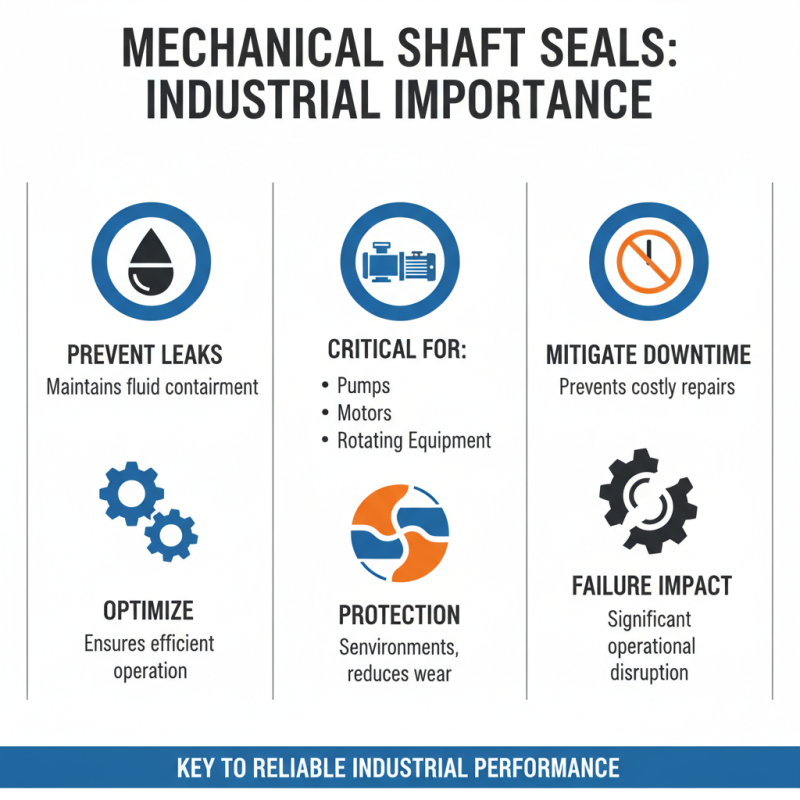
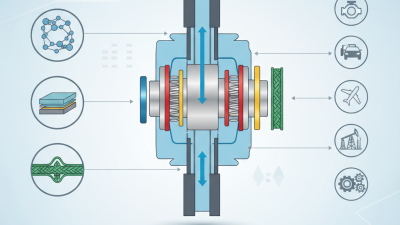
Mechanical shaft seals play a vital role in various industries. They prevent leaks of fluids, ensuring machinery operates efficiently. These seals are essential for pumps, motors, and other rotating equipment. By maintaining pressure and separating different environments, they minimize wear and tear on components. The failure of a shaft seal can lead to significant downtime and costly repairs.
Understanding the types of seals available is crucial. There are numerous designs, each catering to specific applications. When selecting a seal, consider factors like temperature, pressure, and fluid type. The right choice can enhance equipment lifespan.
Tips: Regular maintenance is key to seal performance. Inspect seals frequently for signs of wear or damage. This proactive approach can save time and money. Always consult professionals when dealing with complex machinery.
Another consideration is the installation process. Improper installation can lead to premature failure. Training staff or hiring experts can mitigate risks. Remember, even small errors can have significant consequences. Take the time to ensure everything is done correctly.
Key Factors to Consider When Choosing a Mechanical Shaft Seal Manufacturer
Choosing the right mechanical shaft seal manufacturer involves several key factors. One must consider quality assurance, including material reliability and manufacturing processes. Reports indicate that around 60% of mechanical seal failures stem from poor material selection. Thus, understanding the types of materials used in seals is critical. Seals made from high-quality elastomers or ceramics can enhance durability significantly.
Another important aspect is the manufacturer’s experience in the industry. Companies with over a decade of experience typically offer a diverse product range. Their long-standing presence often correlates with better customer support and innovation. Furthermore, consider certifications. ISO certifications or other recognized standards can be indicators of a reliable manufacturer.
Price should not be the only determinant. In many cases, opting for the cheapest option leads to higher long-term costs. According to industry data, quality seals can improve efficiency by 30% or more. This translates to cost savings over time, making the initial investment worthwhile. Balancing cost with quality and service ensures a smart purchasing decision for mechanical shaft seals.
Top 10 Mechanical Shaft Seal Manufacturers in China: An Overview
Mechanical shaft seals play a crucial role in machinery by preventing fluid leakage. In China, many manufacturers excel in this field, providing reliable options for various industries. These manufacturers focus on innovation and quality. They use advanced materials to enhance durability and performance.
When selecting a mechanical shaft seal, consider the application. Different environments require unique materials. Not all seals are suitable for high-pressure situations or extreme temperatures. Additionally, some products may not meet your specific needs. This is where careful research comes into play.
Check the certifications of the manufacturers. Quality assurance can make a significant difference in performance. Non-compliance could lead to failures. Working with trustworthy suppliers can mitigate risks. Always ask for product samples if possible. This allows for hands-on evaluation before committing to a large order.
Top 10 Mechanical Shaft Seal Manufacturers in China
Comparative Analysis of the Leading Manufacturers' Technologies and Offerings
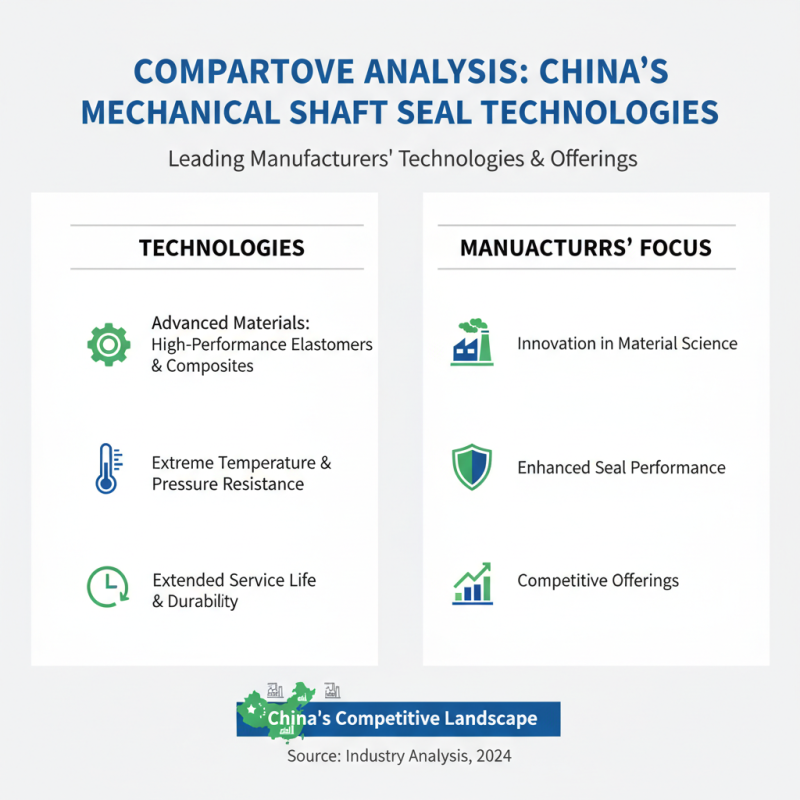
In the competitive landscape of mechanical shaft seals, manufacturers in China showcase a variety of technologies and offerings. Advanced materials play a critical role in enhancing seal durability and performance. Some manufacturers focus on using high-performance elastomers and composites. These materials can better withstand extreme temperatures and pressures, contributing to longer service life.
Another aspect worth considering is the design innovation that different manufacturers bring to the table. Some prioritize ease of installation, while others emphasize leak prevention. This approach can significantly affect maintenance schedules and operational efficiency. Manufacturers with extensive testing protocols often yield more reliable products. Their commitment to quality control stands out in the industry.
While many manufacturers have made impressive strides, issues still exist. Some may struggle with inconsistent quality across batches. Others might focus too heavily on cost-cutting, compromising performance. Addressing these challenges requires continuous innovation and robust feedback mechanisms. Investing in research and development is essential for sustaining market relevance.
Future Trends in Mechanical Shaft Seal Production and Innovation in China
In recent years, the mechanical shaft seal industry in China has witnessed dynamic changes driven by innovation and technological advancements. Reports indicate that the market for mechanical seals is expected to grow at a CAGR of over 4% from 2022 to 2027. This growth reflects increasing demand in sectors such as oil and gas, chemical processing, and water treatment. Manufacturers are investing in research and development to improve seal performance and durability.
One notable trend is the shift towards environmentally friendly materials. Many companies are exploring alternatives to traditional seal materials that are more sustainable and less harmful. For example, advanced elastomers and composite materials are under development, aimed at enhancing seal effectiveness while reducing environmental impact. This is vital as regulations become stricter globally.
Moreover, digital technologies are transforming production processes. Manufacturers are adopting automation and smart production techniques. These advancements not only increase efficiency but also improve quality control. However, some manufacturers struggle to keep up with these changes. Balancing traditional manufacturing practices with cutting-edge technology presents a challenge. The industry continues to innovate, yet there is room for improvement in adapting to these trends effectively.
Top 10 Mechanical Shaft Seal Manufacturers in China
| Rank |
Annual Production Capacity (Units) |
Market Share (%) |
Year Established |
R&D Investment (in USD) |
Key Innovations |
| 1 |
500,000 |
15 |
1995 |
1,000,000 |
Advanced sealing technologies |
| 2 |
300,000 |
12 |
2000 |
500,000 |
Eco-friendly materials |
| 3 |
450,000 |
10 |
1998 |
750,000 |
High-performance polymers |
| 4 |
600,000 |
8 |
2010 |
800,000 |
Smart sealing solutions |
| 5 |
200,000 |
7 |
1985 |
300,000 |
Temperature-resistant seals |
| 6 |
350,000 |
5 |
2005 |
600,000 |
Sealing solutions with higher durability |
| 7 |
420,000 |
4 |
2012 |
500,000 |
Innovative sealing technologies |
| 8 |
250,000 |
3 |
2019 |
200,000 |
Advanced leak-proof technology |
| 9 |
150,000 |
2 |
2016 |
100,000 |
Custom solutions for various industries |
| 10 |
100,000 |
1 |
2020 |
50,000 |
Innovative materials and techniques |