Choosing a reliable Water Pump Shaft Seal supplier is rarely as simple as comparing prices. Global buyers must examine material quality, dimensional consistency, production experience, and technical support. A seal may appear identical in a catalog, yet fail quickly when exposed to hot water, abrasive particles, vibration, or an uneven shaft surface.
Dr. Robert D. Flitney, a respected sealing specialist and author of Seals and Sealing Handbook, offers a useful principle: “Select the seal as part of the whole system, not in isolation.” This advice remains practical. Pump efficiency depends on more than the seal itself. Shaft hardness, elastomer compatibility, spring design, installation tools, and operating temperature all matter. Small details matter.
This guide presents ten Water Pump Shaft Seal suppliers serving international buyers. The selection considers manufacturing capability, product range, quality controls, customization options, export experience, and after-sales communication. It also looks at practical evidence, such as technical drawings, batch records, sample testing, and response times.
No ranking is perfect. Supplier strengths can change by region, application, or order volume. A company may offer excellent ceramic faces but limited support for unusual pump models. Another may provide fast delivery but weaker documentation. Buyers should verify claims directly and request samples before committing to large quantities.
The right supplier should understand the working conditions inside the pump, not merely sell a replacement part. That difference can reduce leakage, maintenance interruptions, and premature equipment failure. It may also reveal an uncomfortable truth: the cheapest seal is often the most expensive choice after repeated replacement.
For buyers comparing the top ten water pump shaft seal suppliers, basic seal knowledge matters more than catalog claims. A shaft seal limits water leakage between a rotating shaft and stationary housing. Its faces usually use carbon, ceramic, silicon carbide, or tungsten carbide. Elastomers must also match water chemistry, temperature, and pressure.
The UN World Water Development Report 2024 states that 2.2 billion people lacked safely managed drinking water in 2022. Reliable pumping equipment therefore supports essential infrastructure, not only industrial output. The U.S. Department of Energy reports that pumping systems can consume 25% to 50% of industrial facility electricity. Poor alignment or excessive friction can increase that burden.
Performance checks should cover pressure, shaft speed, temperature, leakage, wear, and installation tolerance. ISO 21049 provides mechanical seal requirements for centrifugal and rotary pumps. ISO 6194-1 addresses rotary shaft lip seals and their dimensions. Suppliers should provide material certificates, dimensional drawings, pressure limits, and test records. Ask how leakage was measured. A vague “zero leakage” claim is not enough. Real systems need an agreed leakage method and test duration.
Field failures often begin with small details, such as dry running, rough shafts, or incorrect spring direction. Ceramic faces may suit clean water, but abrasive particles can change the result.
A seal can pass a laboratory test and fail within weeks onsite. That uncomfortable gap deserves attention. Total cost should include replacement labor, downtime, and water loss, not just the purchase price.
Choosing among the top 10 water pump shaft seal suppliers requires more than comparing prices. A supplier should understand your pump model, shaft speed, pressure, temperature, and water chemistry. Ask for material data before requesting a quotation. Carbon, ceramic, elastomers, and spring alloys must match the operating environment. A seal that works in clean water may fail quickly in abrasive or chemically treated water.
Request dimensional drawings, inspection records, and batch traceability. Check whether the supplier performs leakage, pressure, and endurance testing. Factory visits can reveal practical details, such as clean assembly areas, calibrated measuring tools, and controlled storage. However, one visit is not enough. Production quality may change after approval. Review recent test reports and inspect several sample batches. Small variations matter.
Delivery capability also deserves careful review. Confirm minimum order quantities, packaging protection, spare-part availability, and realistic lead times. Ask how the supplier handles urgent failures and defective batches. References from similar pump applications are more useful than general customer ratings. Be cautious with unusually low prices. They may reflect cheaper materials, weak testing, or incomplete documentation. I have seen technically acceptable samples perform poorly in continuous service, so field trials remain valuable. A short pilot order can expose fitting problems before a full global purchase.
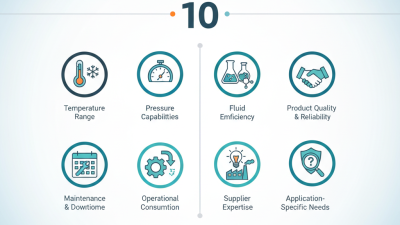
Suggested 100-point evaluation weighting for international buyers
Technical compatibility receives the highest weight because seal material, size, pressure, temperature, speed, and fluid compatibility directly affect pump reliability. Buyers should also verify documented quality systems, export compliance, production capacity, delivery performance, total cost, and after-sales support. These percentages are a practical screening framework rather than market-share or company-performance data.
Top 10 Water Pump Shaft Seal Suppliers for Global Buyers
Profiles of the Top 10 Water Pump Shaft Seal Suppliers
The leading supplier profiles cover different operating needs. Precision ceramic-carbon manufacturers serve standard clean-water pumps. Silicon carbide specialists handle abrasive fluids and demanding pressure cycles. Custom machining suppliers support unusual shaft sizes. OEM replacement producers focus on dimensional accuracy and fast interchangeability. High-temperature seal makers use advanced carbon materials and metal components. Corrosion-resistant suppliers develop solutions for treated water and mild chemicals. Agricultural specialists design seals for dusty, irregular field conditions. Automotive-focused producers emphasize compact designs and continuous rotation. Export-oriented distributors provide regional inventory and technical support. Testing-led manufacturers document leakage, pressure, and endurance results.
The U.S. Department of Energy reports that pumping systems may consume 25% to 50% of industrial facility electricity. A poor shaft seal can increase friction, leakage, and maintenance interruptions. Hydraulic Institute guidance also stresses correct pump selection, alignment, and operating-point control. These factors make supplier verification more important than a low unit price. However, published performance data is not always comparable. That weakness deserves attention.
Tips: Request test conditions, not only product claims. Confirm shaft diameter, seat dimensions, elastomer type, temperature, pressure, and fluid chemistry. Ask for batch traceability and installation guidance. A practical trial run can reveal problems that a catalogue misses. Suppliers with engineers, inspection records, and local support usually reduce replacement risk.
Top 10 Water Pump Shaft Seal Suppliers for Global Buyers
When comparing ten shaft seal suppliers, material compatibility should lead the review. Carbon-ceramic pairs suit clean water and moderate temperatures. Silicon carbide performs better with abrasive particles. EPDM handles many water applications, while FKM supports higher chemical resistance.
The UN World Water Development Report 2024 states that agriculture uses about 70% of global freshwater withdrawals. That makes irrigation durability important, not optional. Yet material charts can oversimplify real conditions.
Application details should include pressure, shaft speed, temperature, suspended solids, and dry-run risk. Prices vary widely because cartridge designs, balanced faces, and custom dimensions increase machining costs. A low quotation can mislead.
The U.S. Department of Energy reports that pumping systems may consume 25% to 50% of industrial facility electricity. A leaking seal can therefore create larger operating losses than its purchase price.
Delivery capability also matters. Check production capacity, inspection records, spare inventory, export packaging, and average lead times. Regional stock may reduce downtime, but emergency stock is never guaranteed.
Tips
Request test data for your actual fluid and operating cycle. Compare total cost, not unit price. Ask for a written tolerance range. I would also verify delivery promises against recent purchase orders, because supplier websites often describe ideal conditions, not difficult seasons.
For global buyers, a Top 10 list is only a starting filter. The right shaft-seal supplier must match the pump, fluid, and operating cycle. Check shaft diameter, seal cavity dimensions, pressure, temperature, speed, and solids content. ISO 3069 and EN 12756 provide useful dimensional references. They do not replace application testing. That distinction matters.
Procurement teams should request traceable material certificates for carbon, ceramic, silicon carbide, elastomers, springs, and metal parts. Ask for batch records, leakage-test methods, tolerance data, and documented change control.
The U.S. Department of Energy’s Improving Pumping System Performance report states that pumping systems may consume 25–50% of electricity in some industrial facilities. A poorly selected seal can create more than a maintenance problem. It can increase energy use through friction, leakage, and repeated shutdowns. Compare total cost over three years, not only the unit quotation.
Shortlist ten suppliers, then score them against identical evidence. Include delivery performance, regional inventory, technical response time, warranty terms, and field-service capability. Request samples before approving a large order. Test them with actual water chemistry, pressure cycles, and startup conditions.
A clean laboratory result may fail in muddy water. Buyers often overvalue polished certificates and undervalue installation guidance. That is an uncomfortable lesson. Independent audits and customer references can expose this gap.
Purchase orders should state drawing revision, inspection points, packaging, spare quantities, and acceptance criteria. Leave room for doubt. Supplier claims deserve verification.