What is Seal Components and How Do They Function in Various Applications?
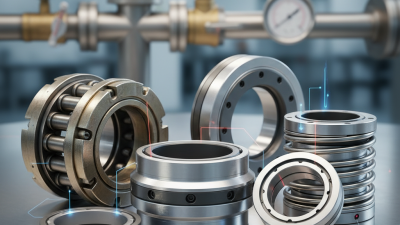
In the fluid dynamics and mechanical engineering sectors, seal components play a crucial role. As industry expert Dr. Emily Johnson states, "Seal components are essential for preventing leaks and ensuring system integrity." This highlights their importance in various applications, from automotive systems to aerospace technologies.
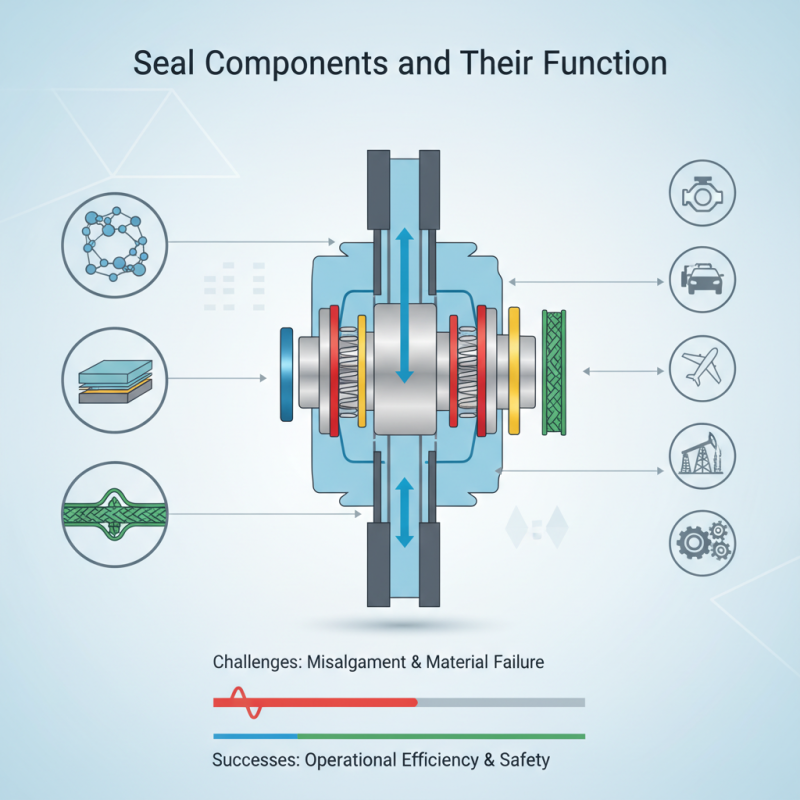
Seal components ensure operational efficiency and safety by preventing unwanted fluid escape. In industries ranging from oil and gas to manufacturing, their reliability is paramount. Yet, challenges remain. Misalignments or incorrect materials can lead to failure. Such issues necessitate ongoing research and development to improve these essential components.
Understanding seal components requires more than surface knowledge. It involves grasping the mechanisms and materials that make them effective. Each application may have unique demands, influencing the choice of seals. With continuous advancements, it is vital to reflect on both successes and shortcomings in designs and functions. Only then can we enhance their effectiveness in demanding environments.
What are Seal Components?
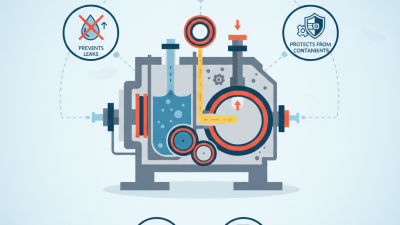
Seal components play a vital role in various industrial applications. They are designed to prevent leakage, contamination, and wear in machinery. A seal's primary function is to create a barrier that keeps fluids or gases contained. This is essential for the efficient operation of systems like engines, pumps, and pipelines. Different types of seals exist, including o-rings, gaskets, and mechanical seals, each serving specific purposes.
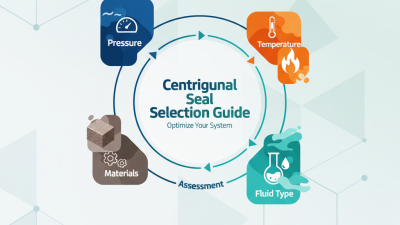
These components are typically made from materials like rubber, silicone, or metal. The choice of material depends on the application requirements, such as temperature, pressure, and chemical exposure. In environments with high temperatures, for instance, silicone seals are often preferred due to their durability. Selecting the right seal component can significantly impact system longevity and performance.
Tips: Always check compatibility between seal materials and the fluids they will encounter. A mismatch can lead to failure over time. Regular maintenance is crucial. Inspect seals periodically for wear and replace them when needed. This proactive measure can prevent costly downtime and repairs. Overall, paying attention to detail in selecting and maintaining seal components can enhance operational efficiency.
Types of Seal Components and Their Materials
Seal components play a crucial role in ensuring the integrity of systems in various industries. They are often made from different materials, each suited for unique applications. Common types include O-rings, gaskets, and seals, which can be crafted from rubber, silicone, or metal composites. According to a recent industry report, the global sealing solutions market is projected to reach $75 billion by 2026, indicating substantial demand for innovative materials and designs.
Rubber seals are commonly used due to their flexibility and durability. Silicone seals excel in high-temperature environments, often found in automotive or aerospace applications. Metal seals, on the other hand, are ideal for extreme conditions, such as high pressures and aggressive chemicals. It's essential to select the right material based on the application requirements. Understanding the service conditions can prevent failures and costly repairs.
**Tip:** Always consult material data sheets for specific properties before making a choice. Different materials may perform well under varied conditions but could fail if misapplied.
The market trends show a shift towards eco-friendly materials. Manufacturers are exploring bio-based options and recyclable materials, aligning with sustainable practices. However, this transition brings challenges in performance and compatibility. More research is needed to ensure these alternatives match traditional materials' effectiveness.
**Tip:** Stay updated on industry innovations. Materials that seem promising today may need refinement over time to meet operational needs.
What is Seal Components and How Do They Function in Various Applications? - Types of Seal Components and Their Materials
| Seal Type |
Material |
Application |
Temperature Range (°C) |
Pressure Range (MPa) |
| O-Ring |
Nitrile Rubber (NBR) |
Hydraulic Systems |
-40 to 100 |
Up to 20 |
| Lip Seal |
Fluoroelastomer (FKM) |
Automotive Engines |
-20 to 200 |
Up to 10 |
| Gasket |
Graphite |
Piping and Flanges |
-50 to 300 |
Up to 25 |
| V-Ring |
Polyurethane |
Rotating Shafts |
-30 to 80 |
Up to 8 |
| Diaphragm Seal |
PTFE |
Pressure Measurement |
-40 to 120 |
Up to 40 |
Functions of Seal Components in Different Applications
Seal components play a crucial role in various applications across multiple industries. Their primary function is to prevent leaks and maintain the integrity of systems. For instance, in hydraulic systems, seals help to contain fluids, ensuring efficient operation. In automotive contexts, they prevent oil leakage, enhancing engine performance and longevity. The design of seals varies, reflecting the unique requirements of each application.
In addition to leakage prevention, seals also reduce friction between moving parts. In machinery, this minimizes wear and tear, prolonging lifespan. Seals are found in appliances, too. They keep air in and moisture out, crucial for refrigeration systems. However, selecting the wrong seal type can lead to product failure. Regular maintenance and checks are vital to ensure seals are functioning correctly.
Different environments demand specific sealing materials. Extreme temperatures or chemical exposure can degrade some materials quickly. This is an area worth addressing; improper choices may result in costly breakdowns. Understanding the requirements for seal components is essential, yet many overlook this aspect. Proper training and knowledge can significantly improve reliability and performance in various applications.
Importance of Seal Components in Industry and Maintenance
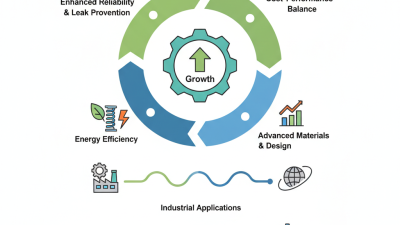
Seal components play a crucial role in many industries, ensuring systems operate smoothly and efficiently. They prevent leaks and contain various fluids, which is essential in equipment ranging from engines to hydraulic systems. Without effective seals, machinery can fail. This results in costly downtimes and repairs. Every industry depends on these components to maintain operational integrity.
In maintenance, understanding seal components is vital. These parts must be regularly inspected and replaced as they wear out. Ignoring worn seals can lead to larger mechanical issues. Maintenance teams need to be trained to identify potential seal failures early. This proactive approach minimizes risks and safeguards investments in technology and machinery. However, even experienced technicians can overlook small signs of wear. Regular training and updates on best practices are necessary. Investing in knowledge can prevent future problems and improve reliability across various applications.
Importance of Seal Components in Various Industries
Future Trends in Seal Technology and Innovations
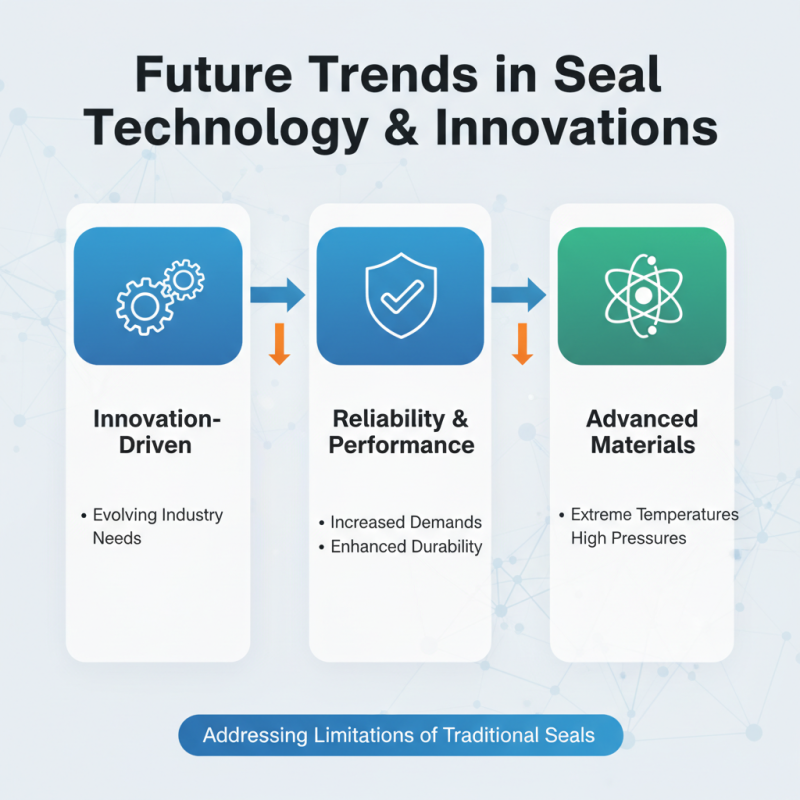
The future of seal technology is bright, driven by innovation and evolving industry needs. Industries are increasingly demanding more reliable sealing solutions. As a result, manufacturers are exploring advanced materials that enhance durability and performance. These materials often withstand extreme temperatures and pressures, addressing issues that traditional seals could not.
One exciting development is the integration of smart technology into seals. Smart seals can monitor their own integrity. They can detect leaks or failures in real-time, which enhances safety and reduces downtime. This proactive approach can save significant costs over time. However, the reliance on technology can also raise questions about complexity and the need for maintenance.
Sustainability is another focus area in seal innovation. Many companies are shifting towards eco-friendly materials. While this is commendable, it brings challenges in terms of performance and longevity compared to traditional options. Striking a balance between sustainability and efficiency remains a priority yet an ongoing challenge. As the industry evolves, stakeholders must remain vigilant about using these innovations effectively.