Why Are Pump Seal Kits Essential for Maintaining Equipment Performance?
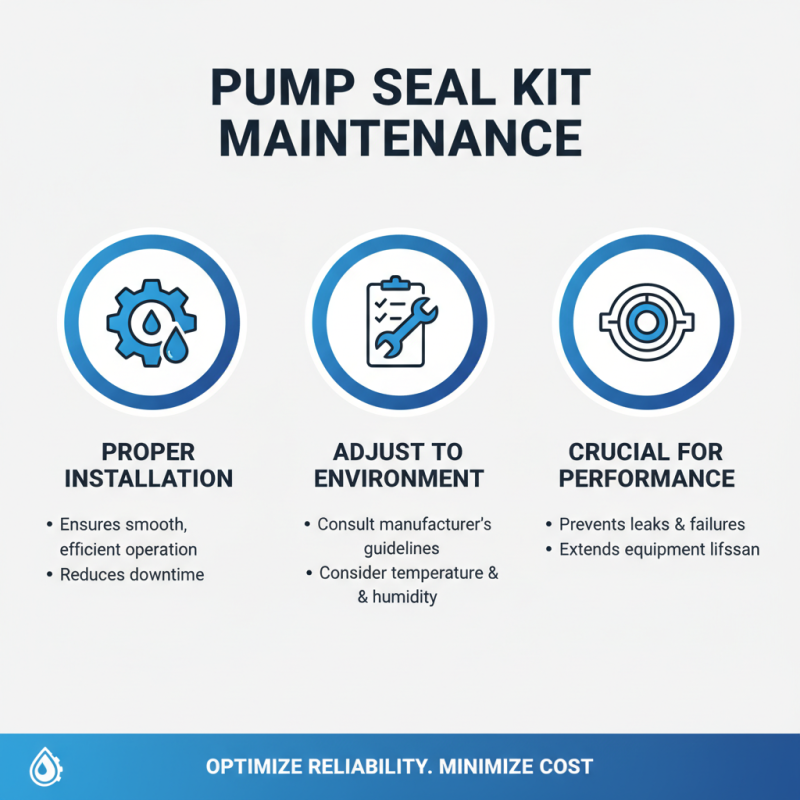
Pump Seal Kits play a vital role in the efficiency of various machinery. These kits ensure that pumps function smoothly and effectively. A well-maintained pump can save a company time and money. Regular use of pump seal kits aids in preventing leaks and product loss.
Without proper seals, systems may face serious operational challenges. Equipment may experience wear and tear, leading to costly repairs. Over time, these issues can become more severe. Regularly replacing pump seals can enhance the lifespan of machinery. This proactive approach helps avoid unexpected downtimes and failures.
However, the importance of pump seal kits is sometimes overlooked. Some may ignore the need for consistent maintenance until issues arise. By then, the damage may already be substantial. Reflecting on equipment performance is crucial. Companies must prioritize using pump seal kits for optimal functionality and reliability.
Importance of Pump Seal Kits in Equipment Performance Maintenance
Pump seal kits play a crucial role in maintaining equipment performance across various industries. According to industry reports, up to 25% of pump failures result from seal-related issues. This highlights the need for effective sealing solutions. High-quality seals prevent leaks, reduce downtime, and enhance overall efficiency.
Moreover, studies reveal that regular maintenance, which includes seal kit replacements, can extend pump life by up to 30%. Neglecting seal maintenance often leads to catastrophic failures, resulting in significant repair costs and productivity loss. Many operators overlook this aspect, assuming seals last indefinitely. However, environmental factors like temperature and pressure can impact their lifespan.
The right pump seal kits can sustain optimum performance even under severe conditions. An efficient seal minimizes friction, which translates to energy savings. In fact, energy losses from inefficient seals can account for up to 12% of total energy use in pumping systems. Understanding the importance of these kits is essential for achieving long-term operational success.
Why Are Pump Seal Kits Essential for Maintaining Equipment Performance?
| Aspect |
Importance |
Benefits |
Impact on Performance |
| Leak Prevention |
Prevents fluid leakage |
Reduces waste and maintains system pressure |
Enhances overall equipment reliability |
| Efficiency |
Maintains optimal performance |
Saves energy and operational costs |
Ensures predictable operational outcomes |
| Part Replacement |
Extends component lifespan |
Minimizes downtime and maintenance frequency |
Improves return on investment (ROI) |
| Compatibility |
Suitable for diverse applications |
Simplifies inventory management |
Facilitates seamless equipment integration |
| Safety |
Reduces risk of accidents |
Protects operators and environment |
Boosts overall operational safety standards |
Common Problems Caused by Worn or Damaged Pump Seals
Worn or damaged pump seals can lead to significant issues in equipment performance. When seals fail, leaks occur, resulting in fluid loss. This not only affects operational efficiency but can also lead to environmental concerns. In many cases, these leaks are unnoticed until substantial damage has been done.
Another common problem is contamination. When seals wear out, dirt and debris enter the system. This can cause wear on internal components, leading to costly repairs. Operators may observe unusual noises or vibrations, signals of internal problems. Ignoring these signs can lead to more severe breakdowns.
Inadequate sealing also affects pressure levels. Low pressure can hinder pump efficiency, resulting in poor performance. Sometimes, users overlook minor leaks, thinking they are harmless. However, without prompt attention, these can escalate into major faults. Each small issue can teach valuable lessons about the importance of regular maintenance and prompt repairs.
Regular inspections can prevent these problems, ensuring smooth operation.
Components of a Typical Pump Seal Kit and Their Functions
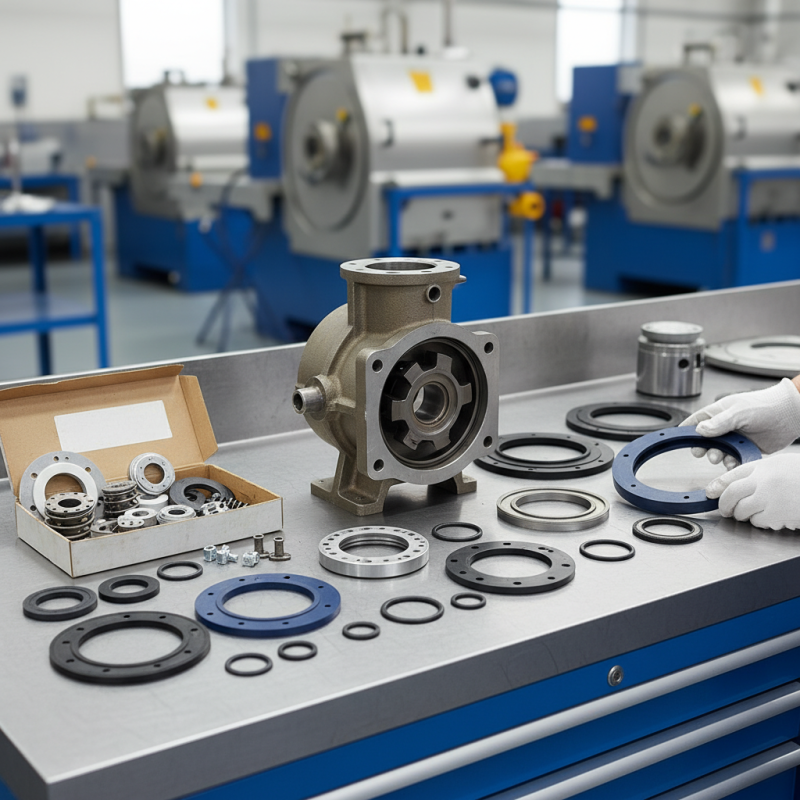
Pump seal kits play a crucial role in maintaining equipment performance and preventing leaks. A typical pump seal kit consists of several essential components. These include sealing rings, O-rings, and retaining rings. Each part serves a specific function to ensure proper sealing.
Sealing rings provide the primary barrier against leakage. They adapt to the pump's environment, preventing the escape of liquids. O-rings, often made from rubber or other flexible materials, help maintain the integrity of the seal. They can withstand various temperatures and pressures, making them vital. Retaining rings ensure that all components remain in place, preventing wear and tear. Studies show that nearly 30% of pump failures are due to seal failures. Hence, maintaining these components is essential for optimal performance.
Regular inspections of pump seal kits can save significant costs. The cost of replacing seals is relatively low compared to potential downtime. In some cases, equipment downtime can exceed 100 hours. This translates to financial losses in the range of thousands to millions of dollars. Reflecting on the importance of these kits, it's clear that their maintenance is often overlooked, which can lead to larger failures down the line.
Impact of Regular Maintenance on Equipment Longevity and Efficiency
Regular maintenance is crucial for maximizing the lifespan and efficiency of equipment. According to a report by the National Association of Manufacturers, businesses can lose up to 20% of their productivity due to equipment failure. This statistic emphasizes the importance of routine checks and maintenance practices. Pump seal kits play a vital role in this process. When seals degrade, leaks can occur, leading to inefficient operation and increased energy consumption.
Ignoring maintenance tasks can result in severe consequences. Equipment may operate below optimal levels, causing unnecessary strain. One study indicated that neglecting pump maintenance could reduce operational efficiency by as much as 30%. In contrast, regular upkeep, including timely seal replacements, can boost performance. The lifeblood of machines often lies in their seals. However, organizations sometimes overlook this aspect, leading to costly repairs.
The right maintenance habits can significantly improve equipment longevity. A survey found that companies that implement proactive maintenance strategies see a 25% lower risk of sudden failures. Investing in pump seal kits can prevent potential downtime. It is evident that overlooking maintenance not only hinders performance but also raises costs. Thus, the focus should remain on maintaining equipment in top condition.
Impact of Regular Maintenance on Equipment Longevity and Efficiency