What is a Pump Seal Kit and How Does It Function?
Pump Seal Kits play a crucial role in ensuring the efficiency and longevity of pumps across various industries. These kits provide essential components needed to prevent leaks and protect internal parts from wear and tear. According to a report by Technavio, the global pump market is expected to grow by over $2 billion by 2024, emphasizing the importance of reliable pump maintenance solutions like Pump Seal Kits.
In industries such as oil and gas, chemical processing, and water treatment, the integrity of pumps is vital. A minor leak can lead to significant operational costs and environmental issues. It is estimated that improper sealing can lead to 20% of production losses in these sectors. The demand for high-quality Pump Seal Kits is evident in these statistics. Users often overlook the importance of regular maintenance, which can eventually lead to costly downtime.
While Pump Seal Kits are critical for optimal pump performance, there is still a gap in awareness regarding the proper selection and installation of these kits. Many operators do not realize that even small inconsistencies in installation can lead to failures. This highlights the need for more education and reflection on pump maintenance practices in the industry.
What is a Pump Seal Kit?
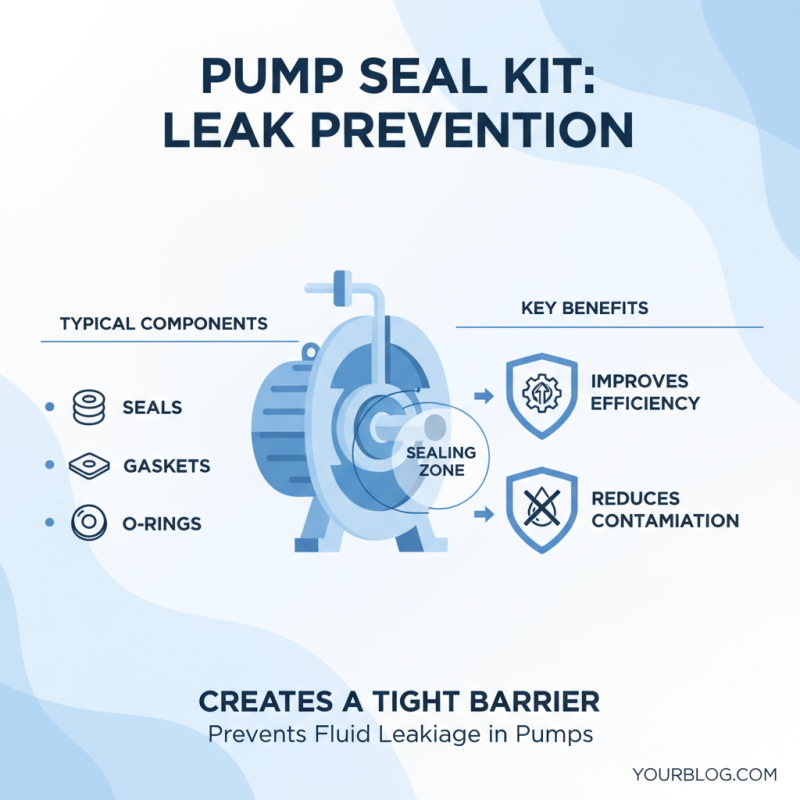
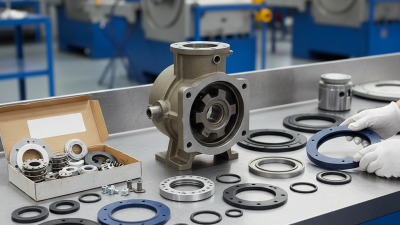
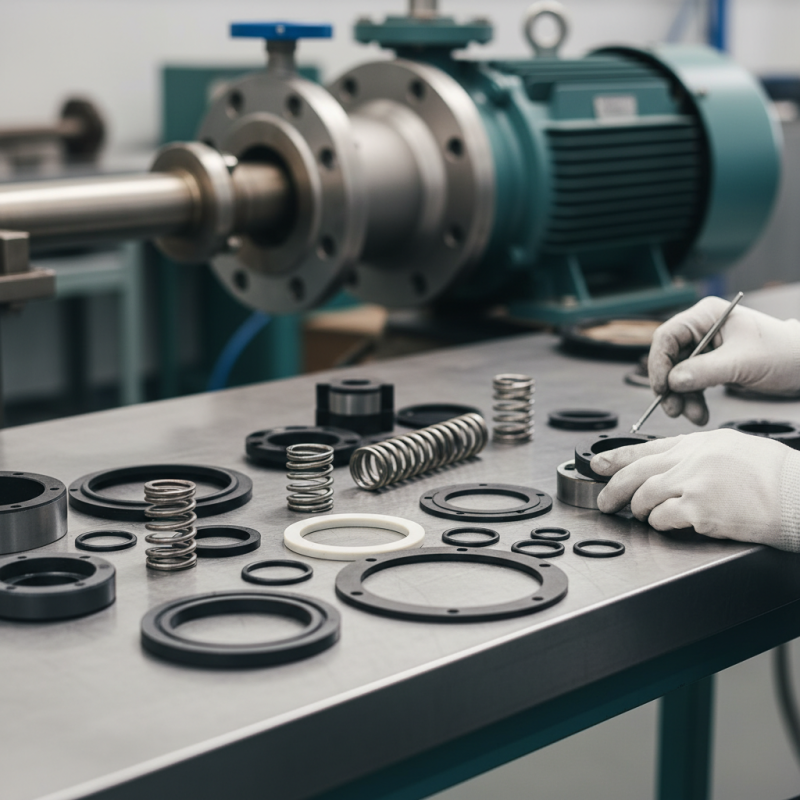
A pump seal kit is a collection of components designed to prevent fluid leakage in pumps. It typically includes seals, gaskets, and O-rings. These parts work together to create a tight barrier around the rotating shaft of the pump. This helps in maintaining the pump's efficiency and reduces contamination risks.
When a pump operates, high-pressure fluids can cause wear on seals over time. A pump seal kit helps in replacing these worn-out components. This ensures the pump runs smoothly. It's surprising how crucial these small parts are to overall pump performance. Without them, even a minor leak can escalate into major issues.
Installation of a seal kit can be tricky. A few mistakes are easy to make. For example, misalignment of the seals can lead to failure. Regular maintenance and inspection are vital. Learning from each experience helps in future applications. A seal kit may seem simple, but its function is critical.
Components of a Pump Seal Kit
A pump seal kit is essential for ensuring the effective operation of pumps. Its components work together to create a reliable seal, preventing leaks and maintaining pressure. Understanding these components is crucial for anyone involved in pump maintenance.
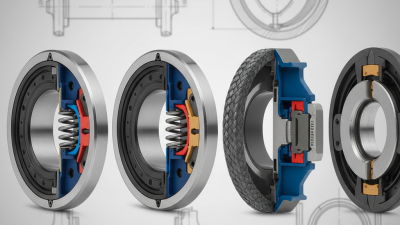
The most significant component is the primary seal. It sits directly between the rotating shaft and the stationary pump housing. The primary seal creates a barrier against fluid leakage. Other important parts include O-rings, which provide additional sealing surfaces. The O-rings must be checked for wear. If damaged, they lead to leaks that can disrupt pump function.
There are also wear rings. These help to guide the rotor and maintain alignment within the pump. Proper installation is vital. A misalignment can cause premature wear. Lastly, the compression springs assist in maintaining the proper position of the seal. If the springs are weak, the seal might not be effective. Regular inspection of these components can extend pump life. Yet, many overlook this step, leading to potential problems.
How a Pump Seal Kit Works
A pump seal kit is essential for maintaining pump efficiency. It prevents leakage and ensures the smooth operation of the pump. The kit typically contains seals, O-rings, and gaskets tailored for specific pump models. Each component plays a vital role in creating a secure barrier.
When the pump operates, pressure builds within. The pump seal kit withstands this pressure, stopping any fluid from leaking out. A worn-out seal can lead to failure, causing costly downtime. Regular maintenance is crucial. Inspect the seals for wear and replace them as needed.
**Tips:** Always check the installation manual. Ensure each part is compatible. Often, the smallest detail can make a significant difference. Also, don’t ignore signs of wear. A minor issue can escalate quickly, leading to major repairs. Keeping spare kits on hand is wise for any operation.
Be mindful of these factors. Over time, seals can harden or degrade. They might not always show visible damage. Regular checks can prevent bigger problems in the future. Don't wait until a leak appears to take action. Being proactive can save time and resources.
Common Applications of Pump Seal Kits
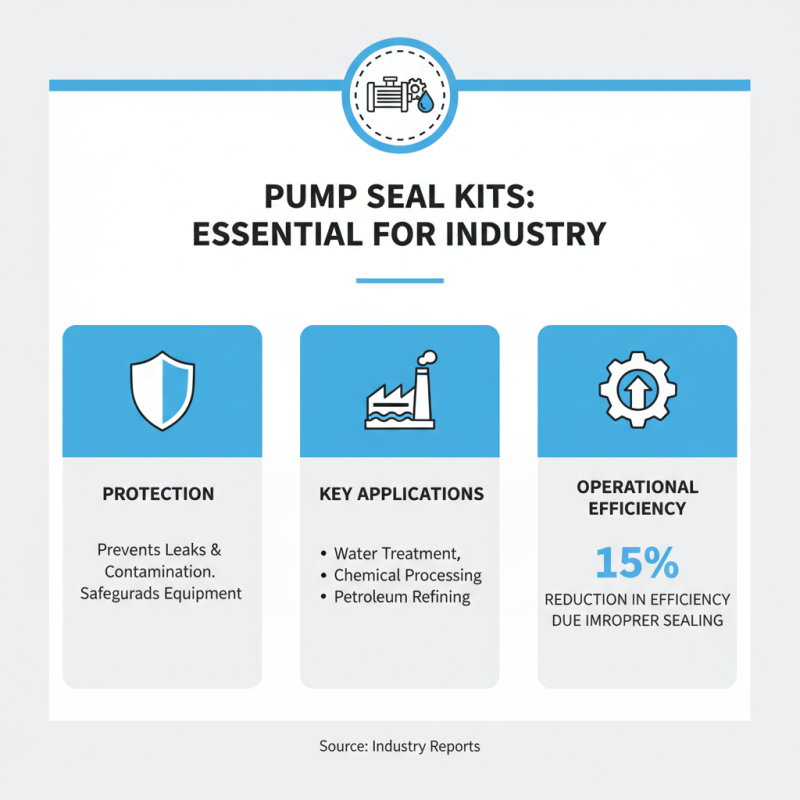
Pump seal kits are crucial in various industries. They protect pumps from leaks and contamination. Common applications include water treatment, chemical processing, and petroleum refining. In water treatment, for instance, seal kits prevent fluid loss, ensuring system efficiency. According to industry reports, improper sealing can lead to a 15% reduction in operational efficiency.
In chemical processing, pump seal kits resist aggressive chemicals. This durability minimizes downtime and reduces maintenance costs. A study by a leading industry analyst highlighted that 30% of pump failures stem from seal failures. Thus, investing in quality seal kits can enhance operational reliability.
**Tips:** Regular maintenance of pump seals is vital. Inspect seals for wear and replace them when necessary. This proactive approach can save time and resources in the long run. Consider monitoring conditions like temperature and pressure to maximize seal lifespan. Small adjustments lead to significant improvements in performance.
Maintenance Tips for Pump Seal Kits
Maintaining a pump seal kit is essential for optimal performance. Regular inspection of the seals can prevent leaks and extend the life of your pump. You should check for wear and tear every few months. A visual inspection is often enough. Look for cracks, fraying, or any other signs of damage.
Proper lubrication is crucial. Make sure to use the correct type based on the manufacturer’s guidelines. Sometimes, the wrong lubrication can do more harm than good. Be mindful of the environment in which the pump operates. Dust and debris can affect its functionality. Clean the area around the pump often to avoid these issues.
When replacing seals, ensure the new ones are the right size. An improper fit can lead to leaks and inefficiency. Don’t rush the installation. Take time to properly align everything. This process can be tricky. Regular maintenance, though sometimes overlooked, pays off in the long run.
What is a Pump Seal Kit and How Does It Function? - Maintenance Tips for Pump Seal Kits
| Component |
Function |
Material |
Maintenance Tips |
| Mechanical Seal |
Prevents leakage between the pump shaft and housing |
Ceramic/Carbon |
Inspect regularly for wear; replace if leaking |
| O-Rings |
Seals static and dynamic applications |
Nitrile Rubber |
Check for cracks; replace every few years |
| Gaskets |
Provides sealing between two mating surfaces |
EPDM Rubber |
Replace if damaged; ensure proper alignment during installation |
| Bushings |
Supports shaft and reduces friction |
Bronze |
Lubricate regularly; inspect for wear |
| Retaining Rings |
Keeps components in place |
Stainless Steel |
Check for corrosion; ensure proper fit |