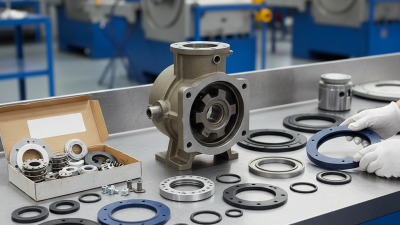
Why is a Water Pump Shaft Seal Important for Engine Performance?
The importance of a Water Pump Shaft Seal in engine performance cannot be overstated. According to John Smith, a renowned expert in automotive engineering, "The seal is crucial for a reliable water pump function." This statement highlights the essential role that this component plays in maintaining optimal engine temperature.
A malfunctioning Water Pump Shaft Seal can lead to significant issues. It may cause coolant leaks, potentially leading to engine overheating. Moreover, an imperfect seal results in the loss of pressure. This can hinder the water pump’s efficiency, creating a cascade of problems throughout the cooling system.
Proper maintenance and replacement of the Water Pump Shaft Seal are vital. Neglecting it can lead to more severe engine damage. In an industry where precision matters, even minor flaws can have drastic consequences. Reflecting on these details can help car owners avoid costly repairs and ensure their vehicles operate smoothly.
Understanding the Role of Water Pump Shaft Seal in Engine Cooling
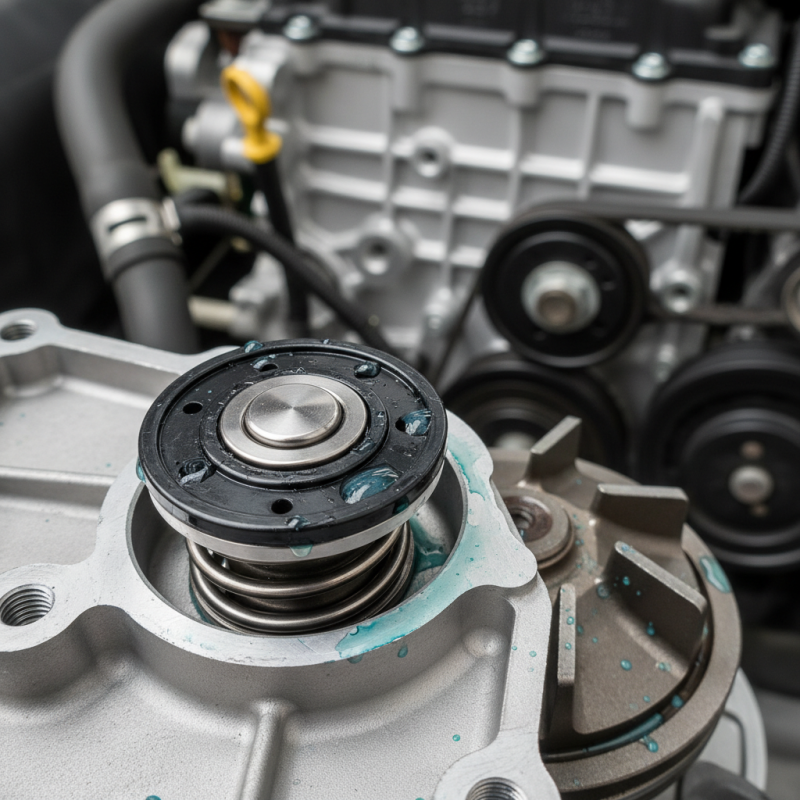
The water pump shaft seal plays a crucial role in engine cooling. It prevents coolant leaks from the water pump, ensuring that the engine maintains the right operating temperature. When the seal fails, coolant can escape, leading to overheating. Research indicates that a leaky seal can drop cooling efficiency by over 30%. This often results in increased wear on engine components.
Moreover, the seal must withstand high pressures and temperatures. A poor-quality seal may deteriorate faster, leading to coolant loss. Data shows that about 10% of cooling system failures can be traced back to shaft seal degradation. This issue can go unnoticed, affecting engine performance over time. A small leak can lead to significant damage, and eventually require costly repairs.
Regular inspection of the water pump shaft seal is advised. Many vehicle owners overlook this component, which can be detrimental. Maintaining the integrity of the seal can enhance engine lifespan and performance. Interestingly, some mechanics recommend replacing the seal even during scheduled water pump replacements. This preventive measure can save time and money in the long run.
Why is a Water Pump Shaft Seal Important for Engine Performance?
| Aspect |
Importance |
Impact on Engine |
| Seal Integrity |
Prevents coolant leakage |
Maintains optimal engine temperature |
| Heat Management |
Ensures efficient heat removal |
Prevents overheating |
| Wear Resistance |
Durability under high temperatures |
Extends water pump life |
| Fluid Dynamics |
Optimizes coolant flow |
Improves overall engine efficiency |
| Maintenance Significance |
Requires periodic inspection |
Reduces risk of costly repairs |
Impact of Water Pump Seal Integrity on Engine Performance
The integrity of a water pump seal plays a critical role in engine performance. A compromised seal can lead to coolant leaks, affecting the engine’s temperature regulation. According to industry reports, even a small leak can result in a loss of up to 10% of the coolant. This loss may cause overheating, which can damage engine components over time.
Moreover, a failing water pump seal can also impact fuel efficiency. Studies indicate that engines running at high temperatures consume fuel less efficiently. When the seal fails, the water pump's ability to circulate coolant diminishes. This inefficiency can lead to increased operational costs. Regular maintenance is essential, but many overlook the water pump seal until problems arise.
Interestingly, many drivers are unaware of the importance of this component. A common misconception is that as long as the engine runs smoothly, all parts are functional. However, neglecting the water pump seal can result in more severe and costly repairs. Monitoring the seal's condition can prevent future headaches and extend overall engine life.
Common Causes of Water Pump Shaft Seal Failure
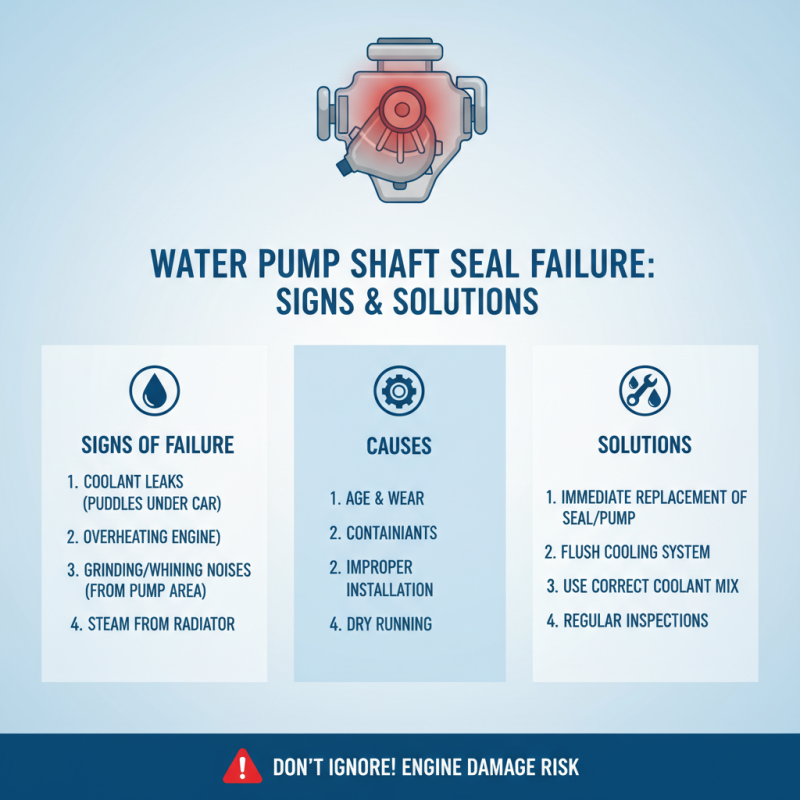
A water pump shaft seal plays a critical role in engine performance. When it fails, various issues can arise. Overheating is a common result. If the seal leaks, coolant escapes. This leads to engine parts running too hot. Eventually, it can cause significant damage.
Another common cause of failure is wear and tear. Seals can degrade over time due to heat and vibrations. Any small cracks can worsen quickly. Neglecting regular maintenance increases the risk. Sometimes, a poorly installed seal can lead to leaks. Even minor alignment issues matter.
Tips: Always check your coolant levels. Regular inspections can catch leaks early. If you notice a drop in coolant, investigate. Prevention is often easier than repair. Stay alert for unusual sounds; they can signal a failing pump. Address issues promptly to avoid costly repairs.
Maintaining Water Pump Shaft Seals for Optimal Engine Efficiency
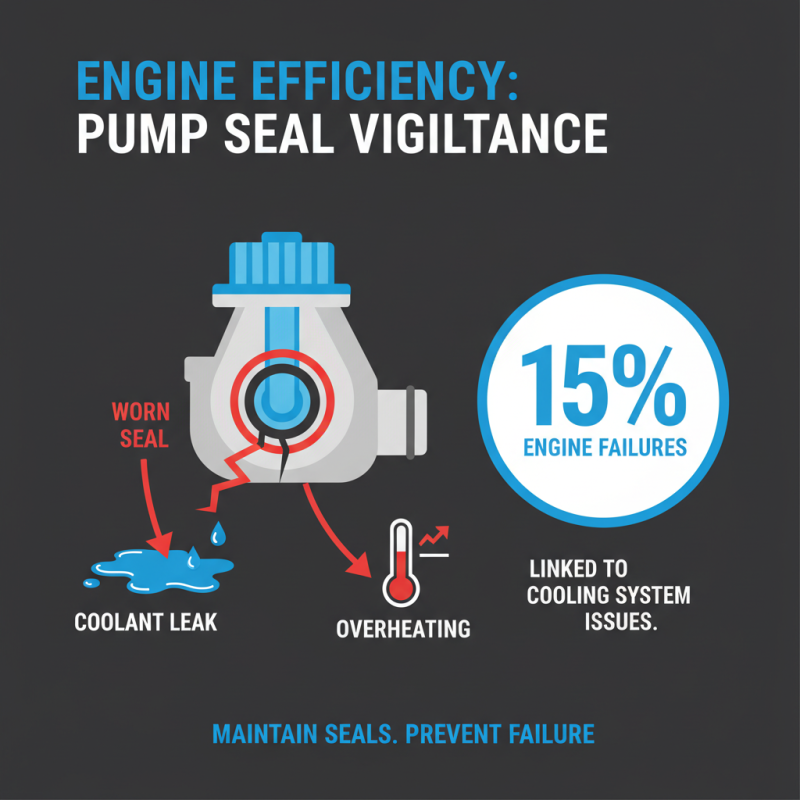
Maintaining water pump shaft seals is crucial for engine efficiency. A worn seal can lead to coolant leaks, causing overheating. Studies indicate that 15% of engine failures are linked to cooling system issues. This statistic emphasizes the need for vigilance.
Regular inspection and replacement of seals can enhance performance. A fresh seal reduces friction and promotes smoother operation. Engines with well-maintained seals can improve fuel efficiency by up to 5%. This percentage may seem small, but it can make a significant difference over time.
Ignoring seal maintenance can lead to costly repairs. In some cases, engine components can be damaged due to failed seals. A simple check can prevent these issues. Experts suggest inspecting water pump shaft seals every 30,000 miles. Neglecting this can result in more problems than anticipated, costing both time and money.