10 Essential Tips for Choosing the Right Oil Pump Seals for Your Needs
Choosing the right oil pump seals can significantly impact equipment performance and longevity. According to John Smith, a leading expert in the oil seal industry, “Precision in seal selection leads to efficiency and reduced downtime.” This underscores the importance of understanding specific needs before making a choice.
The variety of oil pump seals available can be overwhelming. Selecting the right seal is crucial for avoiding leaks and ensuring optimal function. Experts recommend considering factors like material compatibility and environmental conditions. Each application presents unique challenges. Thus, a reflective approach is necessary.
Understanding your requirements can help narrow down choices. It’s essential to ask, “What environment will this seal operate in?” or “What material properties are needed?” Simple inquiries can lead to better decisions. Ultimately, choosing the right oil pump seals is a balance of knowledge and careful consideration.
Understanding the Functionality of Oil Pump Seals
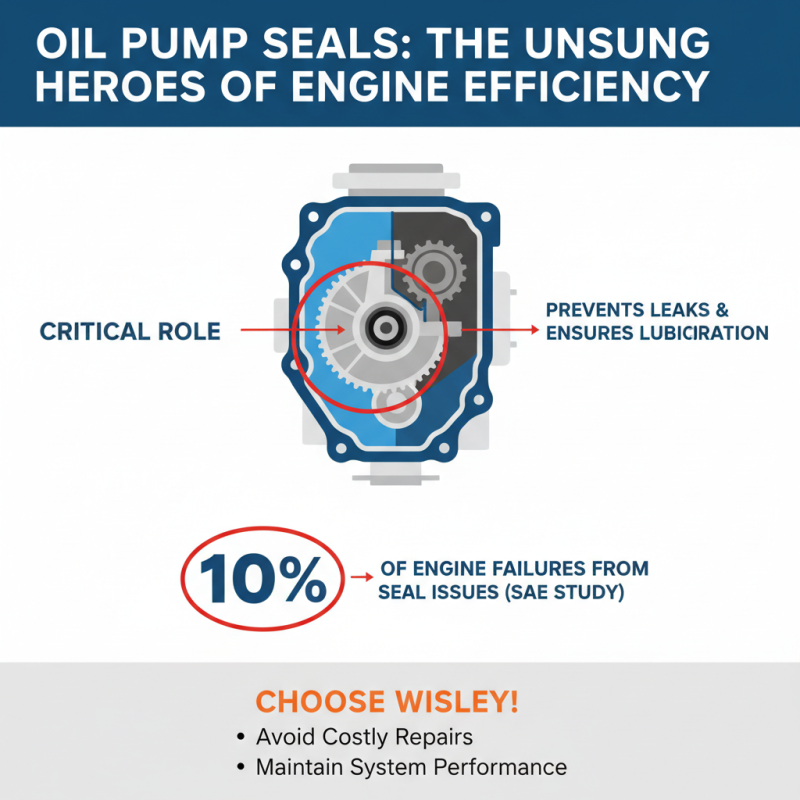
Oil pump seals play a critical role in maintaining system efficiency. They prevent leaks and ensure proper lubrication within the engine. If not chosen correctly, the consequences can be severe. A study by the Society of Automotive Engineers noted that approximately 10% of engine failures stem from seal-related issues.
Understanding the functionality of oil pump seals is vital. These seals must withstand high pressure and varying temperatures. The material used can influence performance. For instance, elastomers are resistant to oil but may degrade under extreme heat. A report by the American Society for Testing and Materials highlighted that seals can lose integrity after prolonged exposure to specific fluids.
Choosing the right seal involves balancing cost and quality. Inexpensive options may seem appealing, but they often lack durability. A significant percentage of mechanical failures are attributed to subpar materials. Identifying the operational environment and stress factors is essential. Effectively, the right oil pump seal can enhance longevity and productivity in machinery.
Key Factors Influencing Oil Pump Seal Selection
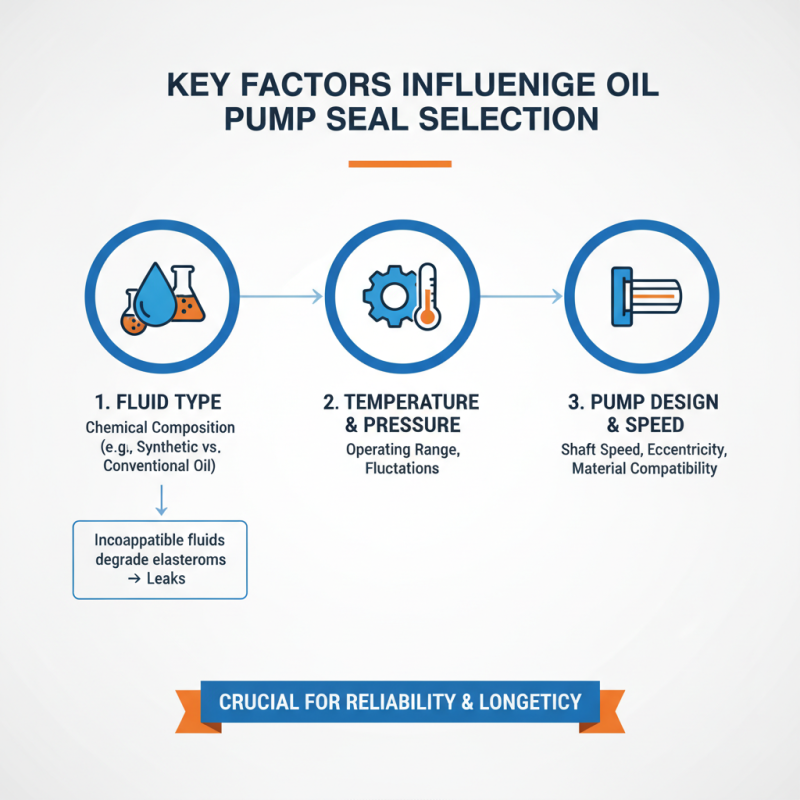
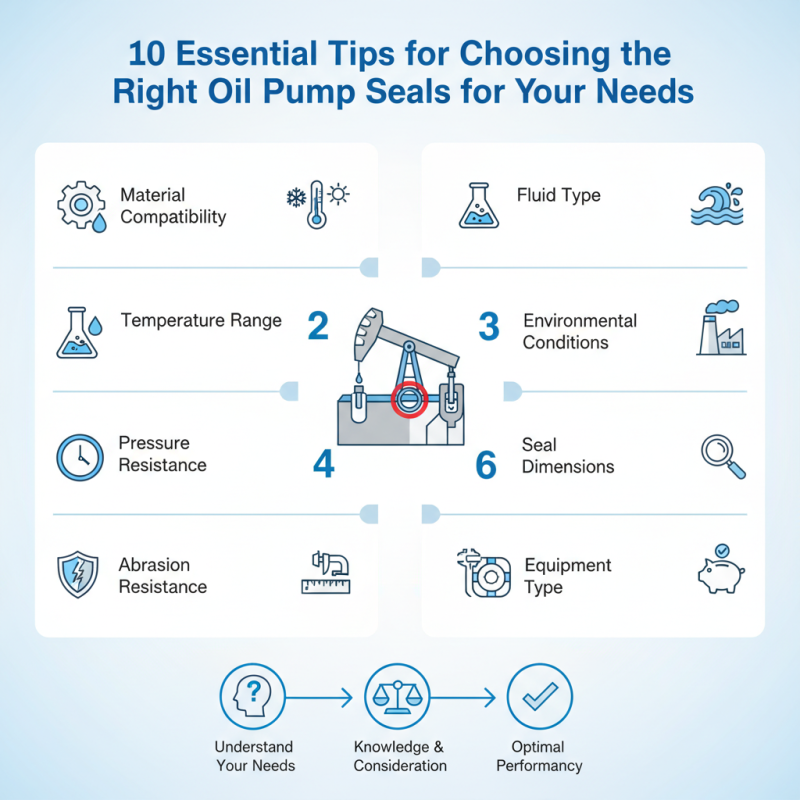
Choosing the right oil pump seal is crucial. Several key factors influence seal selection significantly. The fluid type is paramount. Different oils have varying chemical compositions. Some seals perform poorly with specific fluids. For example, synthetic oils can degrade certain elastomers faster, leading to leaks.
Temperature and pressure ratings also play a vital role. High temperatures may soften some materials quickly. In contrast, low temperatures can make others too brittle. According to industry data, about 30% of oil pump failures are linked to seal issues caused by improper temperature ranges.
Another factor is the application environment. Exposure to contaminants can reduce seal lifespan. For instance, dirt and debris can cause premature failure. Each application has unique requirements and challenges. Thus, a one-size-fits-all approach rarely works well. Identifying the specific environment and operational conditions is essential. Taking these aspects into account can prevent costly downtime and ensure optimal performance, yet many still overlook them.
Types of Materials Used in Oil Pump Seals
Choosing the right material for oil pump seals is crucial. Various materials serve different functions. Understanding these can save time and enhance efficiency.
Rubber is a common choice. It offers flexibility and a good seal under normal conditions. EPDM rubber withstands high temperatures. However, it may degrade in oil. This is a concern for many users. In fact, research shows that nearly 30% of seal failures relate to material incompatibility.
PTFE is another option. It has excellent chemical resistance. It performs well in harsh environments. However, PTFE may be too rigid for some applications. This can lead to inadequate sealing in specific situations.
Polyurethane also finds its place. It combines durability with resistance to wear. Its flexibility allows for better sealing in dynamic applications. Yet, it is often more expensive. Many industries weigh the cost against benefits carefully. Data indicates that seal material choices can impact system longevity by up to 40%.
Choosing the right material is no easy task. Users must consider environmental factors. Not all seals are equal. Each option has its trade-offs. Many factors can lead to less than ideal outcomes. Understanding the specifics allows for better decisions.
Common Applications of Oil Pump Seals in Various Industries
Oil pump seals play a crucial role in various industries. These seals prevent leaks and ensure efficient operation. They are widely used in automotive, manufacturing, and marine applications. In automobiles, oil pump seals maintain lubrication in engines. This prevents wear and extends engine life. In manufacturing, they help keep machinery running smoothly. Leaks can lead to costly downtime.
Marine applications also depend heavily on these seals. Boats and ships rely on them to keep oil contained. A malfunction could cause environmental hazards or engine failure. Choosing the right seal is not always straightforward. Some may overlook the specific requirements of their machinery or operating conditions. This can lead to poor performance or frequent replacements.
Many industries experience challenges when selecting oil pump seals. Lack of knowledge about material compatibility can cause issues. Seals should endure various temperatures and pressures. The wrong choice may result in early failure. Regular maintenance and inspections are essential. They help identify potential problems before they worsen.
10 Essential Tips for Choosing the Right Oil Pump Seals for Your Needs
| Industry |
Common Applications |
Seal Material |
Temperature Range (°C) |
Pressure Range (Bar) |
| Automotive |
Engine Oil Pumps |
Nitrile Rubber |
-40 to 100 |
3-5 |
| Marine |
Lubrication Systems |
Silicone |
-20 to 150 |
5-7 |
| Industrial |
Hydraulic Pumps |
Polyurethane |
-30 to 80 |
6-12 |
| Aerospace |
Fuel Pumps |
Fluoroelastomer |
-40 to 200 |
8-15 |
| Food & Beverage |
Pumping Edible Oils |
EPDM |
-10 to 120 |
3-6 |
Maintenance Tips for Prolonging the Life of Oil Pump Seals
Oil pump seals play a critical role in maintaining the efficiency of your equipment. To prolong their lifespan, regular maintenance is essential. Ensure that they are frequently inspected for signs of wear. Look for cracks or deformities, as these might indicate more significant problems. If you spot any damage, it's time for replacement.
Another key aspect is cleanliness. Contaminants can quickly wear down seals. Keep the surrounding areas clear of dirt and debris. A clean environment helps maintain the integrity of the seals. Use only non-corrosive cleaning agents to wipe down the components. This will keep everything running smoothly.
Temperature fluctuations can also affect oil pump seals. Regularly check the operating temperatures to ensure they remain within the manufacturer’s recommended range. Excess heat can lead to seal failure. While it’s easy to forget these small details, overlooking them can result in significant issues. Take a moment to reflect on your maintenance practices and make necessary adjustments.
Oil Pump Seals Maintenance Tips