10 Essential Tips for Choosing Metal Mechanical Seals in Industrial Applications?
In modern industrial applications, the choice of a Metal Mechanical Seal is crucial for ensuring operational efficiency and reliability. According to a recent report by the Global Seals Market, over 30% of industrial failures stem from improper seal selection. This statistic highlights the importance of understanding the specific requirements for each application, as the right seal can greatly enhance performance and reduce maintenance costs.
Dr. Emily Johnson, a renowned expert in sealing technologies, states, "Choosing the right Metal Mechanical Seal can prevent significant downtime." Her insight emphasizes that not all seals are created equal. Factors such as temperature, pressure, and fluid compatibility must be carefully evaluated. Failing to consider these elements can lead to premature seal failure and costly disruptions.
Moreover, it's important to recognize that even the best seals have limitations. Some may not withstand extreme conditions, leading to leaks or breakdowns. Regular assessments of seal performance also play a vital role. It's not just about installation; ongoing monitoring can reveal weaknesses that might have been overlooked initially. When selecting Metal Mechanical Seals, a thoughtful and informed approach can mitigate risks and enhance operational success.
Understanding the Functionality of Metal Mechanical Seals in Industries
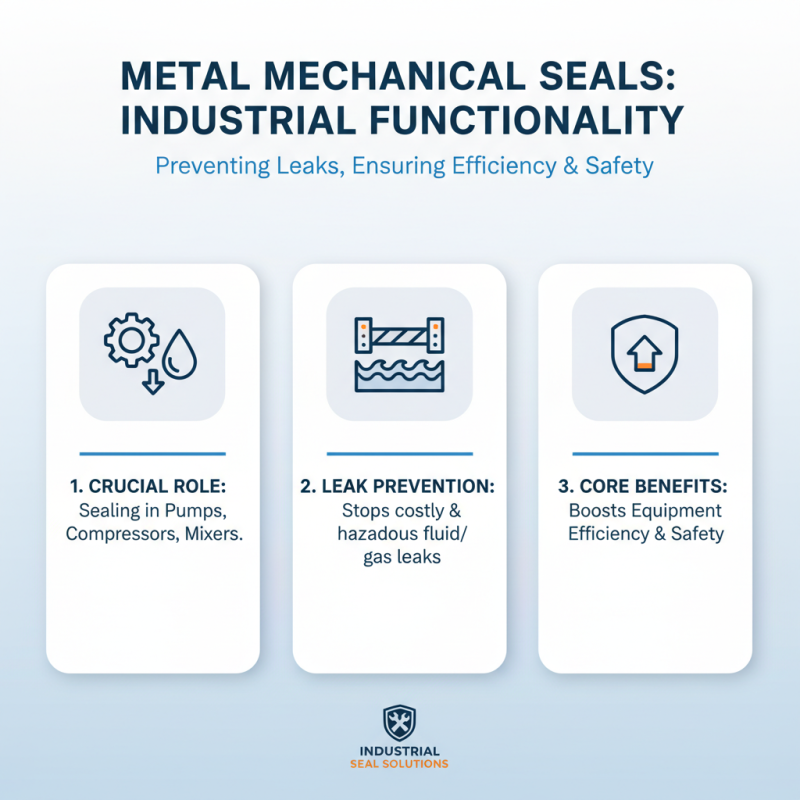
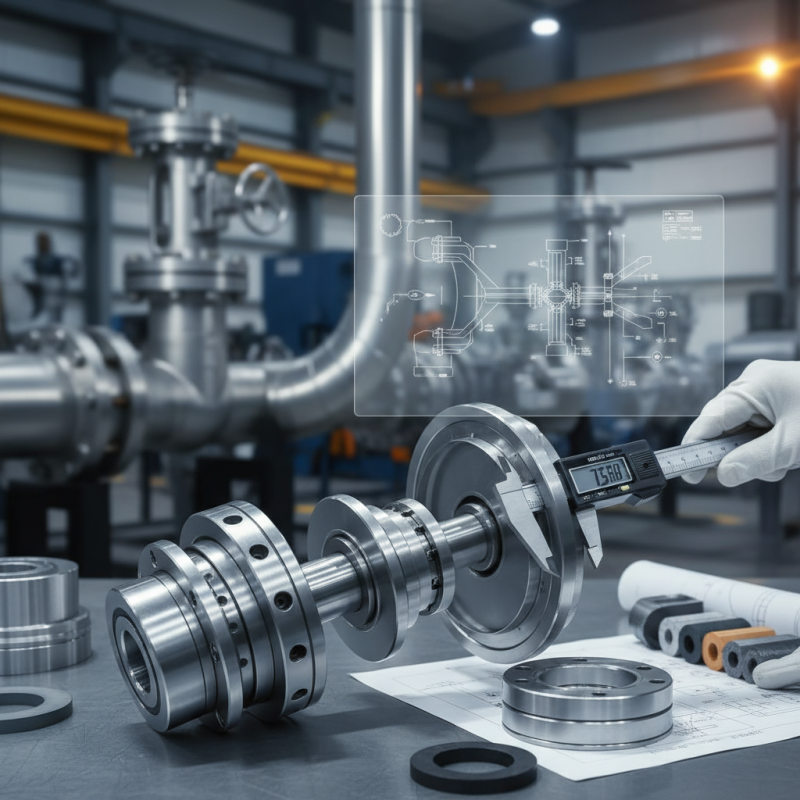
Metal mechanical seals play a crucial role in various industrial applications. They provide effective sealing solutions in pumps, compressors, and mixers. These seals prevent leaks of fluids and gases, which can be costly and hazardous. Their functionality is essential for maintaining equipment efficiency and safety.
In practice, metal mechanical seals operate by using two main components: a rotating part and a stationary part. The contact between these parts creates a tight seal. The material selection for the seal is vital. It must withstand high pressures and temperatures. Choosing the right material often requires careful consideration. Not all metals perform equally under varying conditions.
Installation can also present challenges. Proper alignment is necessary to avoid premature wear. Sometimes, users overlook this and later regret it. Regular maintenance checks are important. Neglecting these can lead to failures, causing downtime and financial loss. Reflecting on these aspects can help in making informed decisions about metal mechanical seals in industrial settings.
Key Factors Influencing the Selection of Metal Mechanical Seals
When selecting metal mechanical seals for industrial applications, key factors must be considered. First, the operating environment plays a crucial role. For example, high temperatures and pressures can degrade materials. According to a report by GlobalData, over 40% of mechanical seal failures are due to improper material selection. Choosing the right material is essential for longevity and performance.
Another critical aspect is chemical compatibility. The seal must withstand the fluids it contacts. Improper compatibility can lead to quick deterioration. It's estimated that up to 25% of seal failures are linked to unsuitable materials for specific chemicals. An evaluation of the specific application can prevent such failures.
Tip: Always evaluate the surface finish of the sealing faces. A smoother finish can improve performance. Additionally, consider the installation conditions. Seals installed incorrectly are a common source of leaks. Trusted sources suggest that thorough training can reduce improper installations by 30%.
Ultimately, selecting metal mechanical seals requires a careful balancing of various factors. It's essential to analyze the specific requirements of your application accurately. Continuous testing and monitoring can uncover flaws in initial selections.
10 Essential Tips for Choosing Metal Mechanical Seals in Industrial Applications
Types of Metal Mechanical Seals and Their Applications
Metal mechanical seals play a vital role in various industrial applications. They are crucial for ensuring fluid containment and preventing leakage. There are several types of metal mechanical seals, each designed for specific environments. For example, bellows seals are often used in pumps due to their flexible structure. These seals can handle misalignments better than rigid types.
According to a market analysis, the global mechanical seals market is expected to reach $6.9 billion by 2027, growing at a CAGR of 6.1%. This growth indicates a rising demand for reliable sealing solutions. Many industries, including oil and gas, chemical processing, and wastewater treatment, rely heavily on these seals. However, selecting the right type can be challenging. Factors like temperature, pressure, and medium compatibility must be considered.
Even with advanced technology, failures do occur. Issues such as misalignment or improper installation can lead to leaks. Maintaining a balance between quality and cost is crucial. Sometimes, the best choice isn’t the most expensive one. Users must weigh options carefully to avoid future headaches. Each application might require a different approach.
10 Essential Tips for Choosing Metal Mechanical Seals in Industrial Applications
| Tip Number |
Tip Description |
Recommended Type |
Common Applications |
| 1 |
Consider the application temperature and pressure limits. |
Spring-energized seals |
High pressure systems |
| 2 |
Select a seal material compatible with the fluid being sealed. |
Stainless steel seals |
Chemical processing |
| 3 |
Assess the operational environment (temperature, humidity, exposure to chemicals). |
PTFE seals |
Food and beverage industries |
| 4 |
Evaluate the required life expectancy of the seal. |
Metal bellows seals |
Pharmaceutical equipment |
| 5 |
Check for compatibility with the drive method (direct drive vs. gear drive). |
Single coil seals |
Pumps and compressors |
| 6 |
Look for seals with a proven track record in similar applications. |
Multi-spring seals |
Water treatment facilities |
| 7 |
Consider ease of installation and maintenance. |
Cartridge seals |
Industrial machinery |
| 8 |
Assess available space for seal installation. |
Compact seals |
Limited space applications |
| 9 |
Evaluate the potential for shaft misalignment. |
Flexible seals |
Rotating equipment |
| 10 |
Consult with experts and vendors for additional insights. |
Hybrid seals |
Specialized industrial tasks |
Common Materials Used in Metal Mechanical Seals and Their Benefits
When it comes to metal mechanical seals, the choice of materials is crucial. Common materials include stainless steel, ceramic, and tungsten carbide. Each material brings unique benefits to industrial applications. For instance, stainless steel is widely used for its corrosion resistance and durability. According to a recent industry report, nearly 70% of companies prefer stainless steel in harsh environments.
Ceramic seals are also gaining popularity. They can withstand high temperatures and pressure variations. This is vital for processes requiring precision. A study indicated that ceramic seals can last twice as long as their metal counterparts under extreme conditions. However, they are more brittle and require careful handling.
Tungsten carbide, known for its hardness, is ideal for high-wear applications. It is often chosen for its ability to maintain a tight seal under friction. Yet, its cost can be prohibitive for some businesses. Selecting the right material is a balancing act. Consider factors like cost, durability, and application requirements. There is no universal answer. Each choice comes with its own set of trade-offs. Understanding these details can lead to better seal performance and reduced downtime.
Maintenance Tips for Optimal Performance of Metal Mechanical Seals
Maintaining metal mechanical seals is essential for optimal performance. Regular inspection helps identify early signs of wear. Look for rust or corrosion on the seal surfaces. A little attention can prevent costly breakdowns later.
Proper lubrication is crucial. Ensure that the seals are regularly greased. Without adequate lubrication, the seals can seize or wear down quickly. Follow manufacturer guidelines for lubricant type and application frequency. It’s easy to overlook this step, but it pays off in the long run.
Keep an eye on operating conditions. High temperatures and pressures can affect seal integrity. If seals are exposed to extreme conditions, consider upgrading to more robust materials. Neglecting this can lead to seal failure, causing production outages. Reflect on past maintenance records; they often reveal patterns. Make adjustments based on these observations to improve overall seal life.