Why Are Seal Components Essential for Industrial Applications?
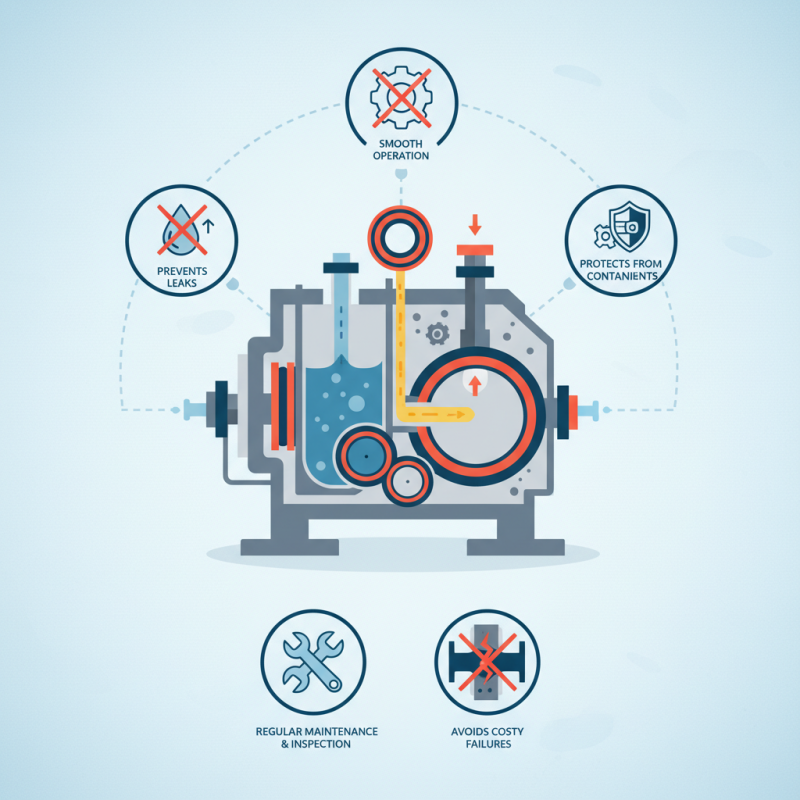
Seal components play a critical role in various industrial applications. These components ensure that machinery operates smoothly and effectively. When correctly used, they prevent leaks and maintain pressure. This is vital in sectors like manufacturing, oil, and gas.
The importance of seal components cannot be overstated. They protect sensitive parts from contaminants. A failure in sealing can lead to severe operational issues. This could result in costly repairs or even shutdowns. Industries often underestimate the potential risks, leading to avoidable failures.
In conclusion, understanding seal components is essential. Regular maintenance and inspection are necessary for optimal performance. This attention to detail can prevent unforeseen issues. It's crucial for companies to reflect on their sealing strategies. Only then can they ensure operational excellence.
Importance of Seal Components in Industrial Settings
Seal components play a critical role in various industrial applications. They prevent leakage and ensure the integrity of equipment. According to a report by MarketsandMarkets, the global seal market is expected to reach $68 billion by 2025. This staggering figure underlines the importance of seals across sectors like manufacturing, automotive, and aerospace.
In industrial settings, seals contribute to equipment efficiency and safety. A study from the International Journal of Advanced Manufacturing Technology indicates that improper sealing can lead to significant energy losses. Companies face increased maintenance costs due to frequent breakdowns. Many still overlook the significance of selecting the right materials, which can compromise performance.
Implementing high-quality seal components fosters reliability. However, industries often fail to monitor seal conditions regularly. This negligence can result in catastrophic failures. Regular inspections could prevent safety hazards and costly downtimes. Recognizing that seals are not just expendables but vital elements for optimal operation is crucial.
Types of Seal Components Used in Various Industries
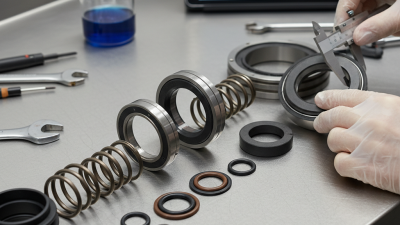
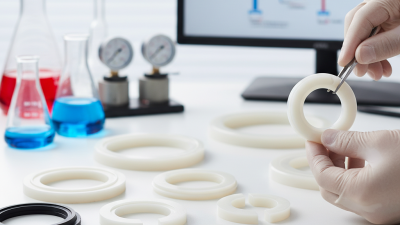
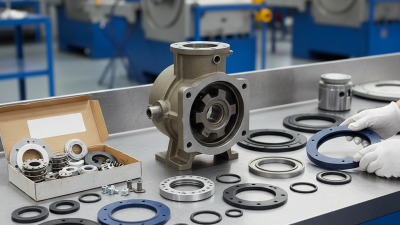
Seal components play a vital role across various industries. These components ensure the integrity of systems by preventing leaks and contamination. They come in different forms, each serving unique purposes. Common types include O-rings, gaskets, and seals. O-rings are simple but effective. They provide a tight fit in mechanical assemblies. Gaskets serve as barriers against fluids in connection points. They often need precise dimensions for optimal performance, which can be challenging to achieve.
In the automotive sector, seals are crucial for engine efficiency. They resist heat and prevent fluids from escaping. In the food industry, seals must meet strict hygiene standards. They must withstand cleaning processes and resist corrosion. Some seals may wear out faster than expected due to harsh conditions, requiring regular inspection.
Manufacturing often uses dynamic seals in machine parts. These seals face constant movement, making durability essential. When they fail, operational costs rise. Users must be mindful of the materials used, as compatibility is key. The wrong choice can lead to quick deterioration. This highlights the importance of selecting the right seal component for each application.
Key Functions of Seals in Machinery and Equipment
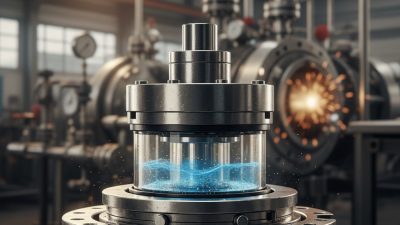
Seals play a pivotal role in industrial machinery and equipment. They prevent the leakage of fluids and gases, ensuring optimal performance. Without effective seals, harmful contaminants could enter systems, causing failures. This situation can lead to costly downtime and repairs. Proper sealing is often overlooked in design, yet it is crucial for longevity.
Additionally, seals help maintain pressure within systems. They allow machinery to operate efficiently under high-stress conditions. When seals fail, this pressure can drop, leading to inefficiency. The impact may not be immediately visible, but it affects overall productivity. Selecting the right material is essential; it should withstand different temperatures and pressures.
Many engineers recognize the importance of seals, but still, issues arise. In some cases, seals are not replaced on schedule. This oversight can lead to serious complications. Regular maintenance and checks are necessary to avoid failures. When seals are compromised, the entire system suffers. It's essential to prioritize these components in any industrial environment.
Why Are Seal Components Essential for Industrial Applications? - Key Functions of Seals in Machinery and Equipment
| Function |
Importance |
Material Used |
Common Applications |
| Sealing Fluids |
Prevents leakage and contamination |
Rubber, PTFE |
Hydraulic systems, pumps |
| Temperature Control |
Maintains operational efficiency |
Silicone, Viton |
Engines, HVAC systems |
| Vibration Damping |
Reduces wear on components |
Nitrile, polyurethane |
Machinery, automotive |
| Dust Protection |
Extends equipment lifespan |
EPDM, neoprene |
Construction, agricultural machinery |
| Chemical Resistance |
Safeguards against aggressive substances |
Fluoroelastomer, ceramic |
Chemical processing plants |
Factors Affecting Seal Performance and Longevity
In industrial environments, seal components play a crucial role in maintaining efficiency. However, several factors can affect their performance and longevity. One major factor is environmental conditions. Exposure to extreme temperatures and pressures can cause seals to degrade rapidly. Inadequate material selection can lead to premature failure.
Another important consideration is installation practices. Misalignment during installation can create undue stress on seals. This can result in leaks or complete failure. Regular maintenance checks are essential to ensure seals are functioning correctly. However, many overlook this step. Neglecting maintenance can shorten the lifespan of seals significantly.
Fluid compatibility is also critical. Seals must withstand various chemicals found in industrial applications. Using the wrong type can lead to chemical attacks on the seal material. This can compromise integrity and functionality. Monitoring these factors is necessary for long-term success. Each element plays a part in the overall system performance. Addressing these issues might require more attention than many are willing to give.
Innovations and Future Trends in Seal Technology
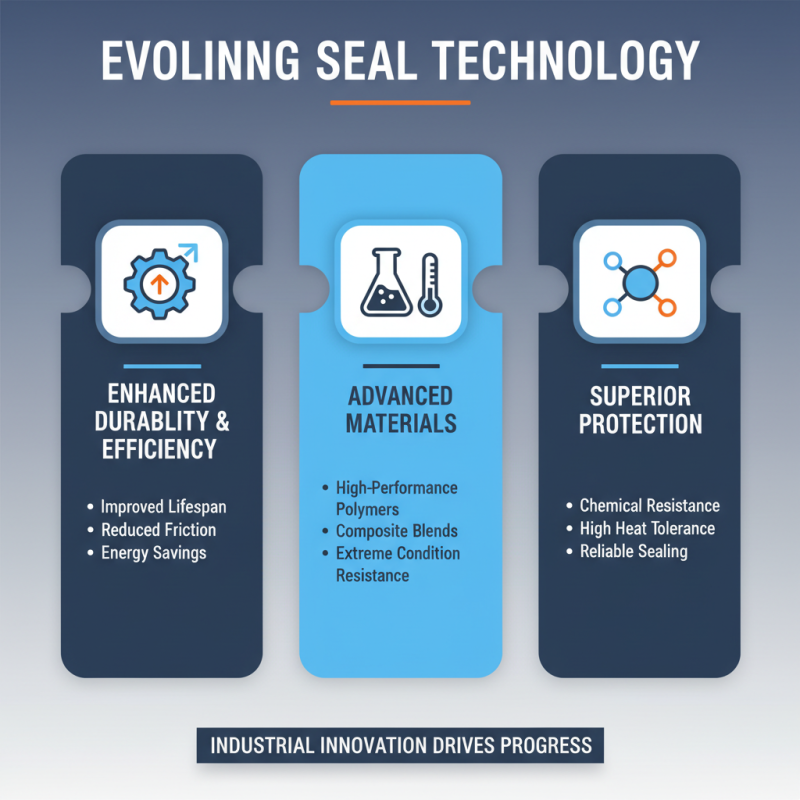
Seal technology is continually evolving. Recent innovations focus on enhancing durability and efficiency. New materials are being tested for improved performance under extreme conditions. These materials promise better resistance to harsh chemicals and high temperatures. As industries demand more reliable seals, manufacturers are responding. The use of advanced polymers and composites plays a vital role in these changes.
Future trends indicate a shift toward smart sealing solutions. Sensors integrated into seals can provide real-time data. This development helps predict wear and potential failures. Predictive maintenance becomes a possibility, allowing industries to avoid costly downtimes. However, the initial cost of these advanced seals can be a barrier. There’s a learning curve for personnel to adapt to new technologies.
Sustainability is another key focus. Manufacturers are exploring eco-friendly materials for seal production. This shift reflects a growing consciousness about environmental impact. Yet, the balance between performance and sustainability is challenging. The industry grapples with maintaining high standards while going green. Innovations are promising, but the journey ahead will require continuous effort and adaptation.