Top Tips for Choosing the Right PTFE Seal for Your Needs?
When selecting the right PTFE seal for your project, understanding its characteristics is crucial. PTFE seals are known for their excellent chemical resistance and durability. These seals can withstand extreme temperatures and pressures, making them versatile for various applications.
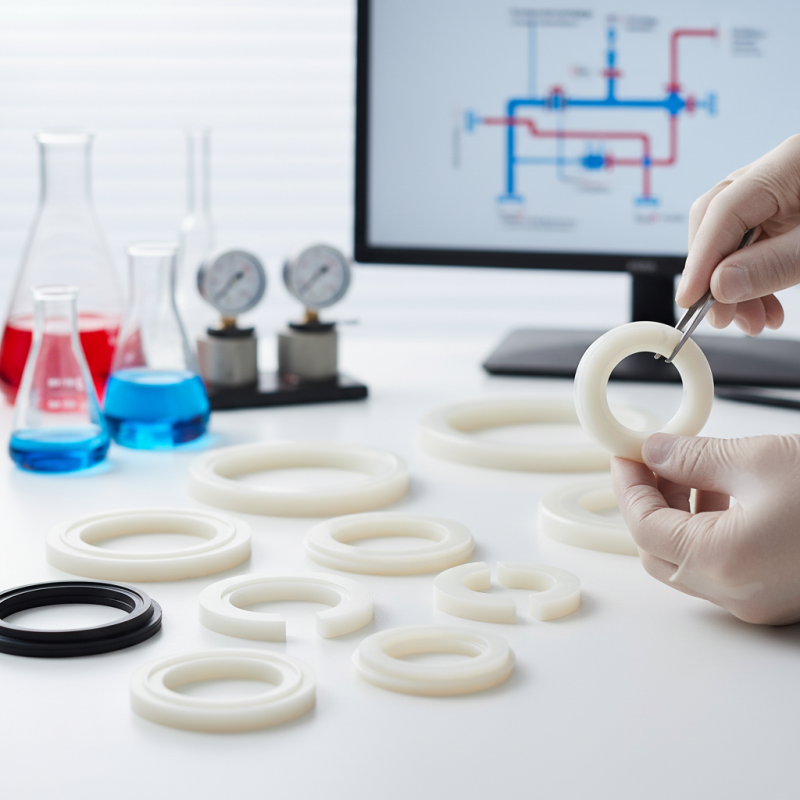
Different industries have unique needs. For example, food and beverage, automotive, and chemical processing sectors all require specific properties from PTFE seals. It's essential to consider the environment where the seal will be used. Take time to assess conditions like temperature, pressure, and the types of fluids involved.
Choosing the wrong PTFE seal can lead to failures, resulting in costly downtime. Realizing this can help you focus on your selection criteria. Reflecting on what went wrong in previous choices may guide you towards a better decision this time.
Understanding PTFE Seals: Properties and Applications
PTFE seals are known for their exceptional chemical resistance and thermal stability. They can endure extreme temperatures, ranging from -200°C to +260°C. This extensive range makes them suitable for various industries, including automotive and aerospace. In these fields, PTFE seals prevent leaks and maintain system efficiency.
Choosing the right PTFE seal requires careful consideration. Not all PTFE seals are created equal. Think about your specific application. A common mistake is opting for a general-purpose seal without understanding the environment it will operate in. For instance, high-pressure applications may need thicker seals. Conduct thorough research to avoid costly failures.
Tip: Always check the seal’s compatibility with the media it will contact. Some PTFE seals may degrade over time when exposed to certain chemicals. Regular monitoring is also essential. If you notice wear or changes in performance, it may indicate the need for replacement. Being proactive helps maintain system integrity and prevents unplanned downtime.
Identifying Your Specific Sealing Requirements
Choosing the right PTFE seal begins with understanding your specific sealing requirements. You need to consider various factors. The application environment matters a lot. Is the seal exposed to extreme temperatures or chemicals? Knowing this helps narrow down options.
Another crucial aspect is the pressure range. Different seals handle different pressures. Make sure the chosen seal can withstand the forces it will encounter. It's also wise to think about the surface finish of the materials being sealed. A smoother finish often leads to better sealing performance.
While identifying your needs, include future considerations. Will your application change over time? This is often overlooked. A seal that fits today may not suit future requirements. Keep flexibility in mind as you make your choice.
Top Tips for Choosing the Right PTFE Seal for Your Needs
| Sealing Requirement |
PTFE Seal Type |
Operating Temperature Range |
Pressure Tolerance |
Application Example |
| Chemical Resistance |
Graphite-Loaded PTFE Seal |
-200°C to 260°C |
Up to 30 bar |
Chemical Processing Equipment |
| High-Temperature Applications |
Virgin PTFE Seal |
-200°C to 260°C |
Up to 50 bar |
Steam and Hot Water Systems |
| Electrical Insulation |
PTFE Insulating Seal |
-200°C to 200°C |
N/A |
Electrical Equipment |
| Low Friction |
PTFE Seal with Reinforcement |
-200°C to 200°C |
Up to 25 bar |
Pumps and Valves |
| Low Outgassing |
Modified PTFE Seal |
-200°C to 250°C |
Up to 40 bar |
Space Applications |
Evaluating Compatibility with Different Fluids and Temperatures
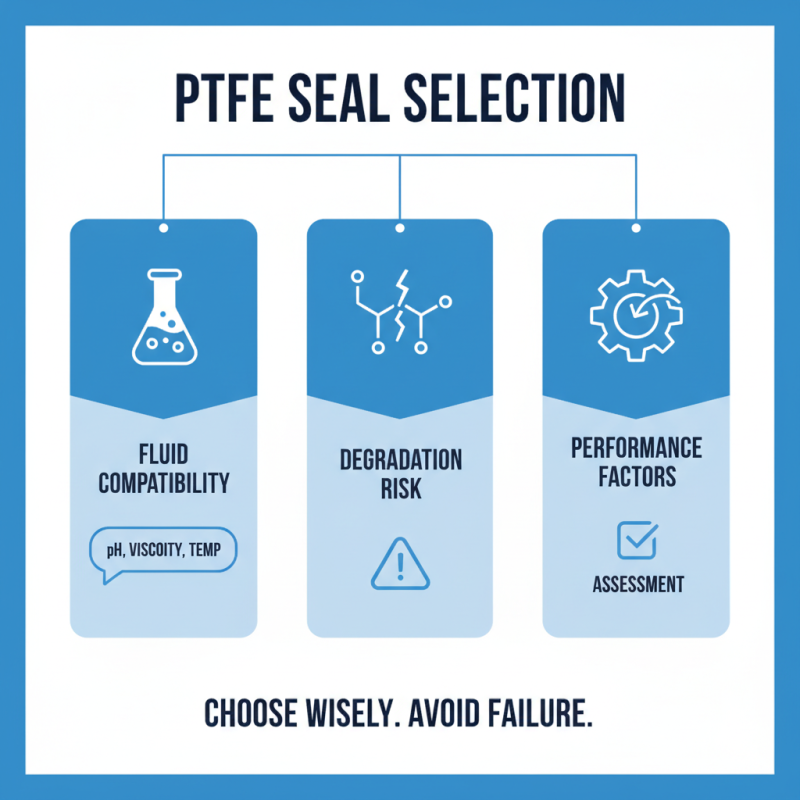
Choosing the right PTFE seal requires careful assessment. Compatibility with fluids is vital. Different fluids can react in unexpected ways. Some may cause degradation. Always examine fluid characteristics. Consider pH levels, viscosity, and temperature ranges. These factors can affect PTFE performance significantly.
Temperature is another critical aspect. PTFE seals can withstand high temperatures, but specific limits exist. Exceeding these limits can lead to failure. It’s important to understand the operational environment. Is there thermal cycling? What is the peak temperature? Answers to these questions guide your selection.
Some seals may also struggle with certain conditions. For example, aggressive chemicals can erode the material. Always test seals in the intended environment. Even small discrepancies can cause leaks. Document the results, and adjust your choices as needed. This careful approach ensures long-lasting performance and reliability.
Exploring Different Types of PTFE Seals Available
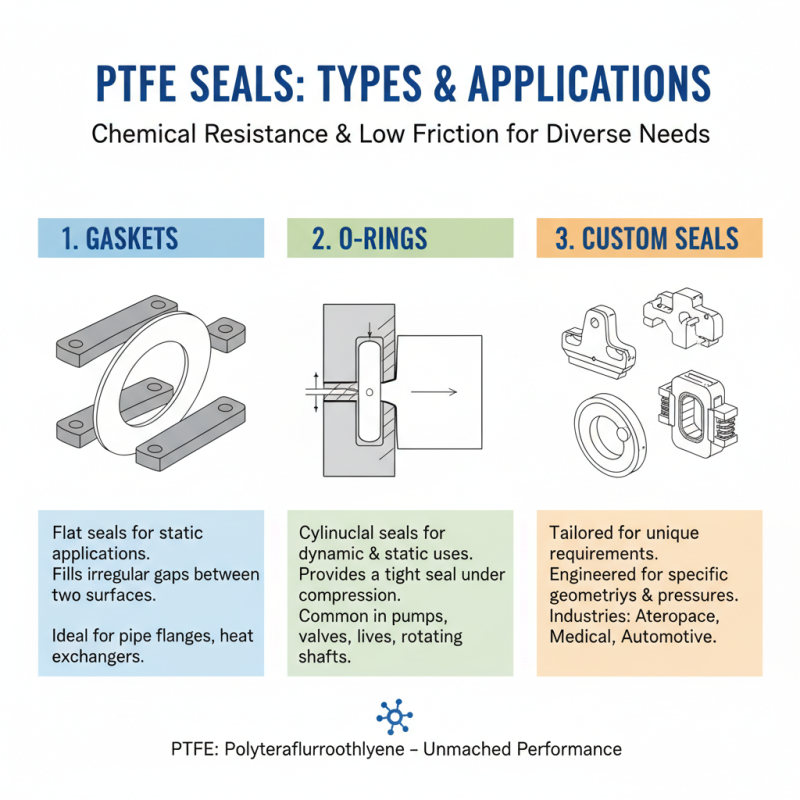
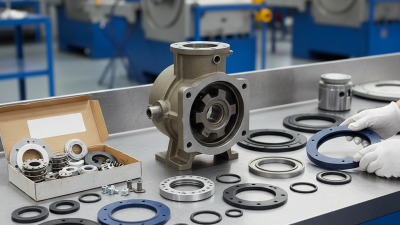
When selecting PTFE seals, understanding the different types available is crucial. PTFE, or polytetrafluoroethylene, is known for its excellent chemical resistance and low friction properties. Common types of PTFE seals include gaskets, O-rings, and custom seals for unique applications. Gaskets typically provide a tight fit between surfaces, while O-rings are cylindrical and ideal for dynamic sealing. Custom seals can be tailored to fit specific requirements.
Consider the environment where the seals will be used. High temperatures or aggressive chemicals may require specialty PTFE formulations. Not all PTFE seals are created equal. Some may not withstand extreme conditions, leading to premature failure. It's essential to analyze the application thoroughly. Sometimes, the cheaper option may result in unexpected issues down the line. The dimensions must also be accurate; even slight variations can affect performance significantly.
PTFE seal selection can be a trial-and-error process. Accuracy in measurements is vital to ensure proper sealing. It’s important to reflect on past experiences. What worked well before? What didn't? An informed decision often stems from understanding previous challenges. Thus, gathering information and asking the right questions facilitates finding the most suitable PTFE seal for any application.
Best Practices for Installation and Maintenance of PTFE Seals
When selecting PTFE seals, proper installation and maintenance are crucial for optimal performance. Research shows that improper installation can lead to seal failure, affecting system efficiency. Over 30% of seal failures can be traced back to inadequate fitting techniques. A qualified technician should ensure seals are aligned correctly. Taking time during the initial setup can prevent costly repairs later.
Regular maintenance is equally important. PTFE seals can handle high temperatures, but they still wear over time. Data indicates that seals can last between 2 to 10 years, depending on their application. Periodic inspection can catch signs of wear, such as discoloration or deformation. When installed in hydraulic systems, check for leaks regularly. Leaking seals decrease system reliability and increase operational costs.
Contamination can significantly affect the lifespan of PTFE seals. Dust and dirt can cause micro-abrasions. These tiny scratches can amplify wear. Keeping the environment clean is essential. Using protective covers can help maintain seal integrity. Ignoring these practices can lead to unexpected failures and operational downtime. Thoughtful attention to installation and routine checks can make a noticeable difference in performance.