2026 How to Choose the Right Mechanical Seal Parts for Your Application?
Choosing the right mechanical seal parts for your application is crucial. The correct selection can significantly impact performance and longevity. Mechanical seals prevent leaks in various machinery, so understanding their design is key.
Consider the specific requirements of your machinery. Each application has different needs. For instance, temperature and pressure ratings vary widely. You must assess these factors carefully. A wrong choice can lead to costly downtime and repairs.
Always examine the materials used in seal construction. Compatibility with fluids is essential. Some materials deteriorate faster than others. This can compromise the seal's integrity. Reflect on what you need for optimal performance. Are you selecting parts out of habit? Or are you truly considering your application’s demands? A thoughtful approach is necessary to make the right decision in this complex field.
Understanding Mechanical Seals: Definition and Importance in Industries
Mechanical seals play a crucial role in various industries, ensuring the efficient operation of machinery. A mechanical seal functions by preventing the leakage of fluids. This becomes imperative in sectors like oil and gas, chemical processing, and water treatment. According to a report by MarketsandMarkets, the global mechanical seals market is projected to reach $5.2 billion by 2026. This growth highlights their increasing importance.
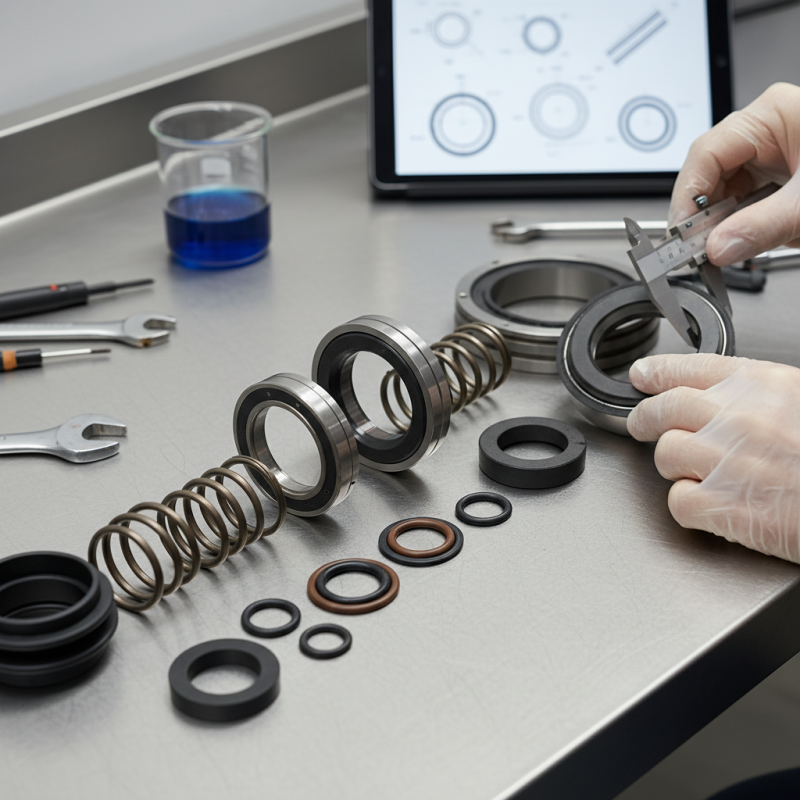
Understanding the components that make up mechanical seals is vital. These parts include the seal face, secondary seal, and spring. Each component serves a specific function and must be chosen appropriately. Materials used in these seals vary widely. Choices include elastomers, ceramics, and carbides, each with unique characteristics. For instance, carbon-based seals are effective in high-temperature applications. However, they could wear faster under extreme conditions. This suggests the need for careful material consideration.
The implications of poor seal selection can be significant. In industries where leaks can lead to environmental hazards, the ramifications can be severe. It is essential to evaluate operational conditions thoroughly. Research shows that improper installation contributes to over 30% of seal failures. This statistic indicates an alarming trend that should provoke reflection among industry professionals. Making informed choices about mechanical seal parts can mitigate risks and enhance performance.
Key Factors Influencing Mechanical Seal Selection: Material, Design, and Pressure
Choosing the right mechanical seal parts is crucial for any application. One primary factor is the material used in the seal. Different materials offer various strengths and resistances. For example, elastomers work well in lower temperatures, while metal seals are better for high pressures. It’s vital to understand what environment the seal will operate in. This understanding will guide the selection process for both durability and performance.
Another key consideration is the seal design. The design must match the specific requirements of the application. A complex design may offer better sealing capabilities but can also introduce complications during installation. The thickness and geometry of the seal play significant roles too. A thicker seal might provide better resistance but could lead to increased friction. This leads to wear over time, which is something to reflect upon.
Pressure requirements should not be overlooked either. Seals under high pressure need to withstand significant forces without failing. Evaluating the pressure range helps narrow down choices. However, what seems like a clear choice can sometimes lead to issues if the working conditions change unexpectedly. Rethinking and analyzing all factors repeatedly ensures that the right seal is chosen for effective operation.
Common Types of Mechanical Seals: Benefits and Applications in Various Fields
Mechanical seals play a crucial role in various applications across industries. Understanding the different types can help ensure you select the right one for your needs. Common types include single seals, double seals, and balanced seals. Each type offers unique benefits and applications.
For instance, single seals are widely used in light-duty applications, while double seals provide enhanced leak protection in high-pressure environments.
When choosing mechanical seal parts, consider the operating conditions. The temperature, pressure, and fluid types are critical factors. They directly influence the seal's performance and longevity. It's essential to match the seal material with the fluid to prevent chemical reactions.
Tip: Always account for potential movement or misalignment in your setup. This can affect seal life.
Additionally, assess the installation environment. Dirt and debris can compromise seals over time. Keeping the environment clean helps maintain optimal performance.
Tip: Regular maintenance checks can enhance seal reliability. It's an ongoing commitment that pays off in reduced downtime and operational efficiency.
Industry-Specific Standards and Certifications for Mechanical Seals
When selecting mechanical seal parts, industry-specific standards play a crucial role. These seals must comply with various regulations and certifications, depending on the application. For instance, seals used in the food and beverage industry require stringent sanitary standards. Failing to meet these can lead to contamination issues.
Tips for choosing the right seals: always check for regulatory compliance. It’s a simple step that helps avoid costly errors. Moreover, consider the environment in which the seals will operate. High temperatures or corrosive substances demand particular types of materials. Assessing these factors ensures better performance and longevity.
Another point to ponder is the quality of manufacturing processes. Not all seals are created equal. Some may meet basic standards but fail under specific conditions. Therefore, it’s wise to review certifications like ISO or API, which can influence the choice. Additionally, verify the origin of the materials used. This can provide insight into potential weaknesses and durability issues.
Mechanical Seal Performance Overview