How to Choose the Right Centrifugal Seal for Your Application?
Choosing the right centrifugal seal is crucial for optimal performance in various mechanical applications. Renowned expert Dr. Emily Turner states, “A well-selected centrifugal seal can greatly enhance the efficiency of your system.” This highlights the importance of understanding the specific needs of your application when selecting a centrifugal seal.
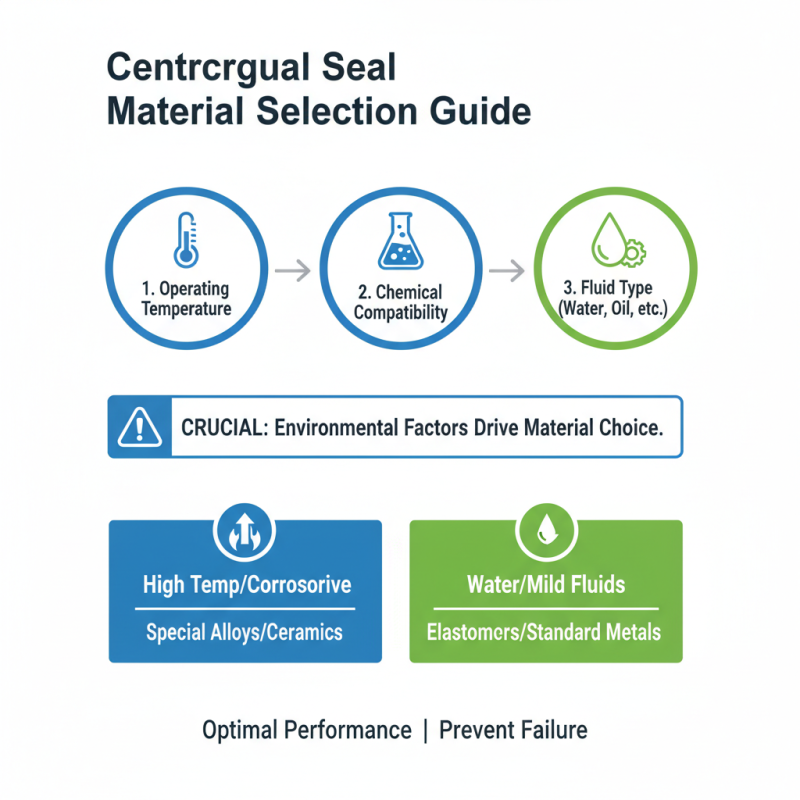
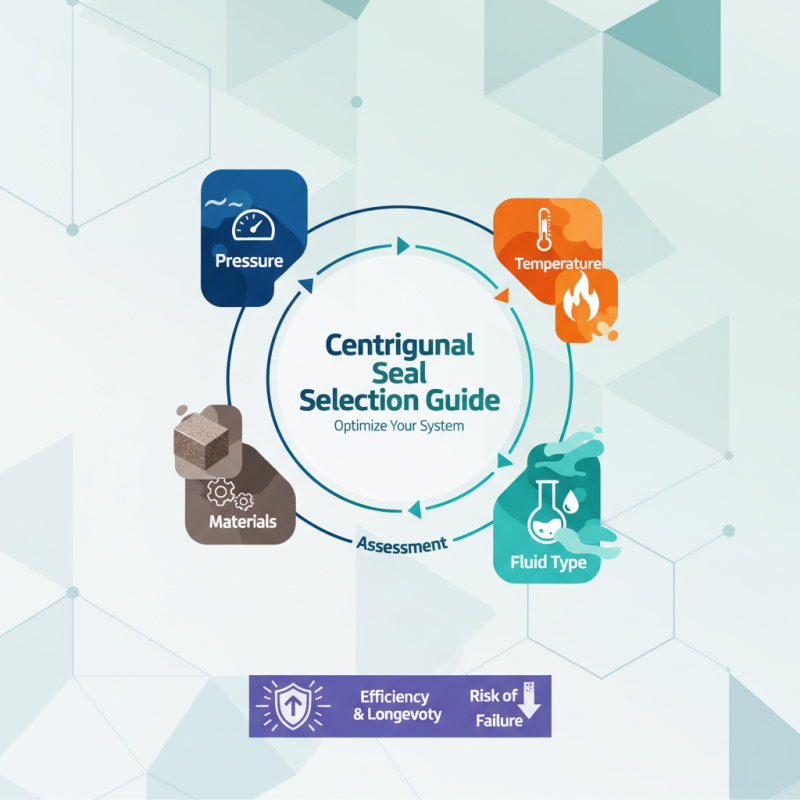
Many factors can impact your choice. For instance, pressure, temperature, and fluid types all play a role. A centrifugal seal must be compatible with the operating environment. It is easy to overlook these details. Skipping them may lead to inefficient operation or premature seal failure.
Additionally, consider the materials used in the centrifugal seal. Different materials offer unique strengths and weaknesses. These nuances can affect performance and longevity. Reflect on your requirements carefully. Choosing the wrong centrifugal seal can have significant repercussions, including increased maintenance costs.
Understanding the Basics of Centrifugal Seals and Their Functions
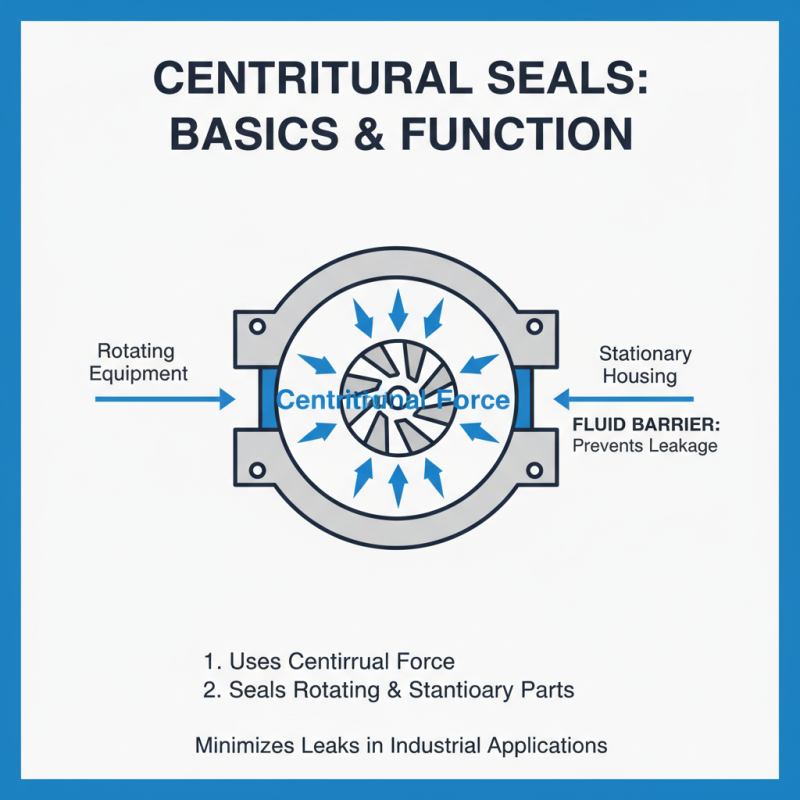
Centrifugal seals play a critical role in various industrial applications. These mechanical seals prevent fluid leakage in rotating equipment. They work by using centrifugal force to push the fluid towards the outer edges. This dynamic process ensures a reliable barrier between the rotating and stationary parts, minimizing leaks.
Understanding the different types of centrifugal seals is essential. Each type offers unique advantages based on the application. For example, a seal designed for high-pressure conditions may not perform well in low-pressure situations. It's important to consider the operating environment, such as temperature and fluid type. Some seals may fail if they are not properly matched to the system's conditions.
Many factors contribute to the overall effectiveness of a centrifugal seal. Maintenance is crucial to prevent wear and tear. Regular inspections can identify early signs of failure. Engineers need to reflect on their choices when selecting seals. A wrong decision can lead to leaks and system inefficiencies, creating unnecessary downtime.
Evaluating Seal Performance Options: Static vs. Dynamic Sealing Solutions
Choosing the right centrifugal seal requires understanding the specific needs of your application. Evaluating sealing performance is crucial. There are two primary types: static and dynamic sealing solutions. Each offers distinct advantages and drawbacks.
Static seals maintain a tight seal when parts are not moving. They are ideal for applications where movement is minimal. However, they can wear out over time. In contrast, dynamic seals accommodate motion. These seals are common in rotating equipment. They often provide better functionality under varying conditions. But they may require more maintenance.
It's essential to assess the environment where the seal will function. Factors such as temperature and pressure can affect performance. Both types of seals have their place. Yet, trouble can arise if you choose the wrong one. Understanding your operating conditions can help you make an informed decision. The best choice often isn't the most straightforward one. Reflection on specific needs and performance metrics can guide you.
Comparison of Static vs. Dynamic Sealing Solutions
This bar chart illustrates the performance evaluation of static and dynamic sealing solutions based on key parameters such as durability, cost, and installation complexity. It helps in understanding which type of seal might be more suitable for specific applications.
Industry Standards and Regulations Affecting Centrifugal Seal Selection
When choosing a centrifugal seal, industry standards play a crucial role. These regulations ensure safety, efficiency, and compatibility with various fluids. Different sectors, such as pharmaceuticals, chemicals, and food processing, have distinct requirements. They might dictate materials, performance metrics, and even testing protocols. Understanding these standards helps prevent costly errors down the line.
Consider how a seal interacts with its environment. For instance, temperature fluctuations could influence material integrity. This is one area where many fail to conduct thorough evaluations. Not every seal is suitable for high-pressure applications. An overlooked specification might lead to catastrophic failures. Knowing the relevant industry guidelines can steer you toward the right choice.
In practice, adherence to these standards isn't always perfect. Some manufacturers may overlook specific certifications, assuming they are compliant. This can lead to delays and additional costs. Researching suppliers and their certifications becomes essential. It's not just about selecting a product; it’s also about ensuring it aligns with regulatory needs.
Common Applications of Centrifugal Seals across Various Sectors
Centrifugal seals play crucial roles across many sectors, including oil and gas, food and beverage, and pharmaceuticals. In the oil and gas industry, over 30% of all mechanical failures are tied to seal issues. These seals prevent fluids from leaking while maintaining pressure. For instance, they are essential in high-speed pumps that transport crude oil and natural gas.
In the food and beverage industry, hygienic processes rely heavily on effective sealing solutions. The FDA mandates strict compliance, leading manufacturers to select seals that ensure product safety. Around 40% of product recalls in this sector are due to seal failures. In pharmaceuticals, centrifugal seals must withstand aggressive cleaning agents. They often face the challenge of balancing durability with compliance to strict regulations.
Focusing on agricultural machines, centrifugal seals prevent contamination in equipment that processes grains and vegetables. In this area, failures can result in both service interruptions and costly downtime. A study showed that merely 15% of users had a thorough understanding of the ideal seals for their applications. While selecting seals, companies often overlook the importance of regular maintenance and inspection, which can lead to unforeseen failures.
How to Choose the Right Centrifugal Seal for Your Application? - Common Applications of Centrifugal Seals across Various Sectors
| Application Sector |
Typical Use |
Key Considerations |
Material Options |
| Chemical Processing |
Seal in pumps handling corrosive fluids |
Chemical compatibility, temperature resistance |
PTFE, Viton, EPDM |
| Oil & Gas |
Sealing in drilling and refining processes |
High pressure, dynamic motion |
Carbon steel, PTFE |
| Food & Beverage |
Used in processing and packaging |
Hygiene, FDA regulations |
Silicone, FDA-compliant rubber |
| Pharmaceutical |
Sealing in drug production equipment |
Sterility, material purity |
Pharmaceutical-grade elastomers |
| Water Treatment |
Sealing in pumps and valves |
corrosion resistance, environmental impact |
Nitrile, EPDM |